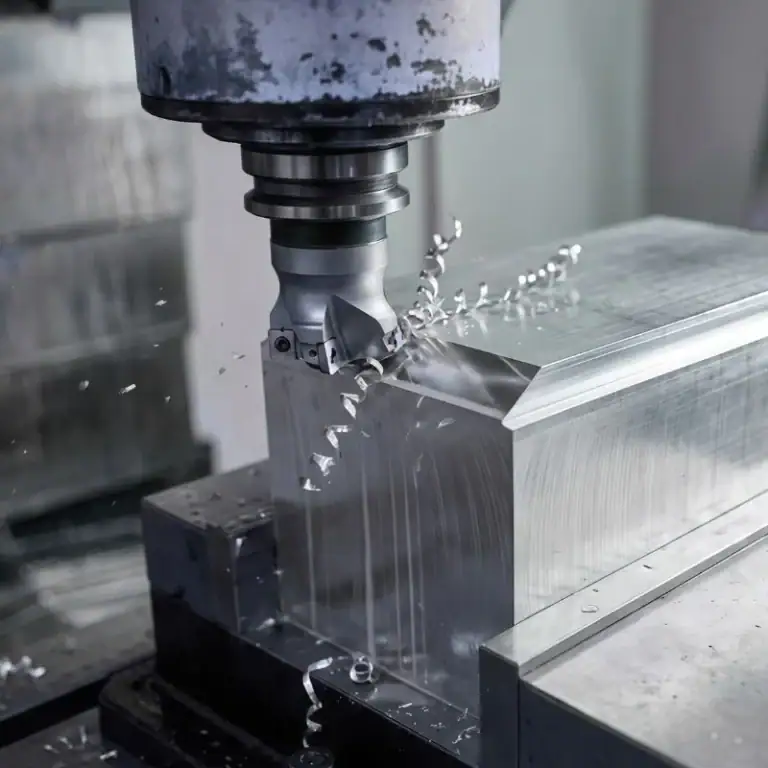
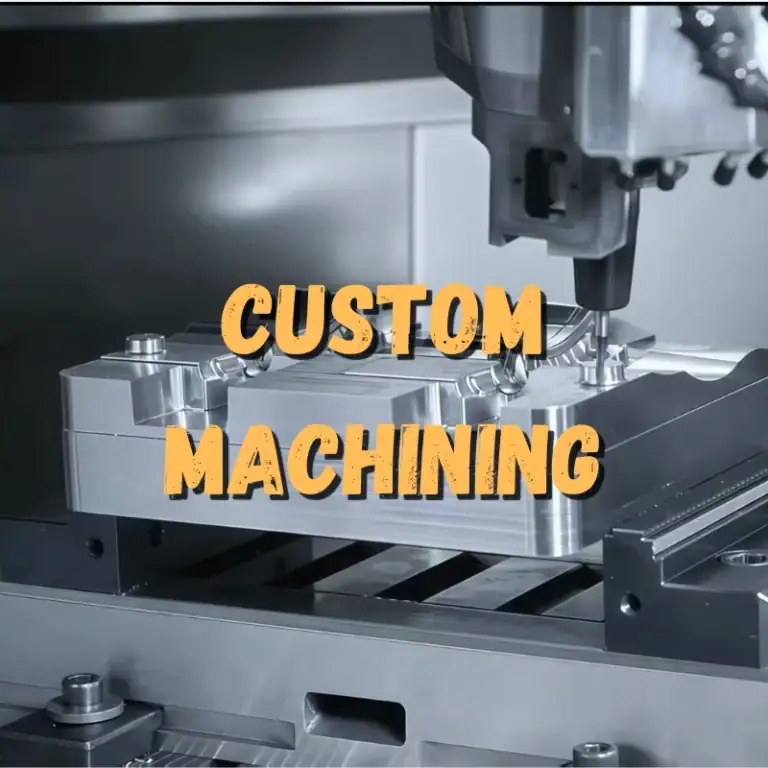
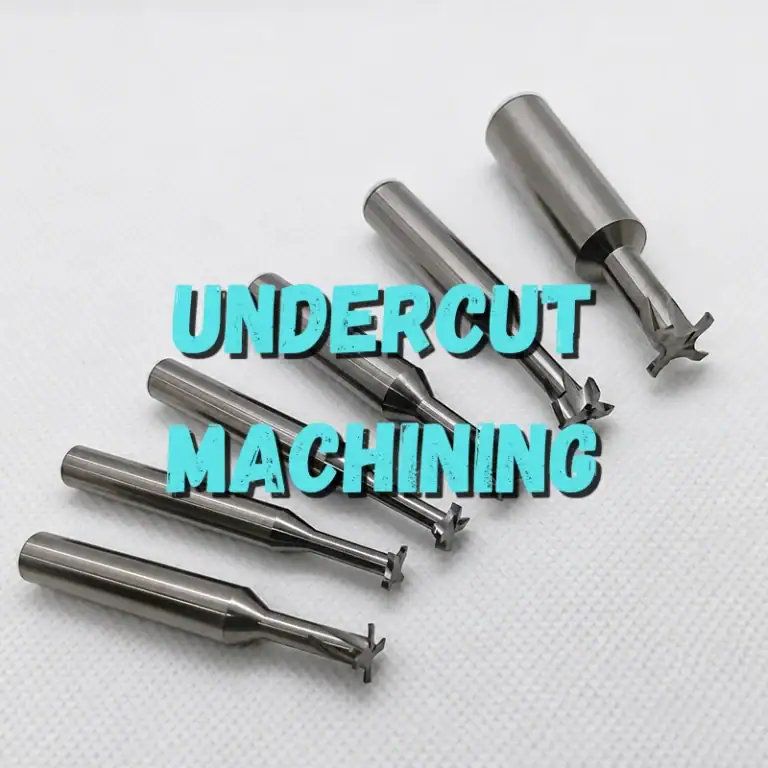
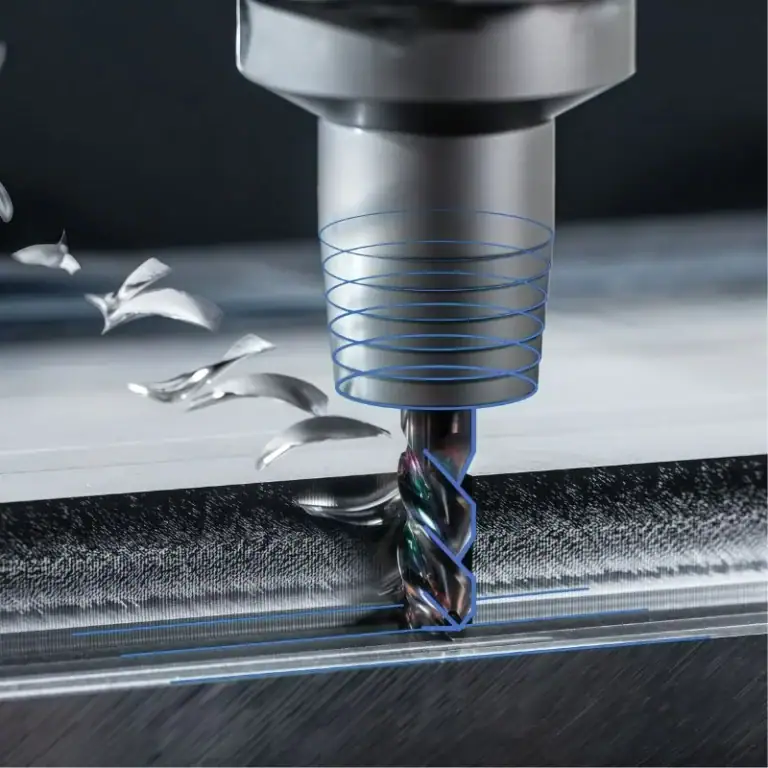
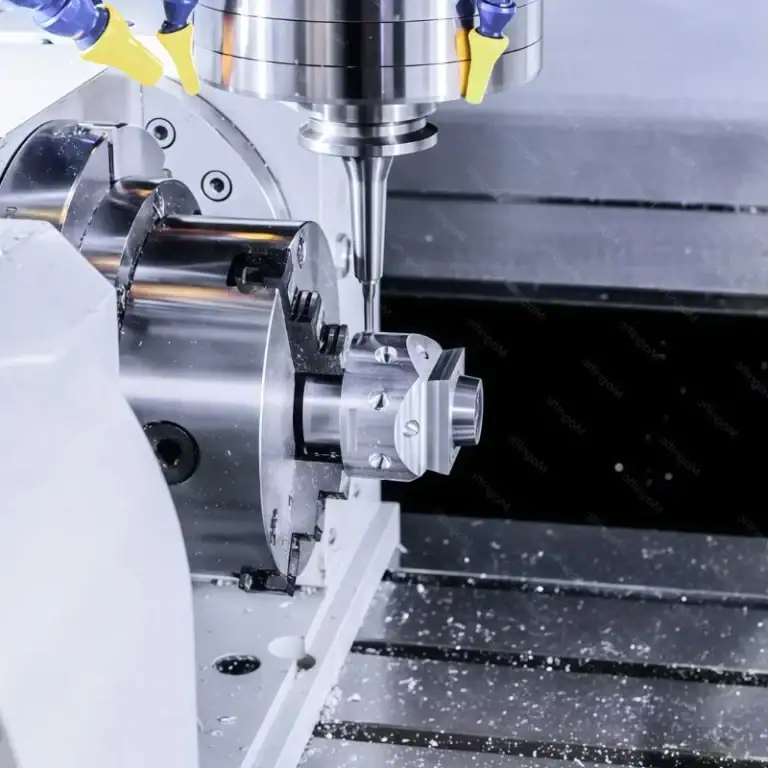
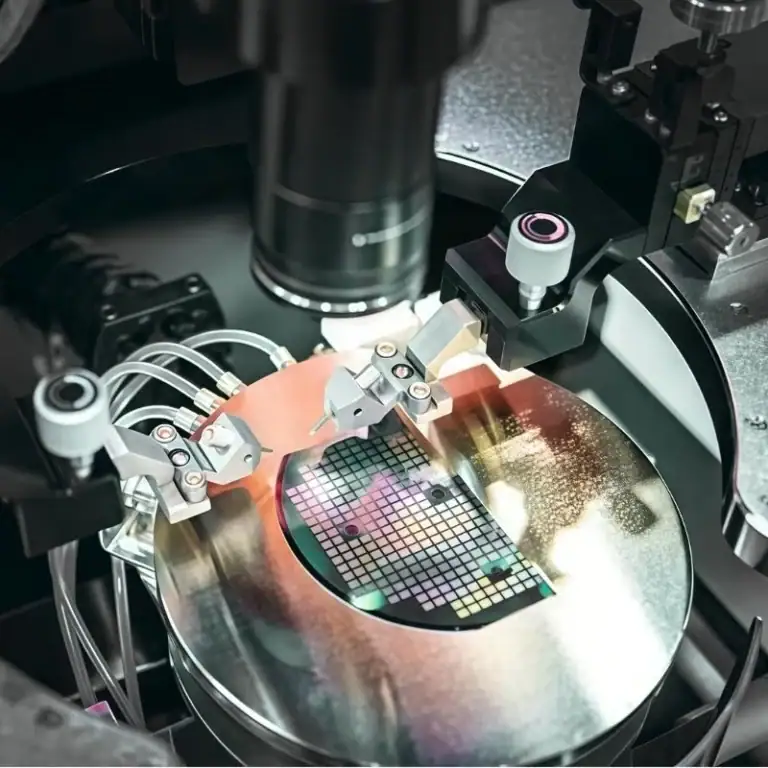
The aerospace industry has extremely high requirements for component manufacturing accuracy, material performance, structural reliability, and production consistency. Aircraft engines, aerospace transmission systems, landing gear, hydraulic systems, fuel systems, satellites, spacecraft, and various precision control devices contain numerous shafts, sleeves, discs, connectors, and precision structural components. These components must meet strict dimensional tolerances while withstanding high-speed rotation, high temperatures, high pressure, continuous vibration, and complex operating environments. CNC turning uses digital numerical control systems to control tool movement and can efficiently perform external turning, internal boring, facing, grooving, threading, and complex rotational contour machining. This makes CNC turning highly valuable in aerospace precision component manufacturing. Compared with conventional turning methods, CNC turning uses programmed machining paths and cutting parameters to maintain consistent quality across production batches while reducing dimensional variations caused by manual operations. For aerospace manufacturers, this stable machining capability helps control production quality, improve machine utilization, and support the continuous production of high-precision components.
CNC Turning Is Widely Used for Aircraft Engine Components
Aircraft engines are core power systems that operate under high temperatures, high pressure, and high rotational speeds for extended periods. The dimensional accuracy, roundness, concentricity, surface roughness, and material integrity of engine components can all influence overall operating performance. CNC turning can be used to manufacture engine shafts, sleeves, connectors, positioning rings, and various rotational structures. By properly organizing roughing, semi-finishing, and finishing operations, manufacturers can progressively remove material, correct dimensions, and improve surface quality. Aerospace engine components often have demanding machining requirements and may be manufactured from titanium alloys, nickel-based superalloys, and high-strength alloy steels. These materials require rigid machine tools combined with suitable cutting tools, cooling systems, and cutting parameters. Stable CNC programs can reduce operator-related errors and maintain consistent critical dimensions during continuous production, providing a reliable foundation for subsequent engine assembly and performance testing.
Aerospace Engine Shaft Machining
Aircraft engines contain numerous rotating shaft components, including transmission shafts, support shafts, connection shafts, positioning shafts, and precision rotating shafts. These components typically require strict control of external diameters, shoulders, grooves, end faces, roundness, and concentricity. High-speed rotating shafts have particularly demanding requirements for dimensional stability and dynamic balance. CNC turning can establish accurate machining coordinates according to engineering drawings and complete continuous machining of different diameter sections through programmed tool movements. During roughing, large amounts of material can be removed efficiently, while finishing focuses on final dimensions and surface quality. For aerospace engine shafts, appropriate tool selection, workholding methods, and cutting parameters can reduce machining vibration and tool wear while improving the long-term reliability of components.
- Engine transmission shafts
- High-speed rotating shafts
- Precision support shafts
- Positioning shafts
- Connection shafts
- Rotor-related shaft components
- Precision sleeves
- Power transmission shafts
Stable shaft machining improves component assembly conditions, reduces vibration and abnormal wear during operation, and provides a reliable precision manufacturing foundation for long-term aerospace engine operation.
Engine Sleeve and Connector Machining
Aircraft engines also contain numerous sleeves, positioning rings, connecting rings, support rings, and precision threaded components. These components often need to mate accurately with shafts, bearings, or other structures. The internal and external diameters of sleeves must maintain precise dimensional relationships, while positioning rings require accurate control of outer diameter, inner diameter, end faces, and groove positions. CNC turning can continuously perform internal boring, external turning, facing, grooving, and threading, reducing repeated workholding between different machines. For thin-wall sleeves, clamping pressure and cutting loads must be carefully controlled to prevent deformation. Proper machining allowances and stable finishing parameters can further improve dimensional consistency and surface quality, enabling components to meet precision assembly requirements in aircraft engines.
CNC Turning Is Suitable for Precision Aerospace Transmission Components
Aerospace transmission systems perform critical power transmission and motion control functions. Components such as transmission shafts, sleeves, connecting rings, positioning parts, and precision flanges require stable dimensional accuracy. CNC turning can efficiently process rotational components according to their structural characteristics. Digital programs control tool paths precisely, maintaining accurate relationships between different external diameters, internal bores, end faces, and grooves. For batch production, standardized programs, standardized tooling, and consistent inspection procedures can improve product consistency between production batches. Transmission components operate under rotation, torque, and vibration for extended periods. Good concentricity and roundness help reduce imbalance during operation and can improve power transmission efficiency. With appropriate equipment and machining parameters, CNC turning provides reliable precision components for aerospace transmission systems.
Aerospace Transmission Shaft Machining
Aerospace transmission shafts typically operate under high rotational speeds and continuous torque. Their machining accuracy directly affects power transmission and system operating conditions. Key requirements include shaft diameter, roundness, concentricity, shoulder positioning, and surface roughness. CNC turning can continuously machine different sections through programmed operations while controlling critical dimensions during finishing.
- Control shaft diameter
- Maintain concentricity
- Improve roundness accuracy
- Improve surface quality
- Reduce rotational vibration
- Improve transmission stability
- Reduce assembly deviations
- Improve component consistency
Proper workholding and tool configuration can reduce machining vibration and improve the stability of long shaft components, providing reliable support for long-term aerospace transmission operation.
Aerospace Sleeve and Positioning Ring Machining
Sleeves and positioning rings are primarily used for shaft positioning, support, and precision mating. Their internal and external dimensions must maintain accurate relationships. CNC turning can machine sleeve bores, external diameters, end faces, and positioning grooves while controlling critical dimensions through finishing programs. For thin-wall sleeves, the clamping method should be selected according to material and component structure to minimize deformation. Positioning rings require careful control of end-face and groove relationships so that components can be positioned accurately during assembly. A stable turning process can reduce manual fitting work, improve assembly efficiency, and enhance batch consistency for aerospace components.
CNC Turning Is Used for Aerospace Hydraulic and Fuel System Components
Aircraft and spacecraft contain numerous hydraulic, fuel, and fluid-control systems that rely on precision valves, connectors, pipe fittings, sealing sleeves, and positioning components. These components are typically small and highly precise, with demanding connection requirements. CNC turning can produce internal and external threads, tapered surfaces, sealing grooves, positioning grooves, internal bores, and external diameters for aerospace hydraulic and fuel systems. For connectors that must maintain system pressure, thread dimensions and sealing structures are particularly important. Machining processes must maintain strict dimensional and surface quality control. Precision turning can reduce dimensional deviations in connection structures and provide a reliable foundation for subsequent assembly, sealing, and pressure testing.
Aerospace Hydraulic Connector Machining
Hydraulic connectors in aerospace systems must withstand pressure and long-term vibration, requiring high precision for threads, tapered surfaces, and sealing grooves. CNC turning can machine internal and external threads, end faces, tapered surfaces, and sealing grooves according to component design requirements while controlling critical dimensions during finishing.
- Hydraulic fittings
- Pipeline connectors
- Precision threaded components
- Sealing sleeves
- Positioning rings
- Hydraulic connection posts
- Precision valve connection structures
- Fluid system fastening components
Stable connector machining improves assembly accuracy and provides reliable components for long-term operation of aerospace hydraulic systems.
Aerospace Fuel System Precision Component Machining
Aircraft engine fuel systems have strict requirements for component dimensions, internal bores, and fluid channel structures. Fuel injection components, connecting sleeves, precision valves, and pipe fittings must maintain consistent machining quality. CNC turning can produce external diameters, internal bores, end faces, grooves, and precision threads according to component structures. Miniature components can also be machined using micro-cutting tools. During production, tool wear and cutting heat must be monitored continuously to prevent gradual dimensional deviations in bore and external diameter measurements. Stable cooling and chip evacuation help maintain machining conditions and surface quality.
CNC Turning Supports Machining of Advanced Aerospace Materials
The aerospace industry widely uses high-performance materials to achieve lightweight construction, high strength, high-temperature resistance, and corrosion resistance. Titanium alloys, nickel-based superalloys, aluminum alloys, stainless steels, and alloy steels are commonly used in aerospace components, but their machinability varies considerably. Some materials are prone to work hardening, some have poor thermal conductivity, and others generate high cutting forces. These characteristics require appropriate cutting tool materials, tool geometries, cutting speeds, feed rates, and cooling methods. CNC turning allows these parameters to be managed through digital programs, enabling difficult-to-machine materials to be processed under stable conditions.
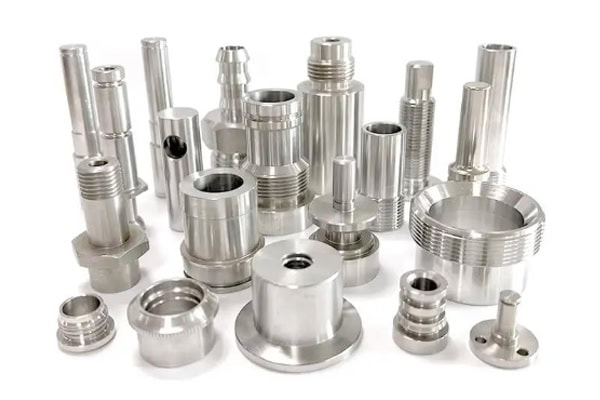
Titanium Alloy Aerospace Component Machining
Titanium alloys provide a high strength-to-weight ratio, excellent corrosion resistance, and good high-temperature performance, making them important materials for aerospace structures and high-performance components. Titanium machining can generate substantial cutting heat, and temperature changes in the cutting zone can directly affect tool life and machining quality. Cutting speed and feed rate must be carefully controlled, while stable cooling conditions should be maintained. Machining processes should also prevent tools from operating under excessive loads for extended periods. Maintaining sharp cutting edges can reduce abnormal tool wear.
- Aerospace connectors
- Engine structural components
- Precision shaft components
- Aerospace fastening components
- Support structures
- Precision sleeves
- Hydraulic system components
- High-performance equipment connectors
Proper titanium machining can reduce abnormal tool wear, improve dimensional stability, and enhance the surface quality of precision aerospace components.
Superalloy Component Machining
Nickel-based superalloys are commonly used in aerospace engine components that must withstand high-temperature environments for extended periods. These materials provide excellent strength and heat resistance but generate high cutting forces and are prone to work hardening. Tool wear can also increase significantly. Superalloy machining requires cutting tools with strong wear and heat resistance, together with carefully selected cutting parameters. Roughing can focus on efficient material removal, while finishing emphasizes dimensional accuracy and surface quality. Proper process planning helps reduce tool loading and improve machining stability.
Aluminum Alloy Aerospace Component Machining
Aluminum alloys are lightweight, highly machinable, and offer good thermal conductivity, making them widely used in aerospace structures and equipment components. CNC turning of aluminum alloys can use sharp cutting tools to improve material removal efficiency while controlling cutting speed and feed rate to reduce built-up edge and surface scratching. Good chip evacuation prevents chips from repeatedly entering the cutting zone and helps maintain stable surface quality. For thin-wall aluminum components, an appropriate workholding design is essential to minimize machining deformation.
CNC Turning Improves Aerospace Component Manufacturing Accuracy
Aerospace components generally require strict control of external diameters, internal bores, lengths, roundness, concentricity, threads, and surface roughness. CNC turning uses programmed machining paths to reduce dimensional variation caused by manual operations while supporting continuous control through tool compensation and in-process inspection. For precision components, roughing, semi-finishing, and finishing operations can be arranged according to the component structure, with each stage performing a specific machining function. Roughing primarily removes excess material, semi-finishing corrects contours and dimensions, and finishing focuses on final dimensions and surface quality. Machine rigidity, fixture positioning accuracy, tool condition, and cooling conditions can also directly affect machining results, making continuous equipment and tool management essential.
Precision Dimensional Control
Dimensional control must be maintained throughout the entire aerospace component machining process. Establishing appropriate machining datums and consistent coordinate systems can reduce errors caused by repeated positioning. CNC programs should plan tool movements according to component geometry and select cutting parameters based on material characteristics.
- Reduce dimensional deviations
- Improve roundness accuracy
- Maintain concentricity
- Improve surface roughness
- Improve thread accuracy
- Maintain batch consistency
- Reduce rework
- Reduce scrap risks
For high-precision aerospace components, a stable machining environment and accurate inspection methods are equally important. Reliable machine tools, cutting tools, fixtures, cooling systems, and measurement equipment are essential for achieving consistent production results.
In-Process Inspection and Tool Compensation
During aerospace component batch production, cutting tools gradually wear as machining continues. If tool wear is not detected in time, component dimensions may gradually shift. In-process inspection systems can collect critical dimensional data and evaluate tool conditions based on measurement results. When dimensional trends begin to change, tool compensation can adjust the machining position so that subsequent components remain within the specified tolerance range. For precision shafts and sleeves, this process-control method reduces the risk of dimensional deviations during continuous production while minimizing production interruptions caused by frequent manual measurements.
CNC Turning Meets the Batch Production Requirements of the Aerospace Industry
Aerospace manufacturing requires both high precision and stable production efficiency. For standardized shafts, sleeves, connectors, positioning rings, and threaded components, CNC turning can use standardized programs for repeatable production. Automatic tool changers reduce tool replacement time, automated loading and unloading systems reduce manual clamping and part removal time, and in-process inspection continuously monitors critical dimensions. These technologies work together to increase effective machine operating time and maintain stable production cycles. For small-batch aerospace components during research and development, CNC programs can also be modified quickly according to design changes, reducing the time required to manufacture dedicated tooling and improving prototype production efficiency.
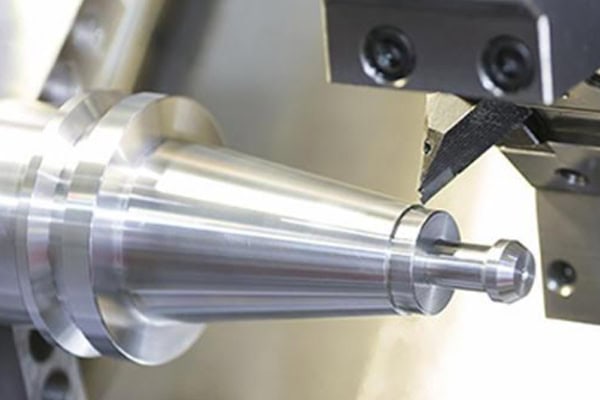
Automated Production Improves Machine Utilization
Automated loading and unloading systems can perform workpiece handling, clamping, post-machining removal, and transfer operations, reducing operator involvement in repetitive tasks. For batch aerospace component production, automation can reduce variations caused by manual clamping and allow equipment to operate more continuously.
- Shorter clamping time
- Reduced manual operations
- Higher machine utilization
- Stable production cycles
- Reduced human errors
- Continuous machining capability
- Reduced waiting time
- Improved order delivery capacity
Automated turning production makes precision aerospace component manufacturing more stable and provides continuous machine operating capacity for long-term batch production.
Quality Data Enables Production Traceability
Aerospace component manufacturing generally requires comprehensive process and inspection records. Digital production systems can record machining programs, equipment status, tool usage, production batches, and dimensional inspection results. When a quality issue occurs, production records can help identify the relevant machining operation and equipment status, allowing engineers to investigate problems and optimize the manufacturing process. Complete data management also helps manufacturers establish more standardized quality control systems and improve consistency between production batches.
CNC Turning Supports the Advancement of Aerospace Precision Manufacturing
The aerospace industry continues to develop toward lightweight construction, high performance, high reliability, and intelligent manufacturing, creating increasingly demanding requirements for precision component machining. CNC turning can manufacture aerospace engine shafts, transmission shafts, precision sleeves, hydraulic fittings, fuel system components, positioning rings, connectors, and various rotational structures. It can also process commonly used aerospace materials such as titanium alloys, superalloys, aluminum alloys, stainless steels, and alloy steels. With continued development of high-precision CNC machine tools, multi-axis machining equipment, intelligent tool management, in-process inspection, automated loading and unloading, and digital production systems, aerospace component manufacturers can achieve more stable machining accuracy and higher production efficiency. Manufacturers can optimize tool configurations, cutting parameters, workholding methods, and machining sequences according to component geometry, material properties, and precision requirements while strengthening dimensional inspection, tool life management, and process data recording. High-quality CNC turning improves dimensional consistency, assembly accuracy, and operational reliability for aerospace components, providing dependable precision manufacturing support for aircraft engines, transmission systems, hydraulic equipment, fuel systems, spacecraft, and advanced aerospace equipment.