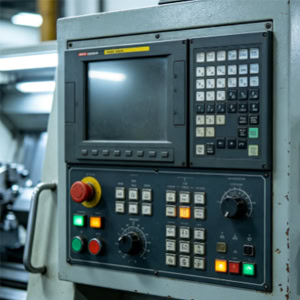
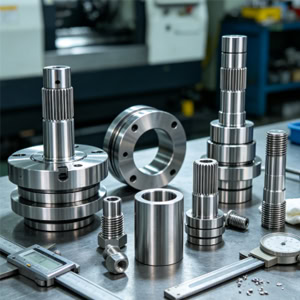
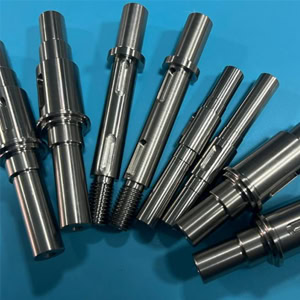
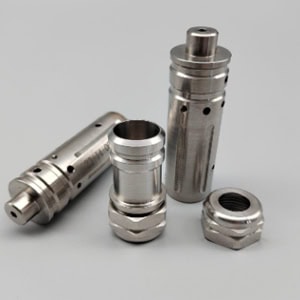
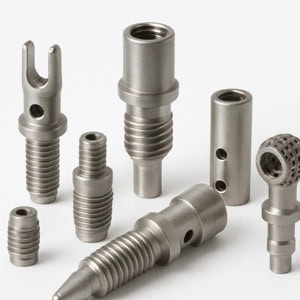
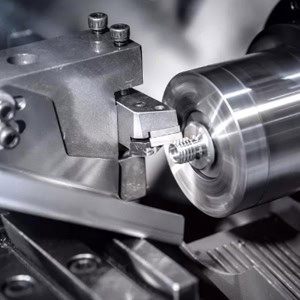
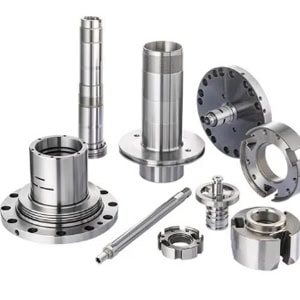
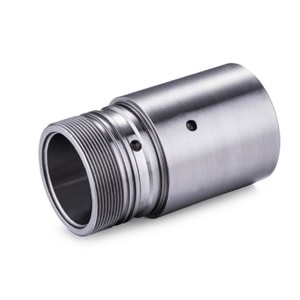
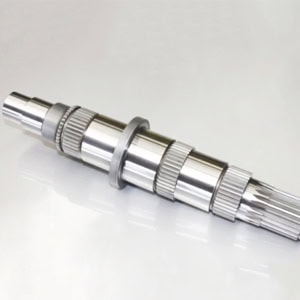
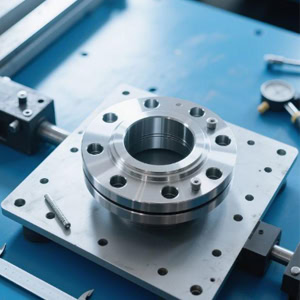
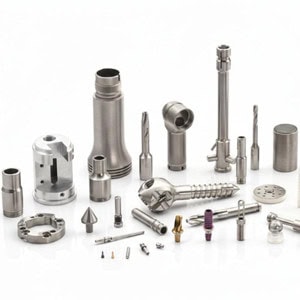
CNC turning equipment is an automated machining system that uses a computer numerical control system to manage machine movements and machining operations. The spindle rotates the workpiece while cutting tools
Material costs have a direct impact on the manufacturing cost of CNC-turned components. This is particularly important when machining stainless steel, copper alloys, titanium alloys, aluminum alloys, and high-strength alloy
With the continuous development of industrial automation, smart manufacturing, and digital production, automation equipment has increasingly high requirements for component machining accuracy, dimensional consistency, operational stability, and batch production efficiency.
The aerospace industry has extremely high requirements for component manufacturing accuracy, material performance, structural reliability, and production consistency. Aircraft engines, aerospace transmission systems, landing gear, hydraulic systems, fuel systems, satellites,
The medical device industry has strict requirements for component accuracy, material properties, surface quality, and product consistency. Surgical instruments, orthopedic devices, dental equipment, diagnostic systems, rehabilitation equipment, and medical automation
As electronic devices continue to develop toward miniaturization, high performance, and high integration, electronic components require increasingly strict standards for dimensional accuracy, surface quality, material properties, and batch consistency. Communication
Mechanical equipment is an essential part of modern industrial production. From automated production lines, construction machinery, and packaging equipment to conveying systems, machine tools, and industrial pump units, a wide
Hydraulic systems are widely used in construction machinery, industrial equipment, automotive manufacturing, agricultural machinery, aerospace, marine equipment, and automated production lines. Since hydraulic systems rely on hydraulic fluid to transfer
The robotics industry is experiencing rapid growth, with industrial robots, collaborative robots, medical robots, logistics robots, and service robots being widely adopted in smart manufacturing, healthcare, warehousing, transportation, and automated
The new energy industry is experiencing rapid growth, with electric vehicles, energy storage systems, wind power, photovoltaic equipment, and hydrogen energy technologies expanding their production capacity worldwide. These industries place
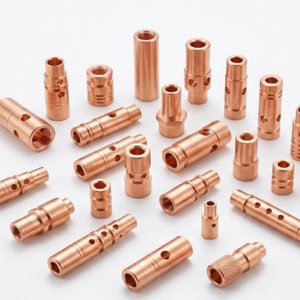
Copper and copper alloys play an essential role in modern manufacturing due to their excellent electrical conductivity, thermal conductivity, corrosion resistance, and outstanding machinability. From electronics and telecommunications to new
CNC turning has become one of the most important machining technologies in modern manufacturing. As CNC technology, automation, and intelligent manufacturing continue to advance, an increasing number of industries rely
Scroll to Top
Your 24 hour quote
Send us a message if you have any questions or request a quote. We will be back to you within 1-2 hours!