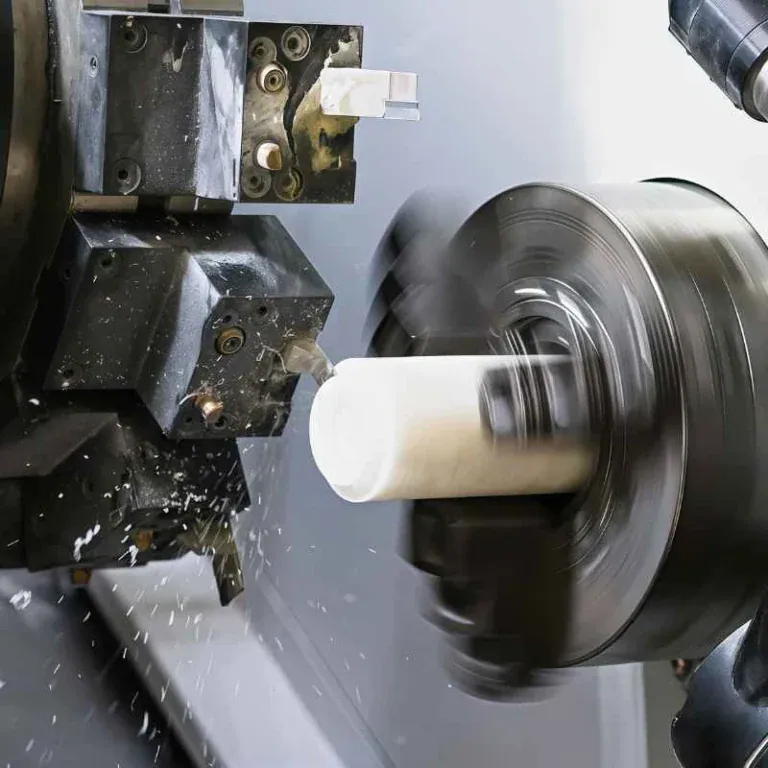
As electronic devices continue to develop toward miniaturization, high performance, and high integration, electronic components require increasingly strict standards for dimensional accuracy, surface quality, material properties, and batch consistency. Communication equipment, consumer electronics, industrial control systems, smart terminals, sensors, and automation equipment all contain numerous precision-machined metal components. Connectors, terminals, precision nuts, metal sleeves, contact components, shielding structures, and various miniature shafts often require reliable machining processes for production. CNC turning uses computer numerical control systems to control cutting tool movements and can accurately perform external turning, internal boring, facing, grooving, threading, and contour machining. It is particularly suitable for electronic components that are small, precise, and required in large quantities.
Compared with conventional manual turning, CNC turning provides programmed operation, high repeatability, and stable production cycles. Manufacturers can select appropriate cutting tools, machining parameters, and cooling methods according to material characteristics and component structures to achieve consistent dimensional accuracy and surface quality. For electronic component manufacturers, CNC turning improves production efficiency while reducing dimensional variations caused by manual operations, lowering rework rates and material waste. When combined with automated loading and unloading, automatic tool changing, in-process inspection, and tool compensation, CNC turning can further enhance the high-volume manufacturing capability of small precision electronic components.
CNC Turning Is Suitable for Electronic Connector Manufacturing
Connectors are fundamental components in electronic equipment and are used to establish mechanical and electrical connections between circuits. Metal terminals, pins, sockets, connection posts, and precision sleeves inside connectors are usually small in size but require high dimensional accuracy, surface quality, and electrical performance. CNC turning can reliably perform external diameter, internal bore, end-face, groove, and threading operations, providing a stable dimensional foundation for subsequent assembly and surface treatment.
Precision Terminal Machining
Electronic terminals must maintain stable dimensions and reliable contact conditions. Their external diameter, length, and local structural features can directly affect final assembly performance. CNC turning uses precision programs to control the machining path, allowing terminals produced in large batches to maintain excellent consistency.
- Connection terminals
- Pin terminals
- Socket terminals
- Precision contact components
- Conductive connection posts
- Miniature metal terminals
High-precision terminals improve connection stability inside electronic equipment and reduce dimensional mismatch during assembly.
Connector Sleeve Machining
Connector sleeves commonly contain internal bores, external diameters, positioning grooves, and end faces. The dimensional relationship between the internal and external surfaces directly affects connector assembly accuracy.
CNC turning can continuously machine internal and external surfaces while controlling critical dimensions during finishing operations. Stable machining quality provides excellent concentricity and surface finish, which is particularly valuable for high-volume connector manufacturing.
CNC Turning Is Widely Used for Precision Electronic Hardware
Electronic equipment contains numerous precision hardware components that are typically small, structurally complex, and required in large quantities. CNC turning uses high-precision cutting tools and numerical control programs to manufacture small structural features and meet the demanding requirements of electronic products.
Precision Nut and Threaded Component Machining
Electronic equipment frequently uses precision nuts, studs, and threaded components for structural fastening. Thread dimensions and profile accuracy directly affect assembly strength and equipment stability.
- Precision nuts
- Miniature studs
- External threaded components
- Internal threaded sleeves
- Positioning threaded components
- Special-specification threaded components
CNC turning can accurately control thread pitch, cutting depth, and tool movement, allowing threaded components to maintain stable dimensions and meet the requirements of high-volume electronic assembly.
Miniature Shaft Machining
Sensors, miniature motors, precision actuators, and electronic control equipment may contain various small shaft components. These parts commonly require excellent concentricity, roundness, and surface quality.
- Miniature motor shafts
- Sensor shafts
- Precision rotating shafts
- Miniature drive shafts
- Positioning shafts
- Small connecting shafts
Precision CNC turning provides accurate control over critical shaft dimensions, improves rotational stability, and enhances the reliability of motion mechanisms inside electronic equipment.
CNC Turning Is Suitable for Metal Structural Components in Electronic Equipment
In addition to connectors and precision hardware, electronic products contain numerous metal structural components. These parts are used to secure circuit boards, protect internal components, establish structural connections, and improve equipment heat dissipation. CNC turning can manufacture different types of metal sleeves, support posts, retaining rings, and connection structures according to product designs.
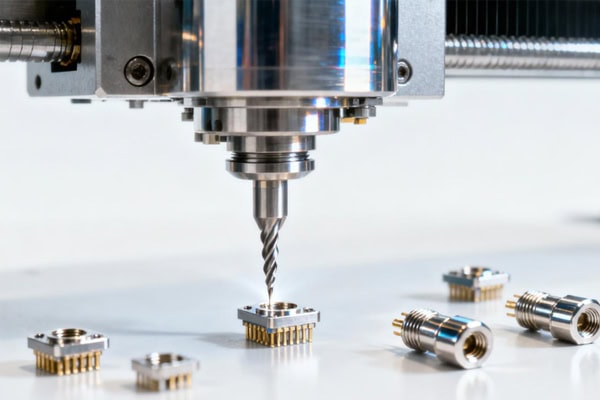
Metal Support Post Machining
Support posts are commonly used for mounting circuit boards and electronic modules. Their length, external diameter, and threaded structures must remain consistent. CNC turning can complete several critical features in a single machining process, improving production efficiency.
- PCB support posts
- Circuit board mounting posts
- Metal spacer posts
- Equipment mounting posts
- Precision positioning posts
- Threaded support components
Consistent support post dimensions reduce assembly errors between electronic modules and improve the reliability of internal equipment structures.
Shielding Sleeve and Metal Sleeve Machining
Some electronic devices require metal shielding structures to reduce electromagnetic interference. Shielding sleeves and metal sleeves typically require good roundness, concentricity, and surface quality to ensure reliable installation and mating performance.
CNC turning can produce sleeves with different diameters according to technical drawings while controlling internal and external dimensions. For high-volume production, standardized programs help maintain excellent consistency between different production batches.
CNC Turning Supports Different Materials for Electronic Components
Electronic components often require materials that combine electrical conductivity, mechanical strength, corrosion resistance, and machinability. Common materials include brass, copper, stainless steel, aluminum alloys, and certain engineering plastics. Since these materials have different cutting characteristics, appropriate tools and machining parameters must be selected for each material.
Brass Electronic Component Machining
Brass offers excellent electrical conductivity, corrosion resistance, and machinability, making it a common material for precision electronic connectors. Its relatively low cutting resistance makes it suitable for high-speed CNC turning.
- Electronic connectors
- Conductive terminals
- Precision nuts
- Electrical fittings
- Connection posts
- Instrument connectors
Appropriate turning parameters reduce tool wear, improve machining efficiency, and maintain consistent dimensions for terminals and connectors.
Aluminum Alloy Electronic Component Machining
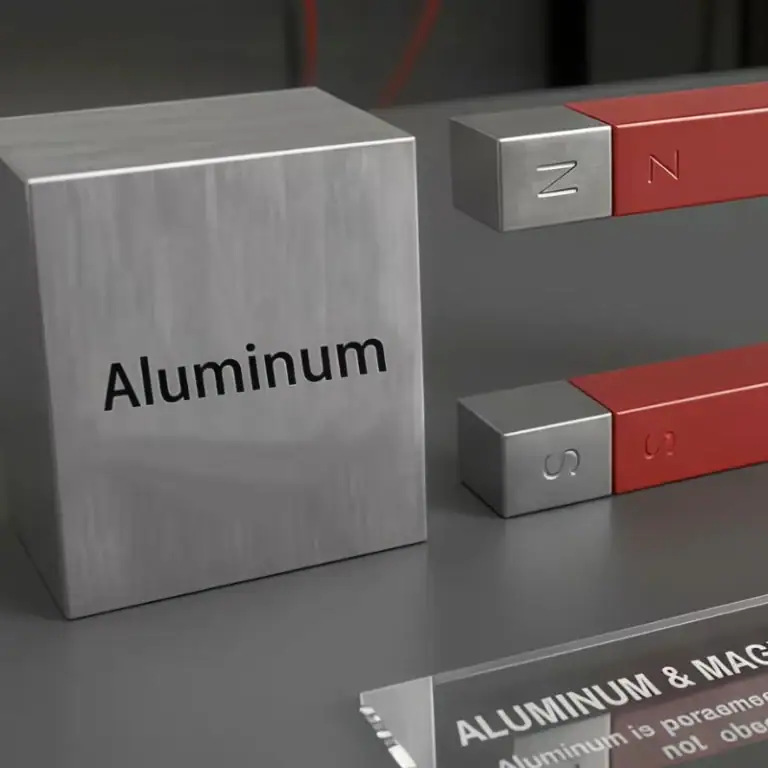
Aluminum alloys are lightweight, offer good thermal conductivity, and provide high machining efficiency. They are commonly used for electronic equipment housing components, supports, and precision structural parts.
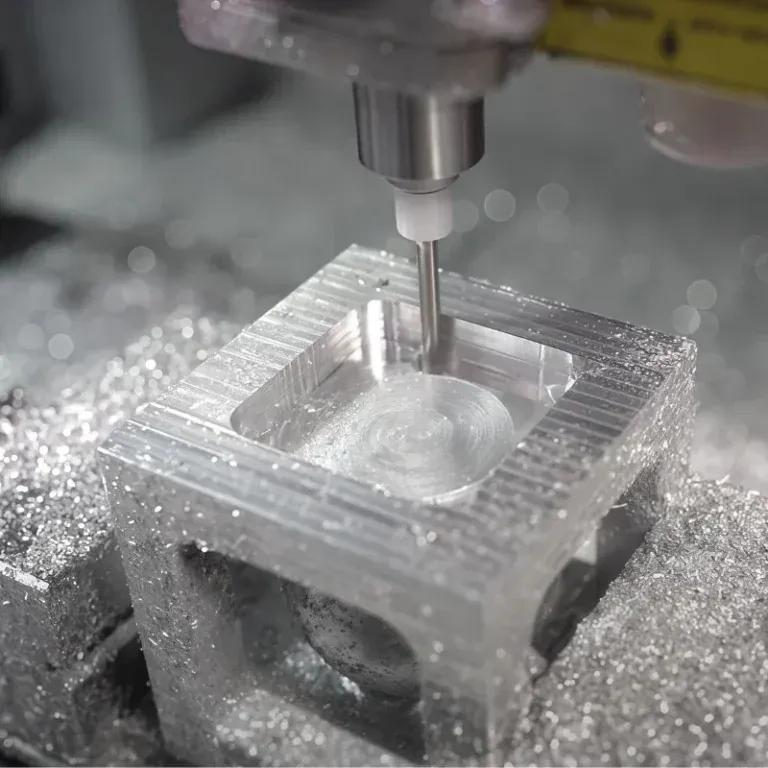
During machining, attention should be given to chip evacuation, built-up edge formation, and surface quality. Using sharp cutting tools and appropriate cutting speeds can produce excellent surface finishes while improving batch production efficiency.
Stainless Steel Electronic Component Machining
Stainless steel provides excellent corrosion resistance and mechanical strength, making it suitable for precision components used in industrial electronics, communication equipment, and demanding operating environments.
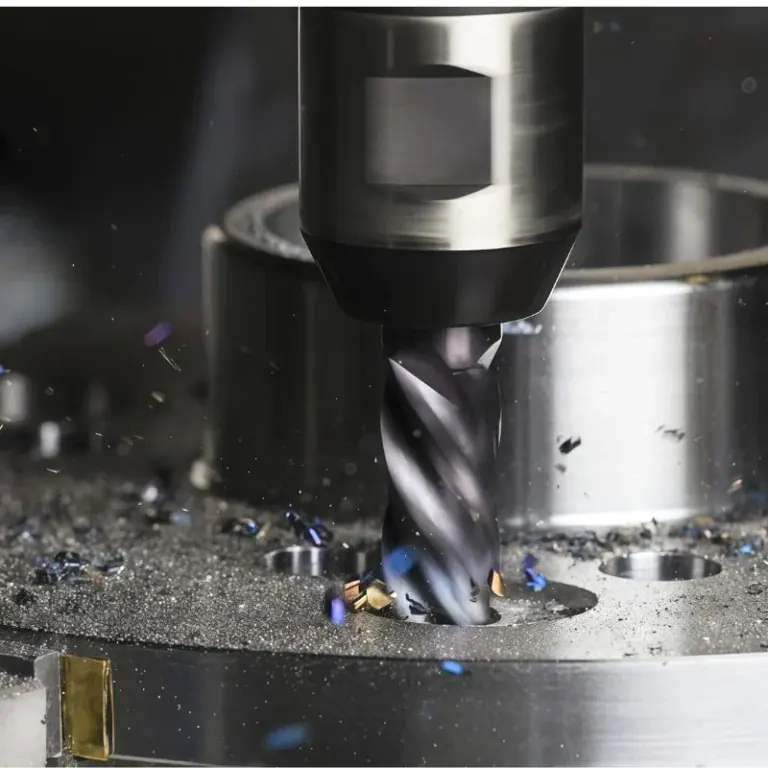
Stainless steel machining can generate work hardening and cutting heat, requiring careful control of tool condition, cutting speed, and feed rate. Stable machining parameters reduce abnormal tool wear and improve dimensional consistency.
CNC Turning Improves Electronic Component Mass Production Efficiency
Electronic products have short development and replacement cycles, while connectors, terminals, and precision hardware components are often required in large quantities. CNC turning uses digital programs to repeatedly execute identical machining paths, making it highly suitable for mass production. Automatic tool-changing systems reduce downtime associated with tool replacement, while automated loading and unloading reduces manual clamping and part removal time.
In-process inspection technology can also monitor critical dimensions of electronic components in real time. When tool wear causes gradual dimensional deviations, tool compensation values can be adjusted promptly to reduce the probability of producing large quantities of defective components. Production management systems can record machining time per part, tool life, equipment status, and inspection data, providing useful information for subsequent process optimization.
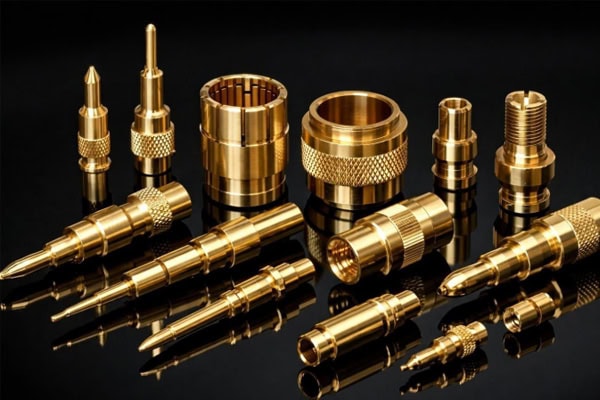
Key Applications and Benefits of CNC Turning in Electronic Component Manufacturing
Proper application of CNC turning can improve electronic component production efficiency and product consistency.
- Improved dimensional accuracy
- Better surface quality
- More stable connector machining
- Higher threading accuracy
- Reduced manual operating errors
- Shorter high-volume production cycles
- Reduced material waste
- Lower rework and scrap rates
- Higher machine utilization
- Support for automated production
- Support for customized component machining
Stable CNC machining processes allow electronic components to maintain reliable quality during high-volume production while reducing manufacturing costs and providing precision component support for continuous electronic product manufacturing.
CNC Turning Drives Electronic Component Manufacturing Toward Miniaturization
Electronic products are developing toward smaller sizes, lighter structures, higher integration, and improved performance. As component dimensions continue to shrink, increasingly sophisticated precision machining equipment is required. CNC turning can manufacture miniature shafts, precision terminals, connectors, nuts, sleeves, support posts, and various small metal structural components, giving it significant value in electronic component manufacturing.
With continued advances in high-precision CNC machines, miniature cutting tools, automated loading and unloading, in-process measurement, and intelligent tool management, electronic component manufacturing can achieve higher levels of automated production. Manufacturers can optimize tool configurations and cutting parameters according to component materials, structural dimensions, and accuracy requirements, improving production efficiency and product consistency. High-quality CNC-turned components can enhance assembly accuracy, connection reliability, and structural stability in electronic equipment, providing dependable precision machining support for communication equipment, consumer electronics, industrial control systems, sensors, smart terminals, and automated electronic products.