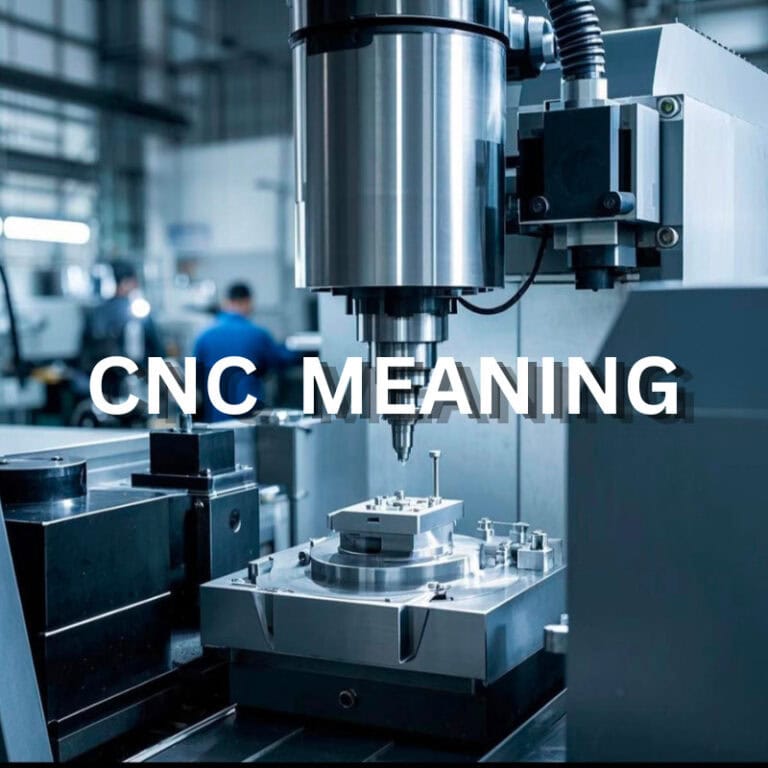
The reliable operation of industrial machinery often depends on how accurately its components are manufactured. Poor shaft and sleeve fits can cause vibration during operation, misaligned mounting holes can lead to repeated assembly adjustments, and inadequate surface quality can accelerate component wear. For industrial equipment manufacturers, precision machining involves more than reproducing the shapes shown in engineering drawings. It also requires control over dimensional tolerances, material properties, assembly requirements, and service life. A well-planned CNC machining solution helps maintain critical dimensions, reduce repeated setups, and produce custom parts that fit equipment structures more accurately while lowering rework and production costs.
What Are the Common Machining Requirements for Industrial Machinery Precision Parts?
Components used in automated production lines, pump and valve systems, transmission equipment, and packaging machinery vary considerably. Some parts must withstand continuous loads, while others require precise fits with bearings or seals. Certain components also need accurate positional relationships between multiple holes. Defining the part’s function, installation method, and operating environment before machining helps determine the right process and prevents unnecessary machining costs that fail to solve actual assembly problems.

CNC Machining for Industrial Machinery Shafts and Connectors
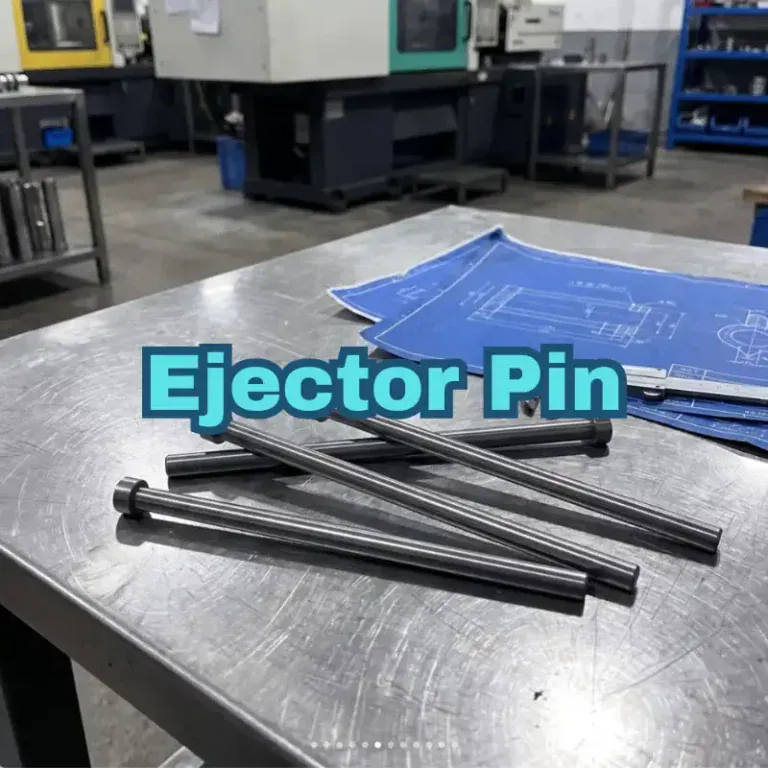
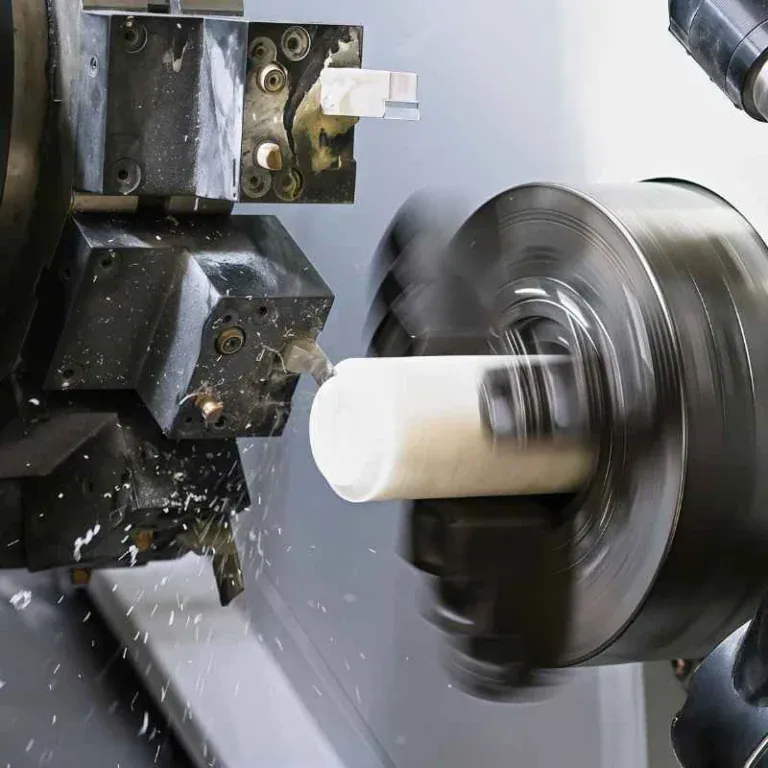
Drive shafts, sleeves, couplings, and connecting flanges are commonly used in mechanical transmission systems. Their machining requirements often focus on outer diameter, concentricity, end-face accuracy, and fit dimensions. CNC turning is suitable for rotational components, while parts with keyways, cross-holes, or mounting flats may require additional milling and drilling operations.
When machining these components, particular attention should be paid to:
- Shaft diameter and fit dimensions: Prevent fits that are excessively loose or tight.
- Concentricity: Reduce runout and vibration during operation.
- Surface roughness: Minimize friction and wear on mating surfaces.
Machining Mounting Bases, Support Brackets, and Complex Structural Parts
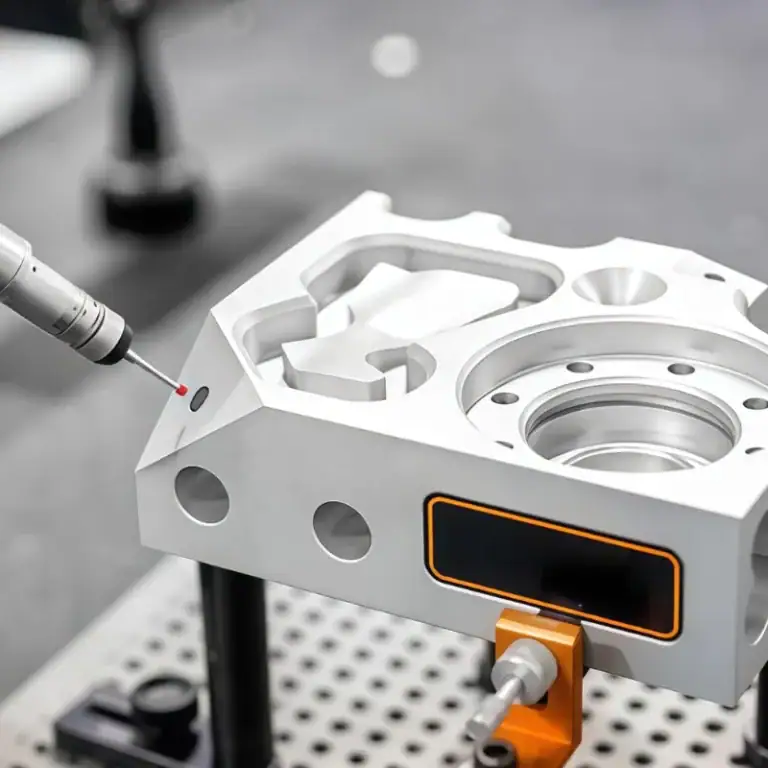
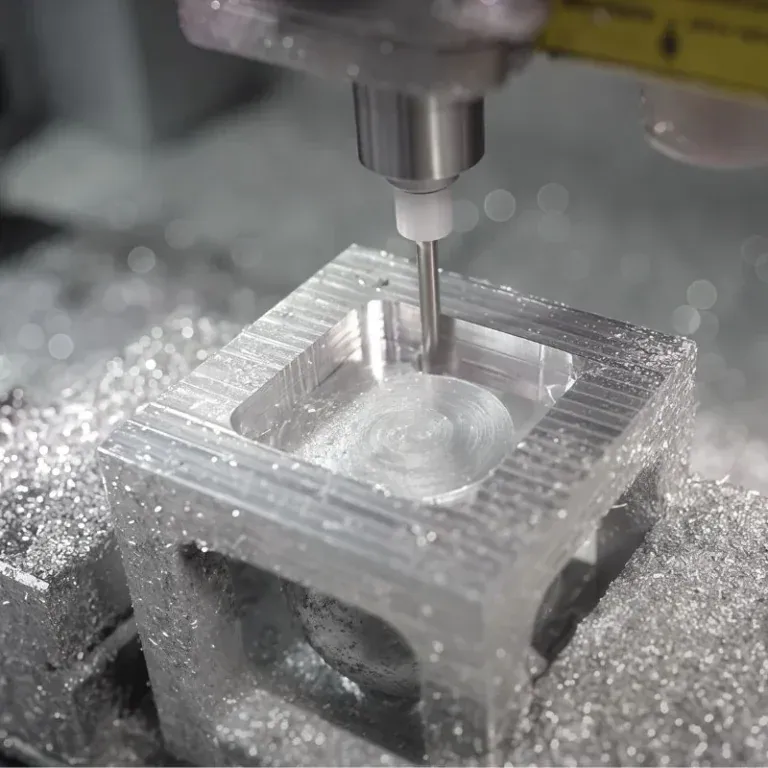
Mounting bases and support brackets often contain multiple holes, steps, grooves, and locating surfaces. Even a small deviation in hole spacing can affect the installation of motors, linear guides, or sensors. CNC milling can produce different profiles through programmed toolpaths, while consistent locating datums help maintain accurate relationships between hole positions. For more complex components, tool accessibility and potential fixture interference should also be checked before machining begins.
Thin-wall brackets, precision housings, and multi-hole mounting plates have different requirements. Thin-wall parts need carefully controlled clamping forces to prevent deformation. Housings require attention to internal cavities, wall thickness, and interface dimensions, while mounting plates need accurate hole spacing and flatness.
Common Types of Industrial Machinery Precision Parts and Their Machining Requirements
| Part Type | Key Machining Requirements | Common Processes |
| Drive shafts and sleeves | Outer diameter, concentricity, fit dimensions | CNC turning |
| Mounting bases and fixing brackets | Hole spacing, flatness, mounting positions | CNC milling, drilling |
| Pump and valve components | Internal bores, sealing surfaces, flow passages | Turning, milling, boring |
| Automation connectors | Multiple hole positions, profile accuracy | CNC milling, multi-axis machining |
| Precision housings | Internal cavities, wall thickness, interface dimensions | Milling, drilling, boring |
Not every dimension needs the tightest possible tolerance. Critical dimensions that affect assembly and operation should be controlled closely, while non-critical features can use reasonable tolerances to avoid unnecessary machining costs.
How Can CNC Machining Maintain Dimensional Accuracy for Industrial Machinery Precision Parts?
Machining errors can result from positioning, clamping, cutting forces, and material behavior. Successful assembly depends on more than checking individual dimensions; the relationships between holes, flat surfaces, and mating features must also be considered. For production runs, maintaining consistent process routes and inspection standards helps reduce dimensional variation between batches.
How Can Machining Errors and Assembly Problems Be Reduced?
For bearing housings, mounting plates, and connectors, the main machining datums should be defined before production. Unnecessary repeated setups should be minimized, and in-process inspections should be scheduled for critical dimensions. Parts with multiple holes also require checks of the positional relationships between holes, rather than simply confirming that each hole diameter meets the specification.
- Use consistent machining datums: Reduce errors caused by repeated positioning.
- Control critical hole positions: Ensure connecting components can be installed accurately.
- Check mating dimensions: Prevent poor fits between shafts, bores, and seals.
- Maintain inspection records: Verify consistency across production batches.
When a component must fit existing equipment, providing interface dimensions or an assembly drawing helps prevent a part from meeting its individual specifications but failing to fit the surrounding components.
How Should Precision Parts Made from Different Materials Be Machined?
Material selection affects tool choice, cutting speed, surface quality, and overall cost. Aluminum alloys are generally easy to machine, but thin-wall structures can still deform. Stainless steel requires careful control of cutting heat and tool wear, while carbon steel and alloy steel require attention to material condition and heat-treatment requirements.
- Aluminum alloys: Suitable for lightweight brackets and equipment housings; thin-wall deformation must be controlled.
- Stainless steel: Commonly used for corrosion-resistant parts; cutting heat needs careful management.
- Carbon steel and alloy steel: Suitable for load-bearing and transmission components; material condition and machining allowance are important.
- Engineering plastics: Used in certain insulation and corrosion-resistant applications; excessive clamping force should be avoided.
Material selection should account for more than the raw material price. The component’s loading conditions, operating environment, and expected service life also influence the final choice.
Which CNC Machining Processes Are Suitable for Industrial Machinery Precision Parts?
| Machining Process | Suitable Components | Key Areas of Control |
| CNC turning | Shafts, sleeves, flanges | Outer diameter, end faces, concentricity |
| CNC milling | Mounting plates, grooves, stepped features | Flatness, profiles, hole positions |
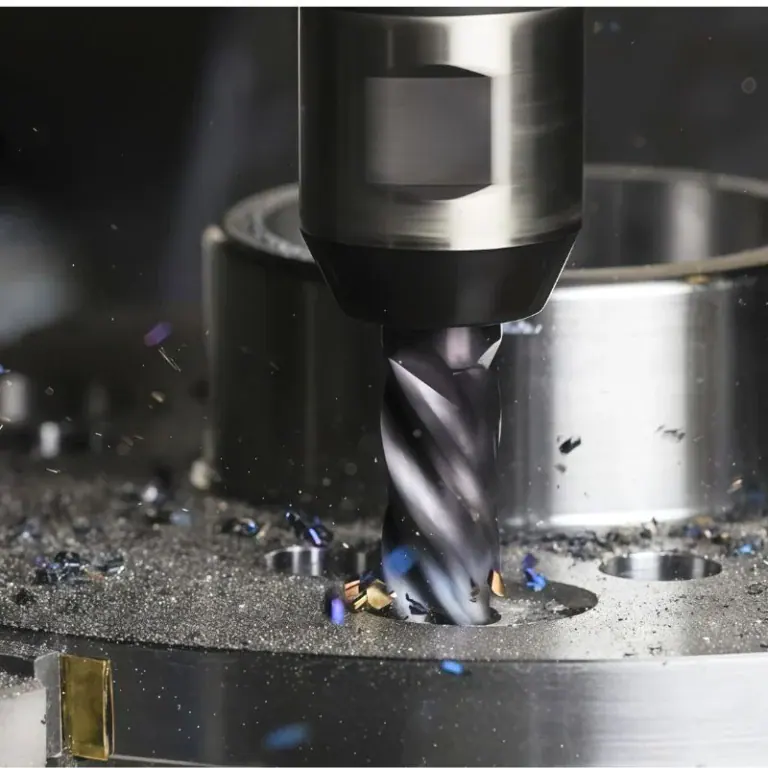
| Drilling and boring | Mounting holes, precision bores | Hole diameter, depth, positional accuracy |
| Multi-axis CNC machining | Complex surfaces, multi-directional features | Reducing repeated setups |
| Precision grinding | High-accuracy shafts and mating surfaces | Final dimensions and surface quality |
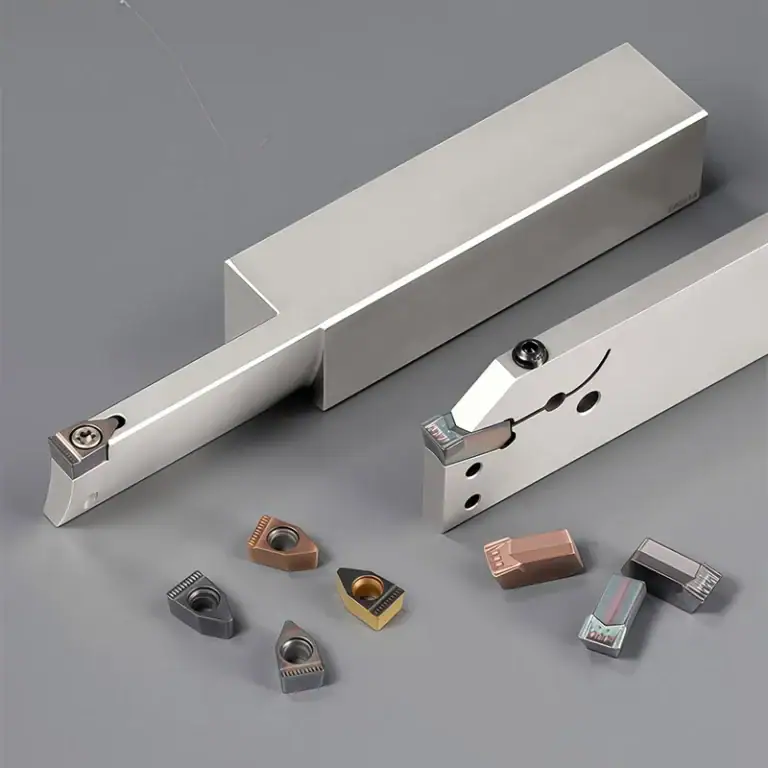
Process selection should take component geometry, tolerances, production volume, and available equipment into account. Simple parts may not need additional operations, while multi-face components or complex curved surfaces may benefit from multi-axis machining to reduce setup time and positioning errors. Precision finishing or grinding can also be used for mating surfaces with demanding accuracy requirements.
What Should Be Considered When Quoting, Inspecting, and Delivering Industrial Machinery Precision Parts?
Machining costs are not determined by part size alone. Material, structural complexity, tolerances, surface treatments, and inspection requirements all affect the final price. Preparing complete technical documentation makes it easier to evaluate machining difficulty and reduces the likelihood of changes after production has started.

What Information Is Needed for a CNC Machining Quote?
Before requesting a quote, prepare the part drawings, material specifications, and order requirements. This information helps establish a machining plan that reflects the actual production needs.
- Engineering drawings: Provide 2D drawings or 3D models showing critical dimensions and tolerances.
- Material requirements: Specify the material grade and heat-treatment condition.
- Surface treatments: State requirements for coatings, anodizing, or rust prevention.
- Order quantity: Clarify whether the job involves a prototype or batch production.
- Delivery requirements: Specify inspection reports, material certificates, and packaging needs.
For parts used in transmission systems, sealing applications, or precision positioning, explain their intended function as well. This helps assess process complexity and identify the dimensions that require the closest control.
How Should Industrial Machinery Precision Parts Be Inspected?
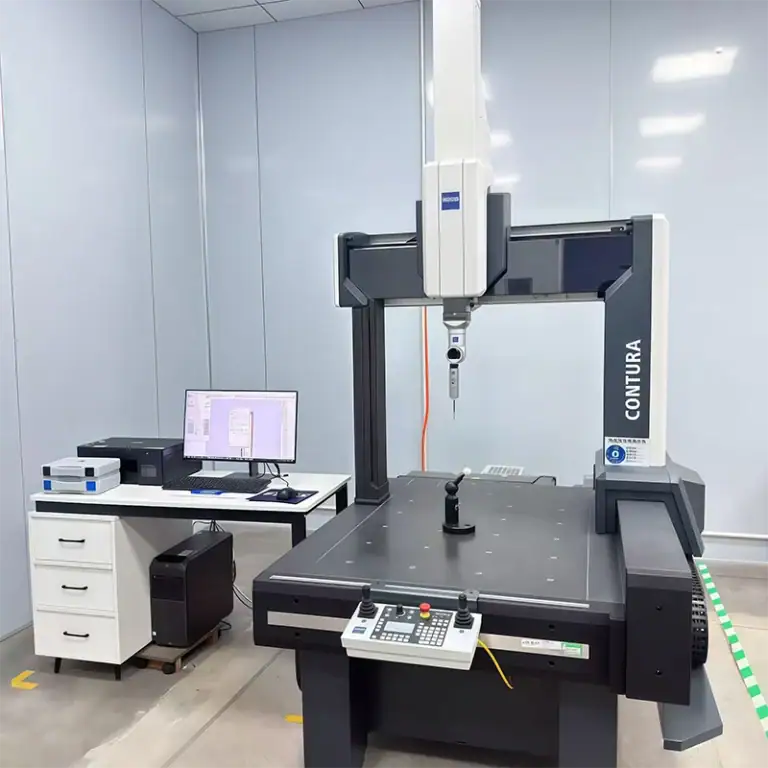
Inspection should go beyond checking whether the part looks well finished. The component must also comply with the engineering drawing and assembly requirements. Different parts have different inspection priorities, so critical dimensions should be identified before machining begins.
- Check outer diameters, internal bores, hole spacing, and specified tolerances.
- Verify that threads, mating surfaces, and sealing surfaces meet requirements.
- Inspect for burrs, surface damage, and the condition of rust-prevention treatments.
- Provide dimensional inspection reports or material certificates when required.
For batch production, first-article inspection, sampling, or full-inspection requirements should be agreed upon in advance to reduce quality differences between batches.
How Can Rework Be Reduced and Delivery Kept on Schedule?
Rework does not always result from machining errors. Incomplete drawings, unclear material requirements, and overlooked assembly conditions can also cause delays. Resolving these issues before production helps prevent avoidable waiting time.
- Confirm critical tolerances early: Avoid discovering dimensional conflicts after machining is complete.
- Define delivery milestones: Allow sufficient time for programming, machining, inspection, and surface treatment.
- Keep technical documents consistent: Confirm the latest drawing revision whenever specifications change.
- Protect parts during packaging: Prevent finished surfaces from being damaged by impacts during handling and transportation.
Precision machining for industrial machinery requires both accurate dimensions and reliable assembly under actual operating conditions. Clearly defining drawings, tolerances, materials, and inspection requirements helps reduce rework and keep production on schedule. TIRAPID provides custom CNC machining services and evaluates machining solutions based on industrial component drawings, materials, and accuracy requirements. Submit your part specifications to request a machining quote.