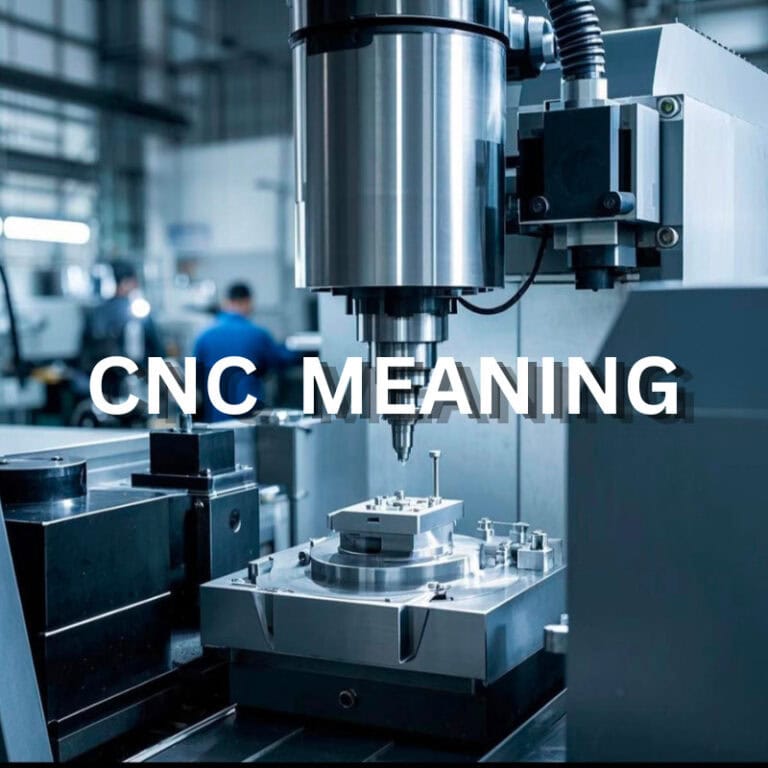
CNC is one of the core technologies behind modern manufacturing. It allows machines to follow programmed instructions and produce parts with controlled dimensions, repeatable movements, and less dependence on manual operation. From simple brackets and shafts to complex aerospace and medical components, CNC equipment is widely used wherever accuracy and production consistency matter.
This guide explains CNC meaning in manufacturing, what CNC stands for, how CNC machines work, the main machining processes, materials, advantages, limitations, and industrial applications. It also compares CNC machining with manual machining and explains when CNC is the better manufacturing choice.
What Does CNC Mean In Manufacturing?
CNC stands for Computer Numerical Control. In manufacturing, CNC means using computer-controlled instructions to operate machine tools automatically. Instead of relying on an operator to guide every movement manually, the machine follows programmed coordinates, speeds, feeds, tool changes, and machining sequences.
What Does CNC Stand For?
CNC stands for Computer Numerical Control. “Computer” refers to the control system that reads and processes the program. “Numerical” refers to the coded position, speed, distance, and movement values contained in the program. “Control” describes how those instructions direct the machine.
A CNC program tells the machine where the tool or workpiece should move and what operation should happen at each stage. The program can control axis movement, spindle speed, feed rate, tool changes, coolant, drilling cycles, and other functions.
This is the core answer to what does CNC mean: it is a method of controlling manufacturing equipment using digital instructions rather than depending entirely on continuous manual control.
CNC Meaning In Engineering And Metal Manufacturing
In engineering, CNC usually refers to programmable manufacturing equipment used to cut, drill, turn, grind, or otherwise shape a material. The same principle can also be applied to laser cutting, plasma cutting, waterjet cutting, and other automated processes.
The CNC meaning in metal manufacturing is particularly important because metal parts often require accurate dimensions and repeatable machining. CNC equipment can machine aluminum, steel, stainless steel, titanium, brass, copper, and many other alloys.
For engineers, CNC is not simply a type of machine. It represents a complete manufacturing method that connects digital design, programming, tooling, machine motion, and inspection.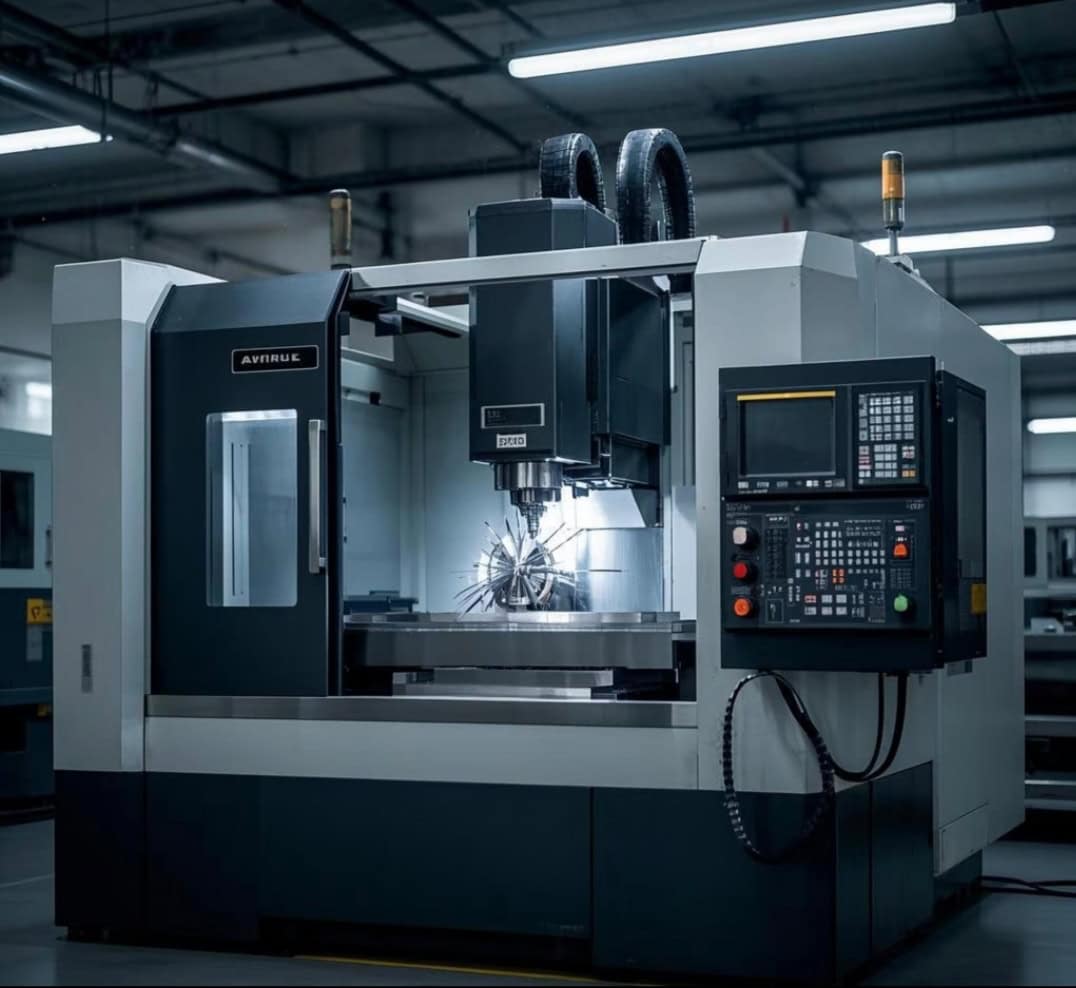
CNC Vs NC: What Changed With Computer Control?
Before modern CNC systems, numerical control machines used punched tape, cards, or other fixed input methods to store commands. These systems automated movement but were more difficult to edit and less flexible than computer-based controls.
CNC introduced programmable computers into the process. Operators could edit programs, store multiple jobs, use more complex machining cycles, and integrate machines with CAD and CAM software.
This change made manufacturing more flexible. Programs could be revised quickly when part geometry changed, making it easier to produce custom parts, prototypes, and repeat production.
What Is A CNC Machine?
A CNC machine is a programmable manufacturing machine that follows digital instructions to control movement and machining operations. Depending on the machine type, it may rotate a cutting tool, rotate the workpiece, move several axes simultaneously, or control other processes such as grinding or cutting.
How CNC Machines Turn Digital Instructions Into Motion
A CNC machine receives commands that define where its axes should move and how fast they should move. Servo motors and drive systems then convert those commands into controlled mechanical motion.
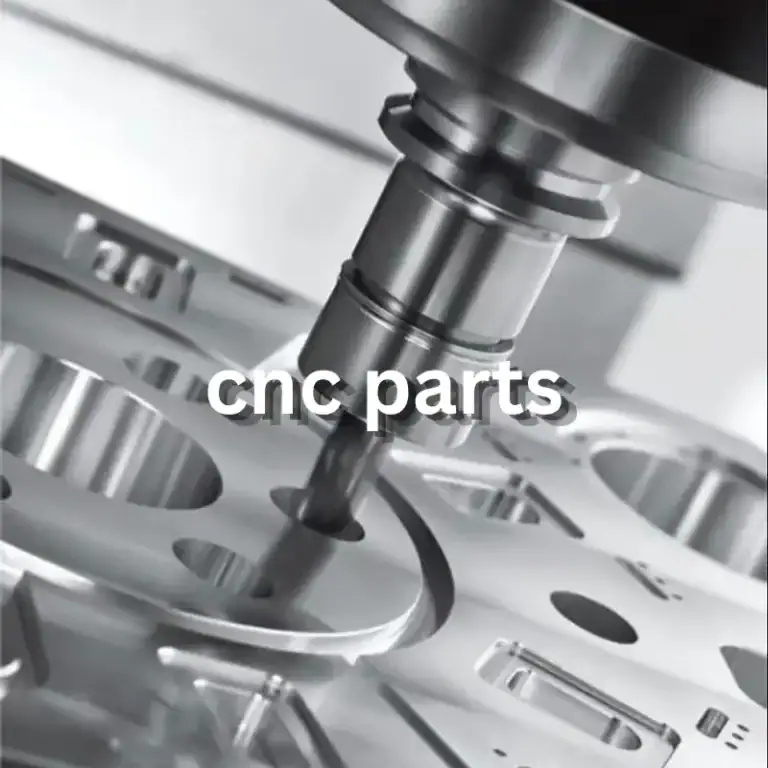
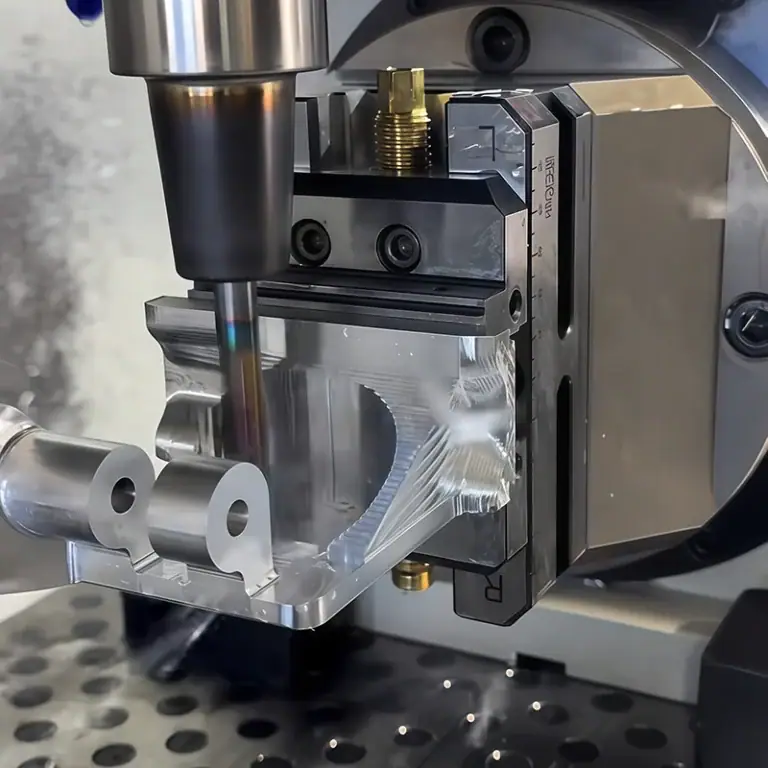
For example, a milling machine may move along X, Y, and Z axes while the spindle rotates a cutting tool. A CNC lathe usually rotates the workpiece while cutting tools move along programmed axes.
Position feedback systems help the controller compare commanded movement with actual machine position. This closed-loop control supports repeatability and allows the machine to follow programmed paths accurately.
Main Parts Of A CNC Machine
Most CNC machines include a control unit, machine structure, drive system, axes, spindle or cutting head, workholding system, tooling, and feedback devices.
The controller reads the CNC program. The spindle provides rotational cutting motion in milling or rotates the workpiece in turning. Linear axes position the tool or workpiece, while fixtures, vises, chucks, or collets hold the material securely.
Additional systems such as automatic tool changers, coolant, probing, chip removal, and part measurement can make production more automated and stable.
What CNC Machines Can Produce
CNC machines can manufacture simple and complex parts in a wide range of sizes. Common examples include brackets, housings, shafts, plates, manifolds, fixtures, connectors, inserts, and structural components.
More advanced machines can produce complex surfaces, angled holes, deep pockets, thin walls, and features on several sides in one setup.
The final capability depends on machine type, number of axes, available tools, material, setup, and tolerance requirements rather than on the term CNC alone.
How Does CNC Machining Work?
CNC machining follows a digital-to-physical workflow. A part is designed in CAD, converted into machining operations in CAM, translated into CNC code, set up on the machine, cut under controlled conditions, and finally inspected to confirm that it meets the drawing.
Step 1: Create The CAD Design
The process usually begins with a 3D CAD model, a 2D engineering drawing, or both.
The model defines the part geometry, while the drawing may specify dimensions, tolerances, threads, surface finish, material, and other technical requirements.
Before programming, the manufacturer reviews these files to identify difficult features, critical tolerances, and any design details that may affect machining.
Step 2: Build CAM Toolpaths
CAM software is used to plan how cutting tools will remove material.
The programmer selects tools, roughing and finishing strategies, cutting depths, stepovers, feeds, speeds, and entry or exit motions.
A good toolpath removes material efficiently while controlling cutting force, tool wear, surface finish, and collision risk.
Step 3: Generate CNC Code
Once toolpaths are complete, a post-processor converts them into machine-readable CNC code.
This code contains commands for axis movement, spindle speed, feed rate, tool changes, coolant, and other machine functions.
The post-processor must match the target machine and control system. A toolpath that is correct in CAM can still cause problems if the generated code is not suitable for the machine.
Step 4: Set Up The Machine, Tools, And Workpiece
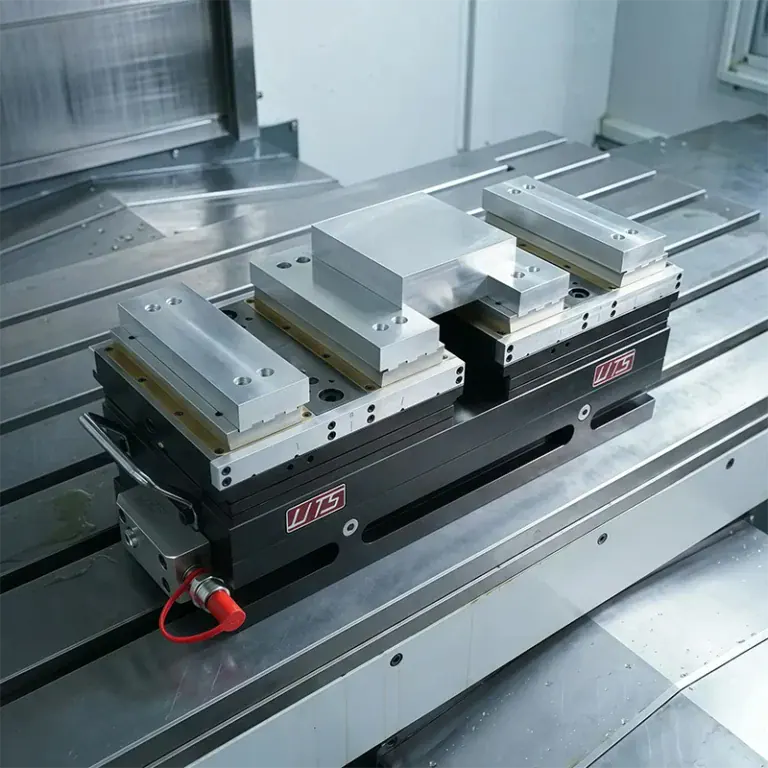
The workpiece is secured using a vise, chuck, soft jaws, fixture, or another workholding method.
Tools are loaded and measured, and work coordinates are established so the machine knows where the part is located.
Setup accuracy is essential. A correct program cannot compensate for an incorrectly positioned workpiece or wrong tool offset.
Step 5: Run The CNC Machining Process
The machine executes the program and removes material in the planned sequence.
Operators monitor cutting conditions, tool wear, chip formation, vibration, coolant, and machine behavior.
For a new program, simulation, dry running, or single-block execution is often used before full-speed cutting to reduce risk.
Step 6: Inspect The Finished Part
After machining, the part is inspected against the engineering drawing.
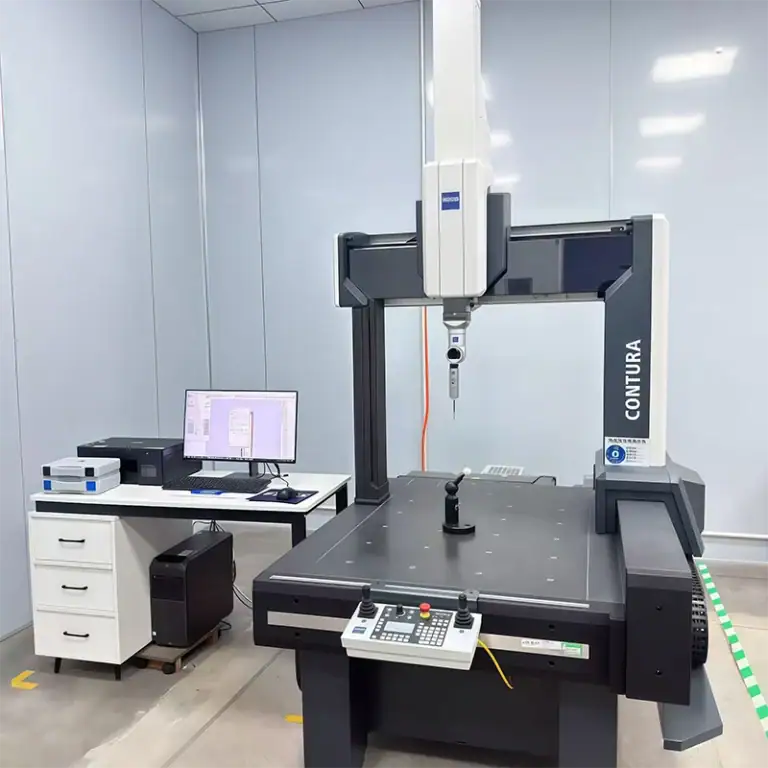
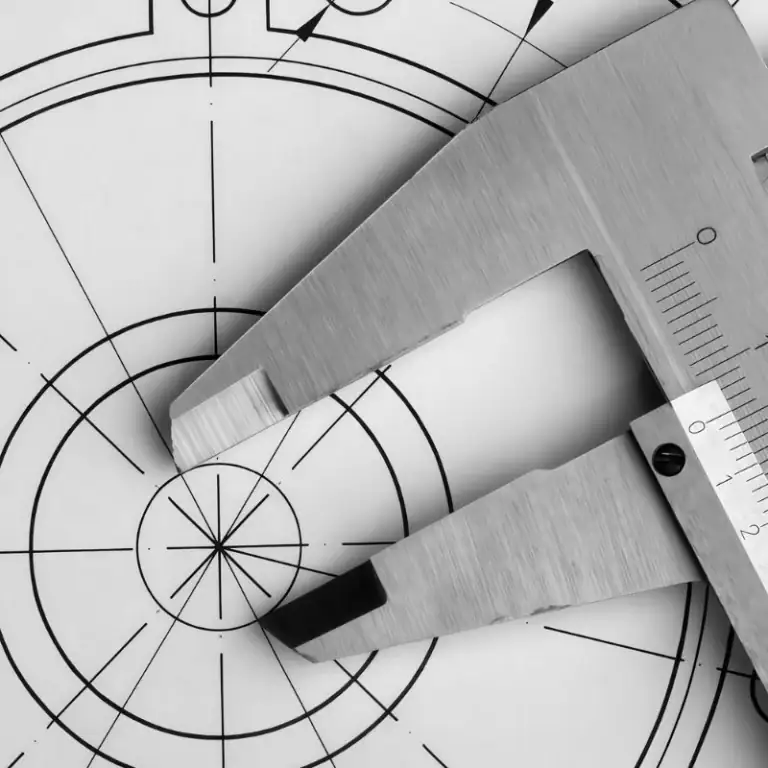
Basic dimensions may be checked with calipers and micrometers, while more complex geometric requirements may require a coordinate measuring machine, height gauge, or optical system.
Inspection results can also guide tool-offset corrections or process adjustments before additional parts are produced.
What Are The Main CNC Machining Processes?
CNC manufacturing includes several machining and cutting processes. Milling and turning are the most common, while drilling, tapping, grinding, boring, multi-axis machining, and CNC-controlled cutting systems are used when part geometry requires them.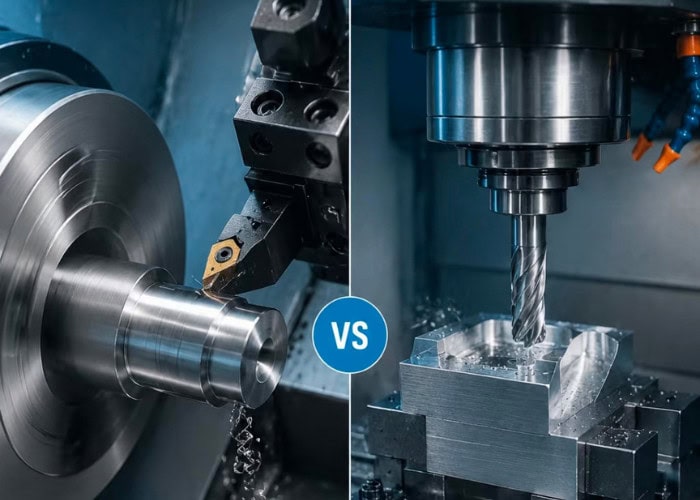
CNC Milling
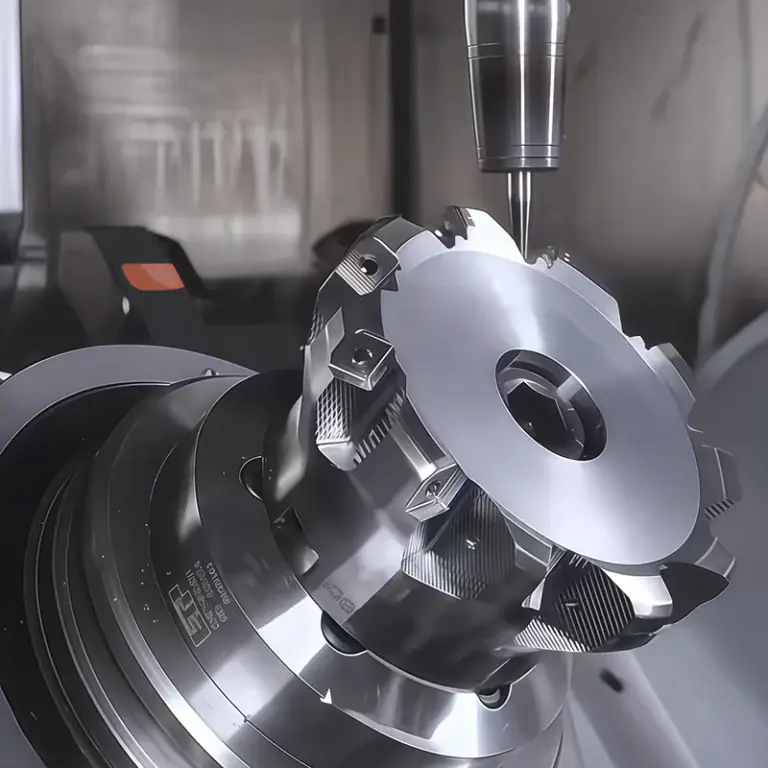
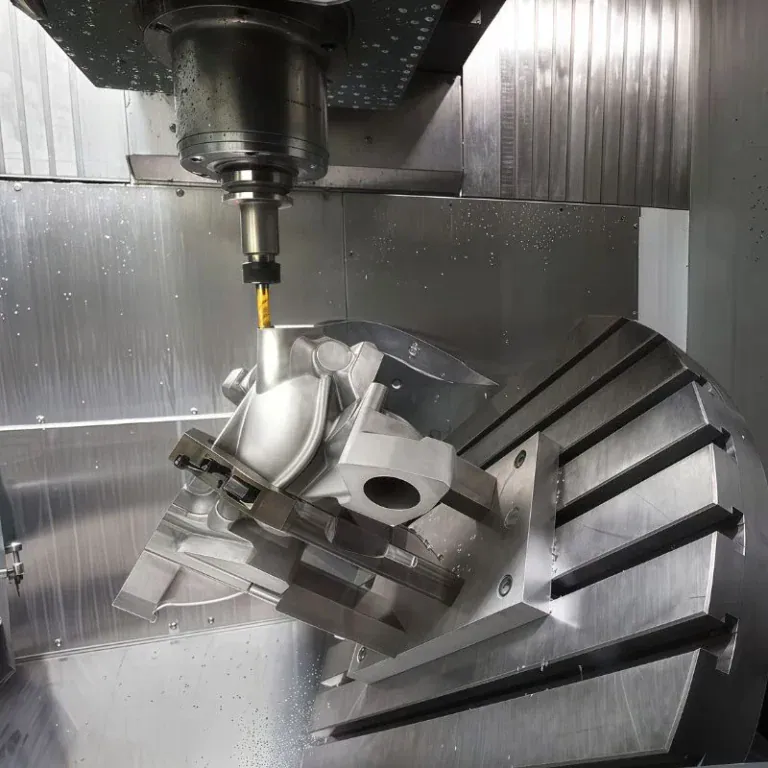
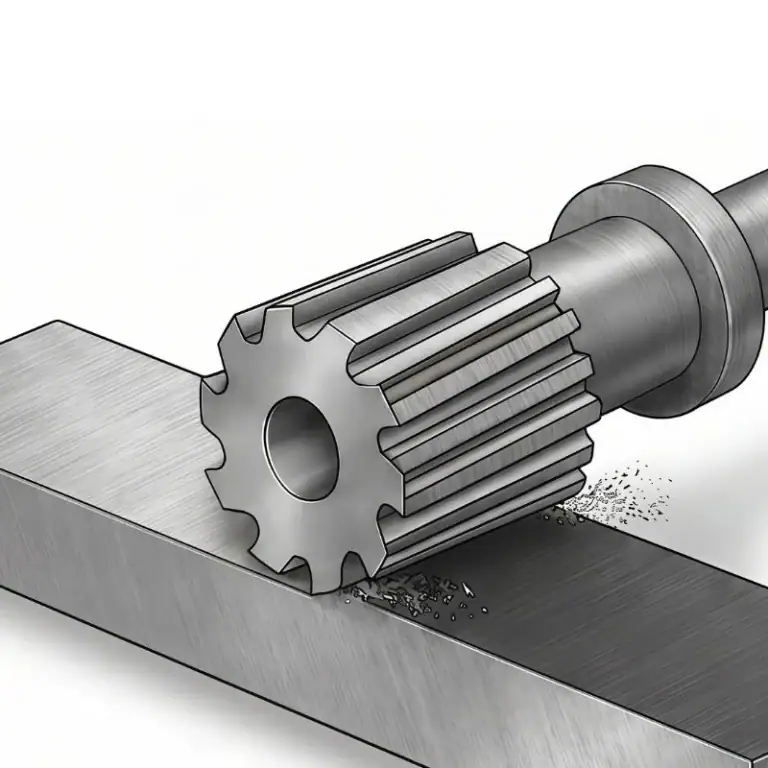
CNC milling uses a rotating cutting tool to remove material from a stationary workpiece.
It is suitable for flat surfaces, pockets, slots, holes, contours, and complex three-dimensional geometry.
Three-axis milling handles many standard components, while four- and five-axis systems provide access to additional surfaces and can reduce the number of setups required.
CNC Turning
CNC turning rotates the workpiece while a cutting tool removes material.
It is commonly used for shafts, pins, bushings, spacers, threaded parts, and other rotational components.
Modern turning centers may also include live tooling, allowing milling and drilling features to be completed without moving the part to another machine.
CNC Drilling And Tapping
Drilling creates holes using controlled spindle speed, feed, depth, and positioning.
Tapping forms internal threads, while thread milling may be used for larger threads, difficult materials, or applications requiring greater control.
CNC control makes repeated hole patterns and thread locations easier to reproduce accurately.
Grinding And Boring
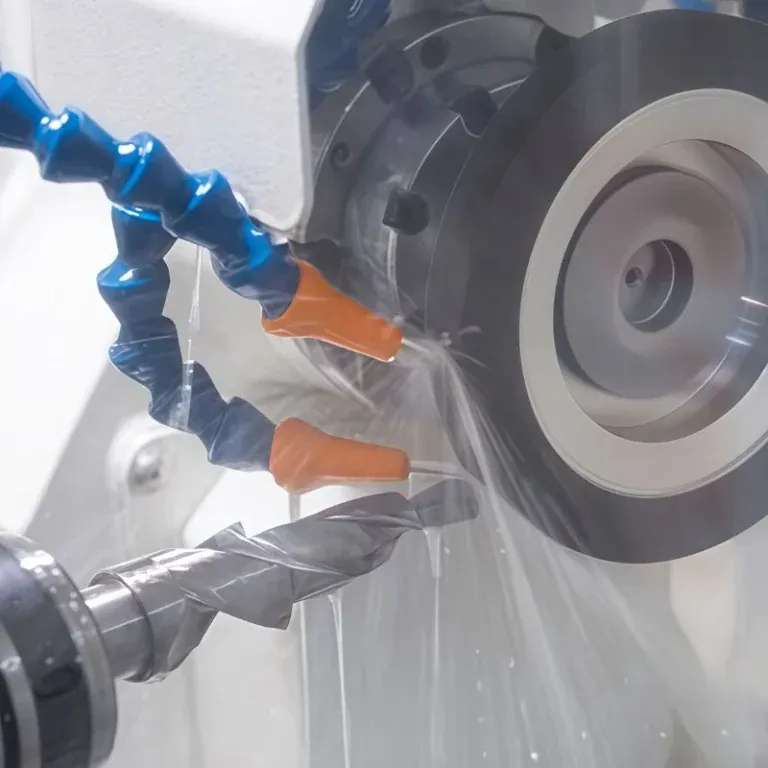
CNC grinding removes small amounts of material using abrasive wheels and is often used when high dimensional accuracy or fine surface finish is required.
Boring enlarges and finishes existing holes using a cutting tool.
Both processes may be used after rough machining when a feature requires greater accuracy than conventional milling or drilling can provide.
Multi-Axis CNC Machining
Multi-axis CNC machines move or rotate the tool and workpiece along additional axes.
Five-axis machining allows complex features to be reached from multiple directions without repeated manual repositioning.
This is useful for aerospace components, medical parts, impellers, complex housings, molds, and other parts where feature relationships are critical.
Laser, Plasma, And Waterjet CNC Cutting
CNC is not limited to conventional cutting tools.
Laser systems use focused energy to cut sheet material, plasma uses an ionized gas arc, and waterjet systems use high-pressure water, sometimes mixed with abrasive particles.
These processes demonstrate that the meaning of CNC machine technology is broader than milling and turning. CNC refers to computer-controlled motion across many manufacturing methods.
What Materials Can CNC Machines Process?
CNC machines can process a wide range of metals and engineering plastics. Material choice affects cutting parameters, tooling, machine load, achievable finish, tolerance stability, and overall cost.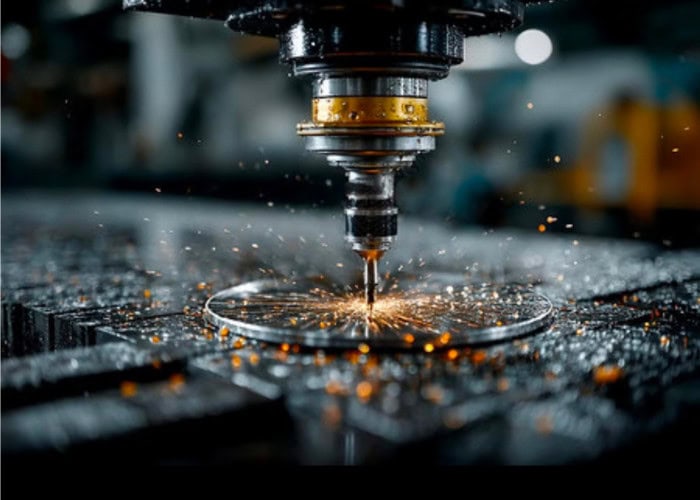
Aluminum And Other Non-Ferrous Metals
Aluminum is widely used because it is lightweight, corrosion-resistant, and relatively easy to machine.
It can often be cut at high spindle speeds and feed rates, making it economical for prototypes and production parts.
Brass and copper are also commonly machined, especially for electrical, fluid-control, and precision mechanical applications.
Stainless Steel And Carbon Steel
Steel provides good strength and wear resistance, while stainless steel adds corrosion resistance.
These materials generally require more cutting force and lower machining speeds than aluminum.
Tool selection, coolant, chip control, and cutting parameters become more important because some grades generate significant heat or work-harden.
Titanium And High-Performance Alloys
Titanium provides a high strength-to-weight ratio and excellent corrosion resistance, making it valuable in aerospace and medical applications.
However, its low thermal conductivity concentrates heat near the cutting edge, which increases tool wear.
Nickel-based and other high-performance alloys present similar challenges and require rigid setups and controlled machining strategies.
Engineering Plastics
CNC machines can also cut POM, PEEK, PTFE, nylon, polycarbonate, acrylic, and many other plastics.
These materials may require lower cutting forces than metals, but heat, clamping pressure, moisture absorption, and thermal expansion can affect dimensions.
Machining plastic is useful for prototypes, insulating parts, wear components, and low-volume production where molding is not economical.
What Are The Main Benefits Of CNC Manufacturing?
The main benefits of CNC manufacturing are accuracy, repeatability, automation, flexibility, and the ability to produce complex custom parts. These advantages make CNC useful for both product development and repeat production.
High Accuracy And Repeatability
Once a program and setup are proven, the same cutting sequence can be repeated across many parts.
This helps maintain consistent dimensions and feature locations.
Actual accuracy still depends on machine condition, tooling, temperature, material, and inspection, but CNC control removes many sources of manual positioning variation.
Consistent Quality Across Production Runs
CNC machines follow the same programmed sequence each cycle.
This consistency makes it easier to standardize cutting conditions, inspection methods, and tool replacement intervals.
For repeated production, a stable CNC process can provide more predictable quality than manually controlled machining.
Complex Geometry And Design Flexibility
CNC machining can produce complex contours, pockets, hole patterns, threads, and multi-sided features.
CAM software also makes it easier to revise programs when the CAD model changes.
This flexibility is valuable for custom components, prototypes, engineering development, and products that change frequently.
Faster And More Automated Production
Automatic tool changes, canned cycles, probing, pallet systems, and unattended machining can reduce direct operator involvement.
Once set up, CNC equipment can perform repeated operations with limited manual input.
Automation is especially valuable when the same part is manufactured many times.
Efficient Prototyping And Low-Volume Manufacturing
CNC machining does not usually require dedicated molds.
A part can often be manufactured directly from CAD data using standard tooling and workholding.
This makes CNC suitable for one-off prototypes, engineering validation, bridge production, and low-volume custom parts.
What Are The Limitations Of CNC Machining?
CNC machining offers strong precision and flexibility, but it also has limitations. Equipment cost, programming time, cutting-tool access, material waste, and process knowledge can make some parts more expensive or less practical to machine.
Machine And Programming Costs
CNC machines, tooling, software, maintenance, and inspection equipment require significant investment.
Complex parts may also require substantial CAM programming and setup time before cutting begins.
For a very simple one-off part, these preparation costs can sometimes make manual machining more economical.
Tool Access And Geometry Restrictions
Cutting tools must physically reach the surfaces being machined.
Deep narrow cavities, sharp internal corners, hidden features, and extreme aspect ratios can be difficult or impossible to machine with standard tools.
Designs that consider cutter shape and access are generally faster and less expensive to produce.
Material Waste In Subtractive Manufacturing
CNC machining removes material from a larger block, bar, or casting.
For parts with very low final volume relative to the starting stock, this can produce considerable chips and scrap.
Near-net-shape processes such as casting, forging, or additive manufacturing may use material more efficiently for certain geometries.
Skilled Setup And Process Control Requirements
CNC machines automate motion but do not eliminate the need for manufacturing knowledge.
Programmers and machinists still need to understand tooling, feeds, speeds, workholding, materials, tolerance, and inspection.
Poor programming or setup can produce inaccurate parts quickly and repeatedly.
Where Is CNC Used In Manufacturing?
CNC is used wherever manufacturers need accurate, repeatable, and customizable parts. Major applications include automotive, industrial equipment, medical devices, aerospace, automation, electronics, and robotics.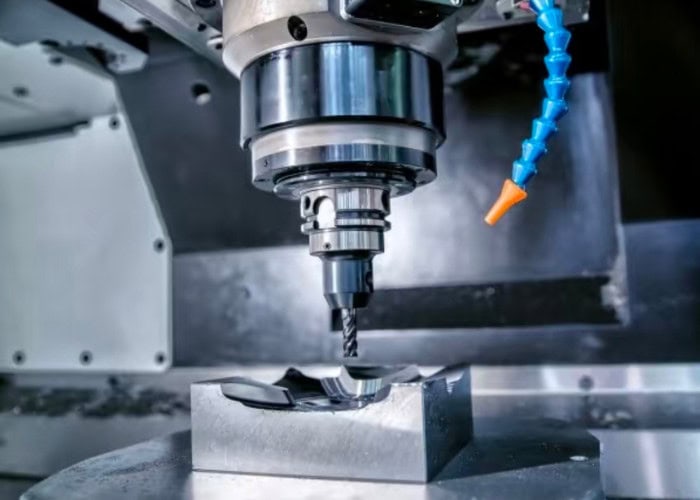
Automotive
Automotive manufacturing uses CNC machining for prototype components, engine parts, transmission components, housings, brackets, fixtures, and development tooling.
It is particularly useful during testing and low-volume production when designs may still change.
Industrial Equipment
Machine builders use CNC machining for shafts, plates, housings, manifolds, fixtures, tooling, and replacement components.
Custom CNC parts allow industrial systems to be designed around specific loads, interfaces, and operating requirements.
Medical
Medical manufacturing requires controlled dimensions and reliable materials.
CNC machining is used for surgical instruments, equipment components, device housings, fixtures, and specialized prototypes.
Material traceability and inspection requirements may be especially important in this industry.
Aerospace
Aerospace parts often combine complex geometry with demanding material and tolerance requirements.
CNC machining is commonly used for aluminum, titanium, stainless steel, and high-performance alloy components.
Multi-axis machines help reduce setups while maintaining geometric relationships across complex surfaces.
Automation, Electronics, And Robotics
Automation and robotics require custom brackets, end-effectors, housings, precision mounts, frames, and moving components.
Electronics products may use CNC-machined enclosures, heat sinks, connectors, and prototype structures.
CNC is valuable in these industries because product designs often change quickly and production volumes can vary significantly.
CNC Machining Vs Manual Machining
CNC machining provides greater automation and repeatability, while manual machining offers simplicity and direct operator control. The better choice depends on part complexity, quantity, tolerance, setup time, and production economics.
Accuracy And Repeatability
CNC systems repeat programmed coordinates consistently, making them well suited to production parts and complex feature relationships.
Manual machining depends more heavily on operator measurement and positioning.
An experienced machinist can achieve excellent accuracy manually, but repeating the same complex sequence across many parts is usually easier with CNC.
Speed And Labor Requirements
Once programmed and set up, CNC machines can complete many operations automatically.
Manual machines require more continuous operator involvement.
However, programming and setup time must be considered. For a very simple one-off feature, manual machining may begin cutting faster.
Part Complexity And Flexibility
CNC machines can follow complex curves and coordinate several axes precisely.
This makes them better suited to complex three-dimensional parts and repeated custom geometries.
Manual machining remains useful for simple repair work, quick modifications, and tasks where programming would take longer than the machining itself.
When Manual Machining Still Makes Sense
Manual machining remains practical for repair work, basic modifications, simple parts, and low-complexity one-off jobs.
It is also valuable for toolroom work where an experienced machinist needs to make quick adjustments.
CNC is therefore not a complete replacement for manual machining,each method is useful in the right context.
When Should You Choose CNC Machining?
CNC machining is most valuable when a project requires controlled dimensions, complex geometry, repeatability, design flexibility, or low-to-medium production without dedicated tooling.
Precision And Tight-Tolerance Parts
CNC is suitable when critical dimensions and feature relationships must be repeated accurately.
Stable fixtures, correct tooling, process control, and suitable inspection are still required to achieve demanding tolerances.
Complex Custom Components
Parts with pockets, multiple holes, contours, angled features, or several machined sides are strong candidates for CNC manufacturing.
Programming allows these features to be produced in a controlled sequence.
One-Off Prototypes And Low-Volume Production
CNC is useful when only one or a small number of functional parts are required.
Because dedicated molds are usually unnecessary, design changes can be made relatively quickly.
This supports product development and engineering validation.
Repeat Production With Consistent Quality
Once a process is established, CNC programs, fixtures, and inspection methods can be reused.
This makes it practical to manufacture repeat batches with similar dimensions and quality.
For growing products, CNC can support the transition from prototype manufacturing into low-volume production without immediately changing manufacturing processes.
FAQs
What Is The Simplest CNC Meaning?
CNC means Computer Numerical Control. It describes machines that use computer-programmed instructions to control movement and manufacturing operations automatically.
Is CNC The Same As CNC Machining?
Not exactly. CNC refers to the control method, while CNC machining specifically refers to material-removal processes such as milling, turning, drilling, and related operations performed under CNC control.
Do CNC Machines Work Only With Metal?
No. CNC machines can process metals, plastics, composites, wood, foam, and other materials depending on the machine, cutting tool, and application.
Does CNC Machining Always Produce Better Parts Than Manual Machining?
No. CNC offers major advantages for complexity, repeatability, and production, but simple repairs or one-off operations may sometimes be completed more efficiently with manual machining.
Conclusion
CNC means Computer Numerical Control, but in modern manufacturing it represents much more than a definition. CNC connects digital design, programming, automated machine motion, tooling, and inspection to produce accurate and repeatable components. Its main value is the ability to combine precision with flexibility, making it suitable for prototypes, complex custom parts, and repeat production across many industries.
At TiRapid, we provide precision CNC machining and manufacturing services for prototypes and production parts. Our machining team works with metals and engineering plastics using controlled processes, practical tooling strategies, and dimensional inspection to support accurate custom components for engineering and manufacturing applications.