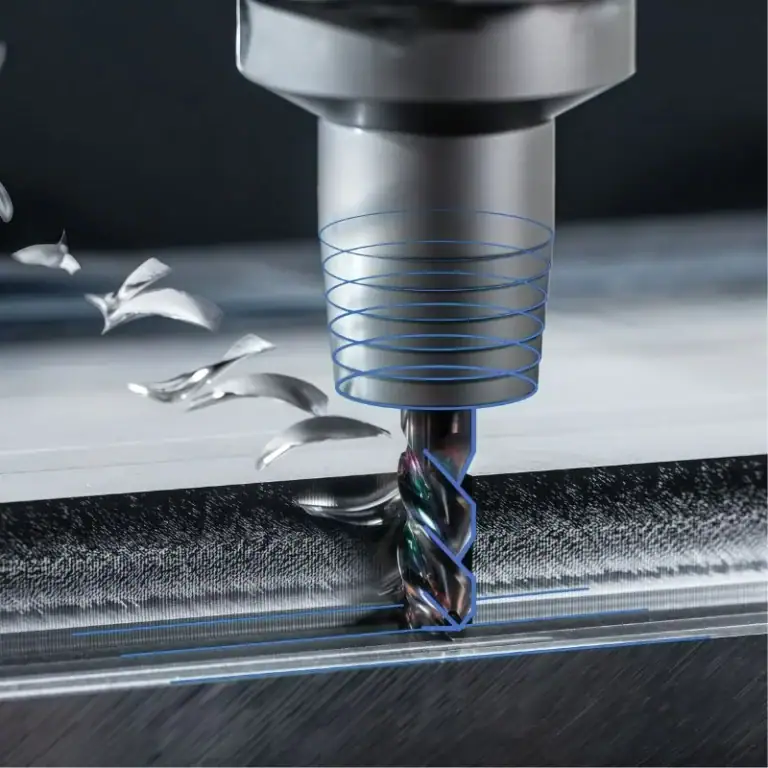
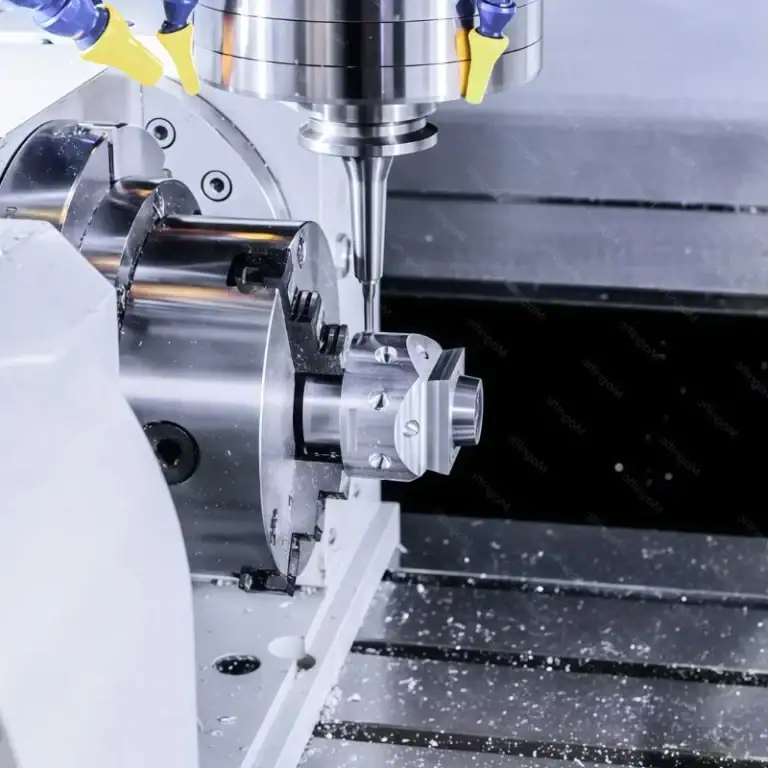
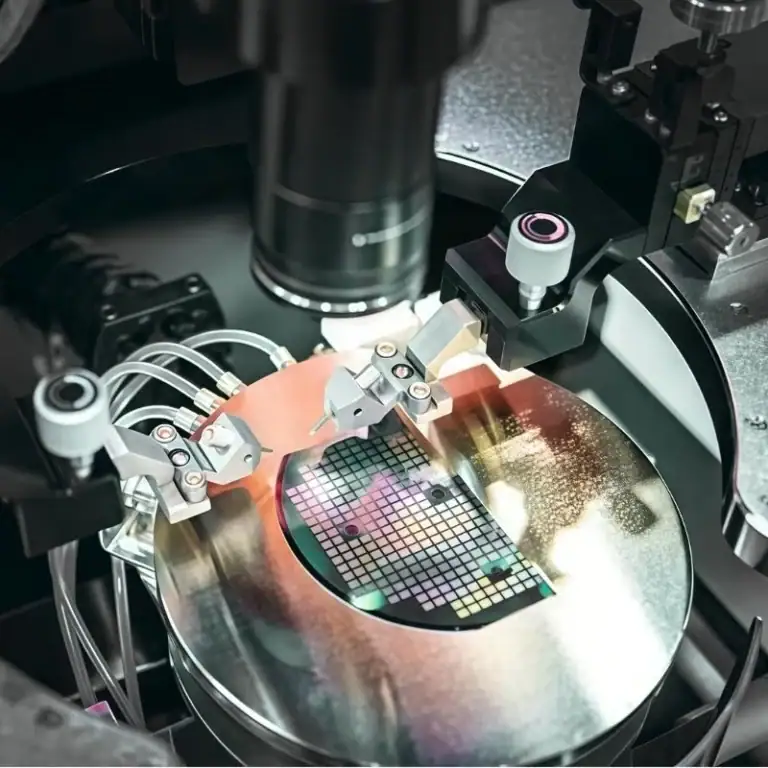
A part must go through multiple manufacturing processes before it can become a finished component that meets design requirements. Especially in industrial equipment, automation systems, medical devices, aerospace components, and other high-end manufacturing fields, parts must not only achieve accurate dimensions but also maintain stable performance during long-term operation. Precision mechanical machining is not a single process but a combination of different technologies, including CNC milling, turning, grinding, EDM, and inspection. Selecting the right machining process based on part structure, material characteristics, and application requirements helps improve accuracy while controlling manufacturing efficiency and cost.
What Are the Common Processes Used in Precision Mechanical Machining?
Basic precision mechanical machining processes mainly focus on material removal. Through machine tool control and precise tool movement, raw materials are gradually processed into parts that meet engineering drawings and design specifications. Different components have different machining challenges. Some require complex surface machining, while others focus more on dimensional consistency and assembly accuracy. In actual production, selecting suitable machining methods can reduce errors and improve overall part quality.
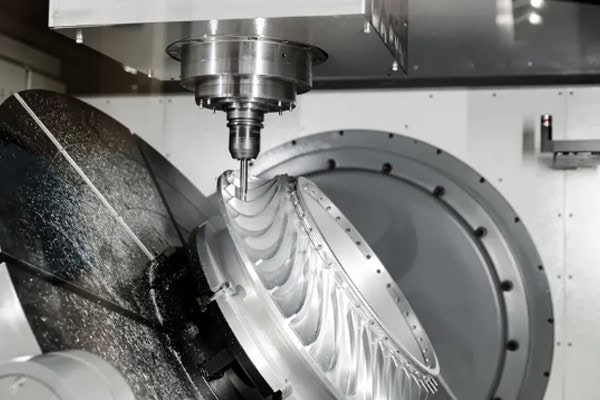
CNC Milling
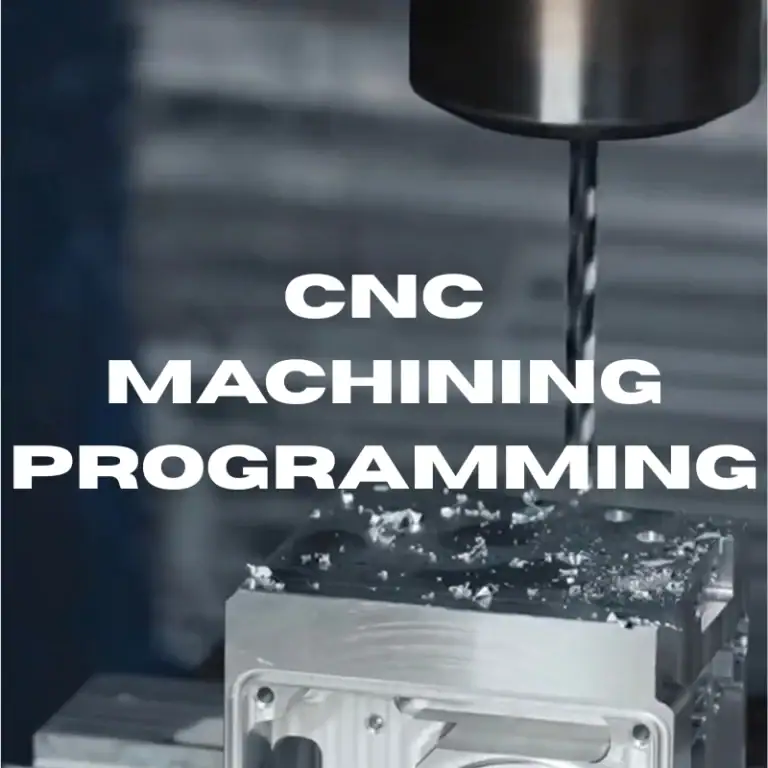
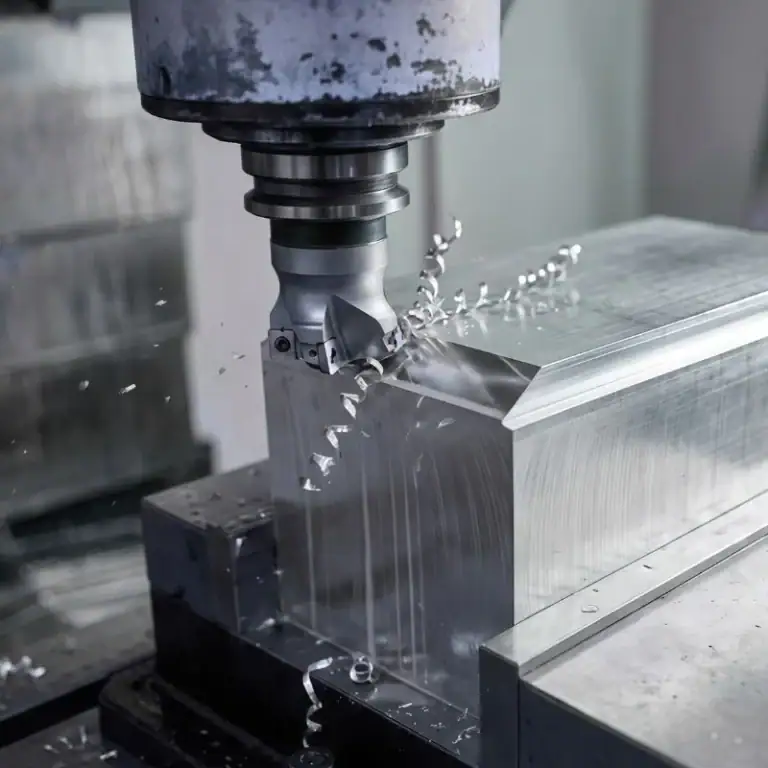
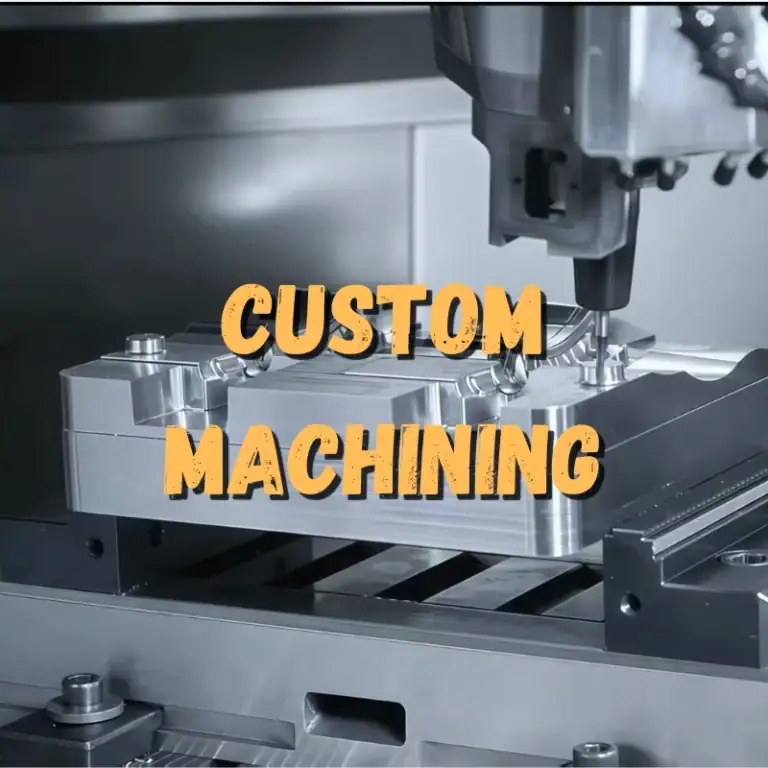
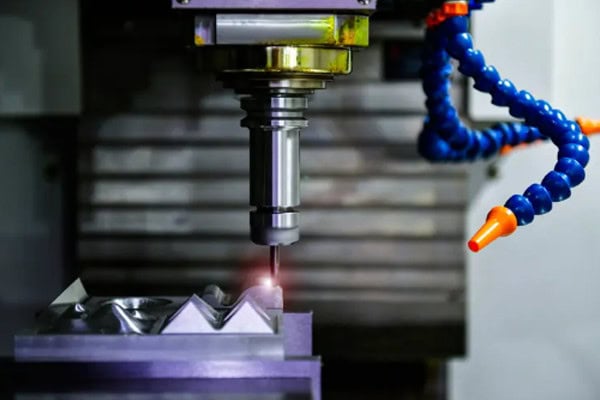
CNC milling is one of the most widely used processes in precision machining. It uses high-speed rotating cutting tools to remove material according to programmed tool paths, allowing manufacturers to create flat surfaces, curved surfaces, slots, holes, and complex contours. In industrial equipment, automation components, and custom mechanical parts production, many complex components rely on milling processes. Compared with traditional machining methods, CNC milling uses digital programming to control tool movement, reducing manual operation errors while improving process stability. In practical manufacturing, several advantages make CNC milling highly valuable:
- Suitable for complex part machining, including irregular structures, curved surfaces, and detailed features.
- Supports various materials, including aluminum alloys, stainless steel, copper alloys, and titanium alloys.
- Provides stable machining accuracy, meeting strict dimensional and positioning requirements.
- Suitable for customized production, allowing quick adjustments according to different designs.
By optimizing tool selection, cutting parameters, and machining paths, CNC milling can maintain high precision while improving production efficiency and reducing quality fluctuations during manufacturing.
CNC Turning
CNC turning is mainly used for manufacturing rotational parts, such as shafts, sleeves, connectors, and cylindrical components. Although these parts usually have relatively regular shapes, they often require high standards for roundness, concentricity, and dimensional stability. In mechanical equipment manufacturing, many transmission components and connection structures rely on turning processes. During machining, it is important not only to focus on production speed but also to ensure reliable performance during long-term operation. The main characteristics of CNC turning include:
- Suitable for shaft component machining.
- Improves dimensional consistency.
- Enhances assembly compatibility.
Stable CNC turning processes help maintain reliable part performance, making them especially suitable for mechanical components that require high operating accuracy.
Five-Axis Machining
As industrial products continue to become more advanced, many parts now contain multiple machining surfaces, complex curves, and special angled structures. Traditional machining methods may require multiple setups, increasing production time and creating positioning errors. Five-axis machining adds rotary movements, allowing cutting tools to approach the workpiece from more directions and complete more operations in a single setup. It is widely used for aerospace parts, high-end equipment components, and complex mechanical structures.
- Reduces repeated setups.
- Improves complex curved surface machining capability.
- Increases overall machining efficiency.
Although five-axis machining requires more advanced equipment and technical expertise, it provides significant advantages when manufacturing complex precision components.
What Other Special Processes Are Used in Precision Mechanical Machining?
Besides common CNC machining methods, some special materials and complex structures require additional manufacturing technologies. For example, high-hardness materials, miniature structures, and areas that are difficult to process with conventional cutting tools often require specialized machining methods. These technologies are usually combined with traditional machining processes to help parts achieve better dimensional accuracy, surface quality, and structural performance.
Grinding
Grinding is mainly used during the precision finishing stage. It uses grinding wheels to remove small amounts of material, improving dimensional accuracy and surface quality. Many heat-treated parts have higher hardness levels, making them difficult to finish with conventional cutting methods. Grinding helps further correct dimensions and improve surface conditions. Compared with other processes, grinding focuses more on detailed control and is commonly used for high-precision components.
- Improves surface finish quality.
- Meets tighter dimensional tolerances.
- Suitable for high-hardness materials.
- Improves final part fitting performance.
By controlling grinding parameters properly, manufacturers can achieve more stable machining results and improve part reliability.
Electrical Discharge Machining (EDM)
Electrical discharge machining is a process that removes material through electrical discharge energy. It is mainly used for complex structures and difficult-to-machine materials. For example, mold components, small holes, deep grooves, and special internal cavities may require EDM processing. Compared with traditional cutting methods, EDM does not create significant mechanical pressure, making it suitable for materials that are prone to deformation or have high hardness.
- Suitable for high-hardness metal machining.
- Capable of producing small and complex structures.
- Reduces the risk of workpiece deformation.
EDM is often combined with CNC machining to solve manufacturing challenges that traditional processes cannot easily handle.
Laser Machining
Laser machining uses high-energy laser beams for cutting, drilling, and localized processing. It is increasingly used in precision manufacturing. Since it does not require direct contact between traditional tools and the workpiece, it is suitable for miniature parts, fine structures, and special materials. The main advantages include:
- Suitable for micro-hole and fine structure machining.
- Reduces the influence of mechanical contact.
- Supports special component manufacturing needs.
Laser machining provides additional possibilities for modern manufacturing, especially as products become smaller and more precise.
What Auxiliary Processes Are Used in Precision Mechanical Machining?
Precision part manufacturing does not end after the main machining process is completed. Additional treatments also affect final product quality. Surface finishing, deburring, and inspection processes directly influence part appearance, assembly performance, and long-term reliability.
Surface Treatment Processes
Some machined parts require surface treatments to improve corrosion resistance, wear resistance, or surface appearance. Different materials and operating environments require different treatment methods.
- Anodizing improves aluminum alloy performance.
- Electroplating enhances surface protection.
- Polishing improves surface smoothness.
Proper surface treatment can extend part service life and improve performance in demanding environments.
Deburring and Precision Finishing
Although machining burrs are usually small, they can affect assembly performance and equipment operation. High-precision components often require additional finishing processes. These detailed treatments play an important role in precision manufacturing.
- Improves assembly accuracy.
- Reduces edge defects.
- Enhances overall product quality.
- Lowers potential usage risks.
Proper finishing reduces problems during operation and improves equipment stability.
Precision Inspection
Inspection is an essential step for ensuring machining quality. Professional measurement equipment is used to verify dimensions, geometric tolerances, and surface conditions. Especially in batch production, inspection helps identify machining deviations and maintain consistent quality.
- Checks critical dimensional parameters.
- Confirms machining accuracy requirements.
- Ensures batch consistency.
A complete inspection process makes manufacturing more controllable and improves delivery quality.
How to Match Precision Machining Processes with Part Requirements?
Different parts require different machining methods. Process selection needs to consider part structure, material characteristics, and application environment. Some products can be completed through basic CNC machining, while complex components require multiple technologies working together. Proper process planning improves efficiency while avoiding unnecessary manufacturing costs.
Select Processes Based on Part Structure
Part complexity directly affects machining method selection. Simple and complex components have different requirements for equipment capability, so analyzing product characteristics before manufacturing is important.
- Simple structures are suitable for turning and milling.
- Complex curved surfaces are suitable for multi-axis machining.
- Special structures require combined machining processes.
Proper structural analysis helps reduce machining adjustments and improves manufacturing efficiency.
Adjust Processes According to Material Characteristics
Different materials behave differently during machining. Aluminum alloys, stainless steel, titanium alloys, and composite materials all require different machining strategies. Material hardness, thermal conductivity, and cutting performance influence the final process selection.
- Soft materials require controlled cutting speeds.
- High-hardness materials require optimized tool selection.
- Special materials require adjusted machining parameters.
Matching processes with material characteristics helps improve machining stability.
Plan Processes According to Production Requirements
Production volume and delivery requirements also affect process planning. Proper manufacturing arrangements help improve efficiency while maintaining stable product quality.
- Small-batch production is suitable for flexible machining methods.
- Mass production requires efficiency control.
- Complex projects require balancing cost and precision.
Scientific production planning helps companies achieve more stable manufacturing results.
Precision mechanical machining involves CNC milling, turning, five-axis machining, grinding, EDM, laser machining, and inspection processes. Different parts require suitable machining solutions based on structural features, material properties, and application requirements to achieve stable and high-quality manufacturing results. As industrial equipment continues to move toward higher precision, precision machining technology plays an increasingly important role in complex component manufacturing. Tirapid specializes in precision machining services, providing high-precision mechanical part machining solutions to help companies achieve reliable and high-quality customized manufacturing.