Thermoset plastics are widely used in electronics, electrical equipment, automation systems, semiconductors, new energy, rail transit, and industrial machinery due to their excellent insulation properties, heat resistance, mechanical strength, and dimensional stability. As industrial products continue to develop toward higher precision and greater reliability, quality requirements for components are becoming increasingly strict. From raw material procurement to final delivery, a thermoset plastic part often goes through multiple inspection procedures to ensure that the product meets design specifications and application standards.
What Is Quality Inspection for Thermoset Plastic Parts?
Although thermoset plastic parts are non-metallic materials, they perform important functions such as insulation, protection, support, positioning, and connection in many industrial applications. Whether a part has accurate dimensions, a complete surface finish, and qualified performance directly affects equipment operation. Therefore, quality inspection during manufacturing is not merely a checking process but an essential step in ensuring that products meet design requirements. Through standardized inspection procedures, problems can be identified in time, defective products can be reduced, and product consistency can be improved.
Basic Definition of Quality Inspection
In industrial manufacturing, quality inspection is an indispensable part of the production process. Whether the product is a metal component or a thermoset plastic part, professional inspection is required to verify compliance with design standards. For parts used in high-precision equipment, inspection results may even directly affect project acceptance and delivery.Quality inspection of thermoset plastic parts refers to the process of using measuring tools and testing equipment to inspect dimensions, appearance, structure, and performance. The purpose of inspection is to confirm whether the product meets drawing requirements and customer-specified technical standards. Standardized inspection procedures help reduce defective products entering the market while improving product consistency and reliability.
Why Quality Inspection Is Necessary
Even when using the same materials and machining equipment, dimensional deviations, assembly issues, or performance deficiencies may still occur without a complete inspection process. Especially in precision equipment, even minor errors can affect overall performance.Many thermoset plastic parts are installed inside precision equipment. Once dimensional deviations occur, the overall assembly quality may be affected. If insulation performance does not meet requirements, equipment safety may be compromised. If structural strength is insufficient, products may fail prematurely. Therefore, conducting strict inspections before delivery is an important measure for ensuring product quality.
The Importance of Inspection Standards
Unified standards help maintain consistent quality across different production batches and make the manufacturing process more standardized. Inspection standards serve not only as a basis for quality management but also as an important reference for customer acceptance.Only by establishing clear inspection requirements can product quality remain stable and reliable. Standardized inspection criteria contribute significantly to overall product consistency.
What Are the Main Inspection Items for Thermoset Plastic Parts?
Different products have different application requirements, so inspection items may vary. However, in most industrial applications, dimensional accuracy, appearance quality, and performance indicators remain the primary focus of inspection work.Through these inspection items, manufacturers can comprehensively evaluate whether products meet actual application requirements while identifying potential issues in advance.
Dimensional Accuracy Inspection
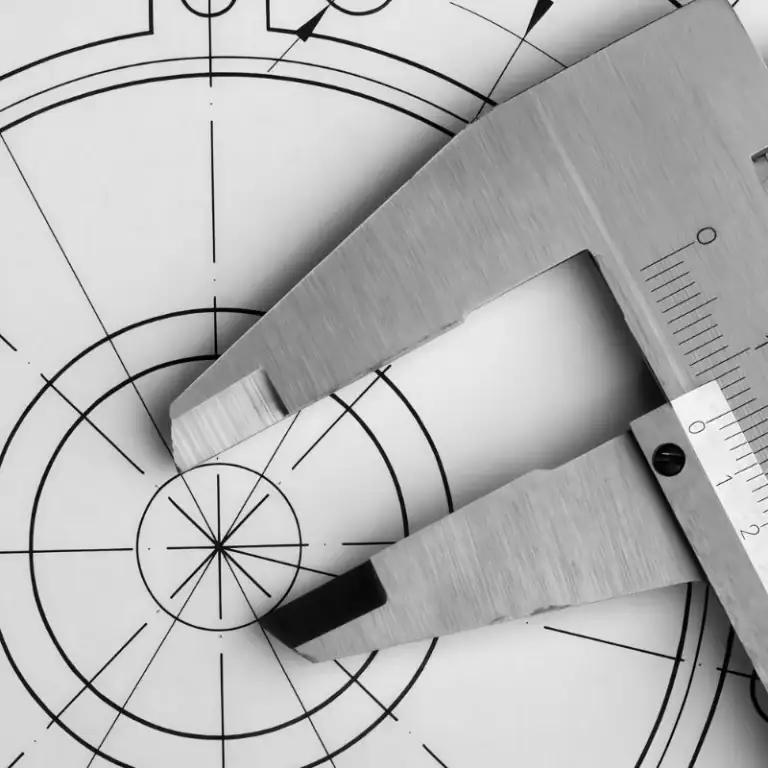
Dimensional accuracy is a key factor in determining whether a part can be assembled properly. For products that need to fit with other components, excessive dimensional errors may lead to installation difficulties, loose structures, or even complete assembly failure.Therefore, dimensional inspection is often one of the most important quality control procedures.Inspectors measure length, width, thickness, hole diameter, hole spacing, and critical assembly dimensions according to drawing requirements. Common measuring tools include calipers, micrometers, height gauges, and coordinate measuring machines (CMMs).For precision fixtures and electronic components, particular attention is paid to tolerance requirements to ensure smooth assembly processes.
Appearance Quality Inspection
In addition to meeting dimensional requirements, surface condition also affects product performance and customer satisfaction. Some parts may meet dimensional specifications but still have reduced quality due to cracks, chips, or obvious scratches.For products with higher appearance requirements, inspection standards are often more stringent.
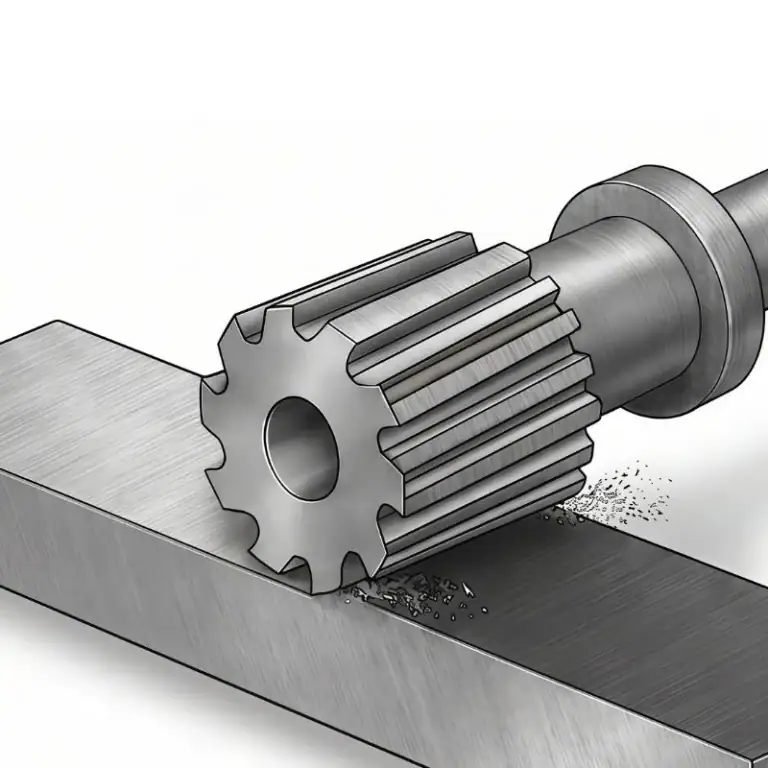
Inspection items include scratches, cracks, chips, edge damage, burrs, and color differences. In particular, fiberglass materials such as FR4 and G10 are prone to exposed fibers during machining, making cutting quality an important inspection focus.Good appearance quality not only enhances product value but also supports subsequent assembly and use.
Performance Testing
As industrial operating environments become increasingly demanding, meeting dimensional requirements alone is no longer sufficient to guarantee product quality. Many thermoset plastic parts must also provide insulation, heat resistance, wear resistance, or impact resistance.As a result, performance testing has become an important part of quality inspection.
Some thermoset plastic components require performance testing, including:
- Electrical insulation performance
- Dielectric withstand voltage performance
- Heat resistance
- Mechanical strength
- Water absorption rate
Inspection standards vary according to the intended application.
What Is the Quality Inspection Process for Thermoset Plastic Parts?
To ensure accurate and reliable inspection results, most manufacturers establish standardized inspection procedures. From raw materials entering the factory to finished parts ready for shipment, corresponding inspection stages are arranged throughout the production process.This approach not only improves product quality but also reduces rework and customer complaints.
Raw Material Inspection
High-quality products depend on qualified raw materials. If the material itself contains defects, even the most advanced machining process may not produce satisfactory results.Therefore, many companies treat raw material inspection as the starting point of quality management.Product quality control typically begins at the raw material stage. Inspectors verify material grades, thickness specifications, batch information, and appearance conditions to ensure compliance with production requirements.If the material itself has defects, achieving ideal product quality becomes difficult regardless of subsequent machining quality. Therefore, raw material inspection forms the foundation of effective quality management.
In-Process Sampling Inspection
Monitoring product quality during manufacturing allows issues to be identified and corrected in a timely manner.Compared with waiting until all products are completed before inspection, in-process sampling significantly reduces defect rates and improves production efficiency.
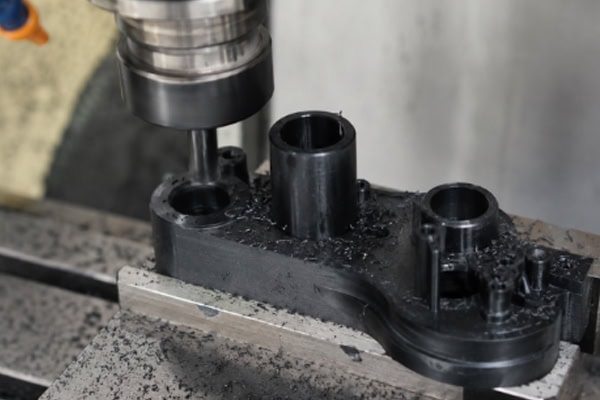
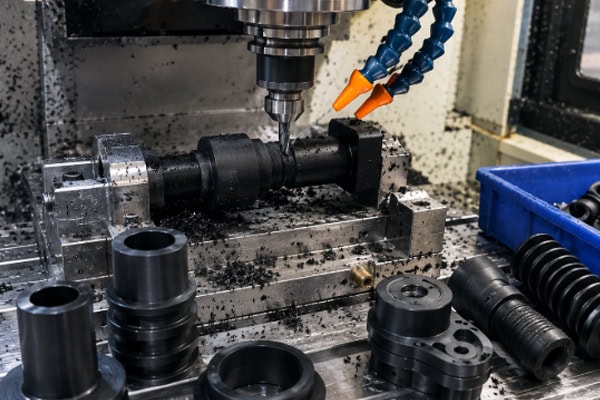
During CNC machining, technicians periodically perform dimensional sampling inspections. Critical dimensions are often measured multiple times throughout the machining process to prevent dimensional deviations caused by machine errors or tool wear.Through process control, potential issues can be identified early and corrected promptly, minimizing large-scale production defects.
Final Product Inspection Before Shipment
Final inspection is an important checkpoint before products leave the factory. Only after passing this stage can products proceed to packaging and shipment.Strict final inspection not only improves customer satisfaction but also reduces the likelihood of after-sales issues.After machining is completed, products enter the final inspection stage. Inspectors conduct comprehensive evaluations of dimensions, appearance, and performance according to drawings and customer requirements.Products are approved for packaging and shipment only after all inspection items meet the required standards. This stage directly affects both product quality and customer experience.
What Inspection Technologies Are Used for Thermoset Plastic Parts?
As inspection technology continues to advance, modern manufacturers no longer rely solely on manual measurement methods. Increasingly sophisticated inspection equipment is being used for thermoset plastic part inspection, improving both efficiency and accuracy.
Precision Dimensional Measurement Technology
For complex structures and high-precision components, traditional measuring tools are often insufficient.Advanced measuring equipment enables faster and more accurate acquisition of dimensional data while generating complete inspection records.High-precision parts are typically inspected using professional equipment such as:
- Coordinate Measuring Machines (CMMs)
- Vision Measuring Systems
- Laser Scanning Equipment
These systems can quickly collect dimensional data and generate inspection reports, making them particularly suitable for complex contours and precision structures.
Performance Testing Technology
Performance testing helps manufacturers determine whether products can operate reliably over the long term.For insulating components, heat-resistant parts, and high-strength structural components, performance data is often more important than appearance inspection.Products with special application requirements typically require professional testing instruments, including:
- Insulation Resistance Testers
- Dielectric Withstand Voltage Testers
- Material Strength Testing Equipment
Through data analysis, manufacturers can determine whether products meet design requirements. Performance testing results are also important references for many industrial customers.
Quality Traceability Management Technology
Modern industrial production increasingly emphasizes traceability.When product issues occur, companies can quickly identify production batches, inspection records, and machining information, thereby improving problem-solving efficiency.Through batch coding systems, inspection record retention, and digital management platforms, manufacturers can quickly retrieve production and inspection information.If problems arise, root causes can be identified promptly, improving overall quality management efficiency.
Frequently Asked Questions
Do All Thermoset Plastic Parts Require Full Inspection?
Not necessarily. Samples and high-precision products usually require 100% inspection, while mass-produced products are often inspected through sampling according to quality standards.
What Level of Dimensional Inspection Accuracy Is Typically Controlled?
For standard industrial components, common tolerances are around ±0.05 mm. High-precision components may achieve ±0.01 mm or even stricter requirements.
Will Minor Burrs Affect Product Use?
Some products can be used after simple deburring treatment. However, for precision assembly components and high-requirement products, burrs are generally required to be completely removed.
Can Inspection Reports Be Provided?
Most professional machining manufacturers can provide dimensional inspection reports or related testing data according to customer requirements.
Conclusion
Quality inspection of thermoset plastic parts is an essential process for ensuring product quality and reliable operation. From incoming raw material inspection, to dimensional checks during machining, and comprehensive inspections before shipment, every stage directly affects the final quality of the product.Only through strict implementation of inspection standards can components maintain stable performance during assembly, operation, and long-term use.For industries such as electronics, electrical equipment, automation systems, semiconductors, new energy, and industrial machinery, dimensional accuracy, appearance quality, and performance indicators are all important criteria for evaluating product quality.By utilizing professional inspection equipment and standardized management procedures, manufacturers can not only identify potential issues in time but also improve product consistency while reducing rework and after-sales costs.