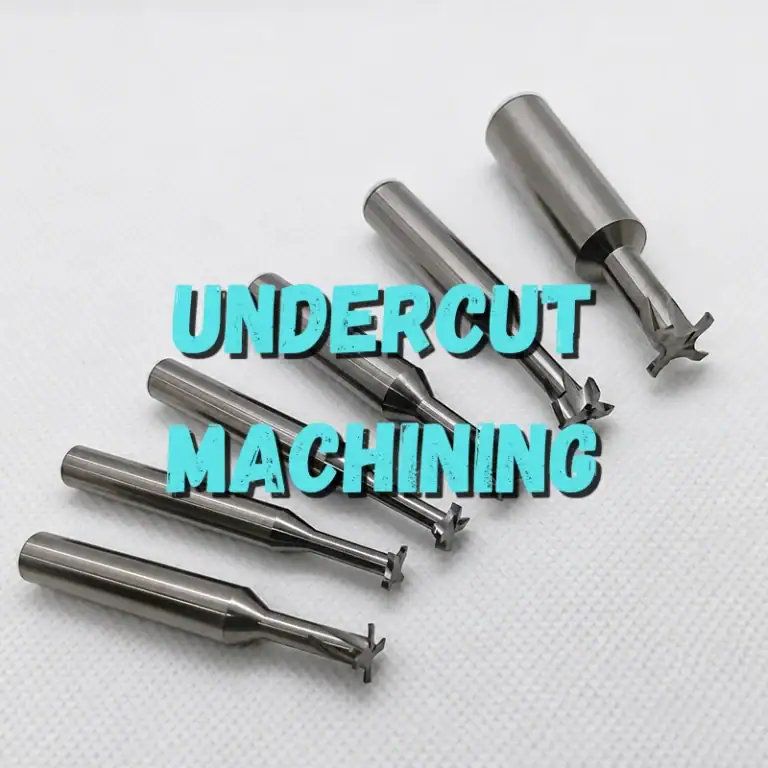
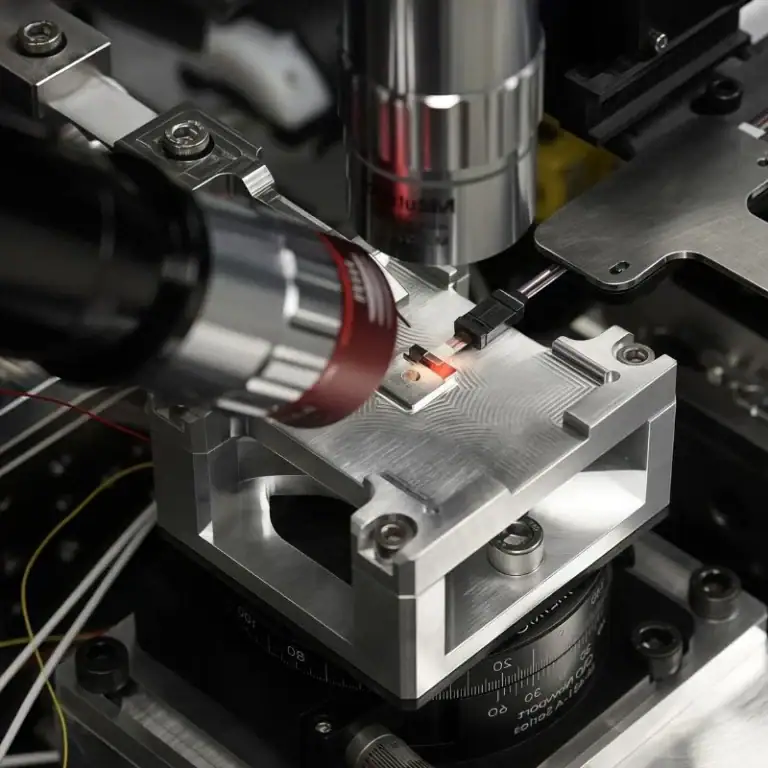
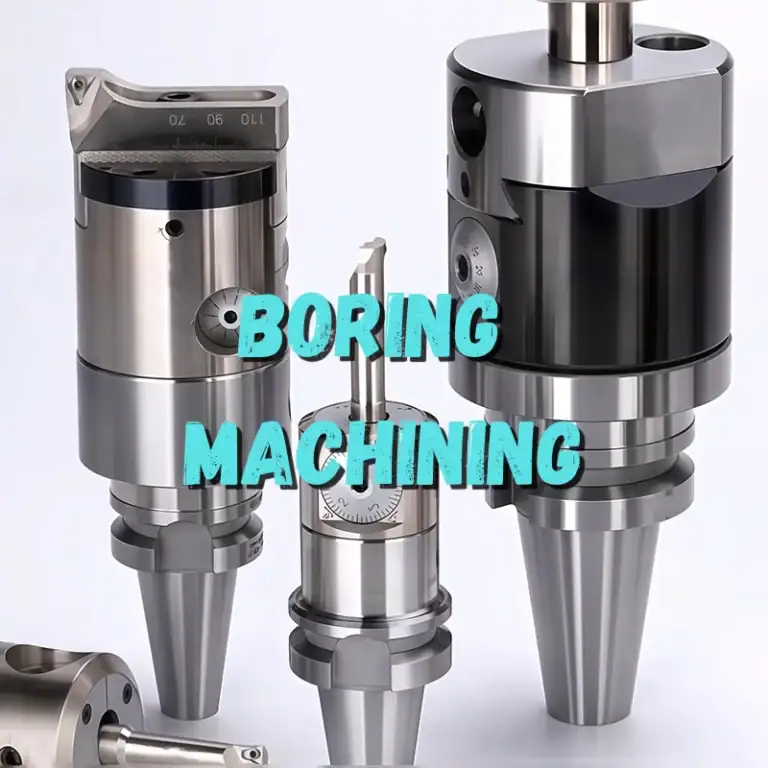
CNC machining vs injection molding compares two fundamentally different ways to manufacture parts. CNC machining removes material from solid stock with computer-controlled cutting tools, while injection molding melts plastic and forces it into a mold cavity. CNC machining is generally better for prototypes, low-volume production, tight tolerances, fast design changes, and broad material selection, injection molding becomes more attractive when a finalized plastic design must be produced in large quantities at a low unit cost.
This guide explains CNC machining vs injection molding from prototype through production and shows when it makes sense to stay with machining or invest in a mold.
What Is CNC Machining?
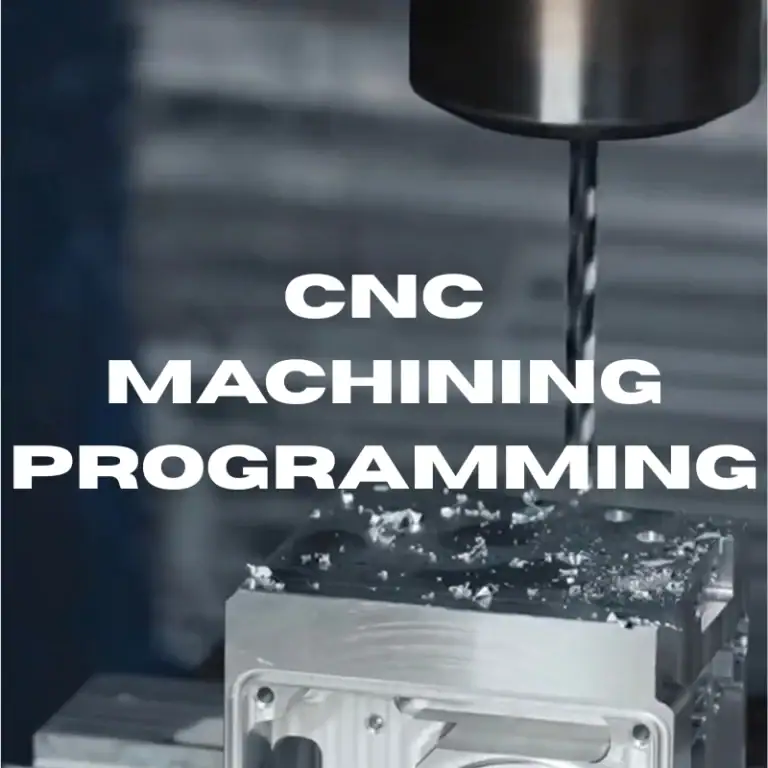
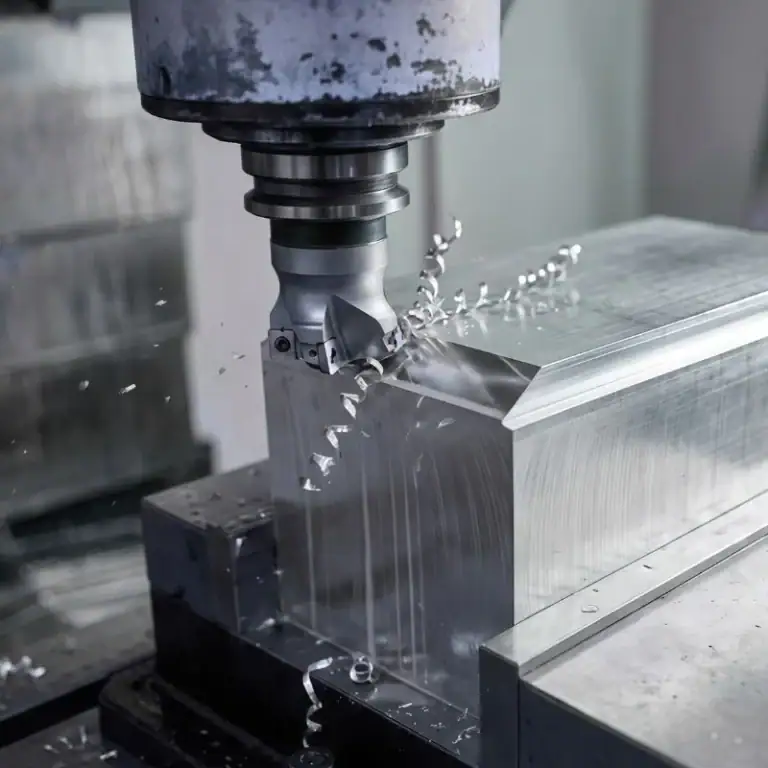
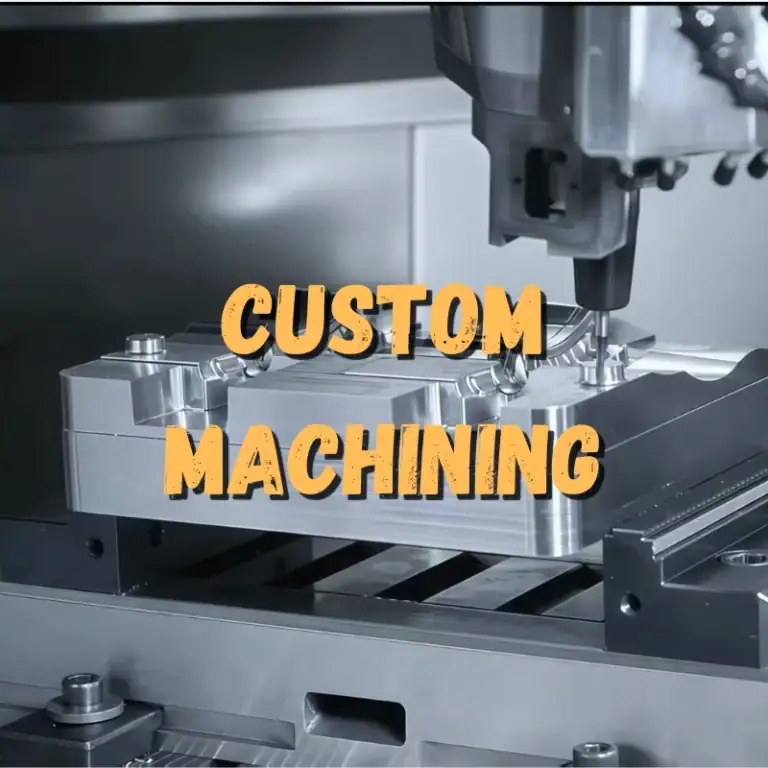
CNC machining is a subtractive manufacturing process that uses computer-controlled cutting tools to remove material from a solid workpiece until the required geometry is produced. It can machine metals, engineering plastics, composites, and other machinable materials without requiring a dedicated production mold.
The process typically begins with a CAD model, followed by CAM programming, workholding setup, cutting-tool selection, machining, deburring, inspection, and any required surface finishing. CNC machining examples include housings, shafts, brackets, fixtures, manifolds, medical components, aerospace parts, prototypes, and precision plastic components.
This explains what is CNC machining process in practical manufacturing terms: material is physically removed with controlled toolpaths rather than reshaped inside a mold.
How CNC Machining Works?
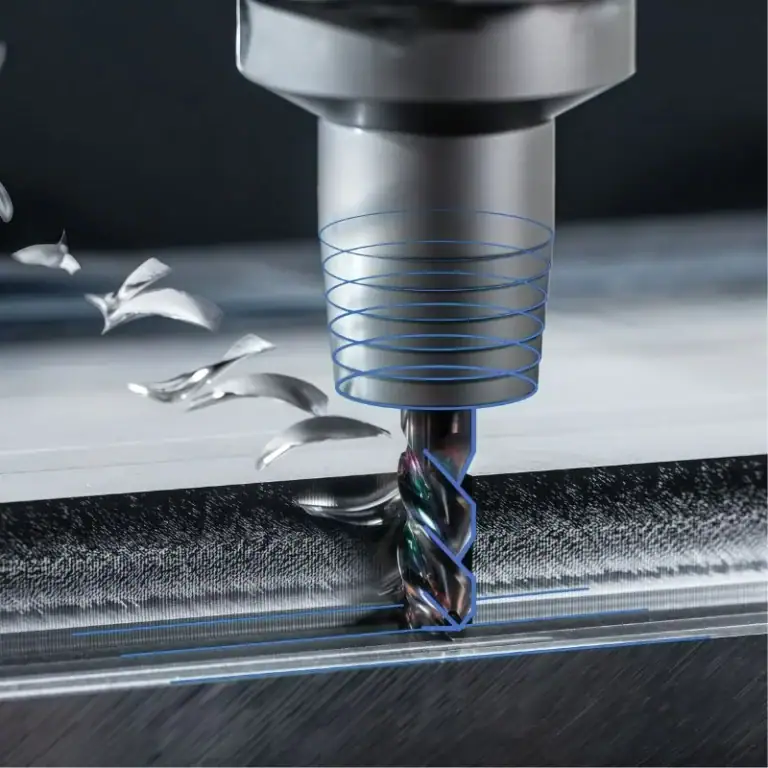
CNC machining works by converting a digital part design into programmed cutting movements that control machine axes, spindle speed, feed rate, cutting tools, and toolpaths.
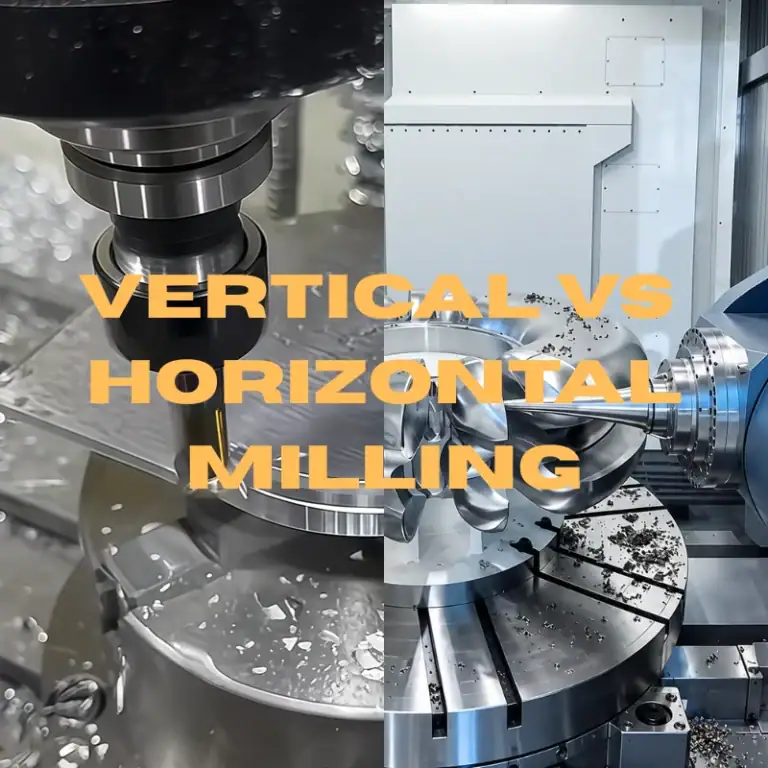
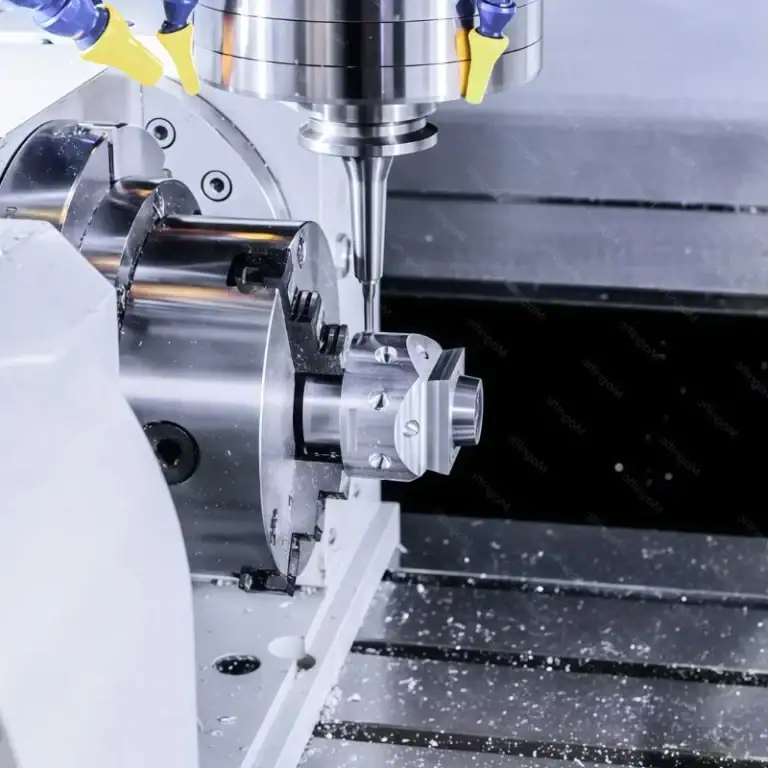
CNC milling is commonly used for pockets, slots, holes, flat surfaces, and complex 3D geometry. CNC turning produces shafts, rings, bushings, threads, and cylindrical components. Five-axis CNC machining can access multiple orientations with fewer setups when the part contains angled faces or complex contoured surfaces.
Because there is no dedicated mold, a revised CAD model can often be introduced by modifying the machining program, toolpath, or fixture rather than manufacturing completely new tooling.
Main Advantages Of CNC Machining
CNC machining offers its greatest advantages in precision, low tooling investment, material flexibility, and fast design iteration.
Main advantages include:
- No dedicated injection mold required
- Suitable for prototypes and low-volume production
- Metals and plastics can both be machined
- Design revisions can be implemented relatively quickly
- Tight tolerances are achievable
- Excellent dimensional control
- Good as-machined surface finish
- Suitable for highly engineered materials
- Production can begin without waiting for mold construction
Xometry lists typical CNC capabilities around ±0.001in for suitable parts, although actual achievable tolerance depends on geometry, material, feature size, machine capability, inspection method, and drawing requirements.
Main Limitations Of CNC Machining
CNC machining becomes less economical when very large quantities of identical parts must be produced because every part still consumes machine time.
Material removal also creates chips and scrap, and complex parts may require multiple tools, setups, or five-axis machining. Cutting-tool wear, machine utilization, operator time, inspection, and raw stock all remain part of the unit cost.
For thousands or tens of thousands of identical plastic parts, injection molding can eventually achieve much faster cycle times and a lower unit cost after mold investment has been absorbed.
What Is Injection Molding?
Injection molding is a manufacturing process that melts polymer material and injects it under pressure into a precision mold cavity, where the material cools and solidifies into the required shape. It is most valuable for repeated production of large quantities of plastic parts after the mold has been completed.
An injection molding system normally includes an injection unit, clamping system, and mold. Plastic pellets are melted, forced into the mold, held under pressure, cooled, and then ejected.
Unlike CNC machining, the mold contains the negative geometry of the finished part. This creates significant upfront tooling cost, but the same mold can produce a large number of repeat parts.
How Injection Molding Works?
Injection molding works by heating thermoplastic pellets until they flow, injecting the molten polymer into a closed mold, cooling the part, opening the tool, and ejecting the finished component.
A typical cycle includes:
- Mold closing
- Plastic injection
- Packing and holding
- Cooling
- Mold opening
- Part ejection
- Cycle repetition
Once a stable mold and molding process are available, cycles can repeat rapidly and multi-cavity molds can produce several parts at once. This is why injection molding is highly efficient for mass production.
Main Advantages Of Injection Molding
Injection molding offers its strongest advantages in high-volume output, repeatability, low unit cost at scale, and efficient production of moldable plastic geometry.
Once the mold is validated, hundreds, thousands, or much larger quantities can be produced without machining every feature individually. Multi-cavity tooling further increases output per cycle.
Another advantage is material utilization. Runners and processing waste may sometimes be reused depending on polymer, quality requirements, and process restrictions, while CNC inherently removes part of the original stock as chips.
Main Limitations Of Injection Molding
Injection molding has high upfront tooling cost, longer pre-production lead time, and less flexibility after the mold geometry has been finalized.
Design changes involving walls, ribs, holes, undercuts, parting lines, gates, or overall geometry may require mold modification or replacement. Complex multi-cavity tooling can cost from thousands to much more depending on size, tooling material, complexity, automation, and production requirement.
Molded parts must also account for shrinkage, warpage, draft, gate location, cooling behavior, wall thickness, weld lines, and ejector design. These factors can make injection molding less convenient during early product development.
CNC Machining vs Injection Molding: Key Differences At A Glance
The main CNC machining vs injection molding difference is that CNC machining offers lower tooling commitment and greater manufacturing flexibility, while injection molding offers much faster and cheaper repeat production after the mold is completed. CNC normally wins during prototype and low-volume stages, molding usually wins once volume becomes high enough to justify tooling.
| Comparison | CNC Machining | Injection Molding |
| Process | Subtractive | Molding |
| Dedicated mold | No | Yes |
| Upfront tooling cost | Low | High |
| Low-volume economics | Excellent | Usually poor |
| High-volume economics | Limited | Excellent |
| Prototype lead time | Short | Longer |
| Cycle time per part | Minutes to hours | Often seconds to minutes |
| Typical precision capability | Higher | Good, but shrinkage affects dimensions |
| Material selection | Metals, plastics, composites | Mainly moldable polymers |
| Design changes | Relatively easy | Tool modification may be required |
| Surface finish | Controlled by cutting process | Controlled largely by mold surface |
| Material waste | More chips/scrap | Generally lower per finished part |
| Production consistency | High | Extremely high after process validation |
| Best use | Prototype/low volume/precision | High-volume repeated plastic parts |
Xometry gives representative tolerances around ±0.001in for CNC machining and around ±0.005in for plastic injection molding, while emphasizing that actual capability depends on the specific design and process.
CNC Machining vs Injection Molding Cost
CNC machining usually has the lower upfront cost, while injection molding normally reaches the lower unit cost at sufficiently high production volume. The break-even point depends on mold price, CNC cycle time, material, cavities, annual demand, inspection, secondary operations, and expected product life.
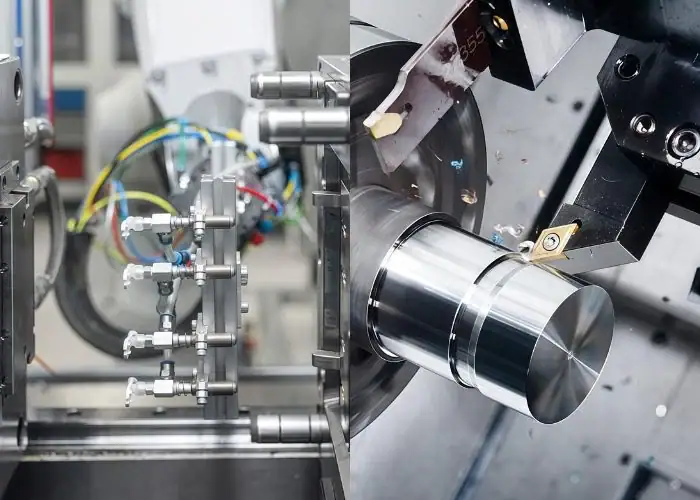
A useful cost model is not simply “CNC is expensive” or “molding is cheap.” The correct comparison is:
Total CNC Cost = Programming + Setup + Material + Machining + Finishing + Inspection
versus:
Total Injection Molding Cost = Mold Development + Validation + Material + Molding Cycles + Finishing + Inspection
Upfront Tooling Cost
CNC machining has much lower dedicated tooling cost because production normally uses standard cutting tools and reusable fixtures rather than a complete product-specific mold.
Injection molding requires mold machining before production begins. Depending on the part, this can involve CNC milling services, EDM, electrode machining, grinding, polishing, inserts, cooling channels, sliders, lifters, ejectors, and mold fitting.
That mold investment is why CNC is attractive when the design is still changing or only a small quantity is required.
Unit Cost
Injection molding generally provides a lower unit cost once production volume is high enough because each molding cycle can produce one or several parts very quickly.
CNC machining unit cost remains connected to machine time. Even after programming and setup costs are distributed across a batch, each component still occupies spindle time and consumes cutting-tool life.
This means injection molding can eventually dominate large-volume economics even though its initial investment is much higher.
Cost At Low, Medium, And High Production Volumes
CNC machining usually provides the better economics at low volume, while injection molding becomes progressively stronger as volume rises.
| Production Stage | Usually Better Choice | Main Reason |
| 1–10 prototypes | CNC machining | No production mold |
| Tens to hundreds | Often CNC machining | Low tooling commitment |
| Hundreds to low thousands | Project-dependent | Break-even analysis required |
| Thousands to tens of thousands+ | Often injection molding | Tooling amortized over volume |
These ranges are only decision guides, not fixed rules. A simple molded part can justify tooling earlier, while a complex mold costing tens of thousands of dollars may require much greater lifetime demand before molding becomes economical.
When Injection Molding Becomes More Cost-Effective
Injection molding becomes more cost-effective when savings in unit production cost exceed the mold investment over the expected quantity.
For example, if CNC machining costs $30 per part, molding costs $3 per part after tooling, and the mold costs $27,000, the simplified break-even quantity would be about 1,000 parts:
($27,000 ÷ ($30 − $3)) ≈ 1,000 parts.
Real quotations also need to include inspection, mold maintenance, packaging, scrap, design changes, secondary operations, and financing risk.
CNC Machining vs Injection Molding Speed
CNC machining is generally faster for obtaining the first functional parts, while injection molding is dramatically faster for repeated production after the mold is ready.
This distinction is important because “speed” can mean either lead time to first part or cycle time during mass production.
Prototype Lead Time
CNC machining normally provides the faster prototype route because CAD data can move directly into programming, setup, machining, and inspection without waiting for production mold manufacture.
This makes CNC suitable for design validation, assembly testing, functional prototypes, medical development parts, aerospace components, fixtures, and low-volume engineering samples.
For early-stage products, saving weeks of tooling time can be more valuable than achieving the lowest possible unit price.
Production Cycle Time
Injection molding has much shorter production cycles once tooling is complete.
A molding machine may produce completed parts in seconds or minutes depending on size, wall thickness, polymer, cooling time, and mold configuration. Multi-cavity molds can further multiply output.
CNC parts often require minutes or hours because every cutting feature must be machined.
Time Required For Tooling
Injection molding requires substantially more tooling preparation because the mold itself is a complex precision manufacturing project.
Mold machining can include cavity and core cnc milling, EDM, drilling cooling passages, precision fitting, polishing, texturing, and trial molding.
CNC production eliminates most of this product-specific tooling stage, making it easier to start production quickly.
Speed From Design Change To Finished Part
CNC machining is faster when a design changes because the CAD model, CAM program, cutting strategy, or fixture can often be updated without rebuilding an entire mold.
Injection molding revisions can require welding, inserting, re-machining, EDM, mold fitting, polishing, or even a new tool.
For this reason, CNC machining reduces risk before the design is fully frozen.
CNC Machining vs Injection Molding Production Volume
CNC machining is usually better for prototypes and low-volume production, while injection molding is better for high-volume repeated production. Medium-volume projects require a cost and lifecycle analysis because either process can be economical.
Prototypes And Low-Volume Production
CNC machining is usually the better solution for prototypes and small batches because mold cost does not have to be recovered.
It is also useful when customers need production-like material behavior. A prototype machined from PEEK, Delrin, nylon, ABS, PC, aluminum, or stainless steel can provide more realistic mechanical testing than a low-fidelity prototype process.
Design changes remain easier because the part can be reprogrammed rather than retooled.
Medium-Volume Production
Medium-volume production requires a break-even analysis rather than an automatic process choice.
CNC may remain economical if the part is expensive, highly precise, frequently revised, produced intermittently, or requires materials unsuitable for injection molding.
Injection molding may become attractive earlier if the geometry is simple, mold cost is moderate, annual demand is stable, and unit cost reduction is substantial.
High-Volume Production
Injection molding is normally the stronger choice for high-volume plastic parts with stable designs.
The mold can repeat the same geometry for many cycles, and multi-cavity tools may produce several components in each shot. Xometry notes that injection molds can range from single-cavity designs to tools containing many cavities, providing much higher machine-hour output than sequential CNC machining.
Examples include consumer products, medical disposables, electronic housings, automotive clips, caps, connectors, packaging, and repeated plastic hardware.
CNC Machining vs Injection Molding Tolerances And Precision
CNC machining generally provides tighter tolerance capability and more direct dimensional control than injection molding, while molding provides excellent repeatability once shrinkage, cooling, mold design, and process conditions are stabilized.
CNC Machining Tolerance Capability
CNC machining can hold tight tolerances because dimensions are created directly by controlled machine movement and cutting-tool paths.
Xometry gives ±0.001in as a representative CNC capability for suitable applications. Such tolerances should not automatically be applied to every feature because deeper holes, thin walls, very large parts, difficult materials, and complex setups can increase manufacturing difficulty and cost.
Precision planning should identify only the features that truly need tight tolerance.
Injection Molding Dimensional Variation
Injection molding dimensions are influenced by both mold geometry and polymer behavior during filling and cooling.
Xometry lists approximately ±0.005in as a representative molding tolerance, but polymer type, wall thickness, part size, gate location, mold temperature, cooling, and shrinkage all affect the actual value.
Highly controlled injection molding can still produce precise components, but dimensional engineering must account for the behavior of the molded material.
Shrinkage, Warpage, And Tool Wear
Shrinkage and warpage occur because molded polymers contract while cooling and may cool unevenly across different wall thicknesses.
Geometry, ribs, bosses, gate position, material orientation, fiber reinforcement, cooling channels, and mold temperature can influence final dimensions.
Mold wear can also gradually affect production quality, which is why tooling maintenance and process monitoring are important over long production runs.
Which Process Is Better For Tight Tolerances?
CNC machining is generally better when individual features require very tight tolerances or precise relationships between holes, surfaces, bores, and datums.
Injection molding is better when very large quantities require consistent molded geometry within a practical tolerance range.
Some high-volume components use both processes: injection molding creates the near-net part, and CNC machining finishes critical holes, sealing surfaces, bearing locations, or precision interfaces.
Materials For CNC Machining vs Injection Molding
CNC machining offers the broader material range because it can process metals, plastics, and many composites, while injection molding mainly uses moldable polymers and specially formulated molding compounds.
Plastics Suitable For Both Processes
Several engineering plastics are available in both machinable stock and molding grades.
Examples include:
- ABS
- Nylon
- POM/Acetal
- PEEK
- Polycarbonate
- Polypropylene
- Polyethylene
- PPS
- PEI
However, the same polymer family may behave differently depending on grade, filler, molecular structure, stock manufacturing method, and molding conditions.
Materials Better Suited To CNC Machining
CNC machining is better when a project requires metals or rigid high-performance stock materials.
Common CNC materials include aluminum, stainless steel, titanium, brass, copper, tool steel, PEEK, Delrin, PTFE, and engineering plastic plates or rods.
This broad selection is important for aerospace, medical, industrial equipment, robotics, and high-performance prototypes.
Materials Better Suited To Injection Molding
Injection molding is better for thermoplastic materials that must be produced as repeated complex parts, especially flexible or thin-wall polymers that may be difficult to machine efficiently.
Injection molding can also incorporate glass fibers, mineral fillers, colors, flame-retardant additives, and other formulations directly into production resin.
Very soft elastomeric materials are generally more practical to mold than to CNC machine.
How Material Choice Affects Cost And Performance
Material choice affects both manufacturing cost and final performance because each process uses material differently.
CNC cost is strongly affected by raw stock price, chip waste, cutting speed, tool wear, and material machinability. Injection molding cost is affected by resin price, drying, melt temperature, shrinkage, cycle time, mold wear, and scrap.
The correct comparison should therefore use the same functional performance target rather than simply comparing raw material prices.
Design Geometry And Complexity
CNC machining provides greater freedom for design changes and precision-accessible features, while injection molding can efficiently create highly complex molded shapes if the geometry follows mold design rules.
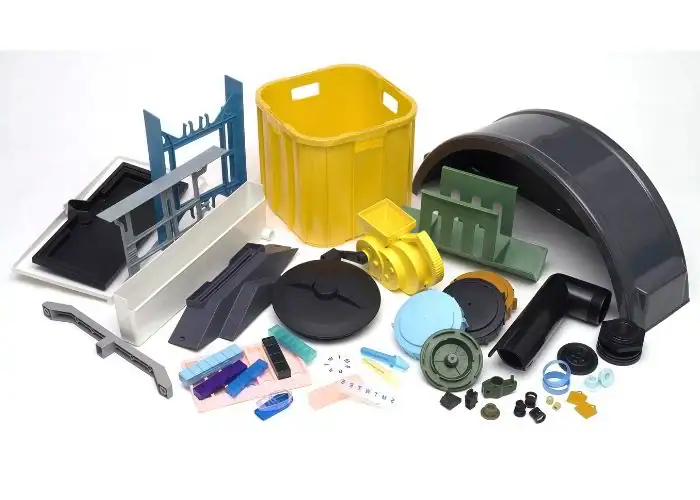
Undercuts, Draft Angles, And Wall Thickness
Injection-molded parts usually need draft angles to allow clean ejection from the mold, while CNC-machined parts generally do not require draft purely for manufacturing.
Injection molding also benefits from controlled and relatively uniform wall thickness because large thickness transitions can cause sink, shrinkage, and cooling problems.
Undercuts may require sliders, lifters, collapsible cores, or other complex mold actions, increasing tooling cost.
Deep Features And Internal Geometry
CNC deep pockets and internal features are limited by tool reach, tool diameter, rigidity, chip evacuation, and access direction.
Injection molding can create some deep or integrated geometries directly through mold cores, but every geometry must still permit molding, filling, cooling, and ejection.
Neither process is universally superior for internal complexity, manufacturability depends on feature accessibility and moldability.
Complex 3D Shapes
Both processes can create complex 3D shapes, but they do so differently.
Five-axis CNC machining is useful for sculpted surfaces, multi-angle features, deep cavities, medical parts, aerospace components, and geometry that must be produced from solid stock.
Injection molding is particularly powerful for ribs, bosses, clips, snap fits, texture, and integrated plastic features that would require extensive machining if cut individually.
Design Freedom And Manufacturing Limitations
CNC machining provides more freedom during development because design restrictions are mainly related to tool access, cutter geometry, workholding, rigidity, and machine travel.
Injection molding design is tied more closely to draft, wall thickness, parting lines, gates, ejectors, cooling, undercuts, and mold construction.
DFM should therefore be completed before selecting either process.
Design Changes And Flexibility
CNC machining is more flexible for design changes because dimensions and geometry can often be modified digitally, while injection molding may require physical mold modification.
Why CNC Machining Is Easier To Modify
CNC machining is easier to modify because changing a CAD model can often be followed by updated CAM programming and new machining instructions.
Small hole-position changes, pocket adjustments, wall modifications, and dimensional revisions may not require new permanent tooling.
This makes CNC highly suitable during iterative engineering development.
Mold Changes And Tooling Rework
Injection molding changes become more difficult after steel or aluminum has been removed from the mold.
Some mold corrections can be made by welding, inserting, machining, EDM, or replacing mold components, but substantial design changes can become expensive.
Late-stage product revisions therefore increase financial risk after tooling has been released.
Best Process For Product Development
CNC machining is usually the better process during early product development because it allows functional testing before committing to production tooling.
A practical workflow is:
CAD Design → CNC Prototype → Testing → Design Revision → Low-Volume CNC Production → Design Freeze → Mold Machining → Injection Molding
This sequence helps reduce the risk of investing in an expensive mold before the product is fully validated.
Surface Finish And Final Part Quality
CNC machining normally provides high-quality precision surfaces directly from controlled cutting operations, while injection molding reproduces the surface texture and quality of the mold over every production cycle.
CNC Machined Surface Finish
CNC surface finish depends on tool geometry, feed rate, spindle speed, step-over, tool condition, rigidity, and material.
RapidDirect gives a representative as-machined surface range of roughly Ra0.8–3.2μm, although actual values depend strongly on process and part requirements.
Grinding, polishing, bead blasting, anodizing, plating, and other secondary finishes can be added when required.
Injection Molded Surface Finish
Injection molded surface quality is primarily controlled by mold condition, mold texture, polymer flow, temperature, venting, and processing stability.
A polished mold can repeatedly reproduce a glossy surface, while etched or textured tooling can create controlled matte or patterned finishes.
Defects such as flow marks, sink, weld lines, burn marks, flash, or gate vestiges may appear if part or process design is not optimized.
Repeatability And Part-to-Part Consistency
Injection molding provides excellent part-to-part consistency after the process has been validated because every cycle uses the same mold cavity.
CNC also provides strong repeatability, particularly with stable tooling, probing, automation, pallet systems, and controlled inspection.
The difference is throughput: injection molding can repeat parts much faster at large scale.
Secondary Finishing Requirements
Both processes may require secondary finishing depending on the drawing.
CNC parts may need deburring, anodizing, chrome plating, painting, grinding, polishing, heat treatment, or passivation.
Molded parts may need gate trimming, painting, plating, ultrasonic welding, heat staking, printing, assembly, or CNC finishing of critical dimensions.
Strength And Performance Of Finished Parts
Finished-part strength depends more on material, geometry, processing history, temperature, fiber orientation, and loading direction than on the process name alone. CNC machining preserves properties of solid stock, while injection molding introduces flow orientation, weld lines, shrinkage, and molded-in stress.
Machined Stock Material Performance
CNC-machined parts are cut from pre-produced plate, rod, bar, sheet, billet, or molded stock.
This can provide predictable material properties based on the stock specification and makes CNC attractive for performance testing where engineering-grade material is needed.
However, residual stress in plastic stock can still cause movement after heavy material removal.
Molded Material Performance
Injection-molded performance depends on resin grade and processing conditions.
Melt temperature, mold temperature, packing pressure, cooling, moisture, fiber content, and weld-line position can affect strength and dimensional stability.
This is why molded material datasheet values should not be treated as guaranteed values for every finished geometry.
Fiber Orientation, Stress, And Part Strength
Fiber-reinforced injection-molded plastics can become directionally dependent because fibers tend to align with melt flow.
This may produce very high performance in one direction but different shrinkage and strength in another.
For structural molded parts, simulation, gate location, wall design, and testing can therefore be as important as nominal material strength.
Material Efficiency And Waste
Injection molding generally uses material more efficiently per finished part, while CNC machining creates more physical scrap because the required geometry is cut from larger stock.
CNC Material Removal And Scrap
CNC machining generates chips, offcuts, drilled material, and stock remnants.
Metals such as aluminum and steel can often be recycled effectively, but material still has to be purchased, cut, handled, and removed before recycling.
Near-net stock selection and optimized nesting can reduce waste.
Injection Molding Material Efficiency
Injection molding converts resin directly into near-final geometry and normally generates less machining scrap.
Runner systems, sprues, startup material, rejected parts, and purging still create waste, although hot-runner systems can reduce runner material.
This gives molding a strong material-efficiency advantage at high volume.
Regrind And Reuse Considerations
Some molding scrap can be reground and reused, but reuse depends on polymer type, contamination, thermal history, color, certification, and customer requirements.
Medical, aerospace, optical, or safety-critical parts may have stricter limits on recycled processing material.
Sustainability should therefore be evaluated at the complete process level rather than assuming all scrap can automatically return to production.
Tooling Life And Maintenance
CNC machining relies on replaceable cutting tools and reusable fixtures, while injection molding depends on a dedicated mold that may produce large quantities but requires inspection, cleaning, repair, and maintenance throughout its life.
CNC Cutting Tool Wear
CNC tools wear through contact with the workpiece, heat, abrasion, interrupted cutting, and chip load.
Tool life depends strongly on workpiece material. Aluminum can be relatively easy to machine, while stainless steel, titanium, glass-filled plastics, and abrasive composites can accelerate tool wear.
Tool monitoring and scheduled replacement help maintain dimensional consistency.
Injection Mold Life
Injection mold life can range from relatively short prototype tooling to very large production quantities depending on mold material, part geometry, resin abrasiveness, pressure, maintenance, and design.
Hardened production molds cost more initially but may support much longer service than soft prototype tools.
The correct mold specification should therefore reflect expected lifetime demand.
Maintenance And Replacement Cost
CNC machining distributes tooling maintenance across cutters, holders, probes, fixtures, and machines, while injection molding concentrates substantial value in the mold.
Injection mold maintenance may involve polishing, replacing ejector pins, repairing gates, maintaining slides, cleaning vents, restoring surfaces, and checking cooling systems.
Mold lifecycle cost should be included in long-term quotations.
Environmental And Energy Considerations
Neither CNC machining nor injection molding is automatically more sustainable, environmental impact depends on material, energy use, scrap recovery, tooling, production volume, part life, transport, and recycling.
Energy Use
CNC machines consume energy during spindle operation, axis movement, coolant circulation, compressed air, chip handling, and auxiliary systems.
Injection molding uses significant energy to heat plastic, clamp the tool, inject material, cool the mold, and operate automation.
Energy per finished part can favor molding during high-volume optimized production because many parts are produced rapidly.
Material Waste
CNC generates more direct machining waste because solid material is removed to create geometry.
Injection molding creates less subtractive waste but can still generate runner material, rejects, purge material, and startup scrap.
Recycling capability depends on the material and quality requirements.
Tooling And Lifecycle Impact
Injection molding requires significant material and energy to manufacture the mold, so that environmental investment makes more sense when the mold produces enough parts.
CNC requires less dedicated tooling but continues consuming machine time for each component.
Lifecycle quantity is therefore important in both environmental and financial comparisons.
Safety Considerations
Both processes require industrial safety controls, but their primary hazards differ: CNC machining involves rotating cutting tools, chips, workholding, coolant, and machine motion, while injection molding involves molten polymers, high pressure, heated equipment, and clamping forces.
CNC Machining Safety Risks
CNC machining risks include rotating spindles, cutting tools, hot chips, sharp edges, tool breakage, high-pressure coolant, automatic axes, and improperly secured workpieces.
Modern CNC machines use guarding, interlocks, probing, tool monitoring, and enclosed machining zones, but trained setup and operating procedures remain essential.
Automation reduces exposure to some tasks but does not eliminate setup, maintenance, inspection, or process-control requirements.
Injection Molding Safety Risks
Injection molding risks include hot polymer, heated barrels, high injection pressure, powerful mold-clamping systems, moving ejectors, robots, and purging operations.
Operators must also consider polymer fumes, mold-change handling, hydraulic systems, and high-temperature surfaces.
Lockout procedures and proper machine guarding are essential during maintenance and mold changes.
What Are The Similarities Between CNC Machining And Injection Molding?
CNC machining and injection molding are similar because both can produce precise functional parts, support complex geometry, require engineering material selection and DFM, and play important roles in product development and production.
Both Can Produce Precision Plastic Parts
Both CNC machining and injection molding can manufacture functional engineering plastic parts.
CNC is commonly selected when tolerances, low quantity, fast changes, or stock-material properties are important. Injection molding is selected when repeated production efficiency matters more.
Some products use machined prototypes before changing to molded production parts.
Both Support Complex Geometries
Both processes can create complex parts, although their design rules differ.
CNC complexity depends on tool access, axis motion, cutter geometry, setup, and workholding. Molding complexity depends on mold actions, draft, parting lines, flow, cooling, and ejection.
A geometry that is difficult for one process may be straightforward for the other.
Both Require DFM And Material Selection
Both processes require DFM because manufacturability affects cost, quality, lead time, and failure risk.
CNC DFM reviews tool access, pocket depth, radii, tolerance, wall thickness, threads, and setups.
Injection-molding DFM reviews draft, wall thickness, ribs, bosses, undercuts, gates, cooling, shrinkage, and ejector location.
Both Are Important In Product Development
Both processes are often used at different points in the same product lifecycle.
CNC supports prototypes and early low-volume production. Injection molding supports scale after design validation.
This makes the two processes complementary rather than direct competitors in many projects.
Common Applications Of CNC Machining And Injection Molding
CNC machining is commonly used for precision prototypes, low-volume components, metal parts, tooling, and engineering plastics, while injection molding is commonly used for repeated plastic housings, clips, medical products, automotive components, electronics, and consumer products.
CNC Machining Applications
CNC machining applications include aerospace brackets, medical components, robotics parts, semiconductor fixtures, aluminum housings, shafts, manifolds, prototypes, mold inserts, jigs, and engineering plastic components.
The process is especially valuable when the quantity is limited but tolerance, material performance, geometry, or engineering flexibility is important.
Mold machining is also a major CNC application because injection mold cores, cavities, inserts, plates, and electrodes require precision manufacturing before molding begins.
Injection Molding Applications
Injection molding applications include electronic housings, connectors, automotive interior parts, medical disposables, packaging, caps, switches, kitchenware, toys, appliance components, and other repeated plastic products.
The process is most attractive when demand is stable and production quantity is high enough to justify tooling.
Complex ribs, clips, bosses, textures, and assembly features can often be molded directly into each cycle.
When Both Processes Are Used In The Same Product
Both processes are used together when CNC machining supports prototypes, molds, fixtures, or precision secondary features while injection molding produces the final high-volume body.
A common production path is:
CNC Prototype → Product Testing → Mold Machining → Injection Molding → CNC Secondary Machining → Inspection
This approach allows manufacturers to use the flexibility of CNC and the scale of injection molding in the same project.
How To Choose Between CNC Machining And Injection Molding?
Choose CNC machining when you need prototypes, low volumes, design flexibility, tight tolerances, or broad material options, choose injection molding when the plastic design is stable and production volume is high enough to justify mold investment.
Choose CNC Machining For Prototypes And Low Volume
Choose CNC machining when quantity is low or the design is still changing because avoiding mold investment reduces both cost and project risk.
It is especially suitable for functional prototypes, bridge production, custom parts, replacement components, engineering tests, and low-volume precision manufacturing.
CNC also allows engineers to evaluate a product before committing to production tooling.
Choose Injection Molding For High Volume
Choose injection molding when thousands or larger quantities of the same plastic component are required and the design has been validated.
Once mold cost is distributed across enough parts, per-unit cost can become substantially lower than machining.
High-volume consumer, automotive, medical, and electronic plastic parts commonly follow this route.
Choose Based On Tolerance
Choose CNC machining when the design contains very tight critical dimensions or precise positional relationships.
Injection molding can achieve excellent repeatability, but polymer shrinkage and cooling behavior create additional dimensional variables.
A hybrid solution may use molding for the main geometry and CNC machining for a few critical features.
Choose Based On Material
Choose CNC machining when the part requires aluminum, stainless steel, titanium, copper, brass, PEEK stock, PTFE, or another material that is not practical for conventional injection molding.
Choose injection molding when a suitable thermoplastic resin can meet the performance target and production quantity supports tooling.
Material certification and actual operating environment should always be checked before changing manufacturing method.
Choose Based On Geometry
Choose CNC when geometry is accessible to cutting tools and does not justify complex mold construction.
Choose injection molding when features such as ribs, bosses, snaps, textures, thin walls, and integrated plastic details can be efficiently molded into every part.
Undercuts, deep cavities, internal corners, wall thickness, and tool access should all be reviewed during DFM.
Choose Based On Cost And Lead Time
Choose based on the total project cost and product lifecycle rather than unit price alone.
For a new product, CNC may be more economical even at a higher piece price because it avoids mold risk and supports design changes. Once demand becomes predictable, injection molding may provide a much lower long-term unit cost.
A practical decision path is:
Prototype → CNC Machining → Validation → Low-Volume Production → Design Freeze → Mold Investment → Injection Molding
FAQs
Is CNC Better Than Casting?
CNC machining is better than casting when the project needs low volume, tight tolerances, fast design changes, and no casting tooling. CNC can achieve representative tolerances around ±0.001in on suitable parts, while casting usually creates a near-net shape that may still require machining. Casting becomes more economical for larger quantities or geometries where machining away large amounts of material would be inefficient. The best choice depends on alloy, quantity, geometry, tolerance, tooling cost, and final surface requirements.
Is CNC The Same As Machining?
CNC is a type of machining, but machining is the broader category. Machining includes cnc milling, cnc turning, drilling, boring, grinding, sawing, and other material-removal processes that may be manual, conventional, or computer-controlled. CNC stands for Computer Numerical Control and automates machine motion using programmed instructions. Modern CNC systems can control 3-axis, 4-axis, or 5-axis machines and produce repeatable precision components with much less manual tool positioning than conventional machining.
Will AI Replace CNC Machining?
AI is unlikely to replace CNC machining itself, it is more likely to automate programming, monitoring, optimization, inspection, maintenance, and process decisions around CNC production. NIST’s current manufacturing AI work specifically focuses on reliable human-AI teaming, rather than manufacturing without people. The U.S. Bureau of Labor Statistics also states that machinists will still be required to set up, monitor, and maintain CNC systems, even as automation increases productivity.
Is CNC Machining In High Demand?
CNC machining remains important in manufacturing, although labor demand is shifting toward higher-skill programming, setup, automation, and process control. U.S. BLS data show about 299,500 machinists in 2024, with employment projected at about 299,600 in 2034 and roughly 29,500 machinist openings per year from replacement demand. BLS also notes that demand for CNC tool programmers is expected to remain strong as factories adopt more CNC equipment and automation.
Conclusion
CNC machining and injection molding serve different stages and production goals rather than competing as universally better manufacturing methods. CNC machining is usually the stronger choice for prototypes, low-volume parts, tight tolerances, broad material options, and frequent design changes. Injection molding becomes more economical when a plastic design is stable and production volume is high enough to recover mold investment. Cost, tolerance, tooling, lead time, geometry, material, and expected lifetime quantity should all be reviewed before selecting the process.
At TiRapid, we provide precision CNC machining and manufacturing services for custom metal and plastic parts, including CNC milling, CNC turning, 5-axis CNC machining, prototype production, low-volume manufacturing, and mold machining. Our team can support DFM analysis, material selection, tolerance planning, surface finishing, and quality inspection to help determine whether CNC machining is the right solution before your project moves toward higher-volume production.