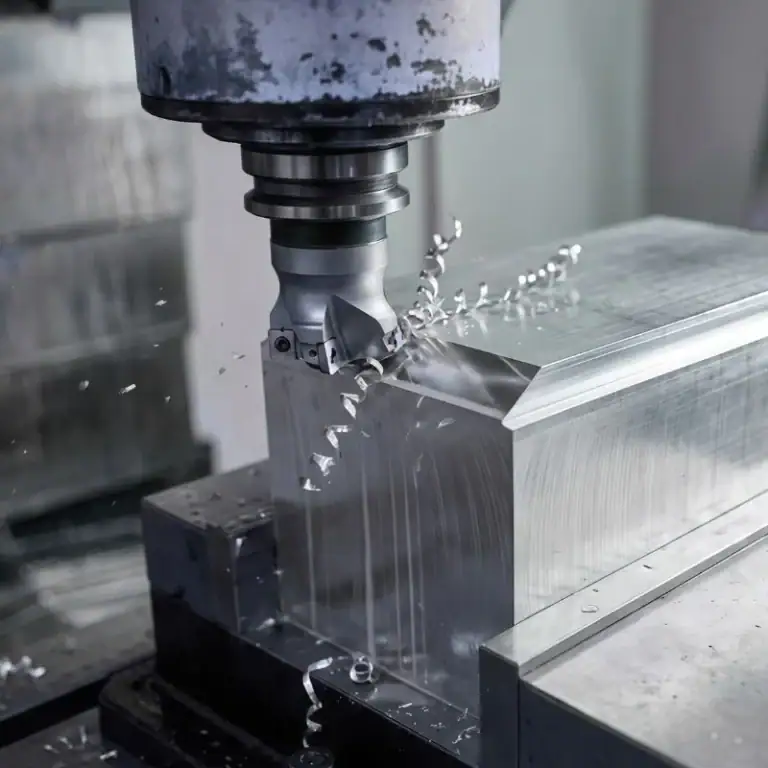
Dental implants are small medical components with fine structures. Features such as micro-holes, connection holes, positioning holes, blind holes, and internal channels generally require high dimensional stability and positional accuracy. When the hole diameter is small, tool rigidity, machining vibration, chip evacuation, hole-edge burrs, and post-machining inspection can directly affect the quality of the finished part. Dental implants are commonly manufactured using precision turning, micro-drilling, milling, and multi-axis machining to complete complex structures, with particular attention to hole diameter, position, coaxiality, and surface quality.
TiRapid can evaluate the machining process according to implant part drawings, 3D models, materials, and production volume requirements. Micro-hole features are treated as key control characteristics, forming a complete CNC machining process from early-stage DFM analysis and machining method selection to tool selection, positioning, hole machining, and dimensional inspection. For projects requiring prototype validation, small-batch production, or continuous mass production, the machining plan can also be adjusted according to actual requirements to maintain stable micro-hole machining while balancing production efficiency and cost control.
Challenges in CNC Machining Micro-Holes in Dental Implants
Difficulty of Machining Small Hole Diameters
Dental implants are commonly machined from titanium and titanium alloys, while some products may also involve stainless steel and cobalt-chromium alloys. Titanium is widely used in dental implants because of its good biocompatibility, but cutting heat, chip evacuation, and tool condition also need to be considered during machining. When the hole diameter becomes very small, conventional drilling can easily be affected by tool runout, tool wear, feed parameters, and workpiece clamping conditions. Even a very small change in hole diameter may cause differences in the actual assembly performance.
Simultaneous Control of Hole Position and Coaxiality
The micro-holes on dental implants do not exist independently. Some holes may have positional relationships with the central axis, threads, connection surfaces, or other precision structures. If multiple setups are used to complete different operations, cumulative errors may occur after repositioning. Therefore, process planning should minimize unnecessary repositioning and, where equipment capabilities allow, arrange related features within a reasonable machining sequence. Medical micro-machining references also identify micro-hole positional stability, tool runout, workpiece fixation, and chip evacuation as important factors affecting micro-hole quality.
Removing Hole-Edge Burrs and Internal Residues
After micro-hole machining, small burrs may remain around the hole edge. Without proper treatment, these burrs may affect assembly, cleaning, and visual inspection. Chip evacuation is also more difficult for blind holes or small holes with greater depths. During machining, cutting parameters and chip evacuation methods need to be properly controlled to prevent chip accumulation from affecting hole diameter stability.
| Machining Items | Key Machining Contents |
| Micro aperture | Aperture size, roundness, repeat machining stability |
| Hole position | Hole center position, distance from the reference plane |
| Hole depth | Actual depth, bottom profile |
| Coaxial structure | Positional relationship between holes, axes and connecting structures |
| Hole orifice | Burrs, chamfers, edge integrity |
| Surface quality | Scratches, tool marks, machining residues |
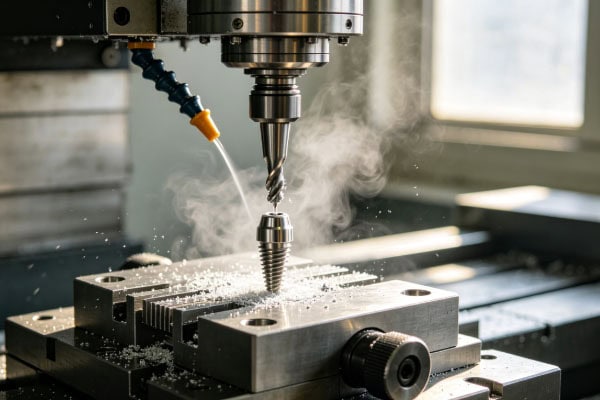
CNC Precision Machining Solution for Micro-Holes in Dental Implants
Start with DFM Analysis Based on Drawings and 3D Models
Before micro-hole machining begins, the product drawings and 3D models need to be reviewed. Hole diameter, hole depth, positional tolerances, and the distance between the hole and other structures can all affect the machining plan. TiRapid can provide a free DFM report before machining and analyze tool access, clamping positions, machining sequence, and inspection requirements based on the part structure. If a micro-hole structure presents machining difficulties, TiRapid can communicate with the customer and make adjustments before production to reduce the possibility of rework during the prototyping stage. For precision medical components, key dimensions in the drawings should clearly define datums and tolerances. This allows machining, inspection, and subsequent assembly to use consistent evaluation criteria.
Select the Appropriate Machining Method According to the Hole Structure
The machining methods used for different dental implant structures are not always the same. Simple straight holes can be produced through precision drilling, while more complex holes may require milling, micro-drilling, or multi-axis machining. At present, precision turning, micro-drilling, thread machining, and multi-axis machining can all be used to manufacture implants and their connection structures. For parts with angled holes, intersecting holes, or holes in space-constrained areas, the tool path needs to be confirmed in advance during programming. A reasonable machining sequence can reduce repeated clamping while lowering the risk of hole-position deviation.
How Can Micro-Hole Quality Be Controlled?
Micro-hole machining is sensitive to vibration. If the workpiece is not securely fixed, even slight movement during machining may affect hole position and dimensions. Therefore, fixture design needs to balance clamping force and part protection to prevent deformation of thin-wall or fine structures during clamping. Machining parameters should be adjusted according to the material, hole diameter, hole depth, and tool condition. For materials such as titanium alloys, the tool and cutting conditions need to be selected appropriately. Industry references indicate that titanium machining requires attention to heat, tool adhesion, and chip control, as these factors can affect micro-hole machining stability.
Quality Control from Micro-Hole Machining to Finished-Part Inspection
Monitor Tool Condition During Machining
The tools used for micro-holes are relatively small, and tool wear or abnormalities can easily affect hole diameter and position. During batch production, if tool condition is not monitored and production relies entirely on a fixed number of machining cycles, changes in tool condition may cause differences in hole quality between earlier and later batches. Therefore, reasonable tool inspection checkpoints should be established according to the material and product structure. For critical holes, first-piece inspection and in-process sampling can also be used to identify dimensional changes in time.
Perform Dimensional Inspection After Machining
After micro-hole machining is completed, hole diameter, hole depth, position, and related mating dimensions need to be inspected according to drawing requirements. For precision medical components, measurement equipment such as CMMs can be used to verify critical dimensions and positional relationships. Some medical CNC manufacturers also use coordinate measurement for dimensional verification of implants, connection structures, and miniature components. During project machining, TiRapid can establish an appropriate quality inspection process based on the customer’s inspection requirements. For projects requiring inspection reports, the inspection scope can be confirmed in advance during the quotation and DFM stages.
Surface Condition Also Needs to Be Included in Inspection
After micro-hole machining, dimensional inspection should be accompanied by checks for obvious burrs, edge chipping, residues, and abnormal tool marks around the hole. If the product will undergo subsequent cleaning, polishing, surface treatment, or assembly, reasonable process conditions need to be reserved during machining to prevent subsequent processing from changing critical dimensions.
| Machining Stage | TiRapid Key Services |
| Drawing Evaluation | Check aperture, hole depth, position and tolerance requirements |
| DFM Analysis | Optimize machining sequence and clamping method |
| CNC Machining | Arrange turning, milling and micro hole machining according to product structure |
| First article Confirmation | Inspect critical dimensions and hole position status |
| Batch Production | Monitor tool condition and machining consistency |
| Finished product Inspection | Perform dimensional and visual inspection as required |
| Delivery | Organize inspection and production documents per project requirements |
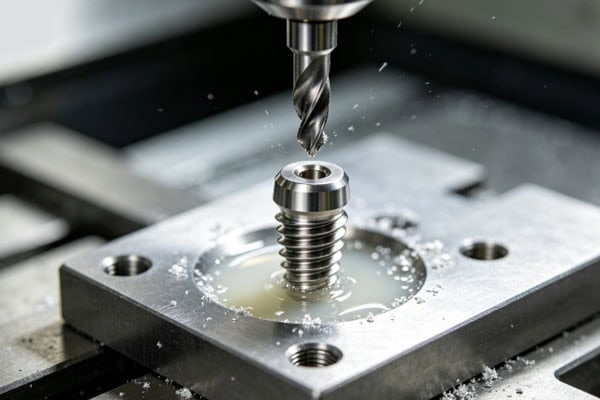
TiRapid Precision CNC Machining Services for Dental Implants
Support from Prototypes to Mass Production
Before entering formal mass production, dental implant projects typically require prototype validation. Prototype machining needs to verify not only the product shape but also hole positions, connection dimensions, and assembly relationships. TiRapid supports single-piece prototypes, small-batch production, and large-scale manufacturing, with machining arrangements adjusted according to the project stage. For newly developed implant components, prototype machining can first be used to verify machining feasibility before moving into subsequent batch production.
Precision Machining Services for Different Requirements
TiRapid provides CNC precision machining, sheet metal fabrication, and 3D printing services, allowing an appropriate manufacturing method to be selected according to the part type. CNC machining is suitable for precision metal components and complex structures, while 3D printing can be used for certain prototype validation and structural verification applications. The company operates its quality management according to ISO9001 certification standards and provides free DFM reports, quotations, and project support. When requesting medical component machining, customers can specify the material, quantity, critical dimensions, and inspection requirements when submitting drawings so that the engineering team can evaluate the machining plan more accurately.
What Information Should Customers Prepare?
Providing complete 3D files such as STEP, STP, or IGES together with PDF engineering drawings can help the engineering team quickly understand the part structure. If a complete engineering drawing is not yet available, a 3D model and key dimensions can be provided first.
It is recommended to provide the following information when requesting a quotation:
- Part material and material grade
- Estimated order quantity
- Critical hole diameters and dimensional tolerances
- Surface treatment requirements
- Whether an inspection report is required
- Delivery time requirements
The more complete the information, the smoother the DFM analysis and quotation process will generally be.
Frequently Asked Questions
Can micro-holes on dental implants be machined by CNC?
Yes. The specific machining method needs to be determined according to the hole diameter, hole depth, position, material, and tolerance requirements. Relatively simple micro-holes can be produced through precision drilling, while complex hole structures may require multi-axis machining or other supporting processes.
Is titanium alloy suitable for CNC machining of dental implants?
Titanium and titanium alloys are common materials for dental and medical implant products and offer good biocompatibility. During CNC machining, the tool and cutting conditions need to be adjusted according to the specific material grade, with particular attention to heat, chip evacuation, and tool wear.
What should receive the most attention during micro-hole machining?
Hole diameter, hole depth, positional accuracy, coaxial relationships, and hole-edge condition generally require close attention. If the hole has a mating relationship with threads, connection surfaces, or other structures, the positional relationship between the relevant dimensions also needs to be checked.
Can TiRapid produce samples before batch production?
Yes. TiRapid supports prototype, small-batch, and batch manufacturing. At the beginning of a project, DFM analysis and prototype machining can be performed first. Subsequent production can then be arranged after the structure and dimensions have been verified.
What information is required for a quotation?
Customers can provide 3D models, 2D engineering drawings, material information, quantity, surface treatment requirements, and inspection requirements. TiRapid can evaluate the project through DFM analysis and provide a quotation based on the supplied information.
TiRapid Precision CNC Machining — Submit Your Project
If your dental implant components contain micro-holes, blind holes, connection holes, or other precision structures, you can first provide the drawings and 3D models. The engineering team will evaluate the machining challenges based on the actual structure and identify dimensions and process requirements that need attention in advance. Whether you are at the initial prototyping stage or have already entered batch production, our machining solutions can help reduce repeated modifications and improve production stability. If you are developing dental implants, precision medical components, or products with micro-hole structures, send your 3D models and engineering drawings to the TiRapid engineering team, and we will provide an appropriate machining solution based on your product structure.
Email: projects@tirapid.com
Phone: +86 760 8999 8536