Magnesium alloys are widely used in aerospace, automotive manufacturing, electronic devices, and high-end industrial products due to their lightweight properties, high strength-to-weight ratio, and excellent vibration damping performance. Compared with traditional metal materials, magnesium alloys can significantly reduce product weight and improve overall performance. However, many companies discover that this material is not as easy to process as expected once production begins. During machining, problems such as deformation, unstable surface quality, and difficulty in dimensional control can easily occur. Especially for high-precision components, magnesium alloy precision machining requires advanced CNC equipment, proper tool selection, and extensive machining experience.
Why Is Magnesium Alloy Precision Machining Challenging?
Although magnesium alloys offer excellent lightweight advantages, they are not considered simple materials to machine. During precision machining, factors such as material rigidity, thermal characteristics, and machining safety can directly affect the final results. Compared with common metals such as aluminum alloys and stainless steel, magnesium alloys are more sensitive to machining conditions. Improper settings may lead to dimensional deviations or surface defects. For this reason, manufacturers need to fully understand the challenges of magnesium alloy machining and develop suitable CNC machining strategies to reduce production risks.
Magnesium Alloy Parts Are Prone to Machining Deformation
Magnesium alloys have a low density, which provides significant weight advantages, but their rigidity is relatively limited compared with some other metals. When machining thin-wall structures or complex components, cutting forces, clamping pressure, and machining sequences can all affect the final shape of the part. If too much material is removed too quickly, internal stress release may cause warping and prevent the component from meeting assembly requirements.
- Thin-wall magnesium alloy parts are more likely to experience dimensional changes.
- Excessive clamping force may affect part stability.
- Improper machining allowance can create residual stress.
- Machining sequences need to be optimized to reduce deformation risks.
To solve these issues, professional CNC machining teams usually analyze part structures in advance and develop suitable machining strategies based on wall thickness, geometry, and tolerance requirements. By controlling cutting conditions and improving fixturing methods, manufacturers can significantly enhance dimensional stability and reduce rework.
Cutting Parameter Control Requires High Precision
Many customers assume magnesium alloys are easy to machine because of their relatively low hardness, but the actual process is more complicated. Different magnesium alloy grades, part structures, tool conditions, and machine capabilities can all influence machining results. If cutting speed, feed rate, or tool selection is inappropriate, problems such as increased surface roughness, tool wear, and reduced accuracy may occur.
- Cutting speeds must be adjusted according to material characteristics.
- Feed rates need to be controlled to avoid excessive cutting forces.
- Proper tools should be selected to improve machining stability.
- Tool paths should be optimized based on part geometry.
Proper machining parameters are the foundation of high-quality magnesium alloy precision machining. Experienced engineers can adjust processes according to different project requirements, helping parts achieve both accuracy and production efficiency.
Higher Safety Requirements During Machining
Magnesium alloys are chemically active metals, and the small chips generated during machining require proper handling. If the machining environment is not properly managed, it may affect production stability and increase operational risks. For magnesium alloy machining, manufacturers must focus not only on precision but also on workshop safety management.
- Properly manage magnesium alloy chips generated during machining.
- Control temperature changes in the machining area.
- Maintain clean equipment and a stable production environment.
A complete safety management process helps ensure more stable magnesium alloy machining while improving overall production efficiency.
How Does CNC Precision Machining Solve Magnesium Alloy Machining Challenges?
Traditional machining methods often struggle to achieve the required combination of accuracy, efficiency, and stability when processing magnesium alloys. CNC machining uses digital control technology to precisely manage tool movement, machining paths, and production parameters, reducing human errors during manufacturing. For complex structures, small-batch production, and high-precision magnesium alloy components, CNC machining provides a more flexible and reliable manufacturing solution.
High-Precision CNC Equipment Improves Machining Stability
Magnesium alloy precision machining requires high-performance equipment, especially when producing complex components. Machine rigidity, positioning accuracy, and operational stability directly influence final product quality. Advanced CNC equipment allows manufacturers to control machining processes more precisely and improve part consistency.
- High-precision machining centers maintain dimensional stability.
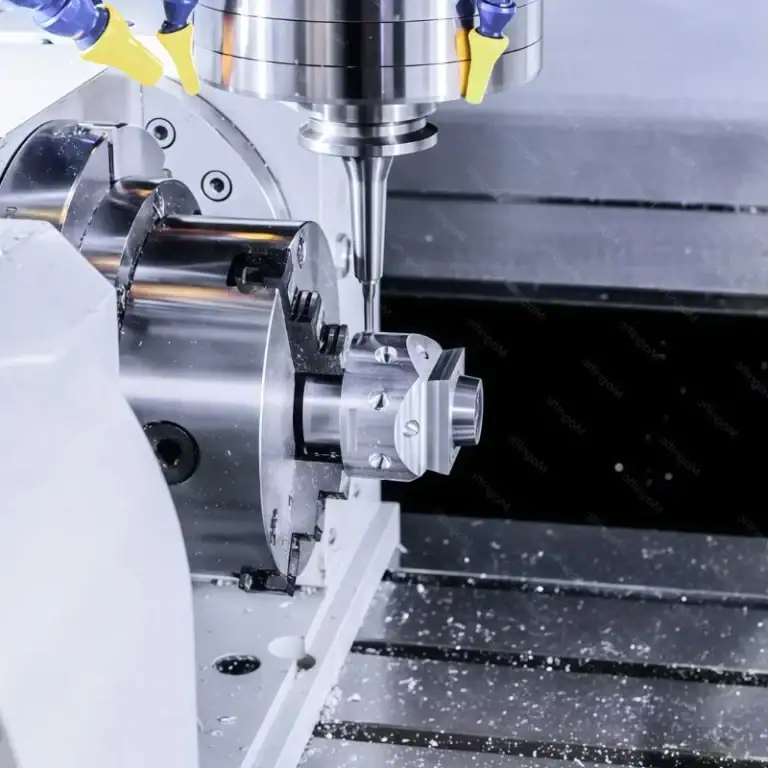
- Multi-axis machines support complex surface machining.
- Stable spindle performance improves surface finish.
- Automated machining reduces human operation errors.
Selecting the right CNC equipment can reduce uncertainties during magnesium alloy machining and make complex part manufacturing more reliable.
Optimizing Tool Selection and Machining Processes
Tool selection is one of the key factors affecting magnesium alloy machining results. Due to the unique characteristics of magnesium alloys, tool sharpness, machining paths, and tool condition all influence final part quality. Improper tool selection may lead to burrs, surface damage, and unstable machining performance.
- Select cutting tools suitable for magnesium alloy machining.
- Design proper tool paths according to part structures.
- Regularly inspect tool wear conditions.
By optimizing tools and machining parameters, manufacturers can reduce defects, improve surface quality, and achieve higher precision machining standards.
Strict Inspection Ensures Machining Accuracy
Precision machining is not only about the production process; final inspection is equally important. Magnesium alloy components are often used in high-performance equipment where dimensional accuracy and assembly requirements are critical. Even minor errors may affect product performance.
- Use coordinate measuring machines to inspect key dimensions.
- Check surface quality and structural integrity.
- Verify consistency among production batches.
A complete inspection system helps identify machining issues early and ensures every component meets customer specifications.
What Industries Use Magnesium Alloy Precision Machining?
As industries continue to pursue lightweight and high-performance designs, magnesium alloy applications are expanding rapidly. From aerospace equipment to automotive components and electronic structures, more companies are using magnesium alloys to reduce weight while maintaining excellent mechanical performance. Different industries have different requirements, so machining solutions must be adjusted according to actual application environments.
Aerospace Applications
The aerospace industry has strict weight requirements, and magnesium alloys provide lightweight advantages that help reduce overall equipment weight.
- Aircraft support structures.
- Precision equipment housings.
- Internal functional components.
These components usually require a balance between weight reduction, strength, and dimensional accuracy. Precision machining helps meet strict manufacturing requirements.
Automotive Manufacturing
The automotive industry continues to focus on lightweight designs, making magnesium alloys an important material choice for some structural components. Reducing vehicle weight can improve performance and energy efficiency.
- Transmission housings.
- Internal structural components.
- Functional connection parts.
CNC machining enables complex structures while maintaining assembly accuracy and long-term reliability.
Electronic and Industrial Equipment
Electronic products and industrial equipment require excellent appearance, lightweight structures, and precise designs. Magnesium alloys can meet these demands.
- Product housings.
- Heat dissipation components.
- Precision mounting parts.
Through precision machining, manufacturers can improve dimensional consistency and assembly performance for advanced equipment applications.
How to Choose a Magnesium Alloy Precision Machining Supplier?
Magnesium alloy machining requires not only advanced equipment but also practical experience and process knowledge. When selecting a machining supplier, companies should consider more than price. It is important to evaluate whether the supplier understands magnesium alloy characteristics, has experience with complex components, and maintains a reliable quality control system. A capable machining partner can help reduce manufacturing risks and improve project efficiency.
Choose a Supplier with Material Processing Experience
Magnesium alloys require different machining approaches compared with common metals. Suppliers need relevant experience to solve issues related to deformation, surface quality, and parameter control.
- Understand magnesium alloy machining characteristics.
- Optimize machining solutions.
- Solve practical production challenges.
Extensive machining experience helps reduce trial-and-error costs and ensures smoother project progress.
Support Customized and Small-Batch Production
Many magnesium alloy components are non-standard parts that require customized manufacturing based on customer designs.
- Support rapid prototype development.
- Meet complex structural requirements.
- Provide small-batch precision machining.
Flexible production capabilities help customers shorten development cycles and accelerate product launches.
Maintain a Complete Quality Management System
High-quality components require strict production management and inspection procedures.
- Standardize machining processes.
- Verify critical dimensions.
- Ensure stable product delivery.
A complete quality system helps customers receive reliable precision-machined components.
Although magnesium alloy precision machining offers excellent lightweight advantages, it also presents challenges such as deformation control, parameter optimization, and safety management. By selecting suitable CNC equipment, improving machining processes, and strengthening quality inspection, manufacturers can achieve high-precision and stable magnesium alloy component production. Tirapid specializes in precision machining services, providing high-accuracy CNC machining solutions for magnesium alloys and various metal materials.