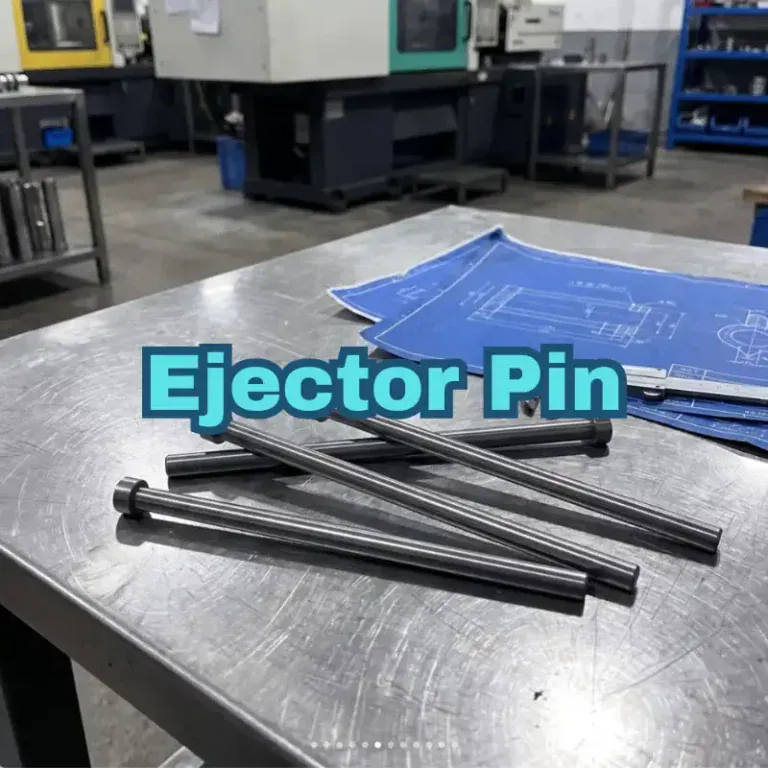
Semiconductor equipment places demanding requirements on every component. Even a small dimensional deviation, surface scratch, or machining burr can affect equipment performance and lead to additional downtime and maintenance costs. Stainless steel offers good strength, corrosion resistance, and heat resistance, making it a common choice for vacuum chamber fittings, equipment connectors, support structures, and precision shafts. However, its relatively high hardness and tendency to generate heat during cutting make machining more challenging. With the right CNC machining processes, manufacturers can better control dimensions, surface finish, and batch consistency to meet the precision requirements of semiconductor equipment.
Why Do Stainless Steel Semiconductor Components Require Precision CNC Machining?
How Does CNC Machining Ensure Dimensional Accuracy in Semiconductor Components?
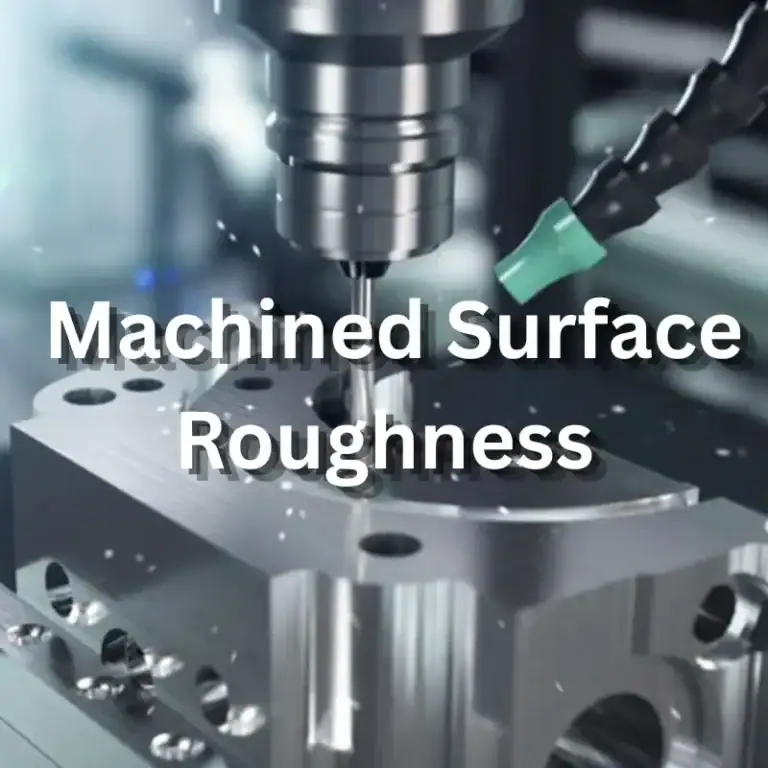
Stainless steel components used in semiconductor equipment often feature mounting holes, threaded holes, locating grooves, and precision mating surfaces. Any deviation in these areas can make assembly difficult and may even affect internal sealing and positioning. CNC machining uses programmed tool paths and cutting parameters to reduce errors caused by manual operations.
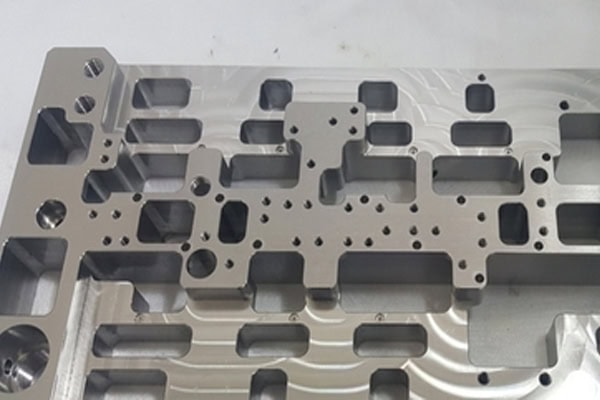
During machining, several areas require particular attention:
- Mounting and locating holes: Control hole diameters, spacing, and positional tolerances to prevent alignment problems during assembly.
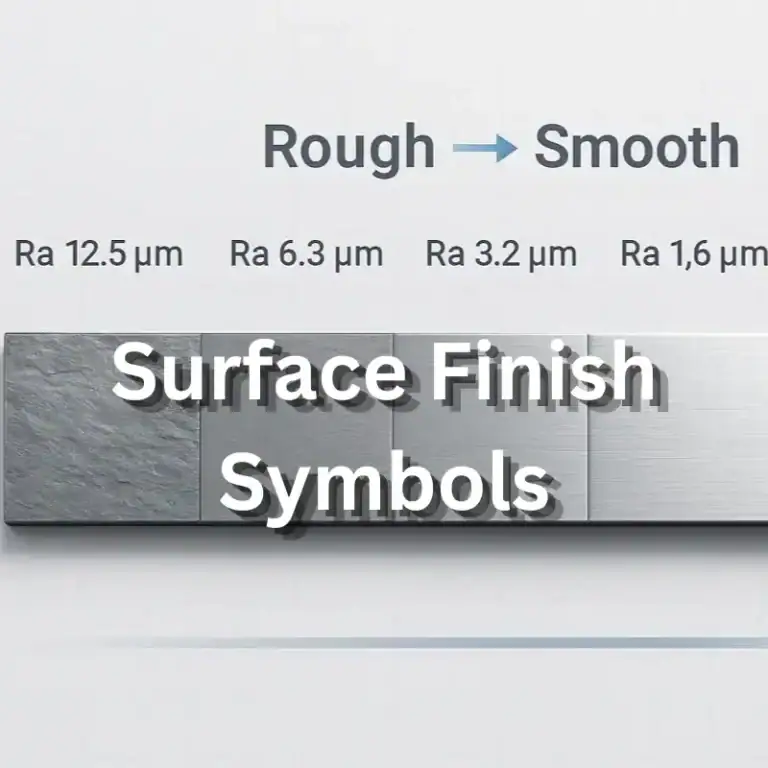
- Sealing surfaces: Maintain flatness and surface roughness to reduce the risk of leakage.
- Threaded connections: Ensure thread pitch, profile, and effective depth meet drawing specifications.
- Thin-wall structures: Arrange cutting sequences carefully to reduce the risk of material deformation.
Precision control should not stop at checking individual dimensions after machining. The relationships between critical features also need to be inspected. For components designed for long-term equipment operation, dimensional stability and consistent assembly fit are equally important.
Which Stainless Steel Components Are Suitable for Semiconductor Equipment?
Different equipment structures have different component requirements. Some parts need to withstand mechanical loads, while others require better corrosion resistance and surface quality. CNC milling, turning, and drilling can be used to manufacture metal components with different shapes and structures.
| Component Type | Common Machining Requirements | Typical Applications |
| Stainless steel connectors | Accurate hole positions and complete threads | Equipment module connections |
| Precision shafts | High concentricity and dimensional stability | Transmission and positioning systems |
| Vacuum chamber fittings | Flat sealing surfaces and good surface finish | Vacuum equipment assemblies |
| Mounting support bases | Good flatness and accurate hole spacing | Equipment mounting and support |
| Stainless steel fixtures | Strong structure and repeatable positioning | Workpiece holding and assembly assistance |
Components with complex curves, deep holes, or multiple mounting positions often require careful process planning. This helps prevent positioning difficulties during subsequent machining operations.
Which Stainless Steel Grades Are Commonly Used for Semiconductor Components?
304 stainless steel offers good corrosion resistance and machinability, making it suitable for many standard equipment structural components. Grade 316 provides stronger corrosion resistance and is often used for parts exposed to more demanding chemical environments. Grade 303 offers better machinability, although its suitability depends on the component’s corrosion resistance and mechanical performance requirements. Material selection should consider more than the grade number. The equipment operating environment, contact media, and required post-processing treatments also matter.
How Should CNC Machining Processes Be Selected for Stainless Steel Semiconductor Components?
Which Components Are Best Suited to CNC Milling and Turning?
Stainless steel components come in many shapes, and the machining method directly affects production time and final quality. Parts with flat surfaces, grooves, and complex contours are generally suitable for CNC milling. Shafts, sleeves, cylindrical connectors, and other rotational components are usually better suited to CNC turning. Some parts require a combination of milling and turning to achieve both dimensional accuracy and production efficiency.
| CNC Machining Process | Suitable Features | Main Advantages |
| CNC milling | Flat surfaces, grooves, irregular contours | Suitable for complex structures |
| CNC turning | Shafts, sleeves, cylindrical parts | Controls outer diameters and concentricity |
| CNC drilling | Mounting holes, deep holes, threaded holes | Maintains hole position and diameter |
| Multi-process machining | Multi-sided structures and compound components | Reduces errors from repeated setups |
How Can Deformation and Burrs Be Reduced When Machining Stainless Steel?
Stainless steel has relatively low thermal conductivity, which means cutting heat can build up around the contact area between the tool and workpiece. If the feed rate, spindle speed, or cooling method is unsuitable, problems such as accelerated tool wear, surface scratches, and burr formation may occur. Cutting loads need to be controlled, with an appropriate machining allowance left for finishing operations.
Several production details deserve attention:
- Choose suitable cutting tools: Use tool materials and cutting-edge geometries designed for stainless steel machining.
- Optimize cutting parameters: Control cutting speed and feed rate to avoid prolonged heavy cutting loads.
- Use proper workholding: Provide suitable support for thin-wall components to reduce deformation caused by clamping forces.
Chip removal also matters when machining deep cavities and narrow grooves. Accumulated chips can scratch the machined surface and shorten tool life. After machining, burrs should be removed promptly, and component edges should be checked to ensure they meet assembly requirements.
What Surface Finishing Requirements Apply to Stainless Steel Semiconductor Components?
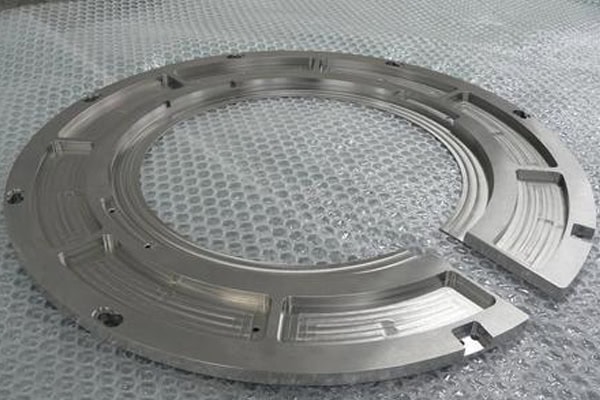
In addition to dimensional accuracy, some components require a specific surface condition. Common finishing processes include deburring, polishing, and passivation. The appropriate method depends on the component’s intended application. For sealing connections, surface roughness and flatness require particular attention. Components used in corrosive environments need suitable material properties and corrosion resistance after surface treatment. Surface finishing cannot replace dimensional inspection, so critical dimensions should be checked before and after treatment.
How Can Quality and Costs Be Controlled in Stainless Steel Semiconductor Component Machining?
What Factors Affect CNC Machining Costs?
Stainless steel material prices, component geometry, and tolerance requirements all affect the final machining quote. A simple-looking part with very tight tolerances may require additional finishing and inspection operations. Components with complex structures and numerous holes may take more time to set up and program. For batch production, tooling preparation and machining cycle time also influence the cost per unit.
Before requesting a quote, prepare complete technical information, particularly the material grade, critical dimensions, tolerance ranges, surface treatment requirements, and estimated order quantity. Clear drawings reduce repeated clarification and help ensure that the machining process meets the component’s actual application requirements.
How Should the Machining Quality of Precision Semiconductor Components Be Inspected?
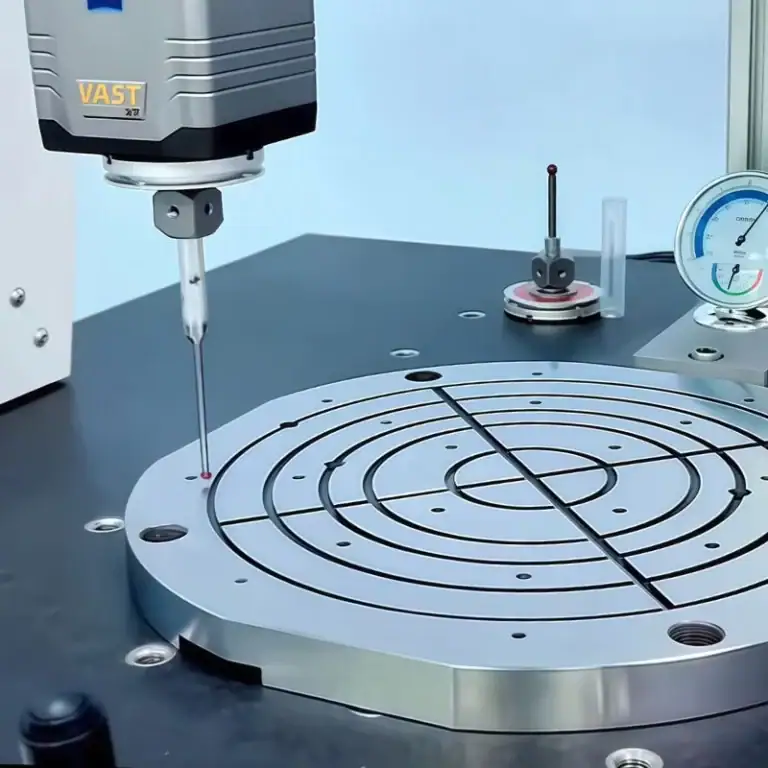
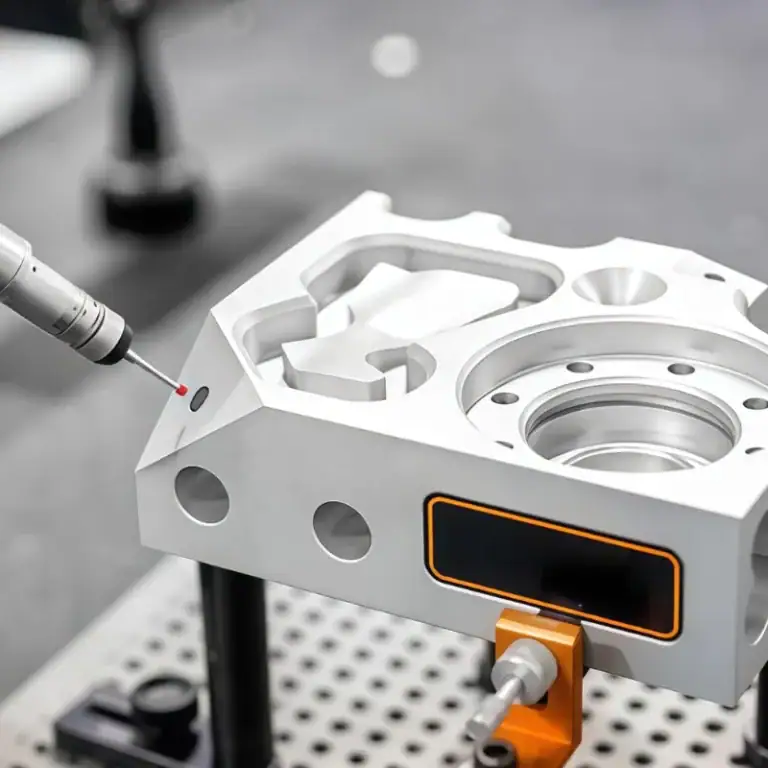
After machining, checking external dimensions with calipers alone is not enough. Precision connectors and positioning components also require inspection of hole spacing, concentricity, flatness, and thread conditions. Different measuring tools are suitable for different tolerances, so critical dimensions should be checked with instruments or inspection equipment that provide the required accuracy.
Common quality inspection items include:
- Dimensional inspection: Use calipers, micrometers, and height gauges to check critical dimensions.
- Geometric tolerance inspection: Check flatness, perpendicularity, and concentricity.
- Visual inspection: Look for scratches, burrs, dents, and machining residue.
- Batch records: Keep inspection data for future traceability and reinspection.
What Information Is Needed for Custom Stainless Steel Semiconductor Components?
To keep the machining process on track, technical drawings should specify the material, dimensions, tolerances, surface roughness, and any special treatment requirements. If a component needs to fit existing equipment, assembly drawings or critical interface dimensions can also be provided. For parts that are still being developed, discussing the operating environment and load conditions in advance can help refine the design and prevent assembly problems after machining is complete.
Stainless steel semiconductor components may be small parts of a much larger system, but dimensional errors, surface defects, and material selection can all affect equipment performance. Choosing the right CNC machining process and carrying out proper in-process inspections helps balance precision, durability, and delivery consistency. If you have stainless steel component drawings, material specifications, or batch production requirements, contact TIRAPID to discuss your machining project and receive suitable process recommendations and a quotation.