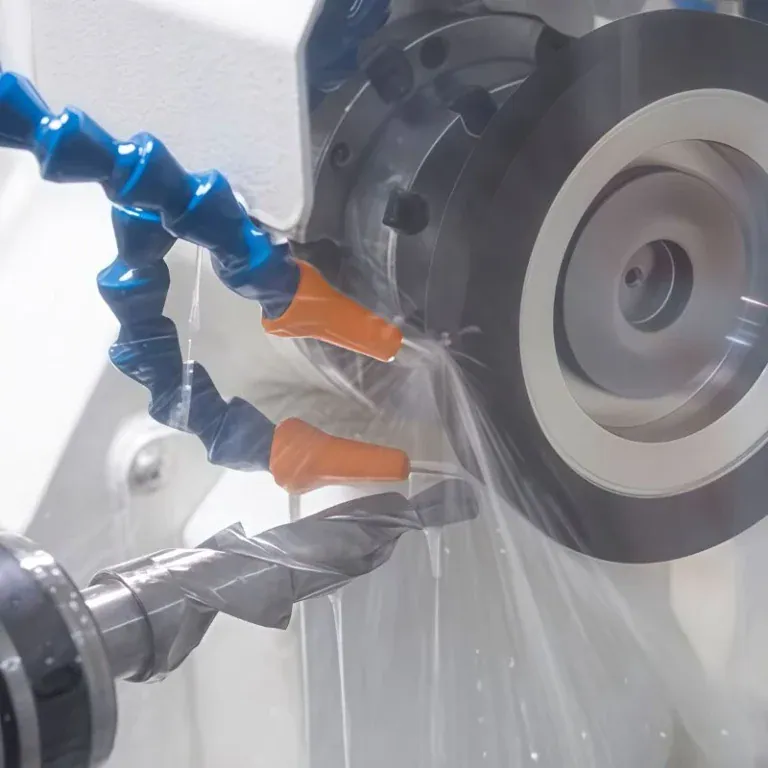
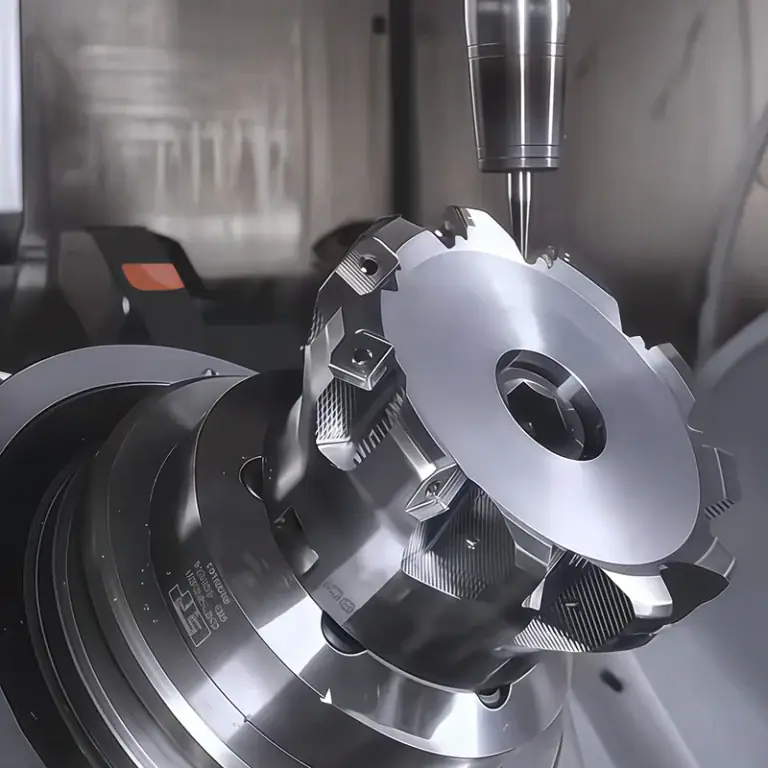
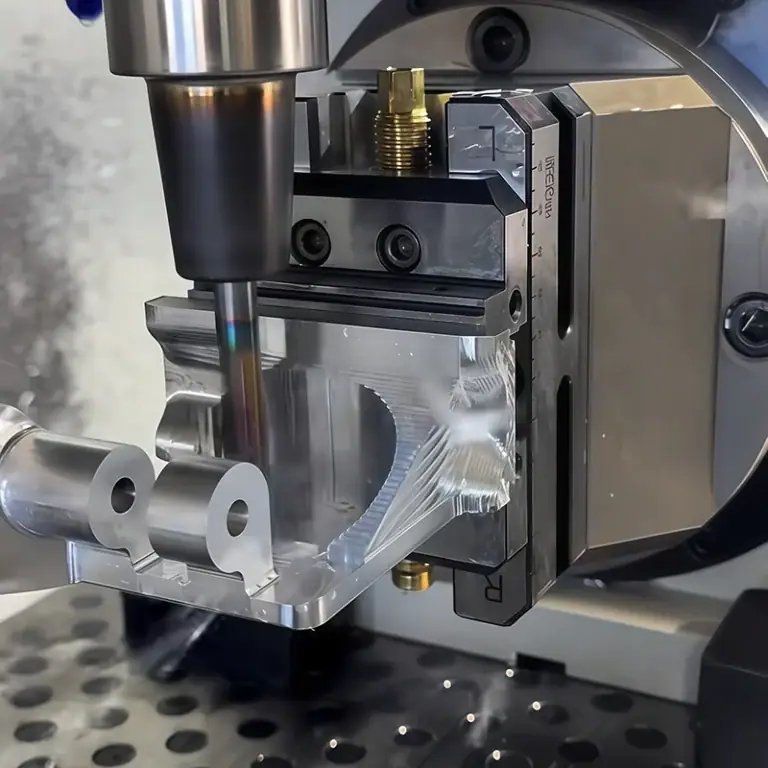
CNC turning is widely used in automotive components, automation equipment, electronics, medical devices, and industrial machinery. For businesses that need custom precision shafts, sleeves, threaded fittings, and metal connectors, controlling machining costs affects not only purchasing budgets but also product quality, production lead times, and supply chain stability. Optimizing part design, material selection, machining processes, and quality inspection can reduce unnecessary machining time and material waste while maintaining the dimensional tolerances specified in engineering drawings. Understanding the cost structure of CNC turning helps purchasing teams improve part designs and establish more efficient cooperation with machining suppliers.
What Determines CNC Turning Costs?
The final price of CNC-turned parts typically includes material costs, programming and machine setup, machining time, tool consumption, quality inspection, and post-processing. Part dimensions, structural complexity, tolerance requirements, and order quantities can also affect the quotation. Understanding these cost factors helps businesses make more informed manufacturing decisions during product development and avoid additional expenses caused by inefficient designs or unclear technical requirements.
Material Selection and Machining Costs
Material purchase price is only one component of the total manufacturing cost. Different metals have different cutting characteristics, hardness levels, thermal conductivity, and tool wear properties. A lower material price does not necessarily translate into a lower final machining cost.
- Aluminum alloys: Aluminum alloys are lightweight and generally offer good machinability, making them suitable for precision connectors, equipment sleeves, electronic components, and automation machinery parts. With a well-designed structure, aluminum parts can often be machined efficiently, reducing machine cycle time. However, the alloy grade, strength requirements, and surface finishing specifications must be confirmed to ensure that lower material costs do not compromise performance.
- Stainless steel: Stainless steel is suitable for components requiring corrosion resistance and mechanical strength, including industrial fittings, fluid equipment components, and mechanical shafts. Some stainless steel grades are prone to work hardening during cutting, requiring careful tool selection, cutting parameter adjustments, and coolant management. Complex geometries and tight tolerances should be considered when estimating machining costs.
- Carbon steel and alloy steel: These materials are commonly used for drive shafts, locating pins, load-bearing connectors, and mechanical components. Certain steel grades require heat treatment to achieve the necessary hardness or wear resistance. This can increase manufacturing costs and cause dimensional changes, so heat treatment requirements should be defined early to ensure proper machining allowances and finishing operations.
- Brass: Brass offers good machinability and is commonly used for threaded fittings, valve components, electrical connectors, and instrument parts. Some free-machining brass grades support efficient batch production. Material selection must still account for the required mechanical properties, alloy grade, environmental regulations, and applicable compliance requirements.
When selecting materials, businesses should evaluate purchase price, material utilization, machining time, tool consumption, and finishing requirements together. For parts with clearly defined functional requirements, choosing a material that meets performance standards and is easy to machine can be more cost-effective than simply selecting the cheapest option.
How Part Design and Tolerances Affect Quotes
CNC turning is particularly suitable for parts with rotational features, such as shafts, sleeves, cylindrical connectors, and threaded components. Deep holes, slender shafts, thin walls, complex grooves, and specialized threads can increase machining difficulty and inspection requirements.
- Eliminate unnecessary design complexity: During the design process, review whether grooves, steps, chamfers, and nonfunctional details are essential. Excessive small features may require additional tool changes or machining operations, extending production time. Retaining only the features required for assembly and performance can simplify manufacturing.
- Set practical dimensional tolerances: Tighter tolerances generally require more precise process control and stricter inspection. Noncritical dimensions can use reasonable tolerances based on their functional requirements, while bearing fits, sealing interfaces, and precision locating features may need tighter controls. Applying unnecessarily strict tolerances to every dimension can increase costs without improving product performance.
- Optimize thin-wall and slender structures: Thin-wall sleeves can deform under clamping and cutting forces, while slender shafts may experience vibration and dimensional deviations. These parts often require carefully planned workholding, support methods, and machining sequences, which should be included in cost estimates.
- Simplify special machining requirements: If a part includes multiple specialized threads, complex internal holes, and strict geometric tolerances, verify whether every requirement is essential to its intended function. Design or assembly adjustments may reduce the need for special tooling, extra operations, and dedicated inspection equipment.
Communicating with a CNC machining supplier during product design helps identify features that are difficult or expensive to manufacture. Design-for-manufacturing improvements can reduce machining complexity and production risks without compromising the part’s intended function.
How to Optimize CNC Turning Processes and Improve Efficiency
CNC turning costs are closely related to machine utilization, cutting parameters, tool life, and production workflow. Effective process planning can reduce unnecessary tool changes, idle movements, and repeated setups while improving dimensional consistency. For businesses with recurring orders, a machining strategy tailored to the material and part geometry can reduce unit costs and improve delivery performance.
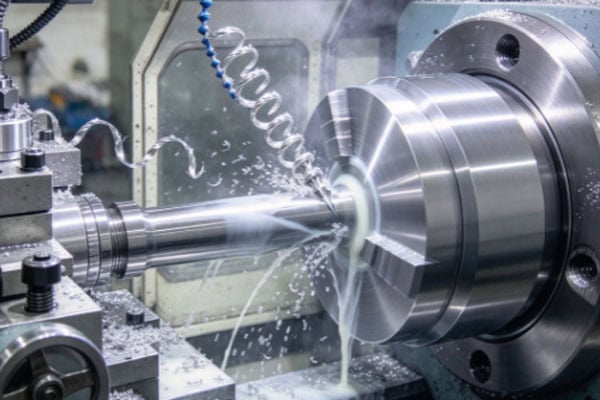
Optimize Cutting Parameters and Tool Selection
Cutting speed, feed rate, and depth of cut influence material removal efficiency, surface finish, and tool life. Overly conservative parameters can extend machining time, while excessively aggressive settings may cause vibration, premature tool wear, or dimensional variation. Actual cutting conditions should be determined according to the material grade, part geometry, tool characteristics, and machine capabilities.
- Separate roughing and finishing operations: Roughing removes excess material efficiently, while finishing controls final dimensions and surface quality. Leaving an appropriate finishing allowance based on the part geometry can reduce cutting loads during the final pass and minimize dimensional changes caused by uneven material removal.
- Choose suitable cutting tools: Different materials may require different tool substrates, cutting-edge geometries, and chip-breaker designs. When machining stainless steel and other difficult-to-machine materials, pay particular attention to heat resistance, wear resistance, and chip evacuation. For batch production, tool life and replacement frequency should also be evaluated.
- Improve chip control: Long, continuous chips can wrap around the workpiece or cutting tool, disrupting automated production. Selecting suitable chip breakers, adjusting feed parameters, and optimizing coolant delivery can improve chip evacuation and reduce downtime caused by manual cleaning.
- Control machining vibration: Workholding rigidity, tool overhang, and cutting loads all affect machining stability. Slender shafts and thin-wall parts may require additional support and carefully adjusted cutting parameters to reduce vibration and protect dimensional accuracy and surface finish.
Cutting parameters should not be based solely on theoretical recommendations. A first-article trial should be used to verify cutting behavior, critical dimensions, and surface quality before parameters are refined using actual production data. Stable machining conditions reduce repeated adjustments, improve machine utilization, and lower the cost of machining defects.
Reduce Setups and Auxiliary Time
Workpiece loading, alignment, tool changes, and material handling all contribute to auxiliary production time. For parts with complex structures or multiple positioning requirements, eliminating unnecessary setups can shorten cycle times and reduce positioning errors.
- Optimize the machining sequence: Where machine travel and tool accessibility permit, arrange the machining of external diameters, end faces, grooves, internal holes, and threads in a logical sequence. This can reduce repeated positioning. Parts requiring concentricity control need particular attention to machining datums and workholding methods.
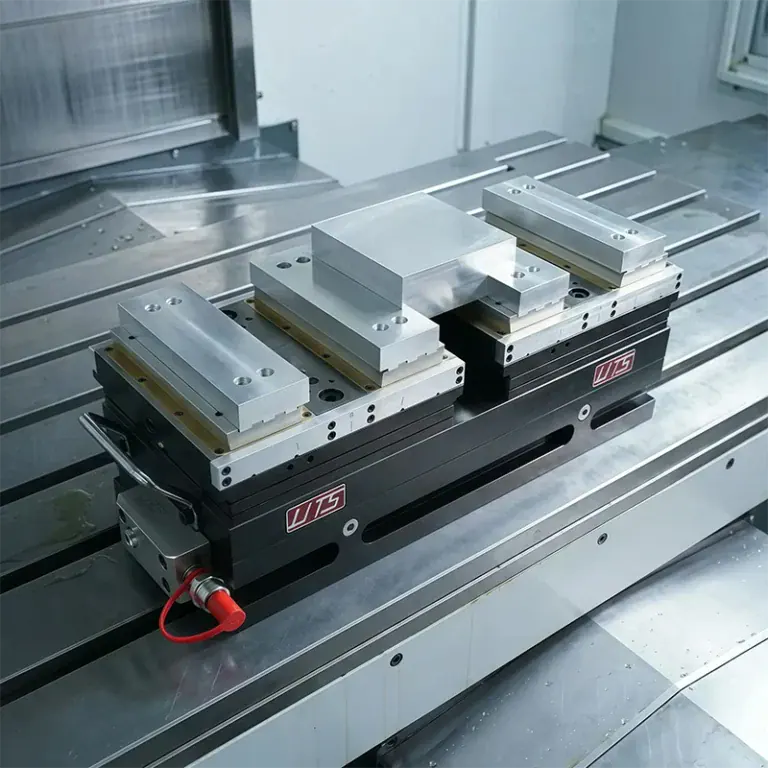
- Use appropriate fixtures: Select chucks, soft jaws, or dedicated fixtures according to part dimensions, geometry, and cutting loads. Dedicated fixtures may increase initial setup costs for batch production, but they can lower long-term manufacturing costs if they shorten loading time and improve consistency.
- Improve CNC program reuse: For recurring parts, verified programs can be reused after confirming their safety and machining quality. Tool offsets, work coordinates, and critical parameters should be managed systematically. Reducing repeated programming and setup adjustments improves production efficiency for repeat orders.
- Prevent unplanned downtime: Regularly inspect tools, fixtures, coolant systems, and machine conditions to identify problems before they affect production. In continuous batch manufacturing, scheduling tool changes and machine maintenance helps reduce unexpected downtime and delivery delays.
Auxiliary time optimization should reflect order volume and production requirements. Single-piece custom jobs often prioritize quick setup and flexibility, while batch orders benefit more from standardized workholding, program management, and consistent process planning.
Improve Material Utilization and Reduce Scrap
Material utilization directly affects manufacturing costs. For large parts, complex geometries, or components made from expensive materials, selecting suitable raw stock dimensions and machining allowances is particularly important. Oversized blanks create unnecessary material waste, while insufficient allowances can leave some surfaces unfinished or cause dimensional nonconformities.
During the design stage, determine raw stock dimensions by considering finished part dimensions, workholding requirements, and the actual cutting sequence. For bar-stock turning, account for cutoff losses, clamping length, and facing allowances. If an order contains several parts with similar dimensions, assess whether standardized stock sizes can be used more efficiently, provided that the material grade and quality requirements remain suitable for every part.
Reducing scrap also improves overall cost performance. First-article inspection, in-process sampling, and tool wear monitoring can identify dimensional drift, surface defects, and thread problems early. When recurring defects appear, investigate their root causes and adjust workholding, cutting parameters, or machining sequences instead of relying solely on final inspection to reject nonconforming parts.
How to Control Total CNC Turning Costs
Effective cost control does not mean simply choosing the lowest machining price. The goal is to reduce unnecessary material consumption, labor time, and quality losses while meeting drawing specifications, functional requirements, and delivery standards. Clear technical requirements during quotation, sample validation, and batch production can reduce pricing discrepancies and last-minute changes while improving supply chain coordination.
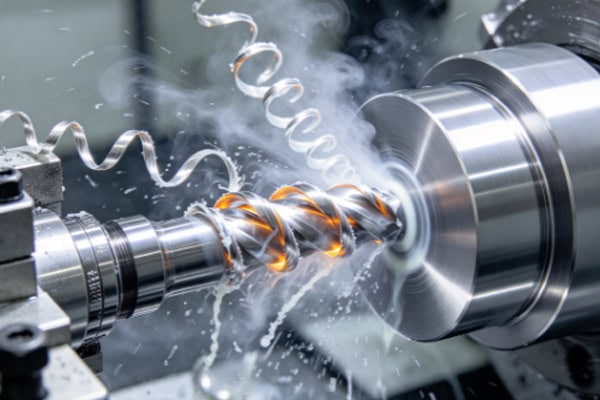
Provide Complete Drawings and Technical Requirements
CNC turning quotations depend on part dimensions, material grades, tolerances, surface roughness, order quantities, and post-processing requirements. Incomplete drawings make it difficult for suppliers to evaluate machining complexity accurately and may lead to material substitutions, process changes, or inconsistent inspection standards later.
When requesting a quotation, provide the following information:
- Complete engineering drawings: Include critical dimensions, dimensional tolerances, geometric tolerances, thread specifications, and relevant technical notes. For parts that must be assembled with other components, identify critical mating dimensions to avoid different interpretations that could affect manufacturing results.
- Clear material and finishing specifications: Specify the material grade, condition, and required surface treatments. If alternative materials are acceptable, define the conditions for substitution and obtain approval before production.
- Order quantity and delivery schedule: Programming, fixturing, and machine preparation costs may be distributed differently across prototype, low-volume, and high-volume orders. Accurate quantity and delivery information helps suppliers develop appropriate production plans.
- Inspection and documentation requirements: If the product requires material certificates, dimensional inspection reports, or special quality records, communicate these requirements during quotation so they can be included in the price and delivery schedule.
Complete information reduces repeated clarification and unexpected changes, allowing suppliers to estimate manufacturing costs more accurately. For long-term procurement projects, standardized drawing revisions and acceptance criteria can also reduce communication costs between production batches.
Validate Samples Before Batch Production
For parts with complex geometries, tight tolerances, or expensive materials, sample validation before full production is valuable. Samples allow buyers to verify dimensions, surface quality, assembly fit, and process suitability before committing to a larger production run.
During sample approval, check critical dimensions, tolerances, thread fit, surface finishing, and material information. If the part is intended for assembly, perform an actual fit test when practical to confirm compatibility with adjacent components. For thin-wall parts and slender shafts that may deform, evaluate dimensional stability after machining and workholding release.
Sample validation helps reduce the risk of batch rework and establishes a baseline for production. Record the approved material, CNC program revision, key machining parameters, and inspection results. If subsequent orders involve changes to materials, drawings, or manufacturing processes, reassess their potential effects on product quality and cost.
Choose a Reliable CNC Turning Supplier
A supplier’s equipment, process expertise, quality management, and delivery capabilities influence the total cost of CNC-turned parts. A low quotation does not necessarily produce the lowest overall expense. If a supplier cannot maintain the required dimensional accuracy, additional costs may arise from rework, scrap, assembly delays, or replacement orders.
When evaluating suppliers, confirm that they have CNC turning equipment suitable for the part geometry and material, measuring tools capable of verifying the specified tolerances, and established first-article, in-process, and final inspection procedures. For batch orders, review their tool management, machine maintenance, and production scheduling practices to determine whether they can maintain consistent quality and delivery performance.
For long-term projects, establish standardized quotation information, quality acceptance criteria, and procedures for communicating design or process changes. Tracking acceptance rates, delivery performance, and problem-solving efficiency provides a more objective assessment of supplier value and helps reduce long-term procurement risks.
Controlling CNC turning costs requires coordinated attention to materials, part design, machining processes, production efficiency, and quality management. Selecting suitable materials, applying necessary tolerances, optimizing tools and cutting parameters, reducing repeated setups, and validating samples before batch production can reduce unnecessary manufacturing expenses. For businesses purchasing custom precision-turned parts, providing clear drawings and technical specifications and working with a capable machining supplier helps balance product quality, delivery schedules, and procurement budgets.