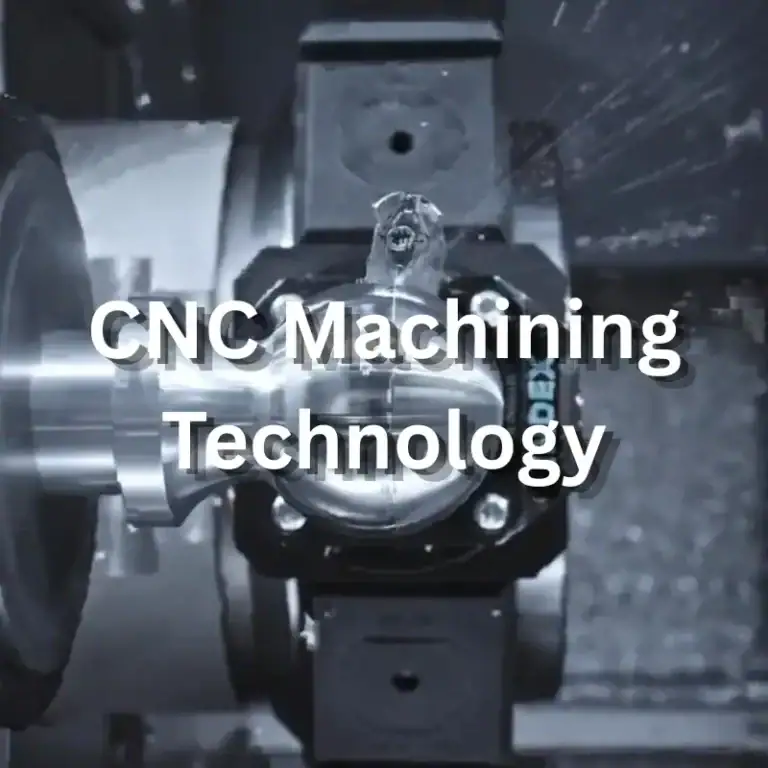
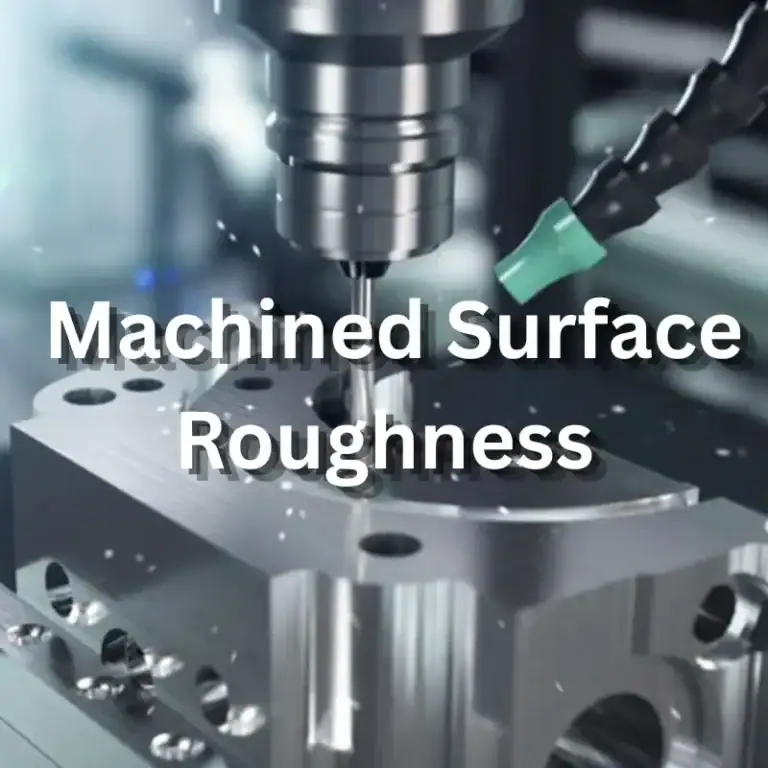
CNC machining technology uses computer-controlled machine tools to remove material from a workpiece and produce precise parts from metals, plastics, and other engineering materials. Compared with manual machining, CNC systems can control tool movement, spindle speed, feed rate, cutting sequence, and repeatable positioning with much higher consistency. This makes CNC machining suitable for prototypes, low-volume production, and demanding industrial components.
This guide explains CNC machine basics, working principles, machine types, programming, manufacturing processes, materials, accuracy, benefits, limitations, and applications. It also shows how engineers and buyers can choose the right CNC machining technology based on geometry, material, tolerance, surface finish, volume, and cost.
What Is CNC Machining Technology?
CNC machining technology is a subtractive manufacturing method in which computer instructions control machine movement and cutting operations. Instead of manually positioning tools, the CNC system follows programmed coordinates and machining commands to produce repeatable parts with controlled dimensions and surface quality.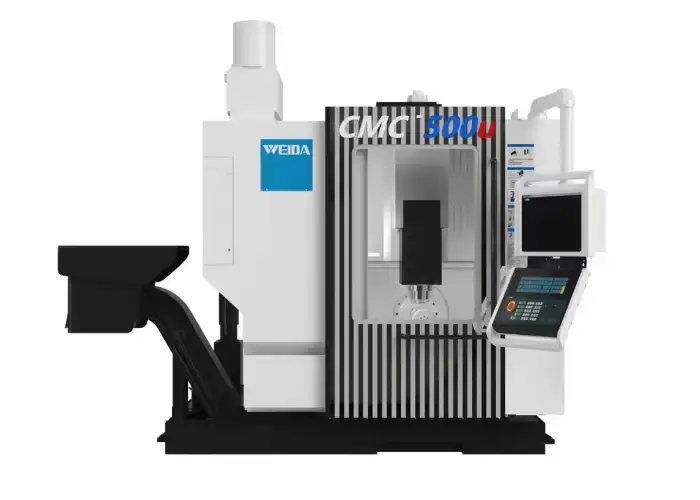
CNC Machine Basics
CNC stands for Computer Numerical Control. A CNC machine converts digital instructions into controlled mechanical movement.
Depending on the machine, the workpiece may remain stationary while the cutting tool moves, or the workpiece may rotate while a stationary tool removes material. Modern machining centers may combine several axes, automatic tool changes, probing, coolant control, and process monitoring within one system.
The fundamental goal is the same: convert a design into a physical part while controlling geometry, tolerance, and repeatability.
CNC Machining Vs Manual Machining
Manual machining depends heavily on operator movement and direct control of the machine.
CNC machining replaces much of this manual positioning with programmed motion. Once the machine is set up and the program is verified, the same operation can be repeated with consistent coordinates and cutting conditions.
Manual machining can still be useful for repairs, simple one-off features, or shop work. CNC becomes more valuable when parts require complex geometry, tighter tolerances, repeat production, or multiple controlled features.
Why CNC Technology Is Important In Modern Manufacturing
Modern products often contain parts that would be difficult to manufacture efficiently by manual machining.
CNC technology enables manufacturers to produce complex pockets, precision holes, thin walls, curved surfaces, thread features, and multi-axis geometries with predictable repeatability.
It also supports digital manufacturing workflows in which CAD, CAM, CNC programming, inspection, and production data are connected. This improves process control and reduces dependence on manual positioning.
How Does A CNC Machine Work?
A CNC machine works by converting a digital design into machine instructions, then using a controller to coordinate axis movement, spindle rotation, tool changes, and cutting operations. The machining process follows programmed paths while feedback systems help maintain the commanded position and speed.
CNC Machine Working Principle
The CNC machine working principle is based on numerical instructions.
The controller reads commands that define coordinates, movement direction, feed rate, spindle speed, tool changes, coolant functions, and other machine actions.
Servo motors and drive systems convert these instructions into physical movement. The cutting tool follows the programmed path while removing material from the workpiece.
From CAD Model To Machine Instructions
The process usually starts with a CAD model or engineering drawing.
A programmer imports the part geometry into CAM software and defines machining operations such as facing, pocketing, drilling, contouring, turning, or finishing.
The CAM system calculates toolpaths. These toolpaths are then converted through a post-processor into machine-readable CNC code.
How The Controller Moves The Machine Axes
CNC machines use controlled linear and rotary axes.
A typical three-axis mill controls X, Y, and Z movement. A four-axis or five-axis machine adds rotary motion, allowing the tool or workpiece to approach the part from additional directions.
The controller coordinates these axes so the cutting tool follows the intended geometry.
How The Spindle And Cutting Tool Remove Material
The spindle provides rotational motion.
In milling, the spindle rotates the cutting tool while the tool moves relative to the workpiece. In turning, the spindle rotates the workpiece while a cutting tool moves along defined axes.
Material is removed through controlled interaction between cutting speed, feed, depth of cut, tool geometry, and workpiece material.
How Feedback Systems Maintain Position And Accuracy
Modern CNC systems often use encoders and feedback devices to monitor movement.
These systems compare commanded position with actual position and make corrections through the control loop.
Feedback improves positioning consistency, but final part accuracy still depends on machine condition, tool wear, workholding, thermal stability, and machining strategy.
What Are The Main Parts Of A CNC Machine?
A CNC machine combines control hardware, motion systems, spindle components, cutting tools, workholding, and support systems. Each component contributes to machining accuracy, stability, productivity, and surface quality.
CNC Controller And Control Panel
The CNC controller interprets the machining program and manages axis movement, spindle functions, tool changes, and machine commands.
The control panel allows operators to load programs, set offsets, jog axes, monitor alarms, and adjust machining conditions.
Different machine brands use different control systems, but the basic purpose is similar.
Spindle And Spindle Motor
The spindle is one of the most important mechanical systems in a CNC machine.
Its speed, torque, bearing condition, runout, and rigidity affect cutting performance and finish.
High-speed machining may prioritize spindle speed, while heavy cutting of steel may require more torque and structural rigidity.
Axes, Servo Motors, And Drive Systems
Servo motors drive the linear or rotary axes.
Ball screws, linear motors, rotary tables, and guideways convert motor motion into controlled machine movement.
Axis accuracy and repeatability directly influence feature location and dimensional consistency.
Cutting Tools And Tool Holders
CNC machines use end mills, drills, reamers, boring tools, turning inserts, thread tools, and many other cutters.
Tool holders connect the cutting tool to the machine spindle.
Tool runout, holder rigidity, and cutting edge condition can affect accuracy, vibration, tool life, and surface finish.
Workholding And Fixtures
The workpiece must remain stable during machining.
Vises, chucks, soft jaws, collets, vacuum fixtures, custom fixtures, and modular workholding systems are commonly used.
Poor workholding can allow movement or distortion, causing dimensional error even when the machine itself is accurate.
Coolant And Chip Management
Coolant helps control heat, lubricate the cutting zone, and remove chips.
Chip conveyors, air blast, through-tool coolant, and filtration systems help keep chips away from the cutting edge.
Good chip evacuation is especially important in deep pockets, holes, and materials that generate long or adhesive chips.
What Are The Main Types Of CNC Machine?
Different types of CNC machine are designed for different part geometries and operations. Choosing the correct machine structure can reduce setups, improve accuracy, and shorten production time.
CNC Milling Machines
CNC milling machines use rotating tools to remove material from stationary workpieces.
They are suitable for pockets, slots, holes, planar surfaces, contours, and complex 3D geometry.
Vertical machining centers are especially common for general precision components.
CNC Lathes And Turning Centers
CNC lathes rotate the workpiece while stationary tools perform cutting operations.
They are ideal for shafts, bushings, threaded parts, rings, and other rotational components.
Turning centers may also include live tooling, drilling, and milling capability.
CNC Mill-Turn Machines
Mill-turn machines combine turning and milling in one platform.
They can produce complex parts with both rotational and prismatic features without moving the component between separate machines.
Reducing setups can improve positional accuracy and shorten lead time.
3-Axis, 4-Axis, And 5-Axis CNC Machines
Three-axis machining controls X, Y, and Z.
Four-axis machines add rotary movement, making it easier to machine multiple sides without manual repositioning.
Five-axis machining provides additional orientation control and is useful for impellers, aerospace structures, medical parts, molds, and complex curved surfaces.
Swiss-Type CNC Machines
Swiss-type machines support the workpiece close to the cutting area using a guide bushing.
This makes them effective for long, slender, small-diameter precision components.
They are widely used for medical, electronics, connector, and precision mechanical applications.
CNC Grinding And Specialized Machines
CNC grinding machines use abrasive wheels to achieve fine dimensions and surface finishes.
Other specialized CNC systems include gear machines, EDM equipment, gun drilling machines, and dedicated production systems.
The best machine depends on geometry, material, tolerance, and volume.
How Does CNC Machine Programming Work?
CNC machine programming converts design requirements into a sequence of machine movements and cutting operations. CAD defines the geometry, CAM generates toolpaths, CNC code controls the machine, and simulation helps verify the process before material is cut.
CAD Models And Engineering Drawings
The CAD model defines the part geometry.
The engineering drawing adds information that may not be fully represented in the model, including tolerances, GD&T, surface finish, thread requirements, material specifications, and inspection notes.
Both should be reviewed before programming.
CAM Programming And Toolpath Generation
CAM software allows the programmer to select tools, define machining regions, set cutting parameters, and generate toolpaths.
Different strategies are used for roughing, semi-finishing, finishing, drilling, turning, and multi-axis machining.
The toolpath should balance cycle time, tool life, surface quality, and process stability.
G-Code And M-Code
G-code controls geometric motion and machining functions.
M-code generally manages auxiliary functions such as spindle control, coolant, or tool changes.
Modern programmers often generate most code through CAM, but understanding CNC code remains useful for setup, troubleshooting, and editing.
Feeds, Speeds, And Cutting Parameters
Feed rate defines how quickly the tool advances through material.
Spindle speed determines rotational speed, while cutting speed relates tool motion to the workpiece material.
Depth of cut, step-over, engagement, coolant, and tool geometry also affect cutting forces and surface quality.
Post-Processing For Specific CNC Machines
A CAM toolpath cannot be sent directly to every CNC machine.
The post-processor converts generic toolpath data into code suitable for a specific control, axis configuration, and machine.
Incorrect post-processing can cause alarms or dangerous machine motion.
Simulation And Program Verification
Simulation checks tool motion before cutting.
It can identify collisions, excessive tool engagement, holder interference, and inefficient movement.
For complex five-axis work, simulation is especially important because machine kinematics and tool orientation are more complicated.
What Is The CNC Machining Process From Design To Finished Part?
Reliable CNC production requires more than loading a program into a machine. The complete process includes design review, material selection, setup planning, tooling, programming, machining, inspection, deburring, and finishing.
Review The Design And Manufacturing Requirements
The first step is to review the drawing and model.
Critical dimensions, tolerances, GD&T, surface finish, threads, material, heat treatment, and secondary processes should be identified.
Potential machining risks should be addressed before production.
Select Material And Raw Stock
Raw material must match the required grade and condition.
Stock size should provide enough material for clamping and machining while avoiding unnecessary waste.
Material condition also influences cutting parameters and distortion risk.
Plan Setups And Workholding
The process engineer determines how many setups are required and which features should be machined first.
Datum strategy matters because later features may depend on earlier machined surfaces.
Good process planning reduces unnecessary repositioning.
Select Tools And Cutting Parameters
Tools are chosen based on geometry, material, reach, tolerance, and required finish.
Roughing tools prioritize material removal. Finishing tools prioritize stability and surface quality.
Parameters should match the machine and tool capability.
Program And Verify The Toolpaths
CAM programming defines the tool motion.
The program is then simulated and reviewed for collisions, unnecessary air cutting, poor access, or excessive tool load.
Important dimensions may also require planned in-process measurement.
Machine The Part
The operator loads tools, work offsets, fixtures, and raw material.
The first part should be monitored carefully to confirm setup and program behavior.
Tool wear and offsets may be adjusted during production.
Inspect, Deburr, And Finish The Component
After machining, the part is checked against the drawing.
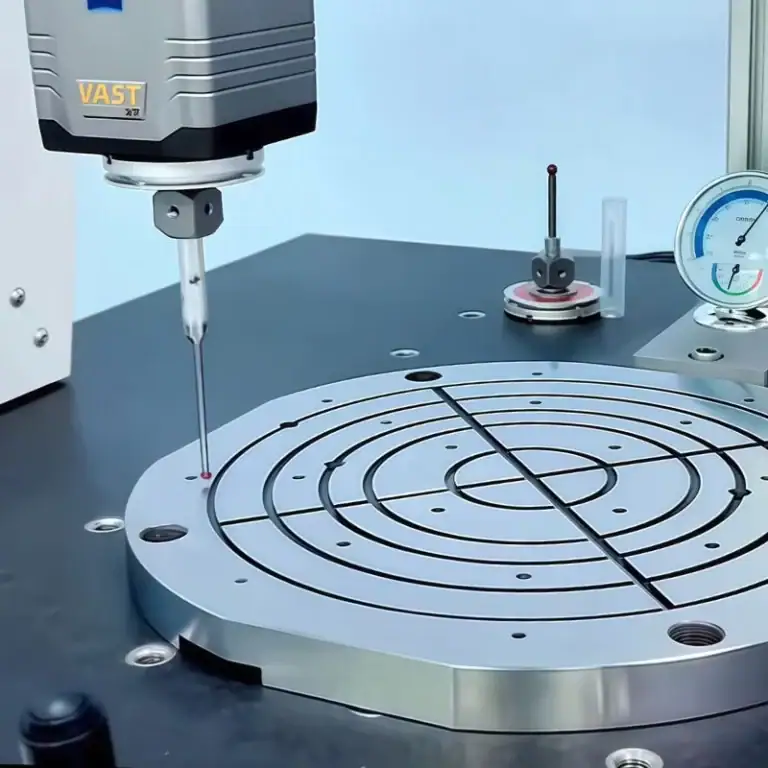
Inspection may include calipers, micrometers, gauges, profilometers, optical systems, or CMM measurement.
Deburring, anodizing, plating, passivation, polishing, heat treatment, or other secondary operations may follow.
What Are The Main CNC Machining Operations?
CNC machining technology supports multiple cutting operations, and a single part may combine several of them. Selecting the correct operation for each feature improves accuracy, cycle time, and tool life.
Milling
Milling uses rotating cutters to produce flat surfaces, pockets, contours, slots, and complex 3D forms.
It is one of the most versatile CNC processes.
Turning
Turning is used for rotational geometry.
It efficiently produces diameters, grooves, tapers, threads, and axial holes.
Drilling And Boring
Drilling creates holes quickly.
Boring enlarges or corrects existing holes and can provide better control over diameter and alignment.
Reaming And Precision Hole Machining
Reaming improves hole size and surface finish after drilling.
Critical holes may also be bored, interpolated, honed, or ground depending on tolerance.
Threading And Tapping
Threads can be produced by tapping, thread milling, single-point turning, or forming.
The process depends on thread size, material, depth, and production volume.
Multi-Axis Machining
Multi-axis machining reduces repositioning and improves access to complex features.
It is especially useful for aerospace, medical, mold, turbine, and robotics components.
What Materials Can CNC Machining Technology Process?
CNC machining can process a wide range of engineering materials, but machinability varies significantly. Material choice affects cutting speed, tool wear, heat generation, distortion, achievable finish, and cost.
Aluminum Alloys
Aluminum is widely used because it is lightweight, machinable, and available in many grades.
It is common in aerospace, automation, electronics, and general industrial components.
Stainless Steel And Carbon Steel
Steel offers strength, wear resistance, and structural performance.
Stainless steel adds corrosion resistance but may require more careful tool and heat management.
Titanium Alloys
Titanium combines high strength with low density and corrosion resistance.
It is valuable in aerospace and medical applications but generates high cutting heat and can reduce tool life.
Copper And Brass
Copper offers excellent electrical and thermal conductivity.
Brass is generally easier to machine and is common in fittings, connectors, and precision components.
Engineering Plastics
Materials such as PEEK, Delrin, PTFE, and nylon can be CNC machined.
Plastic machining requires attention to heat, clamping force, burrs, dimensional stability, and moisture behavior.
High-Performance And Difficult-To-Machine Materials
Nickel alloys, hardened steels, reinforced plastics, and high-performance polymers require more specialized process control.
Tooling and cutting strategy often become major cost factors.
What Determines CNC Machining Accuracy And Part Quality?
CNC accuracy depends on the complete machining system. A high-end machine cannot compensate for poor tooling, unstable workholding, uncontrolled heat, or incorrect process planning.
Machine Rigidity And Positioning Accuracy
Machine structure influences vibration and deflection.
Guideways, spindle bearings, axis drives, and calibration affect positioning.
More demanding parts require better mechanical stability.
Tool Geometry And Tool Wear
Tool geometry influences cutting forces and finish.
As the tool wears, dimensions and surface quality can drift.
Critical production requires predictable tool-life management.
Workholding And Setup Stability
A workpiece must remain secure without excessive distortion.
Thin or flexible parts require especially careful fixturing.
Poor datum control between setups can create positional error.
Cutting Parameters And Thermal Control
Heat changes dimensions.
Long machining cycles, heavy cutting, and insufficient cooling can cause thermal growth in the machine, tool, and workpiece.
Stable parameters help maintain consistency.
Tolerances, GD&T, And Surface Finish
Tolerance defines acceptable size variation.
GD&T controls form, orientation, location, profile, and runout.
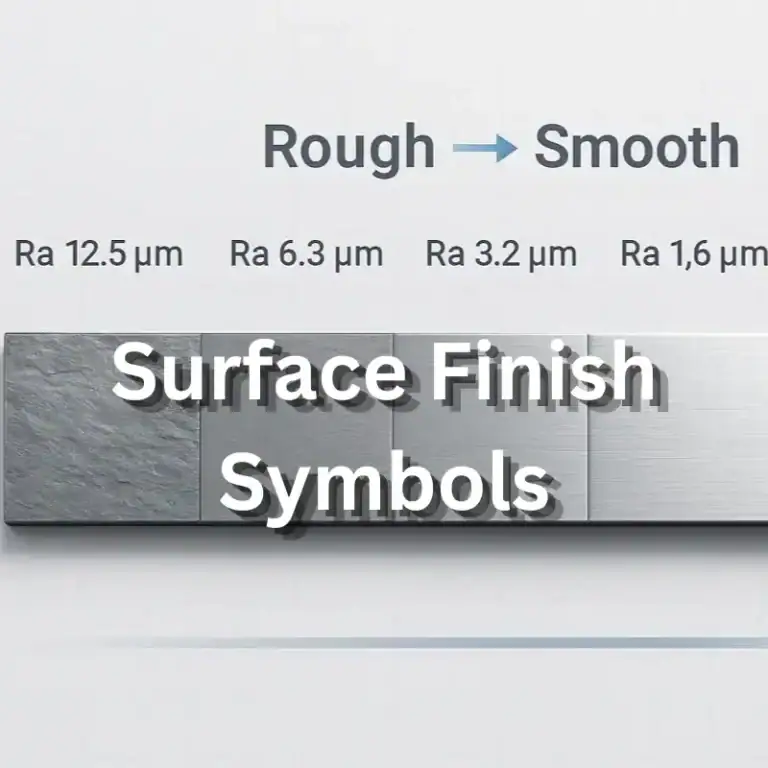
Surface finish defines texture requirements.
These specifications should be considered together rather than independently.
Inspection And Process Control
Inspection verifies whether the machining process remains within requirements.
Critical dimensions may need in-process checks rather than only final inspection.
Consistent process control is more effective than relying on final inspection to catch every problem.
What Are The Benefits Of CNC Machining Technology?
CNC machining provides accuracy, repeatability, geometric flexibility, material choice, and production scalability. These advantages make it useful from early prototypes through recurring industrial production.
High Accuracy And Repeatability
Once a stable process is established, CNC machines can reproduce the same programmed geometry repeatedly.
This is valuable for mating components and assemblies.
Complex Geometry Capability
CNC machining can produce pockets, angled holes, curved surfaces, thin walls, internal features, and multi-axis contours.
Five-axis machines expand this capability further.
Flexible Prototype And Production Volumes
CNC does not require expensive hard tooling in the same way as injection molding or die casting.
This makes it useful for prototypes, one-off parts, bridge production, and small to medium batches.
Consistent Part Quality
Digital programming improves consistency between parts.
Tool offsets, probing, automated inspection, and standardized setups can further improve control.
Faster Production And Automation
Automatic tool changes, pallet systems, probing, bar feeders, robots, and unattended machining can increase productivity.
Automation is particularly valuable for repeat work.
Wide Material Compatibility
CNC machining supports metals, plastics, composites, and other engineering materials.
This makes it useful when designers need production-like material properties during prototyping.
What Are The Limitations Of CNC Machining?
CNC machining is highly capable, but it is not always the lowest-cost or most suitable manufacturing process. Tool access, material waste, machine time, setup requirements, and geometry can limit efficiency.
Tool Access And Geometry Limitations
Cutting tools must physically reach the feature.
Deep narrow cavities, sharp internal corners, and enclosed channels can be difficult or impossible with standard machining.
Material Waste
CNC machining removes material from stock.
For expensive materials or parts with very low final mass compared with the original billet, material waste can become significant.
Setup And Programming Cost
Complex one-off parts may require substantial CAM programming, fixturing, and setup time.
These fixed costs can dominate very small production quantities.
Tool Wear And Machine Time
Hard or abrasive materials reduce tool life.
Complex finishing operations and small step-over can also increase machine time significantly.
When Other Manufacturing Processes Are More Suitable
Injection molding may be better for high-volume plastic parts.
Casting can reduce material removal for large shapes.
Additive manufacturing may be better for internal channels or geometry inaccessible to cutting tools.
The best manufacturing method depends on the entire project.
Where Is CNC Machining Technology Used?
CNC machining is used across industries that require controlled dimensions, reliable materials, repeatability, and complex engineered components.
Automotive
CNC machining supports prototypes, engine components, transmission parts, brackets, suspension components, and motorsport parts.
Industrial Equipment
Industrial applications include shafts, housings, fixtures, valves, tooling, wear components, and machine parts.
Medical
Medical CNC machining is used for surgical instruments, device components, implants, housings, and test equipment.
Aerospace
Aerospace parts often require lightweight alloys, titanium, tight tolerances, and complex geometry.
CNC machining is widely used for structural parts, brackets, housings, and engine-related components.
Automation
Automation equipment uses custom plates, frames, grippers, fixtures, mounts, and motion-system components.
Electronics
CNC machining produces heat sinks, enclosures, connectors, housings, and precision structural components.
Robotics
Robotics applications include joints, end-effectors, frames, actuator housings, and lightweight structural parts.
Consumer Products
CNC is useful for functional prototypes, premium housings, hardware, and short-run consumer components.
Aerospace & Defense
Defense manufacturing may require precision components for sensing, communication, structural, optical, or mechanical systems.
Powersports
Motorcycle, racing, marine, and recreational applications use CNC for brackets, engine parts, suspension components, and custom hardware.
Oil & Gas
Oil and gas equipment often uses CNC-machined valves, fittings, seals, flanges, and high-strength components designed for harsh environments.
How To Choose The Right CNC Machining Technology
The right CNC solution depends on part geometry, material, tolerance, production quantity, surface finish, inspection needs, lead time, and cost. Choosing the most advanced machine is not always the most economical choice.
Evaluate Part Geometry And Feature Complexity
Simple prismatic parts may only need three-axis milling.
Complex angled features or sculpted surfaces may justify four-axis or five-axis machining.
Rotational parts are usually more efficient on lathes.
Match The Machine Type To The Required Operations
If a part requires both turning and extensive milling, a mill-turn machine may reduce setups.
If it is long and slender, Swiss machining may be more suitable.
Machine selection should follow the feature set.
Consider Material And Machinability
Material affects cutting speed, tooling, heat, distortion, and cost.
The same geometry may require very different strategies in aluminum, stainless steel, titanium, or PEEK.
Define Tolerance And Surface Finish Requirements
Tighter tolerances and lower roughness values increase process demands.
Only critical features should receive unusually strict requirements unless the application genuinely needs them.
Balance Volume, Lead Time, And Cost
A one-off prototype may favor flexible setup.
A recurring production part may justify dedicated fixtures, optimized tooling, and automation.
The lowest unit price depends on total production strategy, not only cycle time.
Confirm Inspection And Quality Requirements
Inspection should be planned before machining.
If a feature requires CMM measurement, surface roughness inspection, or special documentation, the manufacturer should know before quoting and programming.
FAQs
Is CNC Machining Suitable For One-Off Parts?
Yes. CNC machining is well suited to one-off parts because it does not require dedicated molds or dies. Programming and setup still contribute to cost, but CNC is often practical for prototypes and custom components.
Does Five-Axis Machining Always Produce Better Parts?
No. Five-axis machining is valuable when geometry requires additional tool orientation or fewer setups. Simple parts may be produced more economically on a three-axis machine without sacrificing quality.
How Accurate Is CNC Machining?
Achievable accuracy depends on material, geometry, machine capability, tooling, setup, feature size, and inspection requirements. Tight tolerances are possible, but they should be specified only where function requires them.
Can CNC Machining Be Fully Automated?
Many operations can be highly automated using tool changers, probing, pallet systems, bar feeders, robots, and process monitoring. However, programming, setup validation, tool management, and quality control still require engineering oversight.
Conclusion
CNC machining technology combines digital programming, controlled machine motion, cutting tools, workholding, and inspection to manufacture accurate parts from a wide range of engineering materials. Understanding machine types, programming, process planning, tooling, tolerance, and material behavior helps manufacturers choose efficient strategies instead of relying on machine capability alone.
At TiRapid, we provide precision CNC machining and manufacturing services for prototypes and production parts. Our team supports milling, turning, multi-axis machining, engineering materials, process planning, and inspection to help customers balance accuracy, quality, lead time, and manufacturing cost.