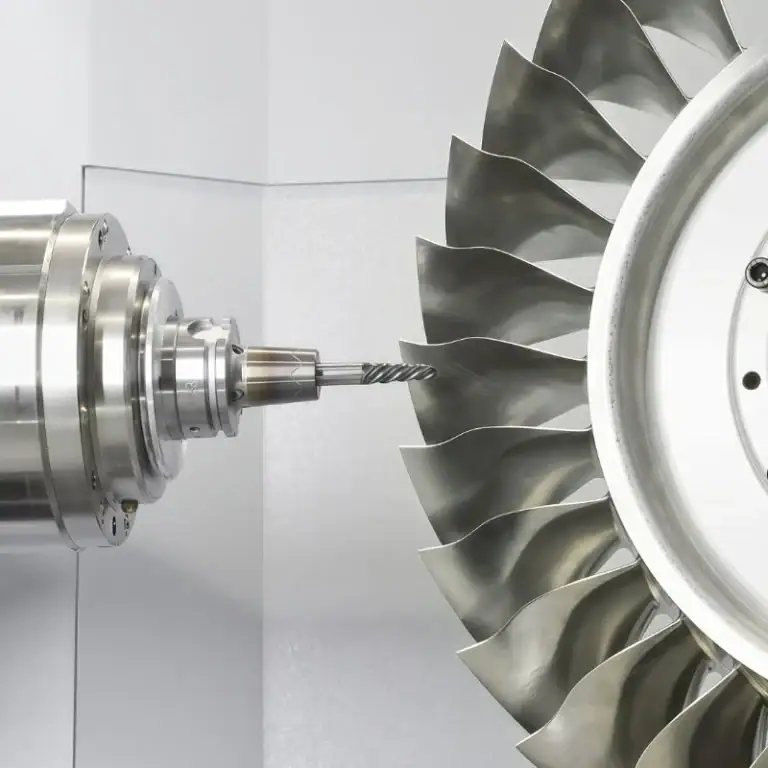
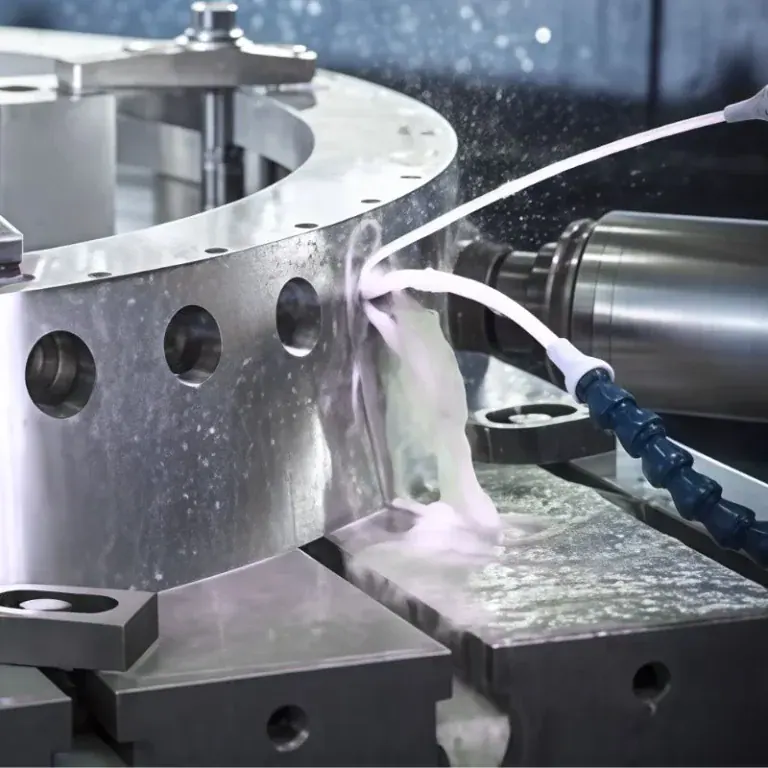
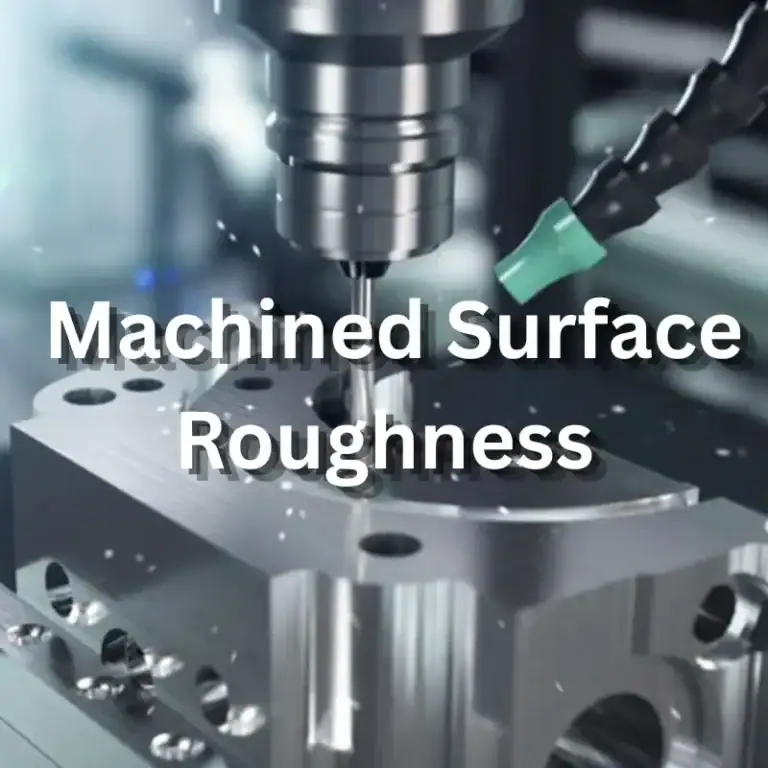
CNC stands for Computer Numerical Control. In machining, it describes how a computer uses programmed instructions to control machine movements and operations. CNC machines can cut, drill, and shape materials such as metal and plastic to produce parts from a design.
Understanding the meaning of CNC is a useful starting point when sourcing custom parts. This guide explains how CNC machining works, introduces common machine types, and covers what to prepare before requesting a quote.
What Does CNC Stand For in Machining?
CNC stands for Computer Numerical Control. In machining, it means using programmed instructions to control machine movements and operations, such as cutting, drilling, and turning.
What Is the Full Meaning of CNC?
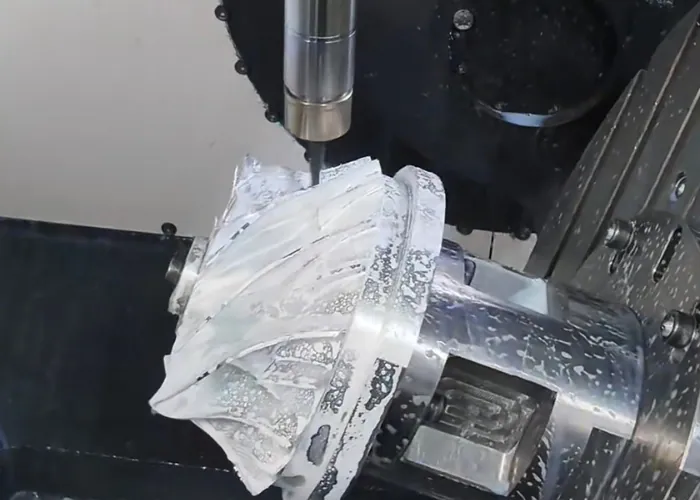
The full meaning of CNC is Computer Numerical Control. It describes a control method in which a computer reads a program and directs a machine to perform specific operations.
In a machining workshop, CNC can control how a cutting tool or workpiece moves, how fast a spindle rotates, and how quickly a tool advances through material. These instructions help the machine produce the features specified in a part design.
What Do Computer, Numerical, and Control Mean?
Each word in the name describes part of the process:
- Computer:The control system reads and processes the machining program.
- Numerical:The program uses numbers to define values such as positions, distances, speeds, and feed rates.
- Control:The machine uses those instructions to direct its movements and operations.
For example, a program can specify where to drill a hole, how deep the tool should travel, and how quickly it should advance. The machine follows those instructions after the operator has completed the required setup.
What Is the Difference Between CNC, CNC Machines, and CNC Machining?
These terms are related, but they describe different things.
CNC is the control method. It uses programmed instructions to direct equipment.
A CNC machine is a machine equipped with that control system. CNC technology can be used in milling machines, lathes, and other types of equipment.
CNC machining is a manufacturing process that uses CNC-controlled machine tools to remove material from a workpiece. Common operations include milling, turning, drilling, and boring.
For example, when a CNC milling machine cuts a slot into an aluminum block, CNC controls the movement, the milling machine performs the operation, and the material-removal process is CNC machining.
How Does CNC Machining Work?
CNC machining turns a part design into a finished component through programming, machine setup, material removal, and inspection. The machine follows programmed instructions, while machinists prepare the tools, secure the workpiece, and check the results.
Start With a Drawing or CAD Model
The process begins with a part drawing, a computer-aided design (CAD) model, or both. The model shows the part’s geometry, while the drawing defines requirements that may include dimensions, tolerances, threads, and surface finish.
For example, an aluminum bracket may require flat surfaces, mounting holes, and threaded holes. Before programming, the manufacturer reviews these features to identify critical dimensions and potential machining challenges.
Turn the Design Into a Machining Program
A programmer plans how the machine will produce the part. This includes selecting cutting tools, determining the order of operations, and defining toolpaths.
Computer-aided manufacturing (CAM) software is often used to create the toolpaths. A post-processor then converts them into a program suitable for the machine and its control system. The program may include commands for movement, spindle speed, feed rate, and tool changes.
Before machining, the program can be checked through simulation or other verification methods to help identify potential errors.
Set Up the Machine and Produce the Part
The machinist secures the raw material in a vise, chuck, or fixture and loads the required cutting tools. The workpiece position and tool offsets are then established so the machine can follow the program relative to the part.
The machine removes material in the planned sequence. For the bracket, this may involve milling flat surfaces, drilling mounting holes, and creating threads. The machinist monitors the operation and makes adjustments when needed.
Inspect the Finished Part
After machining, the bracket is checked against the drawing. Depending on the requirements, inspection may include its overall dimensions, hole positions, threads, and critical surfaces.
The inspection method depends on the feature. Calipers or micrometers may be suitable for some dimensions, while more complex measurements may require a coordinate measuring machine (CMM). If additional finishing is specified, relevant features may also need to be checked after that process.
What Types of CNC Machines Are Commonly Used?
Common CNC machines include milling machines, lathes, routers, grinders, and electrical discharge machines. Each uses a different method to shape material, and the right choice depends on the part’s geometry, material, and required features.
CNC Milling Machines
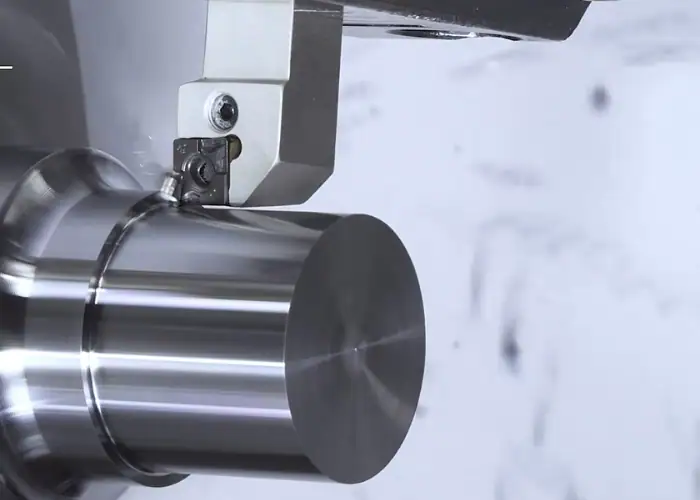
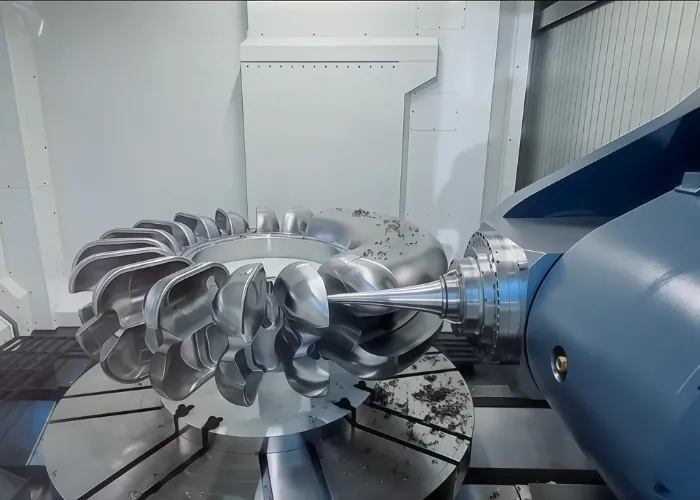
CNC milling machines use rotating cutting tools to remove material from a workpiece. They can produce flat surfaces, pockets, slots, holes, and complex contours.
For example, the aluminum bracket described earlier can be milled to create its mounting surfaces and holes. The workpiece is held securely while the machine moves the cutting tool or workpiece along programmed axes.
CNC Lathes
A CNC lathe rotates the workpiece while a cutting tool removes material. It is commonly used for parts with cylindrical features, such as shafts, pins, bushings, and spacers.
Some CNC lathes also have powered tools that can mill or drill features. This allows suitable parts to be machined with fewer transfers between machines.
Other CNC Machines and Operations
Other CNC machines use different tools or processes for specific requirements:
- CNC routerscut materials such as wood, plastics, and some metals. They are often used for panels and sheet components.
- CNC grindersuse abrasive wheels to finish surfaces or cylindrical features where the required dimensions and surface finish call for grinding.
- CNC electrical discharge machines, or EDM machines, use controlled electrical discharges to shape electrically conductive materials.
Drilling and tapping can also be performed on CNC equipment, often as operations within a milling or turning process. The machine and tooling are selected according to the part’s design and production requirements.
What Can a CNC Machine Be Used to Make?
CNC machines can produce custom parts from metals and engineering plastics, including brackets, shafts, housings, and fittings. They are used for prototypes, replacement parts, and production batches across a range of industries.
Common CNC Machined Parts
The features required by a part influence which CNC process is suitable. Milling is often used for parts with flat surfaces, pockets, or hole patterns, while turning is commonly used for cylindrical features.
Examples of CNC machined parts include:
- Brackets and mounting plates
- Shafts, pins, and bushings
- Housings and covers
- Fittings and connectors
- Hydraulic manifold blocks
- Fixtures and tooling components
Some parts require both milling and turning, depending on their geometry.
Metals and Engineering Plastics
Common metals for CNC machining include aluminum, stainless steel, carbon steel, brass, copper, and titanium. These materials are available in different grades, which should be selected according to the part’s strength, weight, corrosion resistance, and operating requirements.
Engineering plastics such as POM, nylon, PTFE, and PEEK can also be CNC machined. Material choice affects tooling, machining conditions, and dimensional stability, so the required grade should be identified on the drawing or in the purchase specification.
Prototypes and Production Parts
CNC machining can be used to make a single prototype or repeated production batches. Prototypes help engineers check dimensions, fit, and function before committing to a larger order.
For repeat production, the machining program, workholding, and inspection methods can be reused or refined. The most suitable process depends on the part’s design, quantity, material, and quality requirements.
What Are the Benefits and Limitations of CNC Machining?
CNC machining offers repeatable results and flexibility for custom parts, but its suitability depends on factors such as part geometry, setup requirements, material removal, and production quantity.
Precision and Repeatability
CNC machines follow programmed instructions to control tool and workpiece movement. Once a process is established, the program and setup can be used to produce parts with consistent features across a batch.
However, CNC control alone does not guarantee that every dimension will meet the drawing. Machine condition, cutting tools, workholding, material behavior, and inspection all affect the final result. Achievable tolerances depend on the specific part and manufacturing process.
Flexibility for Different Part Designs
CNC machining can produce a wide range of shapes without requiring a dedicated mold for each design. A program can also be revised when a part design changes, making CNC useful for prototypes, custom components, and repeat production.
The amount of work needed for a design change varies. A small revision may require only a program adjustment, while a major change could also require new tools, workholding, or inspection methods.
Tool Access, Setup, and Material Removal
Cutting tools must be able to reach the surfaces they need to machine. Deep narrow pockets, sharp internal corners, and enclosed features can require specialized tools, additional setups, or a different manufacturing approach.
Programming and setup also take time, especially for complex parts. Because CNC machining removes material from a workpiece, some designs produce substantial waste. Reviewing these factors early helps engineers choose features and tolerances that support both part function and practical manufacturing.
What Should You Consider When Ordering CNC Machined Parts?
When ordering CNC machined parts, provide a clear design, material specification, quantity, and any requirements for tolerances, surface finish, and inspection. This information helps the manufacturer assess the part and prepare an accurate quotation.
Provide a Drawing or CAD Model
A CAD model shows the part’s shape and features. An engineering drawing adds information that may not be clear from the model, such as tolerances, threads, surface finish, and inspection requirements.
When possible, provide both files and confirm that they represent the same revision. If a model is unavailable, a fully dimensioned drawing can help the manufacturer assess the project.
Specify Material, Quantity, and Surface Finish
Identify the required material grade, rather than listing only a general material family. For example, different aluminum or stainless steel grades may have different properties and availability.
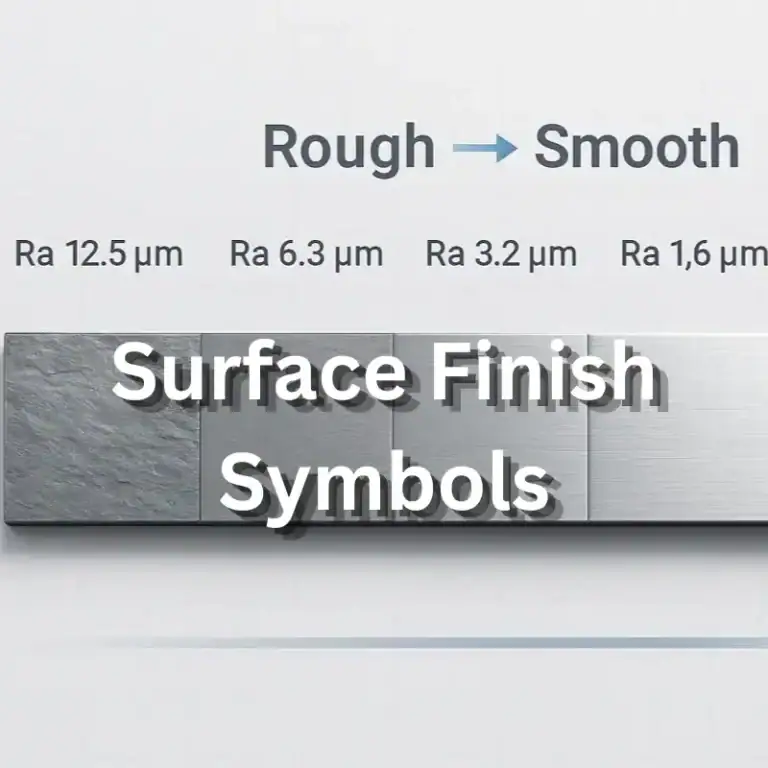
Include the quantity needed for the initial order and, if known, future production. Also specify any required surface treatment, such as anodizing, plating, or bead blasting, including the areas to be treated.
Identify Critical Tolerances and Inspection Requirements
Mark the dimensions and features that are essential to the part’s function or assembly. These may include the diameter of a mating hole, the flatness of a mounting surface, or the position of a locating feature.
Apply tighter tolerances where they are needed. Unnecessarily tight requirements can add machining and inspection work. If you need an inspection report or material certificate, include that requirement in the inquiry.
Review Manufacturability and Quotation Details
The manufacturer may suggest changes to features such as deep pockets, internal corners, or hole locations to make the part easier to machine. Review any proposed change against the part’s functional requirements before approving it.
When comparing quotations, check the scope as well as the price. Confirm whether each quote includes the same material, quantity, surface treatment, inspection, and delivery requirements.
FAQs
Do Buyers Need to Choose a CNC Machining Process Before Requesting a Quote?
No. Provide the drawing, material, quantity, and critical requirements. The manufacturer can assess the part and recommend a suitable process.
Does CNC Machining Always Require a High Order Quantity?
No. CNC machining can be used for prototypes, small batches, and production runs. Unit cost depends on setup, material, complexity, and quantity.
Do CNC Machines Require Human Operators?
Yes. Machinists prepare programs, set up tools and workpieces, monitor production, and inspect parts. The level of supervision depends on the equipment and process.
Conclusion
CNC stands for Computer Numerical Control. In machining, it enables machines to follow programmed instructions to produce parts from a design. CNC machining can be used for prototypes and production parts, with the process selected according to the part’s material, geometry, and requirements.
TiRapid provides custom CNC machining services for metal and plastic parts. Send your drawing or CAD model, material, quantity, and critical requirements for a project review and quotation.