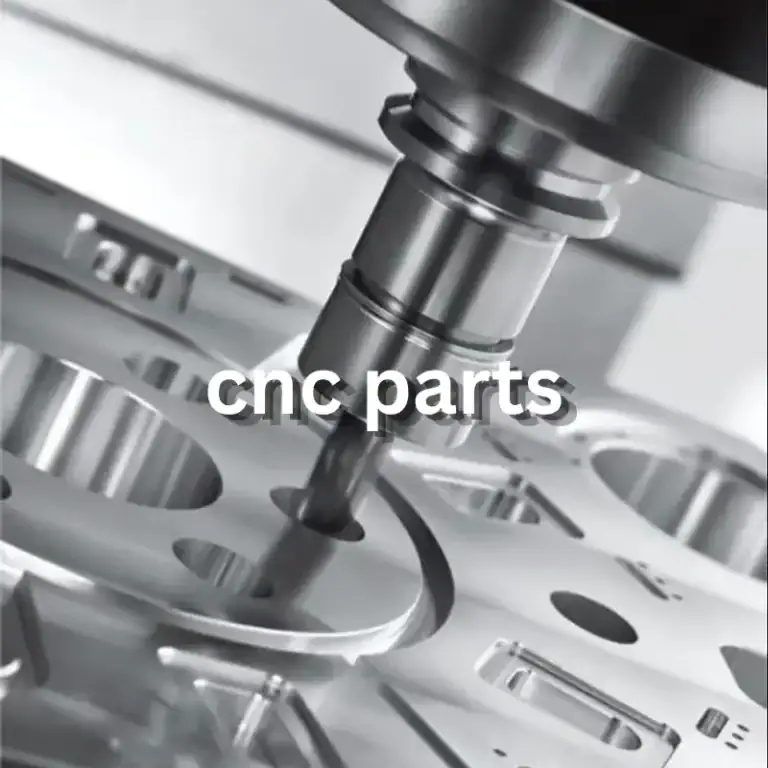
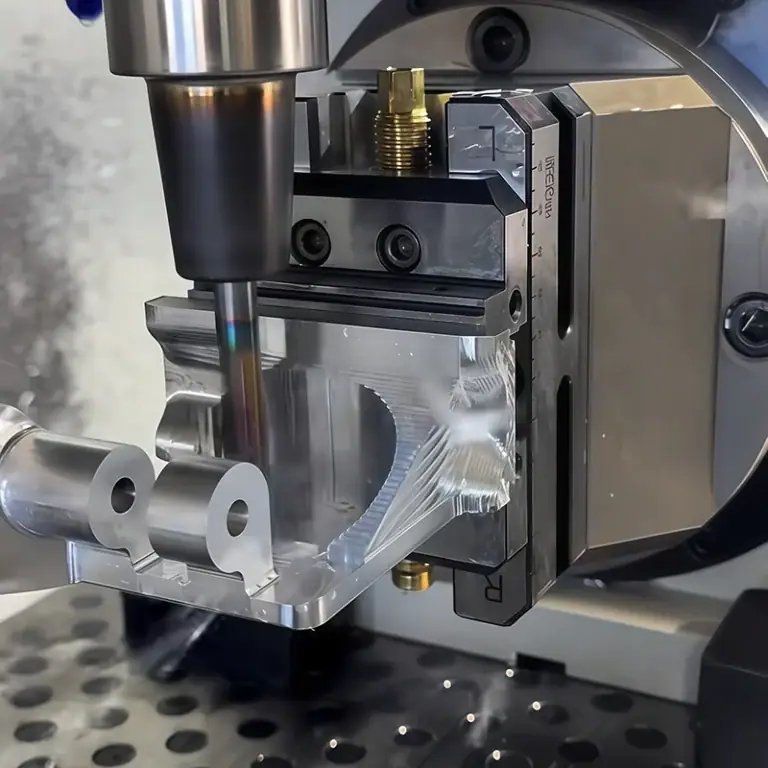
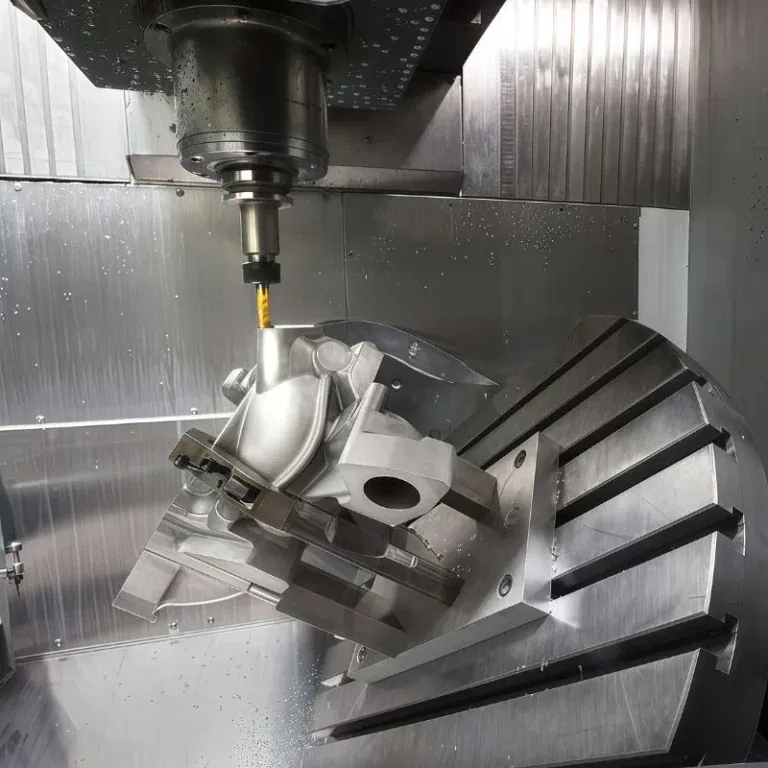
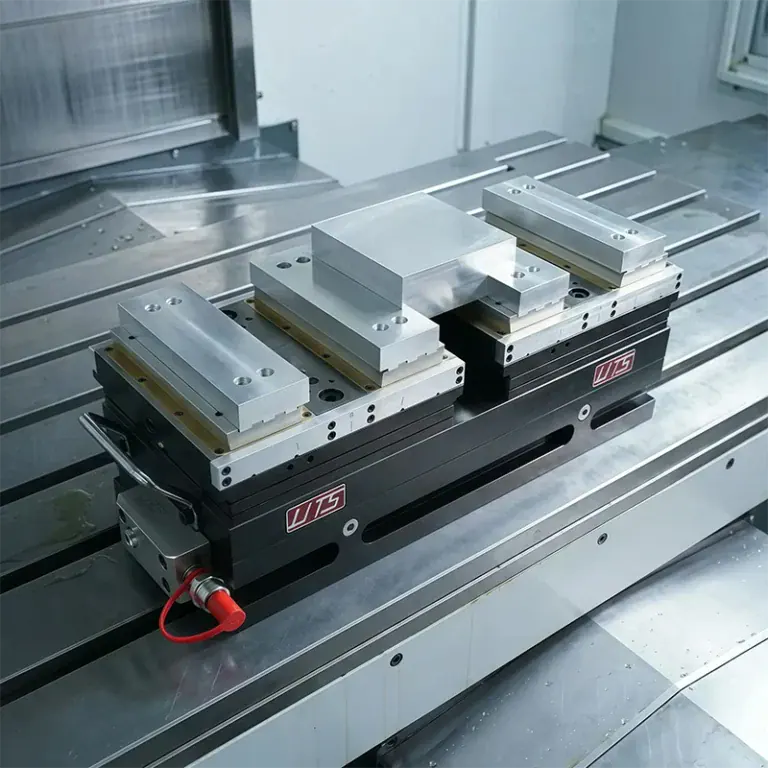
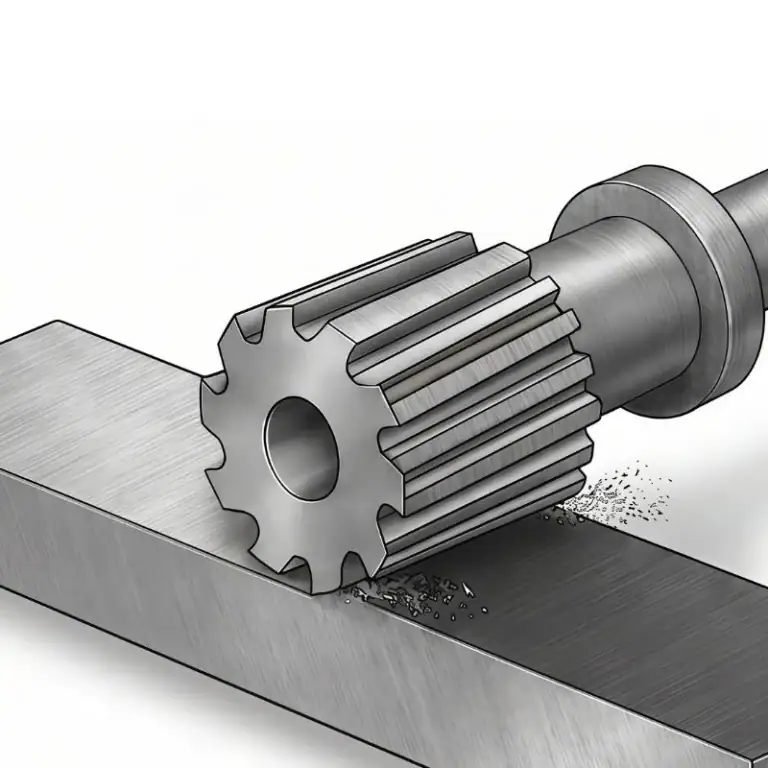
The smooth operation of packaging equipment depends not only on its motor and control system but also on the mechanical components inside. Material misalignment during feeding, inaccurate sealing positions, and loose transmission components can all be related to part dimensions or assembly accuracy. Some parts may look simple but contain numerous mounting holes and mating surfaces. Even a small machining deviation can lead to repeated adjustments during assembly. With a well-planned CNC machining solution, mechanical components of different shapes and sizes can be manufactured to drawing specifications, making assembly easier and reducing future maintenance and rework. Whether you are developing new equipment or replacing existing components, confirming the machining process and quality requirements early can make production much smoother.
Which Industrial Packaging Equipment Parts Are Suitable for CNC Machining?
Industrial packaging equipment includes feeding, positioning, conveying, sealing, and cutting mechanisms, each with its own component requirements. Some parts need precise positioning, others are exposed to constant friction, and some must fit closely with other components. CNC machining is suitable for parts with precision holes, complex grooves, and special contours. It supports custom manufacturing to drawing specifications and makes repeat production easier.
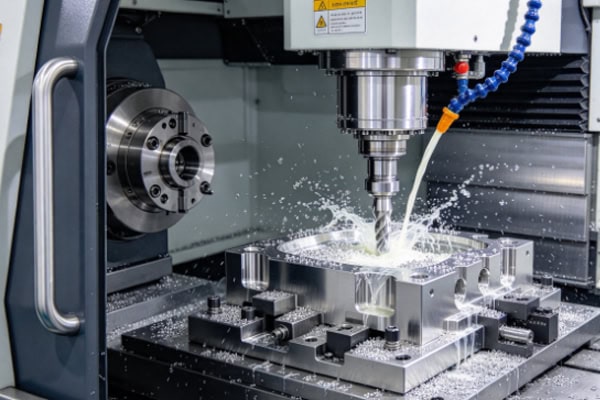
How Can Precision Packaging Equipment Parts Ensure Accurate Assembly?
Feeding components, guide mechanisms, and sealing units are usually made up of multiple parts. Incorrect hole positions, unsuitable groove widths, or uneven mounting surfaces can cause sticking, misalignment, and other assembly problems. Identifying critical dimensions before machining helps reduce the need for adjustments later.
- Feeding and positioning parts: Control hole spacing, groove width, and guide surface dimensions to reduce packaging material misalignment during feeding.
- Sealing mechanism components: Keep mounting surfaces flat and connection holes accurately positioned to maintain stable component alignment.
- Transmission connectors: Pay attention to shaft hole dimensions and concentricity to prevent misalignment from affecting operation.
- Cutting mechanism parts: Accurately control blade mounting positions and mating structures to help maintain consistent cutting performance.
Although these components may be small, they can directly affect how the equipment performs in practice. Confirming critical tolerances, positioning datums, and mounting locations on the drawings before machining helps establish a clear process and reduces repeated modifications after production.
How Can Wear on Industrial Packaging Equipment Parts Be Reduced?
Guide blocks, sliders, and transmission components may experience continuous friction during operation. If their surfaces have noticeable burrs or the selected materials are unsuitable for the working environment, wear may occur more quickly and affect continuous operation. Machining should account for surface finish, edge treatment, and material selection. For components that frequently contact or slide against other parts, wear resistance and lubrication conditions also need attention. Focusing only on dimensions while overlooking long-term performance can lead to premature wear.
Can Custom Packaging Equipment Parts Be CNC Machined from Drawings?
Different packaging products require different feeding, positioning, and sealing structures, and standard components may not always fit the application. CNC machining can produce custom components from 2D engineering drawings or 3D models, making it suitable for parts with special dimensions, irregular shapes, and multiple hole positions. When submitting drawings, it is helpful to include the material, dimensional tolerances, surface treatment requirements, and order quantity so the machining solution can be evaluated in advance.
How Should Materials and Processes Be Selected for CNC Machining Industrial Packaging Equipment?
Choosing the right material helps parts perform more reliably and meet the actual needs of the equipment. Packaging machinery may contain lightweight brackets and mounting plates as well as connectors that carry loads or move continuously. Material selection should consider more than price and machinability. The forces acting on the part, its operating environment, and any requirements for rust prevention or surface treatment also matter.
Which Materials Are Commonly Used for CNC Machining Packaging Equipment Parts?
| Material | Common Components | Key Machining Considerations |
| Aluminum alloy | Mounting plates, brackets, lightweight components | Control thin-wall deformation, burr formation, and surface treatment |
| Stainless steel | Corrosion-resistant connectors and components used in humid environments | Manage cutting heat, tool wear, and chip removal |
| Carbon steel | Load-bearing bases and mechanical connectors | Consider strength, dimensional accuracy, and rust prevention |
| Engineering plastics | Guide blocks, insulating parts, and selected wear-resistant components | Control heat deformation and clamping force |
Different components require different materials. Suitable aluminum alloys may work well for lightweight structures, while parts exposed to moisture need sufficient corrosion resistance. The final material choice should be based on the part drawing, loading conditions, and operating environment to avoid reducing service life through inappropriate material selection.
How Should CNC Machining Operations Be Planned for Complex Packaging Equipment Parts?
Parts with multiple holes, steps, and special grooves require more than a focus on machining speed. A poorly planned process may increase the number of setups and cause deviations in critical dimensions. Planning the machining sequence in advance helps reduce rework and improve consistency between parts.
- Establish positioning datums: Identify the main mounting surfaces and locating holes so all operations use consistent dimensional references.
- Plan roughing and finishing operations: Remove most of the material during roughing, then machine critical holes and mating surfaces during finishing to reduce the impact of deformation on final dimensions.
- Check tool accessibility: Evaluate deep grooves, narrow slots, and complex contours in advance to reduce tool interference and chip-removal difficulties.
- Complete post-processing: Perform deburring, cleaning, and surface treatment as required, then verify that critical dimensions still meet drawing specifications.
For parts with complex structures, evaluating the toolpath and fixturing method in advance can be especially helpful. Resolving these issues before production begins can reduce trial cuts and repeated adjustments.
What Information Is Needed for Custom CNC Machining?
To keep production moving smoothly, drawings and technical requirements should be provided as clearly as possible from the start. You can submit 2D engineering drawings or 3D models, together with the material grade, critical tolerances, surface treatment requirements, order quantity, and target delivery date. If the part needs to fit existing equipment, clearly marking critical interfaces and mating dimensions can help prevent installation problems after machining.
How Can Consistent Quality Be Maintained in CNC Machining for Industrial Packaging Equipment?
A part passing inspection during the first production run does not guarantee that later batches will remain consistent. Tool wear and changes in fixture positioning can gradually cause dimensional deviations. First-article inspection, in-process checks, and final inspection help identify problems earlier and reduce the risk of nonconforming parts reaching the assembly stage.
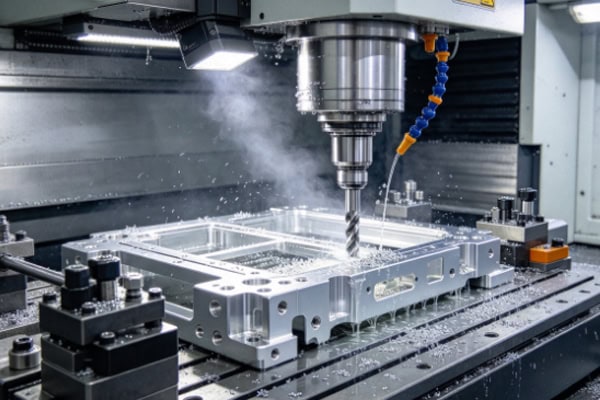
What Should Be Inspected on Precision Packaging Equipment Parts?
| Inspection Item | What to Check | Main Purpose |
| Dimensional accuracy | Overall dimensions, hole diameters, groove widths, and step heights | Verify compliance with drawing requirements |
| Positional accuracy | Hole spacing, hole locations, and mounting datums | Reduce assembly deviations |
| Geometric accuracy | Flatness, perpendicularity, and concentricity | Maintain stable part alignment and fit |
| Surface quality | Roughness, burrs, and scratches | Meet application requirements |
| Material and post-processing | Material specifications, rust prevention, and coating condition | Verify compliance with technical requirements |
Inspection priorities vary from one component to another and should be determined by drawing tolerances and actual application needs. For critical parts used in feeding, sealing, and transmission mechanisms, keeping appropriate dimensional inspection records makes it easier to review quality during later production runs.
How Can Dimensional Deviations Be Reduced During CNC Machining?
Waiting until every part has been machined before conducting inspections can allow a problem to affect an entire batch. A more effective approach is to inspect parts after critical operations and confirm that the machining process remains stable.
- Check the dimensions of feeding guide grooves, mounting holes, and locating surfaces to prevent problems during equipment operation.
- Monitor tool wear and fixture condition, making timely adjustments when dimensional changes are detected.
- Recheck thin-walled or asymmetrical parts after unclamping to identify possible deformation.
These checks do not need to make the process unnecessarily complicated. The key is to focus on the dimensions that directly affect assembly and performance, allowing problems to be addressed as early as possible.
How Can Packaging Equipment Parts Move from Prototyping to Batch Production?
For newly designed components, prototype machining can be used to verify dimensions, mounting positions, and actual fit. Once the part has been approved, the validated machining program, fixturing method, and inspection requirements can be carried forward into batch production. If the drawing changes during the process, the revision should be updated promptly to prevent different batches from being manufactured to different technical requirements.
Industrial packaging equipment parts come in many shapes and sizes, but each can affect assembly efficiency and operating stability. Whether you need feeding guides, sealing components, or custom parts with non-standard dimensions, a suitable CNC machining solution can help meet the equipment’s actual requirements. If you are looking for custom machining for industrial packaging equipment parts, contact TIRAPID with your part drawings, material requirements, and order quantity to discuss suitable CNC machining processes, prototype development, and batch production services.