The oil and gas industry involves drilling, extraction, pipeline transportation, storage, and refining. Equipment used in these operations must withstand pressure, vibration, temperature changes, and challenging operating environments. Different machines have different structural designs, interface dimensions, and operating requirements, so standard components may not always meet actual installation and performance needs.
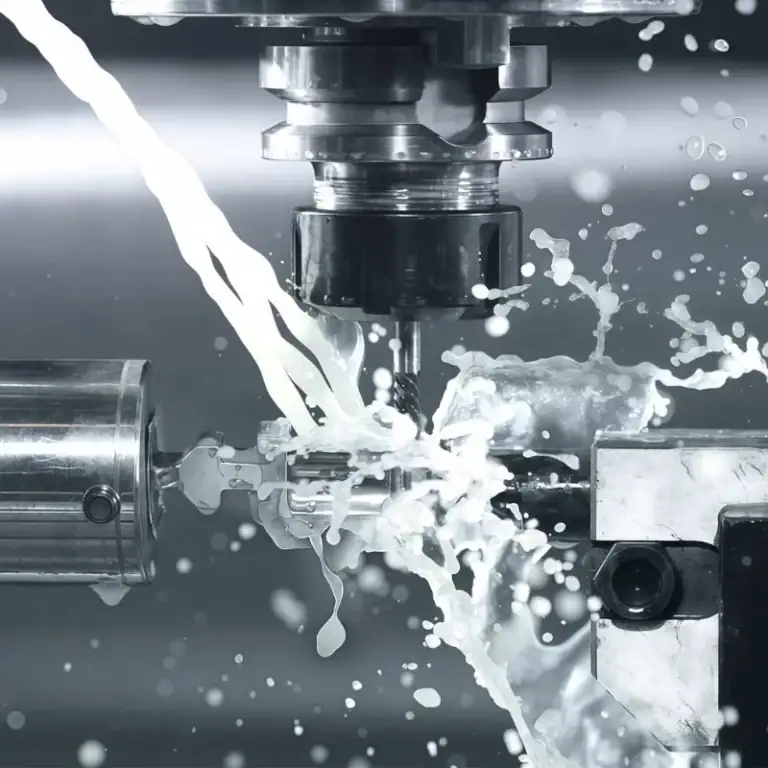
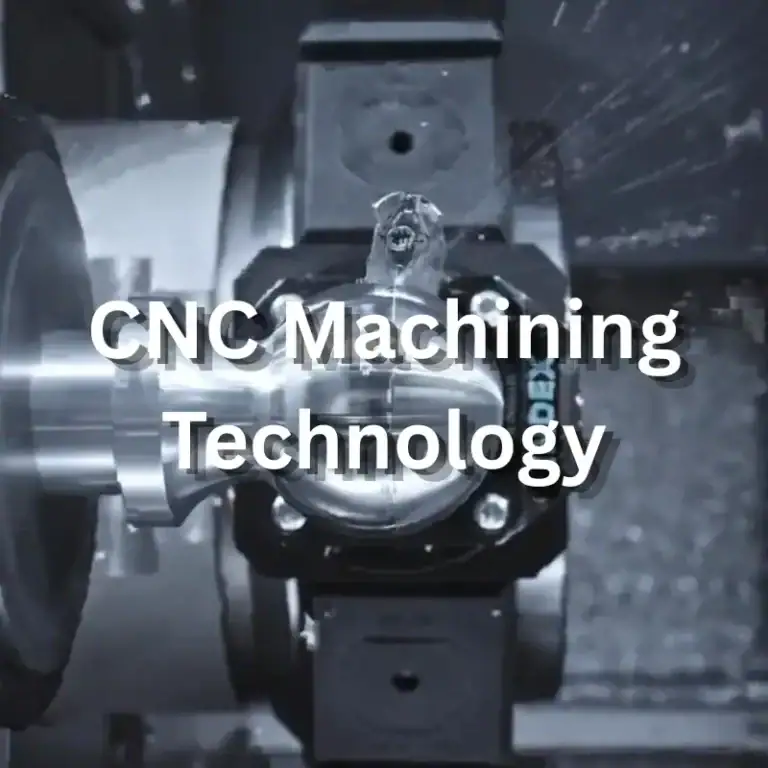
Custom CNC machining produces valve parts, pump components, connecting flanges, sleeves, equipment brackets, and precision instrument accessories according to customer drawings, 3D models, and technical specifications. Through CNC turning, milling, drilling, boring, and multi-axis machining, manufacturers can produce complex structures while maintaining critical dimensional accuracy. These services provide precision components for oil and gas equipment manufacturing, maintenance, and upgrades.
Key Advantages of Custom CNC Machining for the Oil and Gas Industry
Oil and gas equipment components often feature non-standard dimensions, complex interfaces, and strict assembly requirements. Custom CNC machining allows manufacturers to select suitable materials, machines, and production processes according to equipment applications. It reduces compatibility problems between standard components and actual equipment structures. For customers requiring small-batch production, special dimensions, or replacement parts for existing equipment, CNC machining offers a flexible manufacturing solution.
Customized Machining Meets Different Equipment Design Requirements
Components used in oil drilling equipment, oil and gas transportation systems, and refining facilities have different structural requirements. Some parts require deep holes, internal threads, and precision mating surfaces, while others feature complex curves, irregular grooves, or multiple connection holes. Custom CNC machining can manufacture non-standard components according to equipment design specifications without relying entirely on fixed standard sizes.
Using CAD drawings and 3D models, manufacturers can confirm component profiles, hole positions, wall thicknesses, connection interfaces, and assembly clearances before production. For equipment modification projects, machining solutions can also be redesigned according to existing component dimensions and installation conditions, helping customers obtain replacement parts compatible with their current equipment.
Multiple CNC Processes Improve Complex Component Manufacturing
Precision components used in oil and gas equipment may contain cylindrical structures, flat surfaces, threaded holes, positioning grooves, and irregular profiles. A single machining process may not be sufficient to produce all these features. Different operations are selected according to component geometry.
- CNC turning: Suitable for shafts, sleeves, connecting fittings, cylindrical valve components, and rotational structures. It controls external diameters, internal bores, and end-face dimensions.
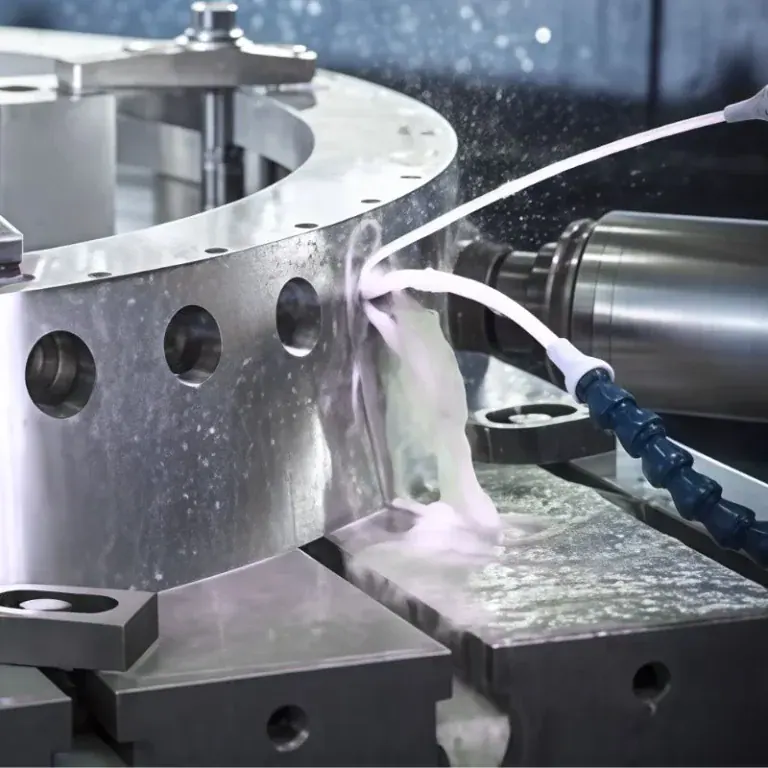
- CNC milling: Suitable for valve body profiles, flange surfaces, mounting slots, positioning surfaces, and complex contours.
- Drilling and tapping: Used to produce threaded interfaces, fixing holes, connection holes, and mounting holes. Hole diameters, spacing, and thread specifications must meet drawing requirements.
- Precision boring: Suitable for accurate internal bores in pump bodies, valve bodies, and other components, helping improve bore dimensions and mating accuracy.
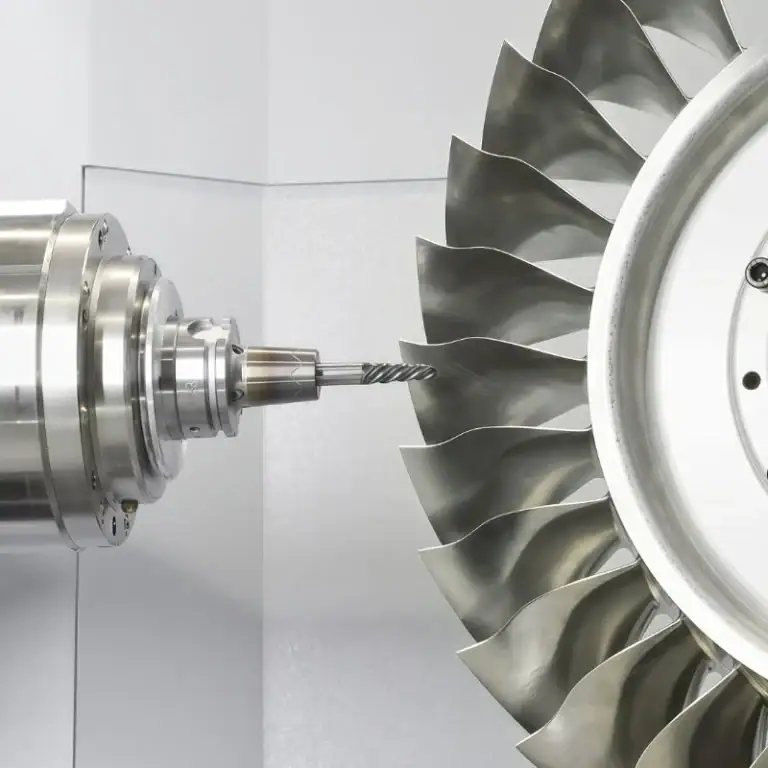
- Multi-axis CNC machining: Suitable for components with multiple machining directions and complex surfaces. It can reduce repeated clamping operations and improve manufacturing efficiency for intricate structures.
With proper process planning, manufacturers can reduce positioning errors and maintain accurate relationships between different machined features.
Material Selection and Surface Treatment Improve Component Suitability
Oil and gas equipment may operate in humid, salty, vibrating, and temperature-variable environments. Some components may also come into contact with corrosive media. Materials should be selected according to actual loads, pressure, temperature, media exposure, and applicable industry standards rather than machining cost alone.
- Stainless steel: Commonly used for selected valve components, connectors, sleeves, and equipment fastening structures. The specific grade should match corrosion and mechanical performance requirements.
- Alloy steel: Suitable for shafts, transmission parts, and structural components requiring higher strength and load-bearing capacity.
- Carbon steel: Can be used for brackets, connection plates, and mechanical structures when permitted by design requirements. Some components require additional corrosion protection.
- Aluminum alloy: Suitable for selected instrument housings, control module enclosures, and non-critical pressure-bearing auxiliary structures, provided the operating conditions allow its use.
- Surface treatments: Depending on the material and environment, suitable processes may include passivation, plating, coating, anodizing, or other verified treatments.
For high-pressure, downhole, highly corrosive, and safety-critical applications, material grades, heat treatment conditions, machining processes, and inspection requirements must comply with the relevant equipment specifications. Ordinary CNC machining accuracy alone cannot determine whether a component is suitable for these applications.
CNC Machining Methods and Applications in the Oil and Gas Industry
Oil and gas components must be manufactured according to equipment types, operating environments, and actual assembly conditions. Drilling equipment may require high-strength mechanical connectors, pipeline systems need accurately dimensioned flanges and fittings, and refining facilities use pump components, valve parts, and instrument mounting structures. Developing suitable machining processes for each product helps improve manufacturing quality and equipment compatibility.
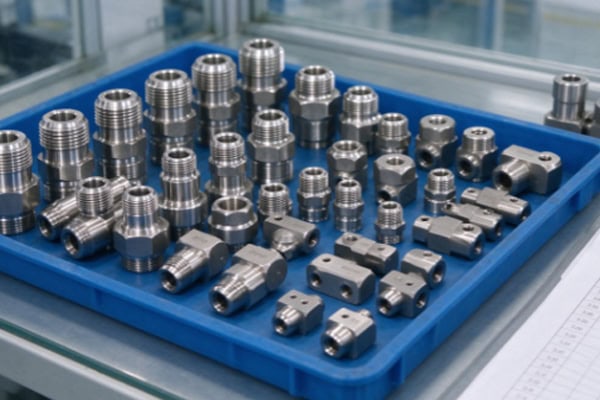
Custom CNC Machining Workflow for Oil and Gas Equipment
Customized component production begins with drawing verification and technical communication. Customers should provide component dimensions, material requirements, critical tolerances, surface treatment specifications, and operating conditions. Manufacturers can then develop an appropriate machining plan.
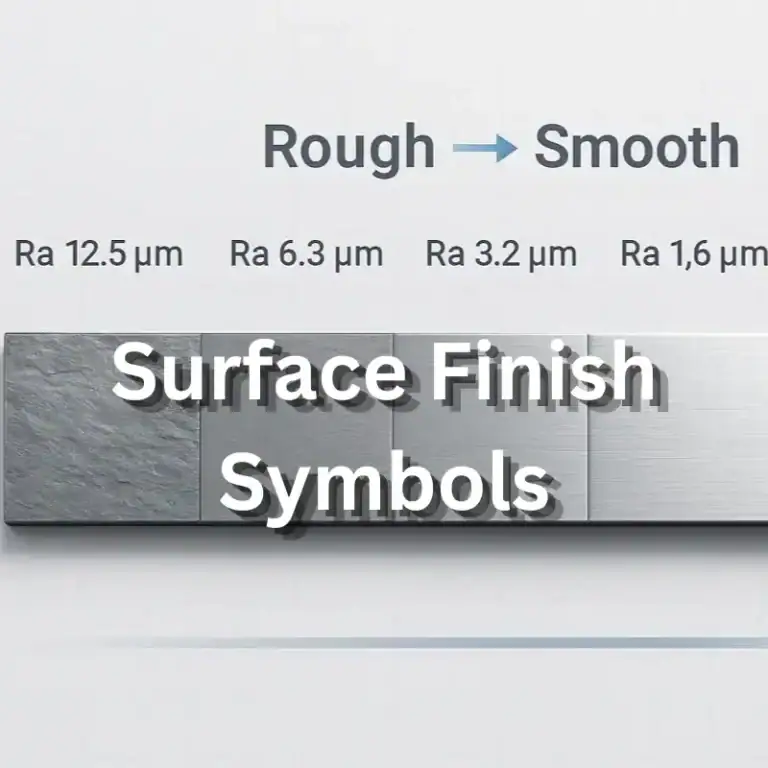
- Drawing and technical requirement review: Check component profiles, hole positions, threads, mating dimensions, geometric tolerances, and surface roughness requirements. Confirm critical assembly locations.
- Material and blank preparation: Select suitable materials according to component functions. Confirm material specifications, heat treatment conditions, blank dimensions, and machining allowances.
- Process and fixture design: Plan turning, milling, drilling, and boring operations according to component geometry. Establish positioning references and clamping methods.
- Precision CNC machining: Use programmed operations to produce external profiles, internal bores, connection surfaces, threads, and complex contours while controlling critical dimensions.
- Deburring and surface treatment: Remove burrs from holes, edges, and grooves. Apply suitable surface treatments according to product specifications.
- Quality inspection: Use measuring tools, thread gauges, and coordinate measuring machines to inspect critical dimensions and geometric tolerances. Conduct material verification and specialized testing when required.
- Packaging and delivery: Clean and protect finished components, apply identification labels, and arrange delivery according to order requirements.
For complex components or parts with strict precision requirements, first-article machining and inspection can be completed before batch production. Confirming the machining program, clamping method, and critical dimensions helps reduce quality risks during subsequent production.
Precision Component Machining for Drilling Equipment and Wellhead Systems
Drilling equipment and wellhead systems contain many mechanical connection and control structures, including mounting bases, connecting sleeves, positioning components, equipment supports, and auxiliary valve parts. These components must maintain accurate installation dimensions and connection relationships according to equipment designs. Some parts must also withstand vibration and continuous mechanical loads.
Custom CNC machining can produce drilling equipment connectors, precision sleeves, mounting brackets, and non-standard mechanical components according to engineering drawings. CNC turning is suitable for shafts and sleeve structures, while CNC milling can manufacture multi-hole connection plates, irregular brackets, and positioning surfaces.
For components with deep holes or complex internal cavities, tool paths and machining sequences must be planned carefully to maintain dimensional accuracy.
High-pressure wellhead equipment and downhole pressure-bearing components are safety-critical parts. Their materials, manufacturing processes, and inspections must comply with applicable industry standards and equipment specifications. Ordinary custom machining cannot replace the required pressure-bearing design, certification, and testing.
Machining Applications for Pipeline Transportation, Pump and Valve Systems, and Refining Equipment
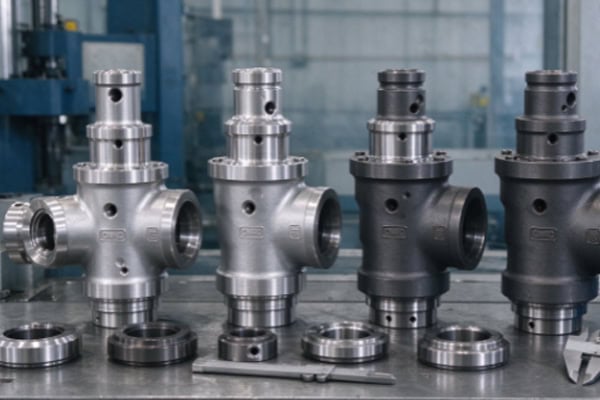
Oil and gas transportation and refining systems require many connecting components, pump and valve parts, and auxiliary equipment structures. The dimensions of flanges, valve components, pump connectors, and precision sleeves affect equipment assembly and operating conditions. For replacement parts that must fit existing equipment, custom CNC machining can produce components according to actual interface dimensions and installation clearances.
CNC turning is suitable for circular connectors, sleeves, and selected internal valve components. Milling is used for flange surfaces, valve body profiles, and mounting structures. For internal bores, sealing surfaces, and threaded interfaces in pump and valve components, dimensions and surface quality must meet engineering specifications.
| Component Type | Common Materials | Main Machining Processes | Key Quality Requirements | Typical Applications |
| Connecting flanges | Stainless steel, alloy steel, carbon steel | CNC turning, drilling, milling | Hole spacing, end-face flatness, interface dimensions | Pipeline connections |
| Valve components | Stainless steel, alloy steel | Turning, milling, boring | Mating dimensions, sealing surface quality | Oil and gas control systems |
| Pump connectors | Stainless steel, carbon steel | Milling, boring, drilling | Internal bore dimensions, connection positions | Oil and gas pumping equipment |
| Precision sleeves | Alloy steel, stainless steel | CNC turning, internal finishing | External diameter, internal diameter, concentricity | Transmission and rotating equipment |
| Drilling equipment brackets | Alloy steel, carbon steel | CNC milling, drilling | Structural strength, hole-position accuracy | Drilling equipment installation |
| Instrument mounting bases | Aluminum alloy, stainless steel | Milling, drilling, tapping | Positioning accuracy, mounting dimensions | Pressure and flow instruments |
For flanges, valves, pump bodies, and other pressure-boundary components, materials and manufacturing requirements must be confirmed according to design pressure, media, temperature, and applicable standards. Dimensional inspection after machining does not replace required pressure testing or complete equipment validation.
Functional and Performance Control of CNC Machined Oil and Gas Components
Oil and gas equipment components must maintain reliable connection, transmission, sealing, and support functions under specified operating conditions. Machining quality affects not only installation but also equipment maintenance and operational reliability. Manufacturers should establish inspection procedures according to component applications and maintain relevant quality records.
Critical Dimensions, Mating Accuracy, and Machining Quality Inspection
Oil and gas equipment components commonly contain threads, internal bores, flange surfaces, positioning grooves, and precision mating structures. Dimensional deviations may cause connection difficulties, sealing problems, or unstable equipment assembly. Critical dimensions and tolerances should be defined before machining and inspected according to technical requirements.
- Dimensional accuracy inspection: Use calipers, micrometers, internal measuring tools, and height gauges to check lengths, external diameters, internal diameters, thicknesses, and hole sizes.
- Geometric tolerance inspection: Check flatness, concentricity, perpendicularity, and positional accuracy. Coordinate measuring machines can be used when necessary.
- Thread and interface inspection: Use thread plug gauges, ring gauges, and dedicated measuring tools to verify thread specifications, effective depth, and connection dimensions.
- Surface quality inspection: Check machining marks, scratches, burrs, and surface treatment conditions, with particular attention to sealing and mating surfaces.
- Material and specialized inspection: Depending on component applications and specifications, verify material certificates and arrange non-destructive testing or other applicable inspections.
- Assembly verification: Perform trial assembly of critical mating components to confirm interface positions, connection conditions, and assembly clearances.
For batch production orders, manufacturers should maintain records of material batches, machining program versions, first-article inspection, and in-process quality checks. Safety-critical components also require traceable quality documentation according to customer requirements and applicable standards.
Corrosion Resistance, Structural Strength, and Long-Term Operational Stability
Oil and gas equipment may operate for extended periods in humid, salty, and temperature-variable environments with mechanical vibration. Some components may also come into contact with oil products, gas processing media, or other chemicals. Material selection and surface treatment must match actual operating conditions to reduce the risk of corrosion, wear, and structural damage.
For load-bearing connectors and support structures, manufacturers should inspect cross-sectional dimensions, areas around connection holes, and local stress points. Shafts and rotating components require appropriate concentricity and mating clearances to reduce abnormal vibration during operation. Valve and pump components require particular attention to sealing surfaces and internal flow passages.
Long-term operation also requires convenient maintenance and replacement. Threaded and positioning structures should be designed appropriately for components that are frequently removed and reinstalled. Outdoor equipment parts may require suitable corrosion protection according to environmental conditions.
Critical components used in high-pressure systems, flammable or explosive media, and downhole operations must undergo the required design reviews, material verification, and performance testing.
Custom CNC machining for the oil and gas industry supports precision manufacturing for drilling equipment, wellhead systems, pipeline transportation, pump and valve equipment, and refining facilities. Through appropriate material selection, machining process planning, critical dimensional control, and quality inspection, manufacturers can improve component compatibility and provide customized machining support for equipment production, maintenance, and upgrades.
The actual manufacturing solution should be determined according to component drawings, operating environments, technical standards, accuracy requirements, and order quantities.