Moving an electronic product from design validation to mass production requires more than developing circuit boards and electronic components. Mechanical structural parts, such as housings, brackets, and heat sinks, must also meet installation, protection, and operational requirements. Dimensional deviations, material selection, and machining quality can all affect the assembly of internal components. A manufacturing solution covering the entire process from prototyping to mass production helps identify design issues early, optimize machining processes, and prepare for stable production.
Plan the Prototype Development of Electronic Product Structural Parts
Electronic product development generally includes two areas: circuit design and mechanical structure design. PCBs and PCB assemblies (PCBAs) provide electrical functions, while housings and brackets provide mounting, protection, and support. Both must be compatible in terms of dimensions and assembly relationships.
Define Structural Part Validation Objectives
The main purpose of prototype manufacturing is to verify whether the mechanical structure can be produced according to the design requirements.
- Structural validation: Check whether the dimensions and structures of housings, brackets, and connectors meet design requirements.
- Assembly validation: Confirm that mounting holes, slots, and connection points fit accurately with circuit boards and other components.
- Functional validation: Check whether heat dissipation structures, mounting areas, and moving components meet product operating requirements.
Clearly defining validation objectives helps reduce structural modifications after prototype completion.
Select Suitable Processes for Prototype Machining
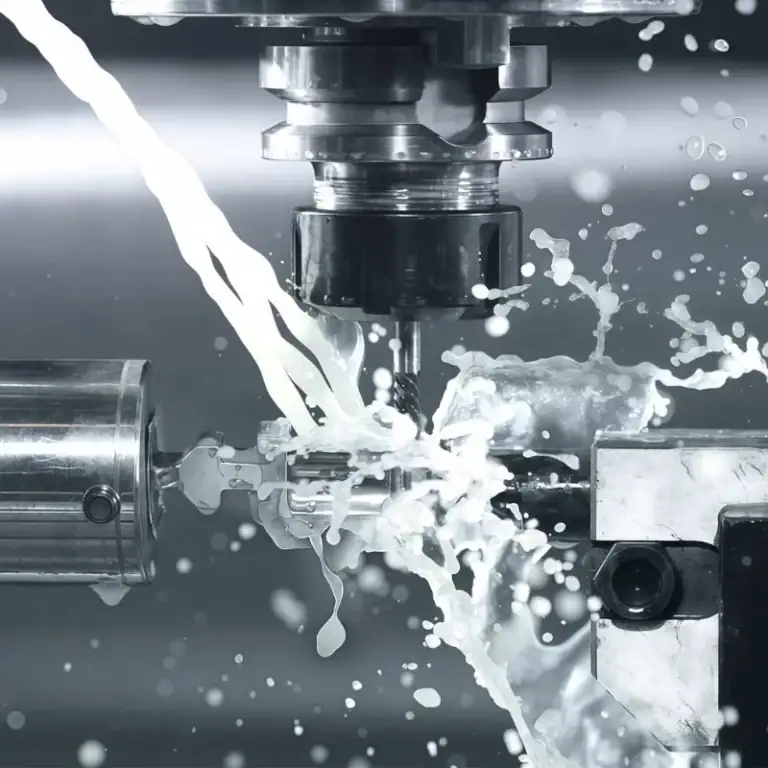
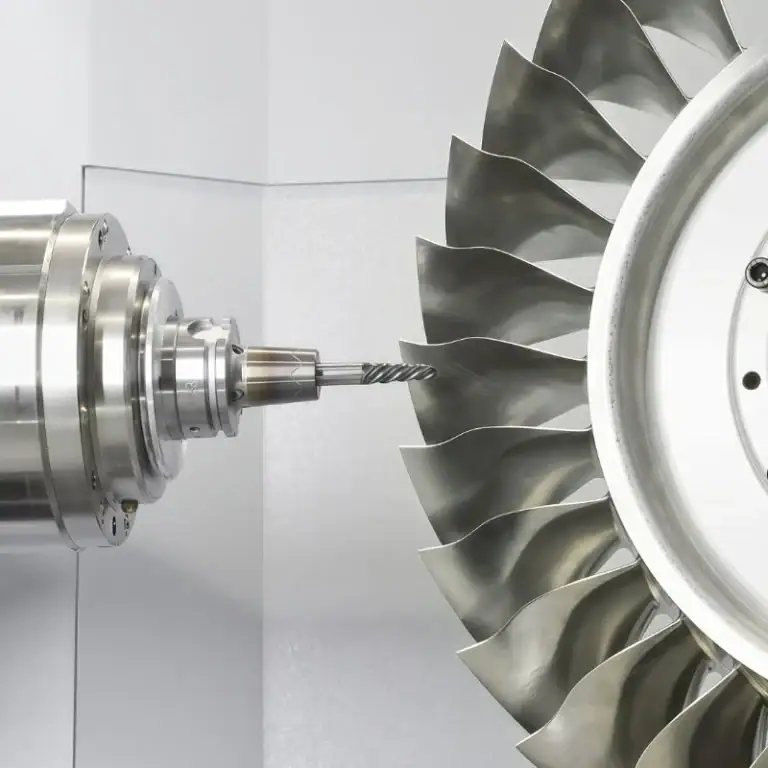
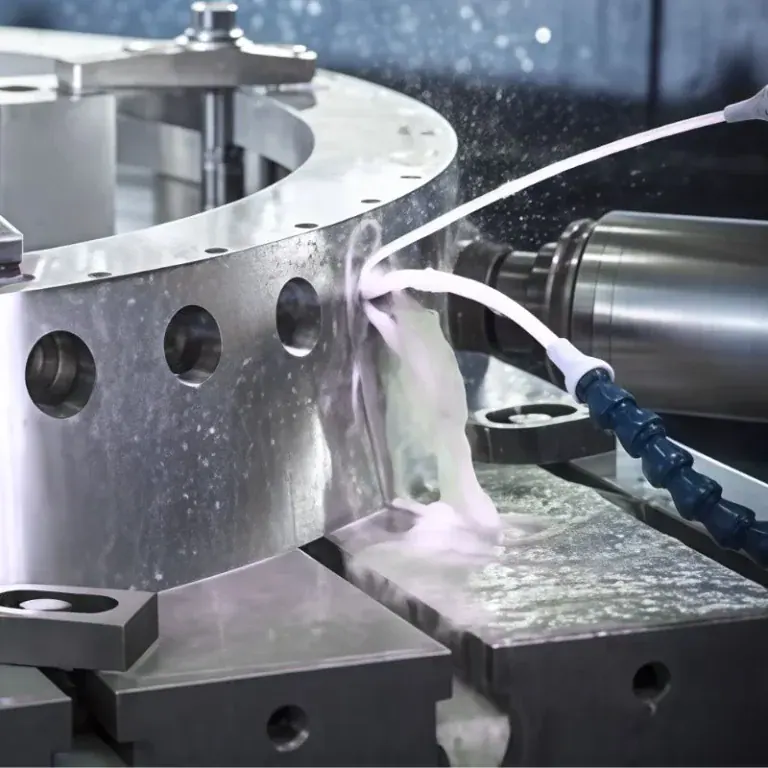
The prototype stage needs to balance machining efficiency, ease of modification, and part accuracy. CNC machining is suitable for metal housings, mounting brackets, heat sinks, and complex structural parts. Drilling and tapping are used to verify mounting holes, threaded connections, and fixing positions. Surface treatments such as anodizing and sandblasting can be selected according to material and appearance requirements. Process selection should consider the materials and structural requirements of the final product to minimize adjustments during production transfer.

Move from Prototypes to Small-Batch Production
After prototype validation, small-batch production is needed to evaluate the machining stability of structural parts. This stage helps confirm whether part dimensions, assembly relationships, and machining processes are suitable for mass production.
Optimize Designs Based on Validation Results
Problems identified during prototype assembly and testing should be reflected in the engineering drawings and machining plans.
- Adjust structural details: Optimize thin-wall areas, deep grooves, and complex holes to reduce machining difficulty.
- Correct mating dimensions: Adjust hole diameters, spacing, and relevant tolerances based on actual assembly results.
- Confirm material and surface requirements: Check whether material properties and surface treatments meet product requirements.
After design modifications, engineering drawings and 3D models should be updated simultaneously to prevent different document versions from being used in production.
What Should Be Inspected During Small-Batch Production?
The main purpose of trial production is to confirm whether the machining process can be repeated consistently, rather than simply completing the required quantity.
| Inspection Item | Main Content | Validation Purpose |
| Machined dimensions | Overall dimensions, thickness, hole diameters | Confirm compliance with drawings |
| Assembly fit | Hole positions, slots, connection points | Check component compatibility |
| Surface quality | Burrs, scratches, treatment results | Verify appearance requirements |
| Batch consistency | Dimensional differences between parts | Evaluate process stability |
Trial production results help identify machining and assembly issues and provide a basis for formal mass production.
How to Control Quality and Costs During Structural Part Mass Production?
Once mass production begins, manufacturing priorities shift from individual part validation to process stability, production efficiency, and batch management. Properly organizing machining processes helps reduce dimensional deviations and unnecessary production costs.
Standardize Machining Processes and Inspection Requirements
Batch production requires clear machining datums, operating procedures, and inspection criteria for each process.
- Standardize machining datums: Reduce dimensional deviations caused by repeated positioning.
- Control critical processes: Establish key inspection requirements for thin-wall structures, precision holes, and mating surfaces.
- Standardize surface treatments: Define colors, treatment methods, and dimensional requirements after treatment.
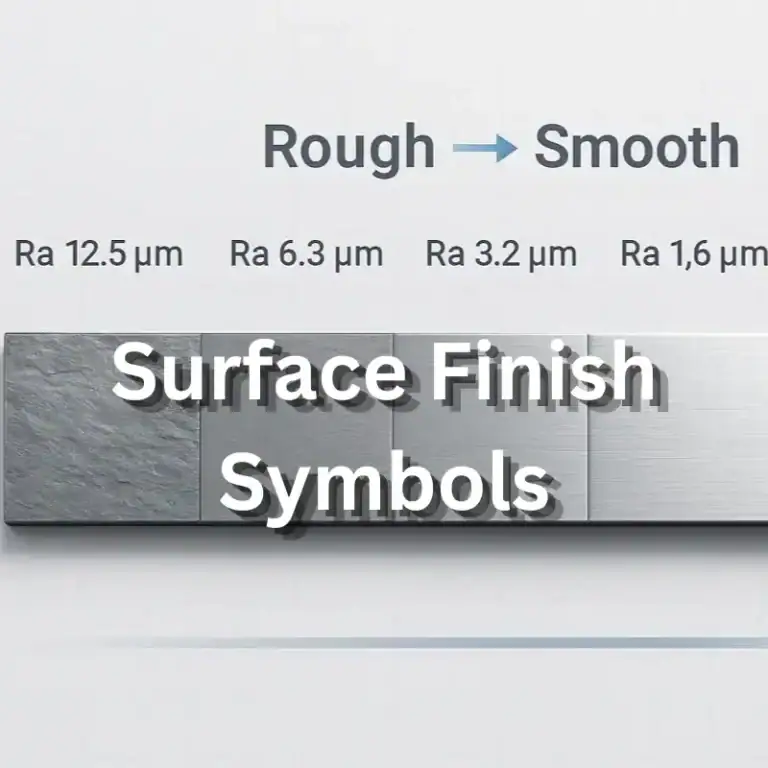
For precision mating areas, dimensional changes caused by surface treatments should also be considered to prevent assembly problems with finished parts.
Optimize Mass Production Costs
Production costs depend not only on material prices but also on machining time, clamping methods, and part design.
- Reduce structural complexity: Optimize machining features while maintaining product functionality.
- Arrange machining operations efficiently: Minimize repeated clamping and unnecessary process changes.
- Standardize part specifications: Plan common structures and dimensions where practical.
Improving the coordination between design and machining processes can reduce repeated operations and production waste.

How to Choose a Supplier for Electronic Product Structural Parts?
Manufacturing structural parts from prototypes to mass production requires ongoing technical coordination. Suppliers need not only machining capabilities but also an understanding of structural design, assembly relationships, and manufacturing requirements at different production stages.
Provide Complete Project Documentation
To evaluate machining solutions accurately, customers should prepare the necessary technical and order information:
- Engineering drawings and 3D models: Define part structures, dimensions, tolerances, and assembly relationships.
- Material requirements: Specify material grades, dimensions, and any special performance requirements.
- Surface treatment requirements: Indicate appearance, color, and protection requirements.
- Production plans: Provide prototype quantities, trial production volumes, and expected mass production requirements.
Complete documentation helps reduce quotation discrepancies and repeated confirmations during production.
Evaluate the Supplier’s Production Support Capabilities
When selecting a supplier, buyers should consider CNC machining capabilities, dimensional inspection facilities, process adjustment capabilities, and batch delivery arrangements. A supplier that can identify structural machining issues during prototyping and adjust processes based on trial production results can help ensure a smoother transition to mass production.
Manufacturing electronic product structural parts requires careful consideration of structural design, machining accuracy, and assembly requirements. From prototype validation and small-batch production to full-scale manufacturing, each stage requires clearly defined dimensional standards and machining specifications. Addressing structural and process issues early can reduce production transfer risks and improve batch consistency. TiRapid provides customized CNC machining services based on customer drawings and project requirements, supporting electronic product structural parts from prototype development to mass production.