Silicon carbide (SiC) has become an important material in semiconductor and related industrial equipment thanks to its high-temperature resistance, corrosion resistance, exceptional hardness, and excellent thermal stability. However, this material comes with a challenge: its performance is impressive, but machining it is far from easy. Unlike ordinary metal components, which can be quickly shaped through cutting, silicon carbide is prone to edge chipping, microcracks, and surface damage. Even minor defects can affect the component’s performance. For equipment manufacturers looking for custom SiC components, selecting the right machining process and controlling material damage are essential to meeting actual operating requirements.
What Are the Main Challenges of CNC Machining Silicon Carbide Semiconductor Components?
Silicon carbide is a high-hardness ceramic material commonly used in semiconductor equipment for load-bearing structures, insulating components, high-temperature parts, and precision support components. Compared with metals such as aluminum alloys and stainless steel, SiC has very different machining characteristics and requirements. Achieving the correct dimensions is not enough. The surface integrity of the material must also be protected to prevent machining damage from developing into more serious problems during use.

Why Is Silicon Carbide Difficult to Machine with Conventional Cutting Tools?
Silicon carbide has extremely high hardness, making it difficult for conventional metal-cutting tools to achieve satisfactory results. Rapid tool wear not only increases production costs but can also cause dimensional variations and poor surface quality. In actual production, processes such as diamond grinding and precision lapping are commonly used for hard and brittle materials. Suitable machining parameters are also necessary to achieve controlled material removal.
How Can Edge Chipping and Microcracks Be Reduced During Silicon Carbide Machining?
Silicon carbide is relatively brittle, making hole openings, edges, and thin sections particularly vulnerable to chipping. Excessive machining pressure, unsuitable feed rates, or worn tools can all cause localized damage. Several factors need attention during machining:
- Control machining loads: Set appropriate feed rates and machining depths to prevent excessive localized stress.
- Optimize hole machining: Arrange the machining sequence for mounting holes and through-holes to reduce the risk of chipping at exit points.
- Inspect edge conditions: Pay close attention to chamfers, thin edges, and corners after machining to identify small cracks or chips.
These details may seem minor, but they can affect assembly and long-term performance. For silicon carbide components with multiple mounting holes or complex profiles, vulnerable areas should be identified during process planning rather than after production.
What Are the Main Machining Requirements for Precision Silicon Carbide Components?
| Machining Item | Common Quality Requirements | Key Issues to Control |
| Overall dimensions | Length, thickness, profile accuracy | Dimensional deviations |
| Mounting holes | Hole diameter, spacing, positional accuracy | Hole-edge chipping, position errors |
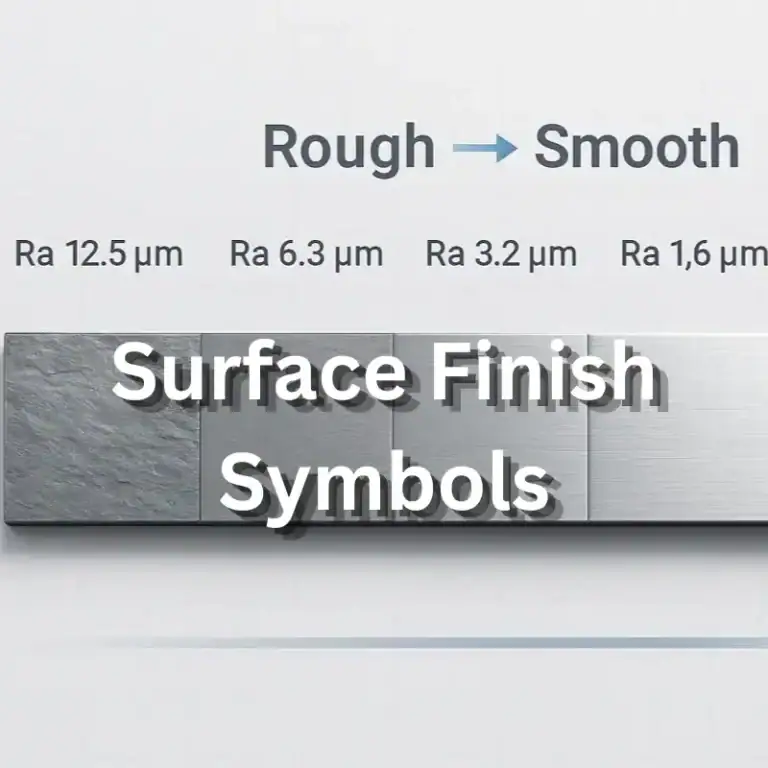
| Surface machining | Flatness, surface roughness | Scratches, microcracks |
| Edge finishing | Chamfers, profile integrity | Chips, edge damage |
How Should Precision Machining Processes Be Selected for Silicon Carbide Semiconductor Equipment Parts?
Silicon carbide components come in many different shapes and structures. Some are simple discs or plates, while others feature mounting holes, complex profiles, or precision contact surfaces. A single machining method cannot meet every requirement. For semiconductor equipment manufacturers, arranging rough machining, finishing, and surface treatment in a suitable sequence helps reduce material waste while improving dimensional accuracy and surface quality.
Why Is Diamond Grinding Commonly Used for Silicon Carbide Components?
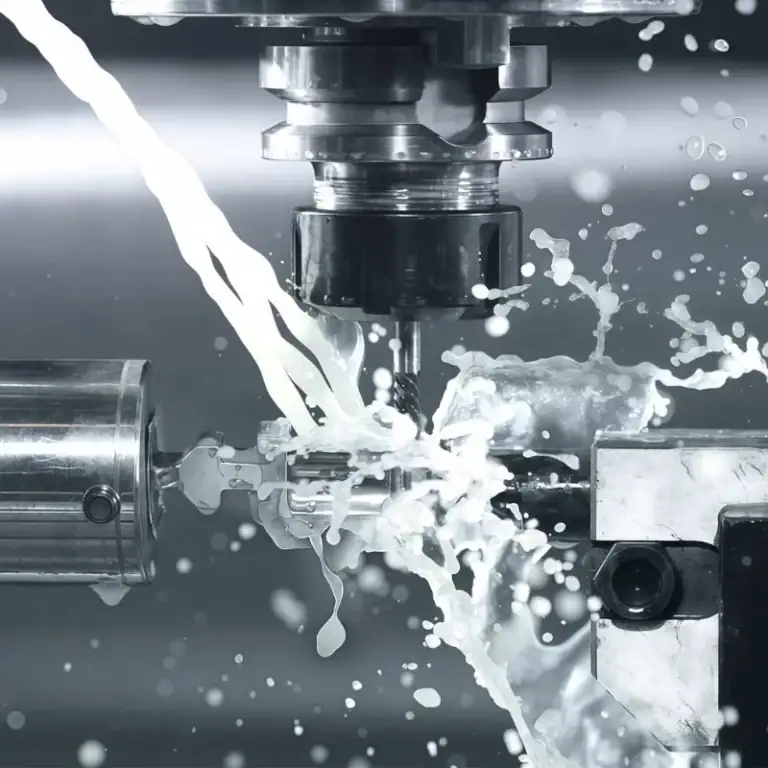
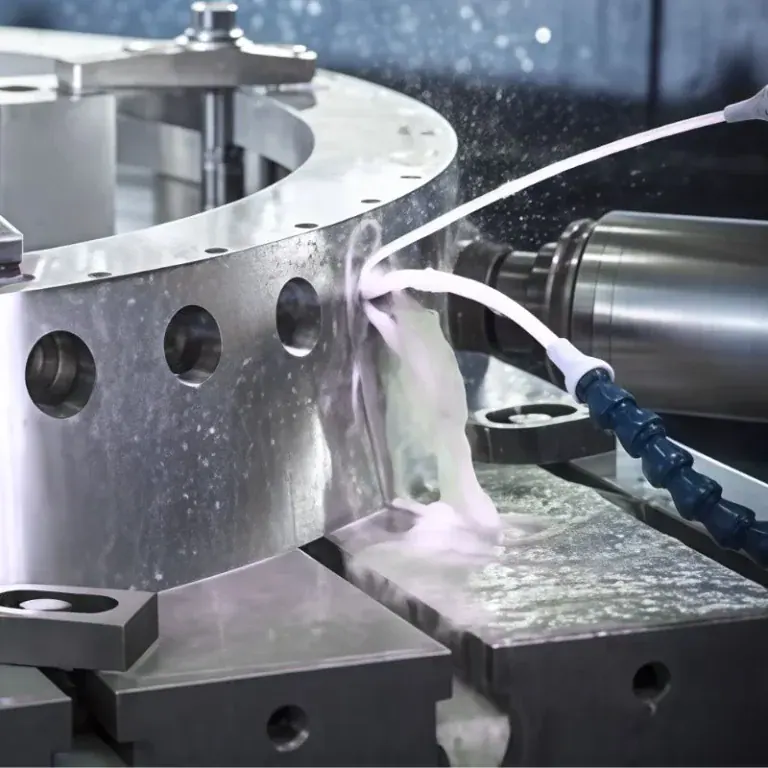
Diamond has exceptional hardness, making it suitable for machining difficult materials such as silicon carbide. Diamond grinding wheels and precision grinding equipment can gradually remove material while controlling flatness, outer diameters, and local profile dimensions. For SiC plates with strict thickness requirements, workpiece clamping, cooling, and machining allowances must also be carefully managed to prevent damage caused by uneven loading.
How Are Holes and Complex Profiles Machined in Silicon Carbide Ceramic Parts?
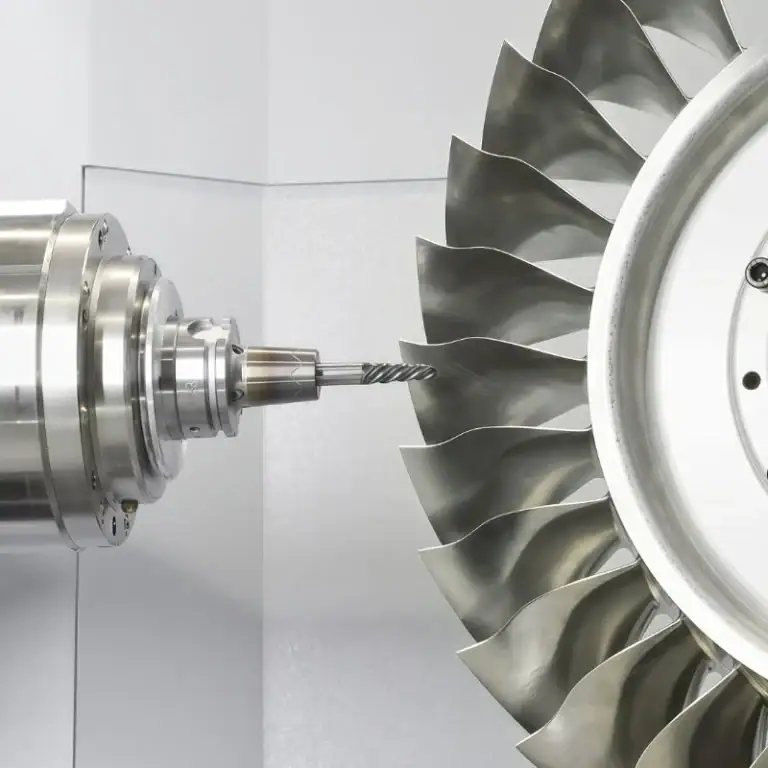
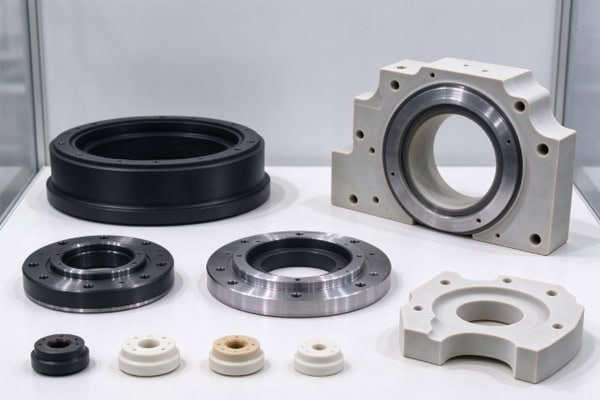
Silicon carbide components with holes are commonly used in equipment positioning, mounting, and connection structures. Hole accuracy directly affects assembly. Components with complex profiles may also include curved edges, grooves, or irregular contours, making process planning more challenging. Suitable diamond tools should be selected according to the component structure, with the machining sequence carefully arranged.
- Small-hole machining: Maintain stable hole diameters and intact openings while reducing exit chipping.
- Complex profiles: Remove material in stages to reduce concentrated loads on delicate edges.
- Precision flat surfaces: Use fine grinding to improve flatness for mounting and contact requirements.
- Edge chamfering: Control chamfer dimensions to reduce damage to sharp edges during handling and assembly.
If a component contains multiple holes and complex external profiles, critical dimensions and inspection requirements should be confirmed in advance. This helps prevent assembly problems from being discovered only after machining is complete.
How Should Silicon Carbide Machining Processes Be Selected Based on Component Geometry?
| Component Structure | Recommended Machining Process | Main Control Targets |
| Flat plates | Diamond surface grinding | Thickness, flatness |
| Round components | Cylindrical grinding, precision lapping | Outer diameter, roundness |
| Multi-hole components | Diamond drilling, precision grinding | Hole diameter, hole spacing |
| Complex structural parts | Multi-stage grinding, profile machining | Profile accuracy, edge integrity |
How Can Quality Be Ensured When Machining Silicon Carbide Semiconductor Components?
Machining silicon carbide components can be relatively expensive. Since the material is both hard and brittle, serious chipping or cracking leaves limited room for rework. Equipment manufacturers are more concerned with whether finished parts can move directly into assembly than with machining speed alone. Effective quality control should cover preparation, machining, and final inspection, with particular attention to surface defects that may not be visible to the naked eye.
What Should Be Inspected After Silicon Carbide Machining?
Overall dimensions can be checked using precision measuring equipment, while flatness and thickness require suitable measurement tools. Visual or microscopic inspection should also be performed around hole openings, edges, and surface areas to identify chipping, scratches, and microcracks. For components used in precision equipment, critical dimensions and surface conditions must be checked against engineering drawings. Appearance alone is not enough to determine whether a part meets requirements.
How Can Material Waste Be Reduced During Silicon Carbide Machining?
Silicon carbide materials and machining processes are relatively costly. An unsuitable process can lead to unnecessary material waste. Several practical measures can help improve material utilization:
- Plan raw material dimensions in advance: Select suitable material sizes based on the finished profile and required machining allowance.
- Allocate machining allowances carefully: Avoid removing too much material during rough machining while ensuring sufficient allowance for finishing.
- Monitor machining conditions: Adjust the process promptly when edge damage or surface defects are detected to prevent further damage.
Clear drawings and complete technical specifications are also important for small-batch custom components. Providing the material grade, dimensional tolerances, hole positions, and surface requirements helps simplify process planning and quotation.
What Information Is Needed for Custom Silicon Carbide Semiconductor Parts?
When requesting a quotation, it is recommended to provide 2D engineering drawings or 3D models with material specifications, critical dimensions, hole requirements, surface roughness, and order quantities clearly marked. If the components need to fit existing equipment, mounting positions and interface details can also be provided. For parts with special structures, identifying critical inspection areas in advance helps reduce repeated technical confirmations during production.
Successful silicon carbide machining depends on understanding the material’s properties and selecting suitable precision processes for each component structure. From diamond grinding and hole positioning to edge inspection and final measurement, every step affects the finished product’s performance. TIRAPID provides custom CNC machining services for industrial equipment and semiconductor components based on engineering drawings and technical requirements. Contact the team to discuss your machining needs and request a quotation.