Thin-walled parts are becoming increasingly common in modern manufacturing industries. From aerospace structural components to precision parts used in automation equipment, these components offer advantages such as lightweight design and compact structures. However, compared with standard parts, thin-walled components are much more difficult to machine. Many customers encounter issues where the dimensions meet requirements before machining, but problems such as warping, dimensional changes, or poor assembly occur after processing. Although the wall thickness may seem like a small design difference, thin-walled parts are highly sensitive to cutting forces, temperature changes, and internal material stress. In precision machining, controlling deformation and maintaining dimensional stability are critical factors in achieving high-quality results.
Why Are Thin-Walled Parts Prone to Deformation During Precision Machining?
Due to their unique structure, thin-walled parts usually have lower rigidity and are more sensitive to external forces during machining. Compared with conventional thick-walled components, they require better control of machining conditions, equipment stability, and process planning. Many machining errors are not caused by insufficient equipment accuracy, but gradually develop during cutting, clamping, and material stress changes. The following factors are common causes of deformation in thin-walled part machining.
Insufficient Part Rigidity Affects Machining Stability
The main characteristic of thin-walled structures is their small material thickness and limited supporting capability. During cutting, the tool applies pressure to the workpiece, and if the machining force exceeds the material’s ability to resist deformation, local displacement may occur. This issue becomes more noticeable in large thin-walled components or parts with complex curved structures.
Common problems include:
- Elastic deformation during machining.
- Dimensional recovery after machining.
- Local warping in weak areas.
- Difficulty maintaining the original shape in complex structures.
For thin-walled components, machining stability is often more important than simply increasing cutting speed. Proper control of cutting forces and maintaining stable support conditions can significantly reduce post-machining correction requirements.
Cutting Heat Causes Dimensional Changes
Heat generation is unavoidable during metal cutting. Since thin-walled parts have limited material thickness, their ability to dissipate heat is relatively weaker, making them more sensitive to temperature changes. During continuous machining, heat concentration in specific areas may cause thermal expansion, followed by dimensional changes after cooling.
Common effects include:
- Continuous temperature increases in machining areas.
- Thermal deformation of materials.
- Dimensional variations after cooling.
Controlling machining temperature is an important part of precision machining for thin-walled components. Proper cooling methods and optimized machining cycles help maintain better dimensional stability.
Clamping Methods Affect Final Part Shape
Many deformation problems occur before cutting begins, during the clamping process. If excessive clamping pressure is applied, the part may already deform before machining. After machining, when the fixture is released, the part may return to its original shape, causing dimensional deviations.
Important considerations during clamping include:
- Avoiding excessive pressure on weak areas.
- Ensuring more even force distribution.
- Reducing shape changes caused by clamping.
A proper clamping method allows the part to remain stable during machining and reduces the influence of external forces on precision.
How Can Deformation Be Controlled in Precision Machining of Thin-Walled Parts?
Machining thin-walled components is not simply about reducing cutting force. A complete solution requires optimization of the machining process, tool selection, and equipment control. A well-planned manufacturing strategy can reduce material changes and help maintain better dimensional consistency after machining. In actual production, engineers usually analyze part structures first and develop suitable machining methods.
Optimize Machining Sequence to Reduce Stress Effects
Removing large amounts of material in one operation can disturb internal stress balance and cause deformation after machining. Proper machining sequence planning allows materials to gradually stabilize and improves final accuracy.
Common optimization methods include:
- Removing most material through rough machining first.
- Leaving proper finishing allowance.
- Completing critical dimensions in stages.
- Reducing cutting depth per operation.
A scientific machining sequence reduces internal stress changes and makes finishing operations more stable. For high-precision thin-walled parts, step-by-step machining often produces better results than completing all dimensions in a single process.
Select Suitable Tools and Machining Parameters
Tool condition and cutting parameters directly affect the forces applied to thin-walled parts. If cutting resistance is too high or parameters are improperly set, vibration and machining pressure may increase, affecting surface quality and dimensional accuracy.
Key factors include:
- Choosing sharper cutting tools.
- Adjusting cutting speed properly.
- Controlling feed rate and cutting depth.
The right combination of tools and parameters reduces instability during machining, improves tool movement, and enhances surface quality and dimensional accuracy.
Improve Clamping Methods to Enhance Support
Traditional clamping methods may not provide enough stability for thin-walled parts. More suitable fixing solutions can reduce movement and vibration during machining by improving support and positioning methods.
Common approaches include:
- Adding auxiliary support structures.
- Using flexible fixtures to reduce pressure.
- Applying vacuum clamping methods.
Proper fixture design improves machining stability and reduces deformation caused by uneven forces, especially for complex thin-walled structures.
Which Precision Machining Processes Are Suitable for Thin-Walled Parts?
Thin-walled components often have complex structures and high accuracy requirements. A single machining method may not satisfy all manufacturing needs. In actual production, different processes are selected based on part materials, structural features, and final applications. Proper machining technology improves efficiency while reducing deformation risks.
CNC High-Speed Machining Improves Stability
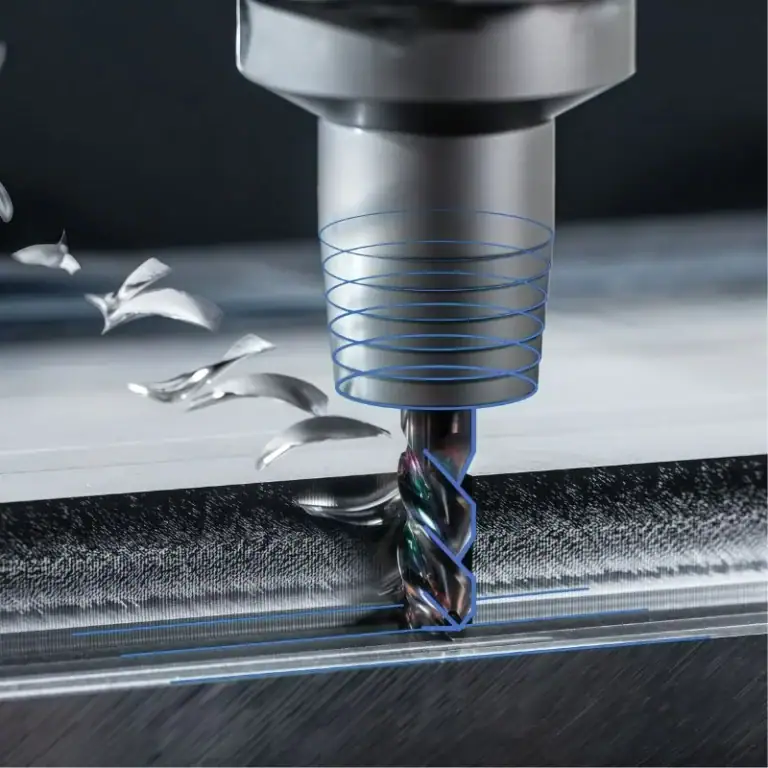
CNC high-speed machining is widely used for thin-walled part manufacturing. Through high-speed spindles and optimized tool paths, it can reduce cutting impact and improve machining stability.
Main advantages include:
- Reducing cutting forces during machining.
- Improving complex structure machining capability.
- Enhancing surface quality.
High-speed machining helps improve production efficiency while reducing vibration and deformation problems commonly found in traditional machining methods.
5-Axis Machining Reduces Repeated Fixturing
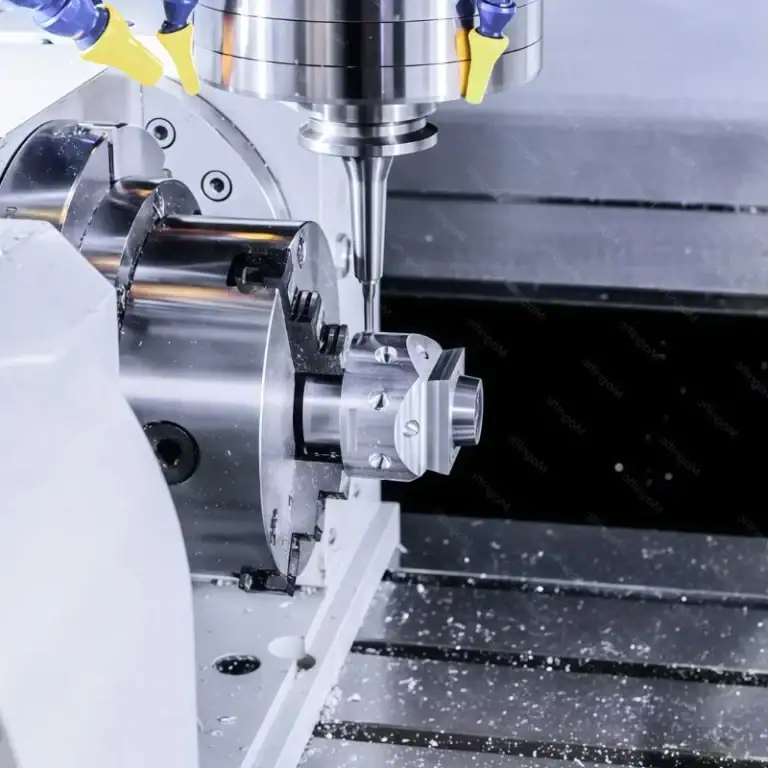
Some thin-walled parts contain multiple machining surfaces and complex curved structures. Conventional machining may require multiple repositioning operations, increasing positioning errors. 5-axis machining reduces repeated setups and improves overall consistency.
Key features include:
- Completing more machining operations in one setup.
- Reducing accumulated positioning errors.
- Suitable for complex curved components.
For aerospace parts, medical components, and high-end equipment structures, 5-axis machining provides a more flexible manufacturing approach and improves complex part quality.
Precision Inspection Ensures Final Dimensions
Inspection after machining is extremely important for thin-walled parts. Since these components are sensitive to environmental changes and stress effects, appearance checks alone cannot fully verify machining quality.
Inspection usually includes:
- Measuring critical dimensions and geometric tolerances.
- Checking whether deformation has occurred.
- Confirming compliance with technical drawings.
A complete inspection process helps identify machining deviations early, improve product stability, and ensure final parts meet application requirements.

How Can Long-Term Stability Be Improved in Precision Machining of Thin-Walled Parts?
Manufacturing thin-walled components is not only about achieving dimensions after machining but also about maintaining stable performance during long-term use. In high-precision equipment, parts may experience vibration, temperature changes, and mechanical loads over time. If machining stability is insufficient, overall equipment performance may be affected. Establishing a complete quality control system is an important part of reliable manufacturing.
Analyze Part Structure Before Machining
Early structural analysis helps reduce potential production problems.
Main tasks include:
- Evaluating machining difficulties in thin-wall areas.
- Planning reasonable machining routes.
- Optimizing structural details.
Control Machining Environment Changes
The machining environment can also affect thin-walled part accuracy, especially in high-precision manufacturing.
Important controls include:
- Maintaining stable temperature conditions.
- Reducing equipment condition fluctuations.
- Minimizing external interference.
Establish Stable Production Processes
Stable processes help reduce differences between parts during long-term production.
Key measures include:
- Recording critical machining parameters.
- Regularly checking equipment accuracy.
- Maintaining consistent inspection standards.
The biggest challenges in precision machining of thin-walled parts are deformation control and dimensional stability management. By optimizing machining sequences, selecting suitable tools, improving clamping methods, and strengthening inspection procedures, manufacturers can effectively reduce machining risks and achieve higher accuracy requirements. For complex structures and demanding applications, stable manufacturing processes are the foundation of reliable part quality. Tirapid specializes in precision machining services, providing high-precision thin-walled part machining solutions to help companies achieve stable and reliable customized manufacturing.