HDPE vs polyethylene is a comparison between a specific high-density grade and the broader polyethylene family. HDPE has a more linear, tightly packed molecular structure, giving it higher density, stiffness, strength, and temperature resistance. Other polyethylene grades, especially LDPE, are generally softer and more flexible.
This guide explains HDPE vs polyethylene by structure, properties, processing, applications, recyclability, cost, and material selection.
What Is HDPE?
HDPE stands for High-Density Polyethylene, a thermoplastic polyethylene grade with relatively linear polymer chains, low branching, high crystallinity, and tightly packed molecular structure. These characteristics give high density polyethylene plastic greater stiffness and strength than lower-density PE grades.
Typical HDPE density is around 0.94–0.97g/cm³, although exact values vary by grade. HDPE generally combines good tensile strength, impact resistance, low moisture absorption, electrical insulation, and resistance to many acids, bases, detergents, and chemicals.
These HDPE properties make the material useful for pipes, tanks, bottles, cutting boards, industrial components, outdoor products, containers, geomembranes, and machined plastic parts.
How Is HDPE Made?
HDPE plastic is made by polymerizing ethylene under controlled conditions that minimize polymer-chain branching and create relatively straight molecular chains.
These chains can pack together more closely, increasing crystallinity and density compared with highly branched polyethylene grades. This molecular arrangement explains why HDPE is more rigid and stronger than LDPE.
After polymerization, HDPE resin can be converted into pellets and processed through extrusion, injection molding, blow molding, rotational molding, welding, or other fabrication methods. Solid HDPE sheet, plate, and rod can also be machined into custom components.
Why Does HDPE Have A Higher Density?
HDPE has a higher density because its polymer chains have less branching and can pack more closely together than the highly branched chains found in LDPE.
LDPE typically has a density around 0.91–0.93g/cm³, while HDPE commonly falls around 0.94–0.97g/cm³. Although this numerical difference appears small, it produces meaningful changes in stiffness, melting behavior, strength, and flexibility.
This is why density should not be viewed only as a weight specification. In polyethylene, density reflects molecular structure and helps engineers predict whether a material will behave more like a flexible film or a rigid engineering plastic.
What Is Polyethylene?
Polyethylene (PE) is a thermoplastic polymer produced by polymerizing ethylene monomers into long hydrocarbon chains. It is a broad material family rather than one single plastic grade and includes HDPE, LDPE, LLDPE, MDPE, and UHMWPE.
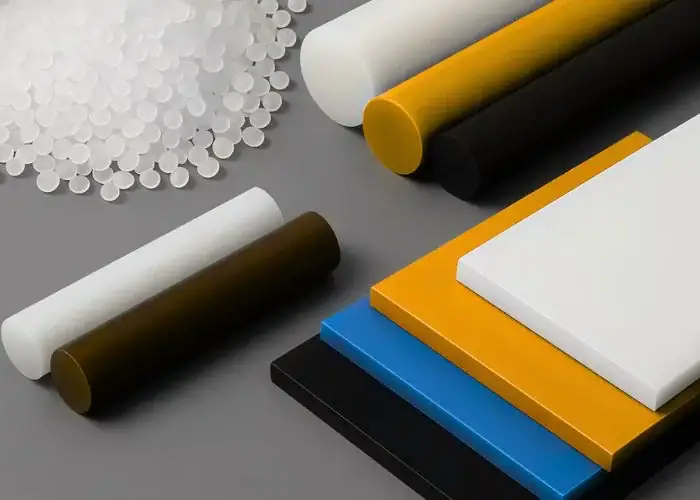
Polyethylene is widely used because it combines low density, chemical resistance, moisture resistance, electrical insulation, impact performance, and relatively low material cost. Depending on molecular structure and density, PE can range from flexible films to rigid pipes and machined components.
Common polyethylene applications include packaging films, bottles, containers, pipes, electrical insulation, geomembranes, toys, medical products, industrial components, and agricultural films. The correct grade depends on whether flexibility, stiffness, wear resistance, strength, or processing behavior is most important.
How Is Polyethylene Made?
Polyethylene is made by polymerizing ethylene gas under controlled temperature, pressure, and catalyst conditions, linking ethylene molecules into long polymer chains.
Different polymerization conditions create different levels of branching, molecular weight, crystallinity, and density. LDPE contains more branching, which prevents chains from packing tightly and creates a softer, more flexible material. HDPE has fewer branches and more linear chains, allowing molecules to pack more closely.
Manufacturing conditions therefore influence the final polyethylene properties. By controlling catalysts, pressure, temperature, and molecular structure, manufacturers can produce PE grades optimized for films, containers, pipes, molded products, wear components, or engineering applications.
What Are The Main Types Of Polyethylene?
The main types of polyethylene are HDPE, LDPE, LLDPE, MDPE, and UHMWPE, with each type offering a different balance of density, strength, flexibility, toughness, and processing performance.
- HDPE:Higher density, stiffness, strength, and chemical resistance.
- LDPE:Lower density with greater softness and flexibility.
- LLDPE:Flexible with good puncture and impact resistance.
- MDPE:Intermediate density and performance between LDPE and HDPE.
- UHMWPE:Extremely high molecular weight with excellent wear and impact resistance.
For engineering parts, the polyethylene name alone is not enough. Designers should specify the actual grade because an HDPE sheet, LDPE film, and UHMWPE wear component can behave very differently even though all belong to the polyethylene family.
HDPE vs Polyethylene: What Is The Difference?
The main difference between HDPE and polyethylene is that polyethylene describes an entire thermoplastic family, while HDPE is one specific high-density type within that family. When people compare HDPE vs polyethylene, they often actually mean HDPE vs lower-density PE, particularly LDPE.
| Property | HDPE | Lower-Density PE / LDPE |
| Material family | Polyethylene | Polyethylene |
| Typical density | 0.94–0.97g/cm³ | 0.91–0.93g/cm³ |
| Molecular structure | More linear | More branched |
| Stiffness | Higher | Lower |
| Flexibility | Lower | Higher |
| Strength | Higher | Lower |
| Typical melting range | 120–130°C | 105–115°C |
| Chemical resistance | Excellent | Good |
| Moisture absorption | Very low | Very low |
| Typical products | Pipes, tanks, rigid containers, parts | Films, bags, liners, flexible packaging |
Molecular Structure And Density
HDPE has a more linear and tightly packed molecular structure than lower-density polyethylene.
Fewer side branches allow HDPE chains to organize more efficiently, increasing crystallinity and producing higher density. LDPE contains more branching, which creates more molecular space and lowers density.
This structural difference is the foundation of the HDPE vs polyethylene comparison because it influences stiffness, flexibility, strength, melting behavior, chemical performance, and processing.
Strength And Durability
HDPE is generally stronger and more rigid than LDPE because its tightly packed molecular structure creates stronger intermolecular interactions.
HDPE tensile strength varies by grade, but typical commercial values can reach roughly 20–30MPa or higher. Flexible lower-density PE grades generally trade some strength and stiffness for greater elongation and flexibility.
Durability should still be evaluated by application. Temperature, UV exposure, chemicals, loading duration, stress concentration, wall thickness, and additives can all change long-term performance.
Stiffness And Flexibility
HDPE is stiffer, while LDPE and many lower-density polyethylene grades are more flexible.
This makes HDPE suitable for rigid containers, cutting boards, machine components, tanks, and pipes. LDPE is better suited for plastic films, flexible bags, squeeze containers, liners, and other products that must bend easily.
For engineered components, stiffness also affects dimensional stability. A material that is too flexible may deform under clamping, assembly loads, or long-term stress.
Impact Resistance
HDPE provides strong impact resistance while maintaining greater rigidity than lower-density polyethylene.
Lower-density polyethylene is softer and can absorb impact through deformation. This can be useful for flexible packaging and products that must bend rather than maintain a rigid shape.
Impact performance depends strongly on temperature, notch geometry, wall thickness, resin grade, and loading rate. Designers should therefore compare application-specific impact data instead of choosing only by the HDPE or PE name.
Chemical And Corrosion Resistance
HDPE offers excellent resistance to water and many acids, alkalis, detergents, and common chemicals, making it suitable for tanks, pipes, containers, and chemical-handling components.
Polyethylene in general also provides good chemical resistance. However, performance depends on chemical concentration, temperature, exposure time, and mechanical stress.
Chemical compatibility charts should be reviewed for critical applications. Strong oxidizers, hydrocarbons, solvents, elevated temperatures, or combinations of chemicals and mechanical stress can change material performance.
Melting Point And Temperature Resistance
HDPE has a higher melting range than LDPE, typically around 120–130°C compared with approximately 105–115°C for LDPE.
The higher melting range allows HDPE to retain useful rigidity at temperatures where softer polyethylene grades may begin losing stiffness. However, melting point should not be treated as the continuous operating temperature.
Long-term service temperature is usually lower than melting temperature. Load, exposure time, chemical environment, dimensional requirements, and creep must all be evaluated.
Moisture And Water Resistance
HDPE and other polyethylene grades absorb very little moisture, making them suitable for wet environments, piping, tanks, marine products, food equipment, and outdoor components.
Low moisture absorption means HDPE does not experience the same moisture-driven dimensional changes associated with more hygroscopic engineering plastics such as nylon.
However, water resistance does not automatically guarantee outdoor durability. UV radiation, temperature cycling, oxidation, mechanical stress, and additives should also be considered for long-term outdoor service.
HDPE vs Polyethylene: Properties Comparison
HDPE offers higher density, stiffness, and temperature resistance, while lower-density polyethylene generally provides greater flexibility and easier deformation. The best choice depends on whether the application needs a rigid engineering material or a softer, more flexible plastic.
| Property | HDPE | LDPE / Lower-Density PE | Engineering Meaning |
| Density | 0.94–0.97g/cm³ | 0.91–0.93g/cm³ | HDPE packs more tightly |
| Melting range | 120–130°C | 105–115°C | HDPE tolerates higher processing temperatures |
| Stiffness | Higher | Lower | HDPE holds shape better |
| Flexibility | Moderate | High | LDPE bends more easily |
| Tensile strength | Generally higher | Generally lower | HDPE suits stronger parts |
| Impact resistance | High | High, with more deformation | Both tolerate impact differently |
| Chemical resistance | Excellent | Good to excellent | Both suit many chemical environments |
| Water absorption | Very low | Very low | Good dimensional behavior around moisture |
| Electrical insulation | Good | Good | Both useful for insulation |
| Recyclability | Recyclable | Recyclable | Sorting affects recovery |
| Typical applications | Pipes, tanks, containers, machined parts | Films, bags, liners | Select by stiffness requirements |
Advantages And Limitations Of HDPE
HDPE’s main advantages are its high strength-to-weight ratio, chemical resistance, impact resistance, low moisture absorption, processability, and relatively low cost, while its main limitations include thermal expansion, creep, limited high-temperature performance, and difficult adhesive bonding.
Main Advantages Of HDPE
The main advantages of HDPE are durability, chemical resistance, moisture resistance, impact strength, low density, manufacturability, and recyclability.
Key advantages include:
- Density around 94–0.97g/cm³
- Good strength-to-weight ratio
- High impact resistance
- Excellent resistance to many chemicals
- Very low moisture absorption
- Good electrical insulation
- Suitable for molding, extrusion, welding, and machining
- Widely available as sheet, rod, tube, and resin
- Recyclable as resin identification code #2
For industrial parts, this combination can reduce weight and corrosion concerns while keeping material and processing costs manageable.
Main Limitations Of HDPE
HDPE’s main limitations are relatively low stiffness compared with metals, significant thermal expansion, creep under sustained loading, limited high-temperature capability, and poor adhesion without surface treatment.
Its relatively soft surface can also scratch or deform under concentrated loads. For tight-tolerance CNC parts, heat generated during cutting and excessive fixture pressure can affect dimensions.
Engineers should therefore consider operating temperature, continuous load, tolerance, assembly method, surface bonding, UV exposure, and expected service life before specifying HDPE.
How Is HDPE Processed And Manufactured?
HDPE can be manufactured by CNC machining, injection molding, extrusion, blow molding, rotational molding, thermoforming, and welding, with the best method depending on geometry, quantity, tooling cost, tolerance, and final application.
CNC Machining
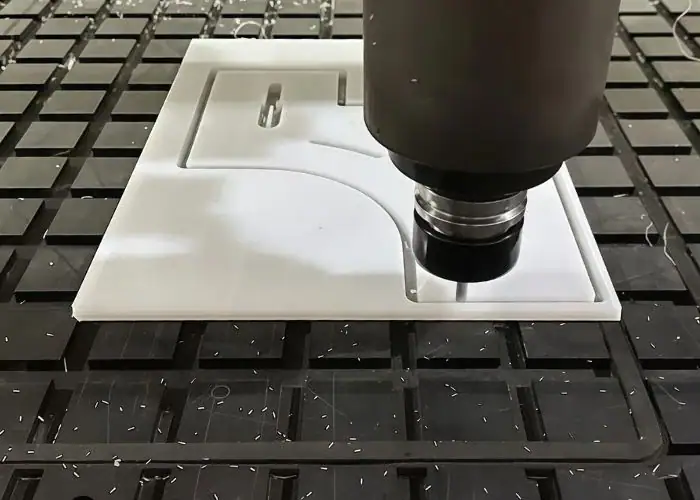
CNC machining produces HDPE parts by removing material from solid sheet, plate, rod, or tube stock and is well suited to prototypes, low-volume parts, fixtures, guides, housings, and precision industrial components.
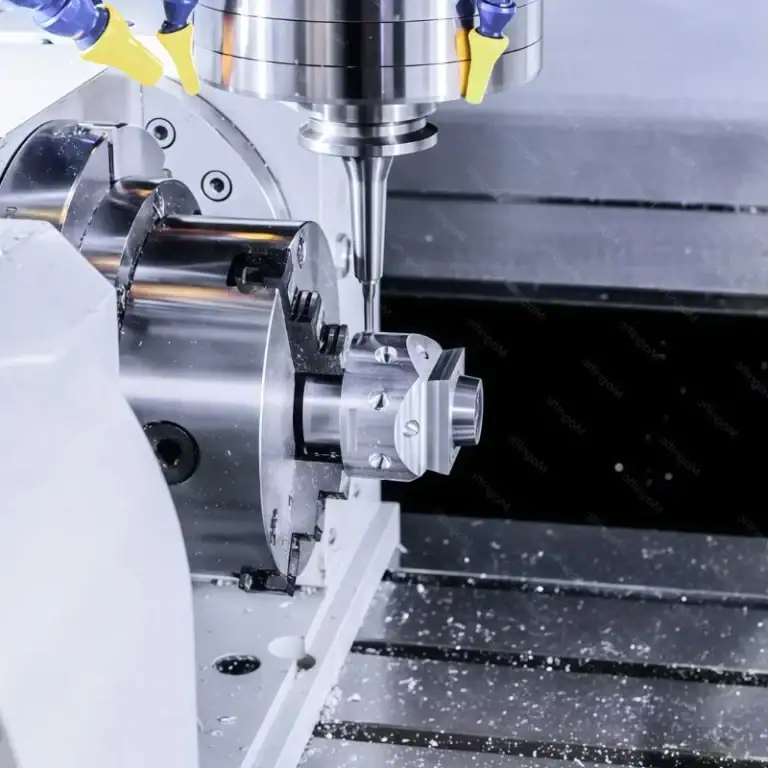
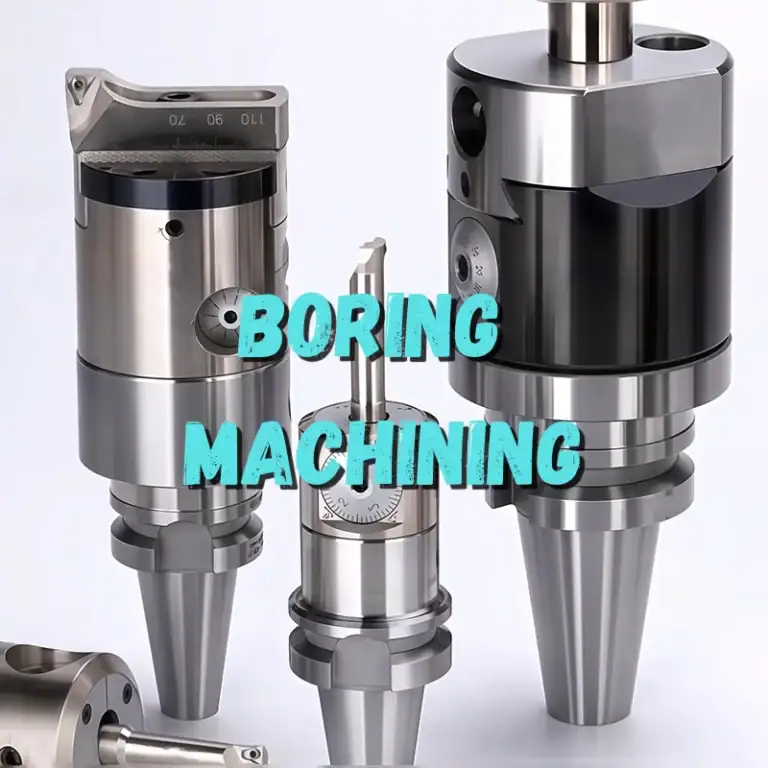
HDPE can be processed with CNC milling, CNC turning, drilling, boring, routing, and tapping. Multi-face or complex components can also use 5-axis CNC machining to reduce repositioning and maintain feature relationships within fewer setups.
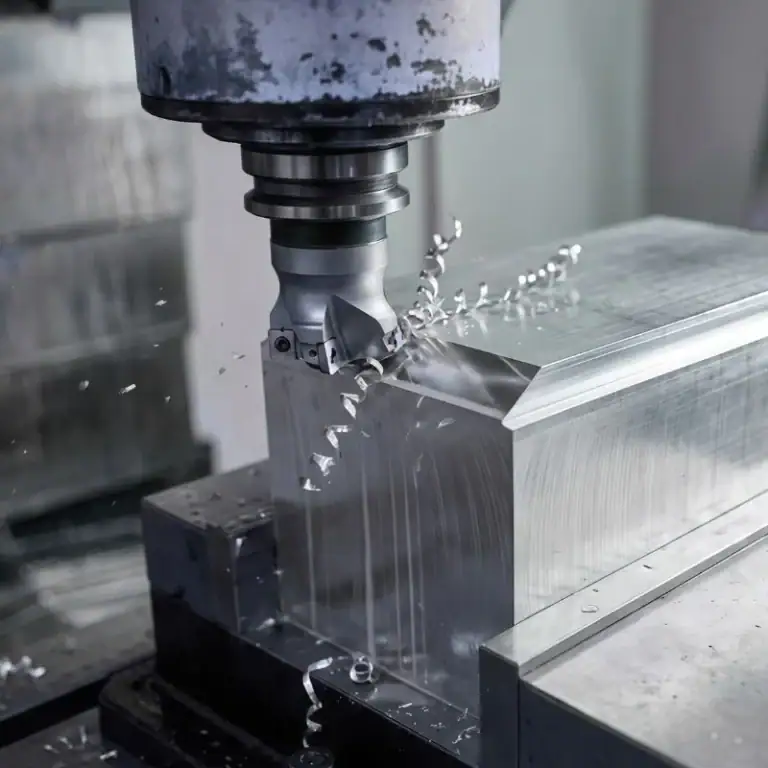
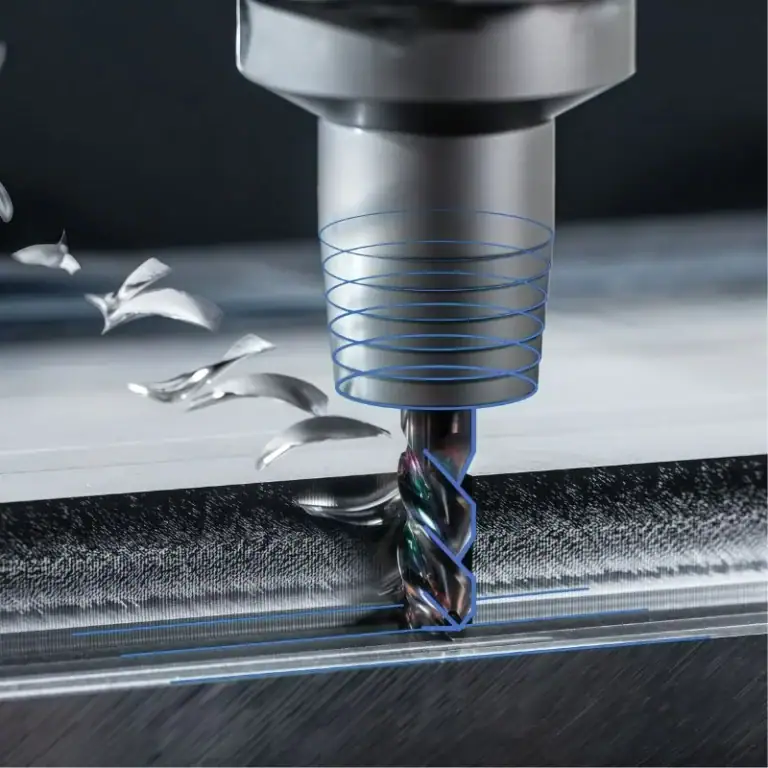
Because HDPE is relatively soft and has higher thermal expansion than metals, sharp cutting tools, controlled cutting heat, effective chip evacuation, and moderate clamping pressure are important. Excessive fixture force can deform a part during machining and cause dimensions to shift after release.
Injection Molding
Injection molding is suitable for producing high volumes of HDPE parts by melting polymer pellets and injecting the material into a shaped mold cavity.
The process can produce containers, closures, household products, automotive components, industrial products, and complex molded geometries with short cycle times after tooling is complete.
Tooling cost makes injection molding less attractive for prototypes and small quantities. Shrinkage, wall thickness, draft, gate position, cooling rate, warpage, and mold temperature must be controlled for consistent dimensions.
Extrusion
Extrusion produces continuous HDPE products by melting resin and forcing it through a shaped die.
It is widely used for pipe, tubing, sheet, profiles, film, and other continuous cross-sections. HDPE is especially common in fluid-handling systems because it combines chemical resistance, toughness, low moisture absorption, and durability.
Extrusion design must control melt temperature, cooling, wall thickness, dimensional shrinkage, die geometry, and line speed. Secondary cutting, welding, or CNC machining can then create finished components.
Welding And Fabrication
HDPE can be joined by thermoplastic welding methods that heat compatible surfaces and fuse them together under controlled pressure.
Common methods include butt fusion, socket fusion, extrusion welding, and hot-air welding. Welding is widely used for tanks, piping, liners, fabricated containers, and large structures.
Clean surfaces, controlled temperature, correct pressure, compatible material grades, and joint geometry are critical.
HDPE vs LDPE: What Is The Difference?
The main difference between HDPE and LDPE is molecular branching: HDPE has more linear, tightly packed chains, while LDPE contains more branching, making it less dense, softer, and more flexible.
| Property | HDPE | LDPE |
| Density | 0.94–0.97g/cm³ | 0.91–0.93g/cm³ |
| Structure | More linear | Highly branched |
| Rigidity | Higher | Lower |
| Flexibility | Lower | Higher |
| Typical melting range | 120–130°C | 105–115°C |
| Strength | Higher | Lower |
| Common use | Pipes, bottles, tanks | Bags, films, liners |
Density And Molecular Structure
HDPE is denser than LDPE because HDPE contains fewer molecular branches and its polymer chains can pack more tightly.
The density difference is relatively small numerically but produces substantial changes in physical behavior. HDPE is more rigid and structurally stable, while LDPE is softer and easier to bend.
Strength And Flexibility
HDPE is generally stronger and stiffer than LDPE, while LDPE is more flexible and easier to stretch or deform.
HDPE is commonly used for tanks, bottles, pipes, outdoor furniture, cutting boards, and industrial components. LDPE is widely used for bags, films, squeeze bottles, coatings, and flexible liners.
Neither material is universally better. The correct choice depends on whether the design prioritizes load resistance and rigidity or flexibility.
Temperature And Chemical Performance
HDPE generally offers a higher melting temperature than LDPE, while both materials provide useful resistance to moisture and many chemicals.
HDPE typically melts around 120–130°C, compared with approximately 105–115°C for LDPE.
Chemical performance should still be checked against actual exposure. Concentration, temperature, stress, and duration can affect polyethylene safety and long-term compatibility.
Typical Applications
HDPE is primarily used for rigid and durable products, while LDPE is primarily used for flexible films, bags, liners, and squeeze products.
Typical HDPE applications include:
- Water and chemical pipes
- Detergent and milk bottles
- Storage tanks
- Cutting boards
- Industrial containers
- Outdoor furniture
- CNC-machined plastic components
Typical LDPE applications include plastic bags, shrink film, flexible packaging, squeeze bottles, cable insulation, coatings, and liners.
HDPE vs Other Common Plastics
HDPE differs from PP, PVC, and ABS mainly in stiffness, heat resistance, impact behavior, chemical resistance, density, and dimensional stability. No material wins every category, so alternatives should be compared against actual operating conditions.
HDPE vs Polypropylene
HDPE generally offers strong impact and moisture resistance, while polypropylene typically provides higher temperature capability and greater stiffness in many grades.
The hdpe vs polypropylene decision often depends on temperature and impact requirements. HDPE is widely used for tanks, pipes, containers, outdoor products, and fluid systems, while PP is common in living hinges, chemical equipment, automotive components, and higher-temperature applications.
When comparing polyethylene vs polypropylene, also consider chemical exposure, fatigue behavior, UV stabilization, processing method, and operating temperature.
HDPE vs PVC
HDPE is generally lighter and more flexible than rigid PVC, while PVC offers greater inherent stiffness and is widely used in rigid piping and construction products.
The hdpe vs pvc choice is common in piping. HDPE can be fusion welded into continuous leak-resistant systems and tolerates ground movement well, while rigid PVC provides strong dimensional rigidity.
Pressure rating, chemical compatibility, installation method, temperature, UV exposure, pipe diameter, joining requirements, and standards should determine the final selection.
HDPE vs ABS
HDPE generally provides better moisture and chemical resistance, while ABS offers greater rigidity, dimensional stability, and a harder surface for many engineered housings and structural plastic parts.
In an abs vs hdpe comparison, HDPE is attractive for wet environments, tanks, wear surfaces, and chemical exposure. ABS is often preferred for housings, covers, prototypes, and products requiring a more rigid cosmetic surface.
For CNC-machined components, dimensional tolerance can also influence selection.
Common Applications Of HDPE
HDPE is commonly used in industrial equipment, construction, automotive products, packaging, food applications, and fluid-handling systems because it combines low weight, impact resistance, chemical resistance, and low moisture absorption.
Industrial Equipment And CNC Machined Parts
HDPE is used for industrial and CNC-machined parts that require low moisture absorption, corrosion resistance, low friction, impact resistance, and economical manufacturing.
Typical parts include guides, wear strips, spacers, rollers, blocks, covers, fixtures, conveyor components, protective plates, and fluid-handling components.
For precision machining, engineers should account for thermal expansion, creep, fixture deformation, and burr formation. Stable stock, sharp tools, controlled cutting temperature, and appropriate inspection conditions can improve repeatability.
Construction And Infrastructure
HDPE is widely used in construction and infrastructure for pipes, geomembranes, drainage systems, barriers, liners, and underground fluid-handling products.
Its resistance to moisture, soil chemicals, corrosion, and impact makes it useful where metals may require coatings or additional corrosion protection.
Automotive Components
HDPE is used in automotive components such as fuel systems, fluid containers, protective components, liners, cable-related parts, and molded housings where low weight and chemical resistance are important.
Its low density helps reduce component mass, while impact and chemical resistance support under-hood and exterior applications when the correct grade is selected.
Packaging And Containers
HDPE is widely used for rigid packaging and containers because it combines impact strength, moisture resistance, chemical resistance, moldability, and low weight.
Common examples include milk jugs, detergent bottles, shampoo bottles, chemical containers, caps, drums, and industrial storage products.
Food And Beverage Applications
HDPE is used in food and beverage applications for cutting boards, bottles, containers, and food-handling surfaces when an appropriate food-contact grade is specified.
For food equipment, buyers should verify the exact material certification, additives, surface condition, cleaning method, operating temperature, and applicable regulatory requirements.
Pipes And Fluid Handling Systems
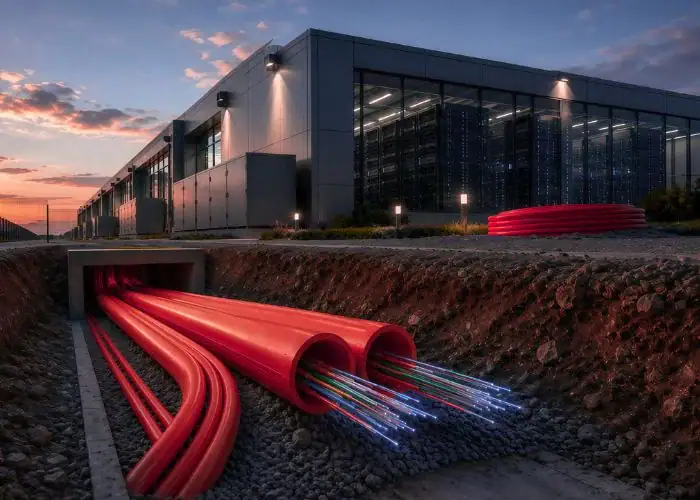
HDPE is widely used for pipes and fluid-handling systems because it combines chemical resistance, toughness, flexibility, corrosion resistance, and fusion-weldable joints.
Applications include potable water, drainage, sewage, gas distribution, industrial chemicals, irrigation, and underground utility systems.
HDPE vs Polyethylene Pipes: What Should You Know?
HDPE is itself polyethylene, so HDPE vs polyethylene pipes usually means comparing HDPE pipe with another PE grade or pipe specification rather than two completely unrelated materials.
HDPE Recyclability And Sustainability
HDPE is recyclable and is commonly identified by resin identification code #2, but real sustainability depends on collection, sorting, contamination, processing, recycled content, and product design.
Is HDPE Recyclable?
Yes, HDPE is recyclable and is one of the more recognizable plastics in conventional recycling streams because rigid HDPE products can be sorted, washed, shredded, melted, and reprocessed.
Common recyclable HDPE products include bottles, containers, drums, pipes, and selected industrial products.
How Is HDPE Recycled?
HDPE is generally recycled by collecting and sorting products, cleaning them, shredding the plastic into flakes, melting the material, and extruding it into recycled pellets.
Those pellets can then be processed into products such as pipes, containers, plastic lumber, bins, construction products, or other applications depending on resin quality.
HDPE vs Other Polyethylene Grades In Sustainability
HDPE can be easier to recover than thin polyethylene films because rigid HDPE products are generally easier to collect, identify, sort, and process.
A sustainable material decision should consider product life, material mass, recycled content, manufacturing waste, local recycling infrastructure, and whether the finished design allows material separation.
Why Is HDPE Commonly Used For Pipes?
HDPE is commonly used for pipes because it combines toughness, chemical resistance, corrosion resistance, flexibility, and strong fusion joints with relatively low weight.
Unlike metal piping, HDPE does not rust. Fusion joining can also create continuous systems with fewer mechanical joints.
When Should You Choose HDPE Pipe?
Choose HDPE pipe when the system requires corrosion resistance, chemical compatibility, impact toughness, ground-movement tolerance, long continuous runs, or fusion-welded joints.
It is especially useful for buried water systems, gas distribution, industrial fluids, drainage, mining, irrigation, and applications where corrosion makes metal pipe expensive to maintain.
HDPE vs Polyethylene Cost
HDPE and other polyethylene grades are generally economical commodity thermoplastics, but final cost depends on resin grade, stock form, additives, certification, processing method, quantity, and market conditions.
What Affects HDPE Material Cost?
HDPE material cost is affected by resin grade, virgin or recycled content, sheet or rod dimensions, additives, certification, color, quantity, supplier, petroleum feedstock prices, and market demand.
For custom parts, stock utilization is also important. Large blocks with heavy material removal can create significantly more waste than near-net-shape molded or extruded products.
How Processing Method Affects Total Part Cost
Processing method affects HDPE part cost through tooling investment, cycle time, material waste, labor, quantity, dimensional requirements, and secondary operations.
CNC machining avoids expensive molds and is practical for prototypes and low-volume precision parts. Injection molding requires tooling but can reduce unit cost at high production volumes. Extrusion is economical for continuous profiles and pipes.
How To Choose The Right Polyethylene Material?
Choose the right polyethylene by balancing strength, stiffness, flexibility, temperature, chemical exposure, manufacturing process, dimensional requirements, cost, and production volume.
Choose Based On Strength And Stiffness
Choose HDPE when the part requires higher strength and stiffness than flexible polyethylene grades.
Its denser molecular structure makes HDPE suitable for rigid containers, tanks, pipes, boards, industrial components, and machined parts that need to maintain shape under moderate loads.
Choose Based On Flexibility
Choose LDPE or LLDPE instead of HDPE when the application requires high flexibility, bending, stretching, or soft film behavior.
Typical applications include bags, flexible packaging, liners, films, squeeze products, and flexible tubing.
Choose Based On Temperature
Choose HDPE over LDPE when higher melting temperature and better rigidity at moderately elevated temperatures are required.
HDPE typically melts around 120–130°C, while LDPE generally melts around 105–115°C.
Choose Based On Chemical Exposure
Choose HDPE when the application requires resistance to water, many acids, bases, detergents, cleaning chemicals, and other common industrial substances.
Always verify compatibility against the actual chemical concentration and operating temperature.
Choose Based On Manufacturing Process
Choose the polyethylene grade according to whether the part will be machined, molded, extruded, welded, blown, or formed because each manufacturing process requires different material behavior.
CNC machining works well for HDPE sheet and rod when prototypes, low quantities, or precise custom geometry are required.
Choose Based On Cost And Production Volume
Choose based on total production cost rather than raw polyethylene price alone.
Low-volume parts may favor CNC machining, while high-volume products often justify injection molding or extrusion tooling.
FAQs
Is HDPE The Same As Polyethylene?
HDPE is polyethylene, but not all polyethylene is HDPE. HDPE stands for High-Density Polyethylene and belongs to the broader PE family, which also includes LDPE, LLDPE, MDPE, and UHMWPE. Typical HDPE density is about 0.94–0.97g/cm³, compared with roughly 0.91–0.93g/cm³ for LDPE. Its more linear structure gives HDPE higher stiffness, strength, and a melting range around 120–130°C.
Which Is Stronger, HDPE Or LDPE?
HDPE is generally stronger and stiffer than LDPE because its polymer chains contain less branching and pack more tightly. HDPE commonly has a density of 0.94–0.97g/cm³, while LDPE is approximately 0.91–0.93g/cm³. HDPE also melts around 120–130°C, versus approximately 105–115°C for LDPE. Choose HDPE for rigid pipes, tanks, containers, and components, choose LDPE when flexibility is more important.
How To Tell If Plastic Is HDPE Or LDPE?
Check the resin identification code first: HDPE normally carries #2, while LDPE normally carries #4. Physical behavior also provides clues. HDPE is typically more rigid, opaque, and shape-retaining, whereas LDPE is softer, more flexible, and common in films and bags. Density can provide further confirmation: HDPE is typically about 0.94–0.97g/cm³, compared with 0.91–0.93g/cm³ for LDPE.
Is Polypropylene LDPE Or HDPE?
Polypropylene is neither LDPE nor HDPE. PP is polypropylene, while LDPE and HDPE are two different grades within the polyethylene (PE) family. PP typically has a density near 0.90g/cm³ and generally provides greater heat resistance than polyethylene, while HDPE offers strong chemical resistance, impact performance, and moisture resistance. Compare HDPE vs polypropylene by temperature, stiffness, fatigue, chemical exposure, impact, and manufacturing process.
Which Brands Use HDPE Plastic?
Many consumer and industrial brands use HDPE for products such as milk jugs, detergent bottles, shampoo containers, household chemical bottles, caps, drums, and packaging, but material selection varies by product and region. Rather than assuming a brand always uses HDPE, check the package for the #2 resin identification code. HDPE is widely selected because it combines low density, impact strength, chemical resistance, moisture resistance, moldability, and recyclability.
Conclusion
HDPE is not a separate polymer from polyethylene, it is a high-density member of the polyethylene family. Its more linear molecular structure gives it higher density, stiffness, strength, and melting temperature than flexible grades such as LDPE. HDPE is a practical choice for pipes, tanks, containers, industrial components, and machined parts, while lower-density PE grades are better for films, liners, bags, and applications where flexibility is the priority.
At TiRapid, we provide precision CNC machining and manufacturing services for custom plastic parts, including HDPE and other engineering polymers. Our capabilities include CNC milling, CNC turning, 5-axis CNC machining, DFM analysis, and quality inspection to help control geometry, tolerance, surface quality, and dimensional consistency from prototype to low-volume production.