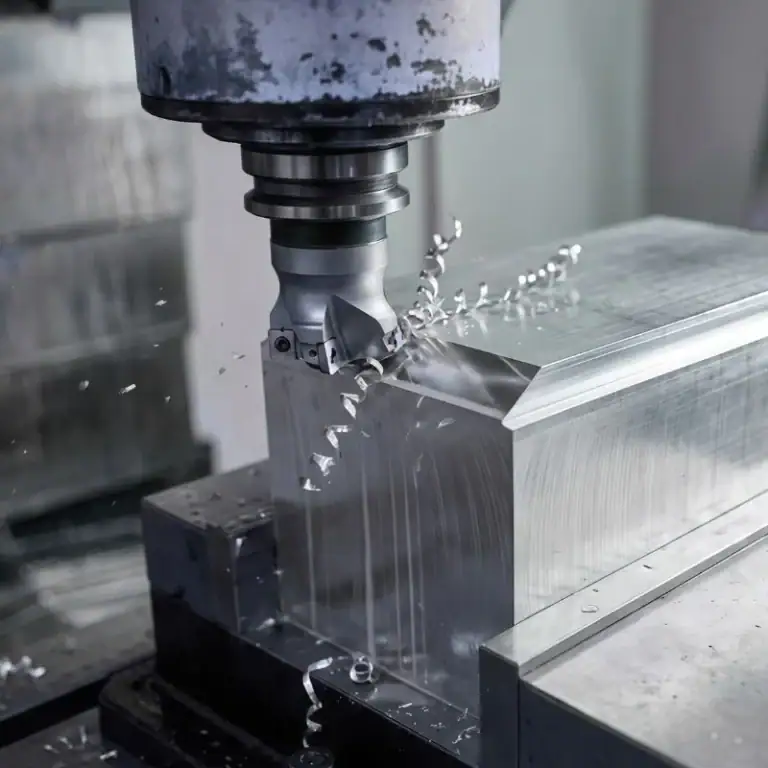
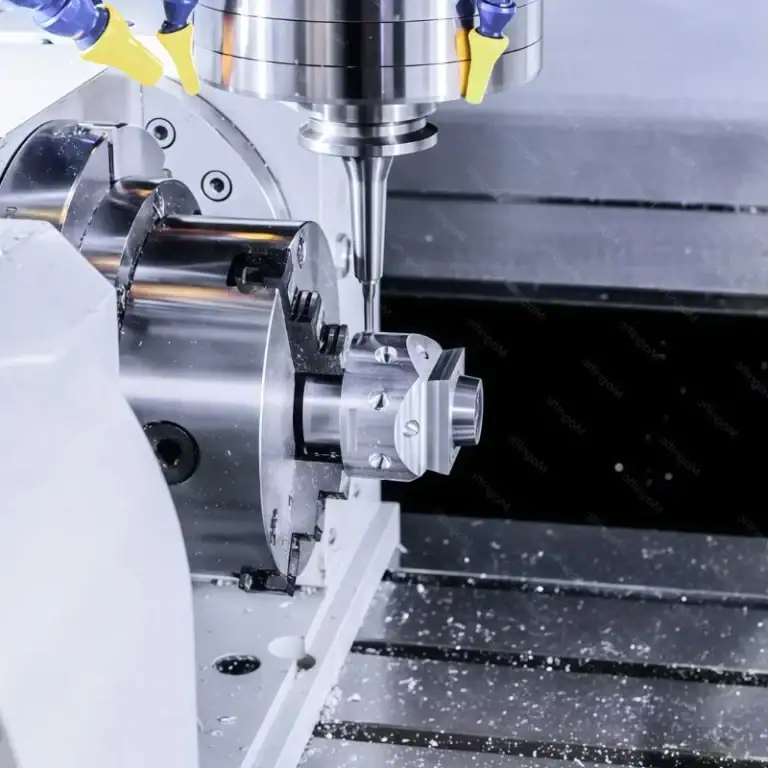
For difficult-to-machine materials such as titanium alloys, superalloys, and stainless steel, tool consumption is an important factor affecting CNC milling costs. Conventional full-width cutting tends to generate high cutting forces and heat, accelerating tool wear. Trochoidal milling, on the other hand, controls the radial engagement and toolpath to make the cutting load more stable. Its value lies not only in extending tool life, but also in reducing downtime caused by tool changes, lowering machining risks, and improving process stability.
Why Difficult-to-Machine Materials Are Particularly Suitable for Trochoidal Milling
Difficult-to-machine materials typically have high strength, low thermal conductivity, or a tendency to work-harden, causing tools to remain under high loads for extended periods during conventional milling.
Reducing Instantaneous Tool Loads
Trochoidal milling uses a smaller radial depth of cut combined with a relatively high feed rate, allowing the tool to maintain a more stable cutting condition.
- Reduce the impact generated when the tool suddenly engages a large amount of material.
- Relieve the localized cutting pressure on the cutting edge and reduce the risk of edge chipping.
- Distribute cutting forces more evenly and improve machining stability.
This load control is particularly important when machining materials such as titanium alloys.
Reducing Cutting Heat Concentration
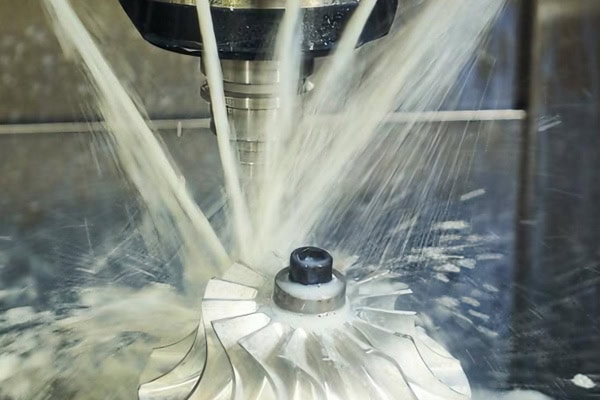
The heat generated when machining difficult materials tends to accumulate near the cutting edge. If it cannot be dissipated in time, tool wear will accelerate. A smaller radial engagement can reduce the thermal load generated during each cutting pass, while continuous trochoidal motion minimizes the time the tool remains in the same area. Combined with an appropriate cooling method, this helps remove heat from the cutting zone.
How Much Tooling Can Trochoidal Milling Actually Save?
There is no universal tool-life improvement percentage applicable to all materials and machines. Actual results are affected by factors such as material grade, tool brand, cutting parameters, machine rigidity, and machining depth.
Longer Tool Life Comes from Reduced Loads
When the parameters are properly matched, trochoidal milling can generally slow abnormal tool wear, making it particularly suitable for tasks such as deep-slot milling, pocket machining, and large-volume material removal.
- Reduce wear caused by prolonged high loads on the cutting edge.
- Lower the likelihood of premature tool changes caused by edge chipping, thermal damage, and other issues.
- Reduce the number of tools required to complete the same production task.
If the original process requires frequent tool changes, optimizing the toolpath will generally reduce tool consumption. However, the specific results still need to be confirmed through on-site trial cutting and production data.
The Savings Go Beyond the Tools Themselves
When calculating machining costs, many companies focus only on tool purchase prices and overlook the indirect losses caused by tool changes, machine setup, and downtime.
- Fewer tool changes can shorten machine auxiliary time.
- Maintaining stable tool conditions helps reduce dimensional variation and the probability of rework.
- Reducing unexpected tool damage can minimize the impact of unplanned downtime on production schedules.
When evaluating the economic benefits of trochoidal milling, costs related to tooling, equipment, and production efficiency should be considered together.
How to Maximize the Advantages of Trochoidal Milling Through Parameter Selection
Trochoidal milling is not simply a matter of changing the toolpath to an arc-based motion. Parameter coordination also affects the machining results.
Control Radial Engagement
The key to trochoidal machining is keeping the tool at a relatively small radial cutting width.
- Set an appropriate radial engagement according to the tool diameter, workpiece material, and machine performance.
- Avoid allowing the tool to suddenly experience excessive cutting loads in an attempt to increase the material removal per pass.
- When machining materials such as superalloys, pay particular attention to heat accumulation and tool loading.
A suitable radial cutting width helps maintain stable tool operating conditions.
Match the Feed Rate Appropriately
A small radial engagement must be matched with suitable feed parameters; otherwise, machining efficiency may decrease.
- Adjust the feed per tooth according to the number of tool flutes and the material characteristics.
- Maintain continuous cutting and reduce ineffective friction between the tool and the workpiece surface.
- Balance machining efficiency and tool life by combining a relatively high feed rate with a small radial depth of cut.
The focus of parameter optimization is not to increase spindle speed blindly, but to keep the tool engaged in effective cutting continuously.
Which Difficult-to-Machine Materials Benefit Most from Trochoidal Milling?
Trochoidal milling is suitable for high-load machining applications, especially materials in which conventional toolpaths tend to cause rapid tool wear.
Titanium Alloys and Superalloys
Titanium alloys and nickel-based superalloys have high strength and low thermal conductivity, making them prone to generating high temperatures and accelerating tool wear during milling.
- Use a smaller radial engagement to reduce cutting loads.
- Use continuous and stable toolpaths to reduce impact on the cutting edge.
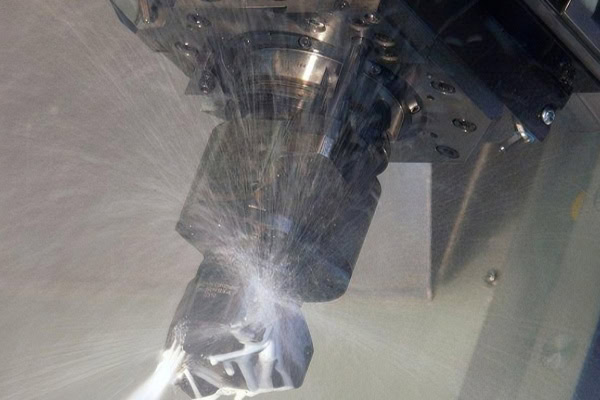
Combine the process with high-pressure coolant to improve heat dissipation in the cutting zone.
Stainless Steel and Other High-Strength Materials
Some stainless steels have a pronounced tendency to work-harden. If the tool repeatedly rubs against the same area, the machining condition can deteriorate.
- Maintain continuous cutting and avoid allowing the tool to remain on the machined surface for too long.
- Set the cutting depth appropriately to reduce the effects of work hardening.
Optimize the toolpath to make tool movement more continuous and stable.
How to Determine How Much Tooling Trochoidal Milling Actually Saves
For manufacturers, actual production data reflects the effectiveness of process optimization more accurately than theoretical tool life.
Compare Tool Consumption per Part
Record the actual production quantities when machining the same material with conventional and trochoidal toolpaths, and calculate the number of tools consumed for every specified number of completed parts. At the same time, compare dimensional stability, surface quality, and tool performance across different batches to reduce the influence of variations between individual tools.
Track Tool Changes and Downtime
In addition to tool quantities, record the number of tool changes, setup time, machining cycle time, and abnormal downtime to determine whether trochoidal milling truly reduces overall manufacturing costs. By combining tool wear conditions with part dimensional stability, manufacturers can establish a more accurate tool-life model and optimize machining parameters.
Conclusion
The value of trochoidal milling also extends to production management. By recording machining data for different materials, tools, and parameter combinations, manufacturers can gradually establish more accurate tool-life standards and reduce reliance on experience-based judgment. For materials such as titanium alloys and superalloys, stable machining conditions help reduce dimensional variation, rework, and the probability of unexpected downtime. TiRapid can provide corresponding CNC milling process recommendations based on part geometry, material characteristics, and production volume, helping customers optimize production processes and overall manufacturing costs.