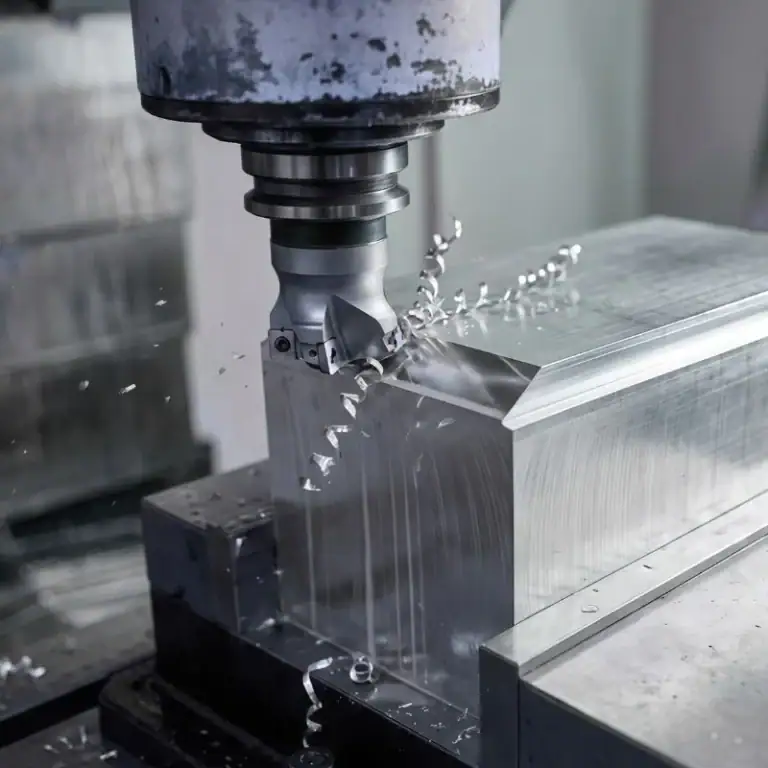
In precision machining, many parts may appear to meet requirements after processing, but problems such as dimensional changes, deformation, or reduced accuracy can occur during later assembly or long-term operation. One of the main causes behind these issues is residual stress inside the material. This is especially common in large structural components, thin-walled parts, high-hardness steel components, and heat-treated parts, where internal stress can become more significant during manufacturing. Stress relief is not an optional extra step; it is an important process for maintaining dimensional stability and long-term performance, and it is widely used in precision machining projects.
Why Is Stress Relief Required in Precision Machining?
During metal machining, processes such as cutting, heat treatment, welding, and clamping can change the original internal condition of the material, creating a certain amount of residual stress. These stresses do not disappear immediately after machining. Instead, they may gradually release during storage or operation, causing dimensional changes in the part. For ordinary components, these changes may have little impact, but for high-precision parts, even small variations can affect assembly performance and equipment stability.
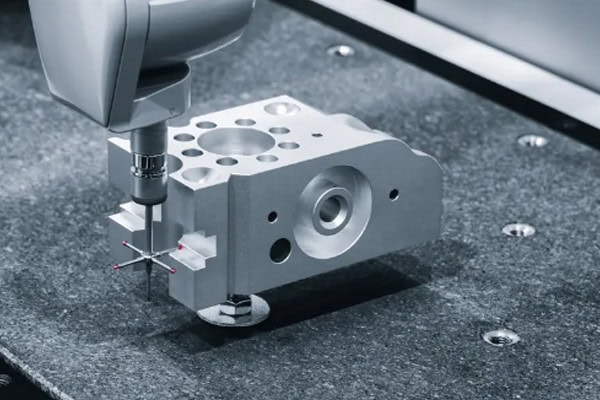
Machining Processes Can Create Internal Stress
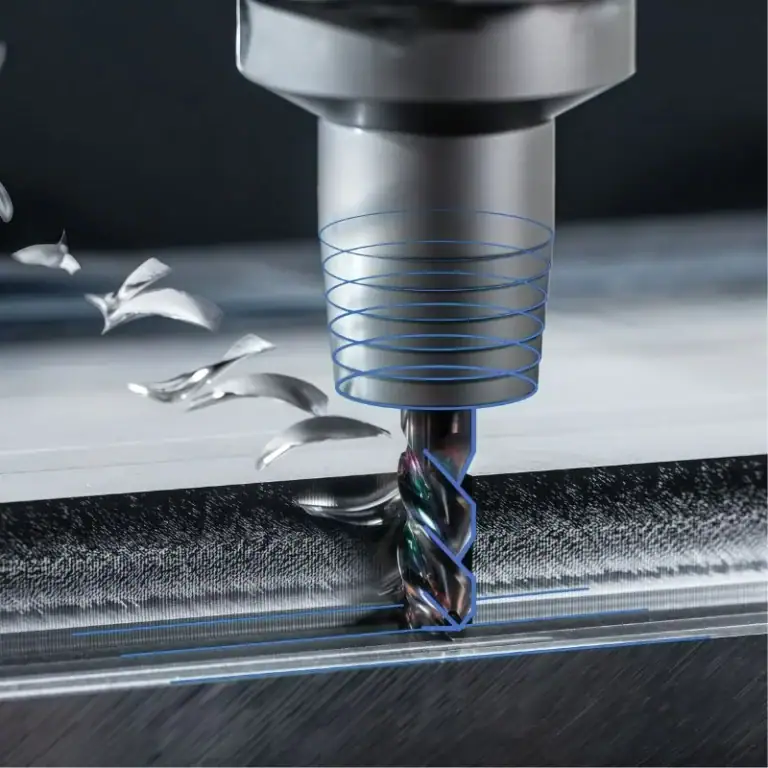
Precision machining is not simply about removing material. During cutting, the tool applies force to the workpiece, while heat is also generated. When machining complex structural components, different areas may have different amounts of material removed, causing changes in the internal stress distribution. Without proper treatment, dimensional accuracy may become unstable during later processing.
Common causes of machining stress include:
- Cutting forces change the internal balance of the material.
- Temperature changes create localized thermal stress.
- Uneven material removal causes stress redistribution.
- Clamping pressure affects the original material condition.
Proper process control combined with suitable stress relief methods can reduce deformation risks and improve machining stability.
Residual Stress Affects Dimensional Stability
Many customers encounter a common issue: a part meets dimensional requirements immediately after machining, but changes slightly after sitting for a period of time or during assembly. This situation is often related to the release of internal residual stress. For precision equipment components, maintaining dimensional stability is a critical requirement.
Residual stress may cause:
- Part warping or deformation.
- Reduced assembly accuracy.
- Lower long-term reliability.
Stress relief treatment helps stabilize the internal condition of the material, reducing later dimensional changes and allowing precision-machined parts to maintain better accuracy.
High-Precision Parts Require More Attention to Stress Relief
Different parts have different stress relief requirements. Standard mechanical components may only require basic treatment, while precision parts used in aerospace, medical equipment, and automation systems require stricter control. Thin-walled parts, long shafts, and complex structures are especially sensitive to stress because of their lower rigidity.
These components usually require greater attention to:
- Post-machining dimensional stability.
- Long-term operating reliability.
- Accuracy control of critical areas.
For demanding applications, stress relief has become an important part of the precision machining process.
What Are the Common Stress Relief Methods Used in Precision Machining?
Stress relief is not limited to one single method. Different materials, structures, and machining requirements require different approaches. In actual manufacturing, the selection depends on material type, part size, and future machining plans. An unsuitable method may fail to achieve the desired result or may affect production efficiency. The following methods are commonly used in industrial manufacturing.
Thermal Stress Relief Treatment
Thermal stress relief is one of the most common methods. It works by controlling heating temperature, holding time, and cooling speed to gradually release internal stress within the material. This method is commonly used for steel parts, cast components, and metal parts with significant machining deformation.
Thermal stress relief offers several advantages:
- Reduces residual stress inside the material.
- Improves dimensional stability after machining.
- Suitable for large and complex metal components.
However, temperature control is extremely important during heat treatment. Improper handling may affect material properties, so precision machining projects require a suitable process based on material characteristics.
Natural Aging Stress Relief
Natural aging is a method that allows internal stress to gradually release over time by keeping parts under certain environmental conditions. This method is relatively simple and is suitable for components where production schedules allow sufficient stabilization time.
Main advantages include:
- Simple treatment process.
- Does not significantly change material properties.
- Suitable for parts requiring long-term stability.
- Helps reduce deformation risks during later machining.
Although natural aging requires a longer period, proper scheduling can help high-precision components achieve better dimensional stability.
Vibration Stress Relief
Vibration stress relief uses mechanical vibration to help release internal stress within materials. It has become increasingly used in some precision manufacturing applications. Compared with traditional heat treatment, it has less impact on material properties and is suitable for parts where significant material changes are not desired.
This method provides benefits such as:
- Relatively shorter processing time.
- Reduced risk of later deformation.
- Suitable for large structural components.
Vibration stress relief can be used as a supplementary process to improve the stability of precision-machined parts.
How Can Stress Effects Be Reduced During Precision Machining?
Although stress relief treatment can improve material stability, relying only on post-processing is not enough. If stress generation is ignored during machining, accuracy problems may still occur. Many deformation issues develop gradually through machining routes, cutting methods, and clamping processes. In precision machining, reducing stress requires control from initial planning to actual production.
Optimize Machining Sequence to Reduce Deformation
Machining sequence directly affects how internal stress changes inside a part. Removing too much material at once may significantly alter the stress balance of the component. Properly arranging rough machining, semi-finishing, and finishing processes allows stress to be released gradually.
Optimization methods include:
- Performing rough machining with larger allowances first.
- Leaving reasonable machining allowance.
- Completing finishing operations in stages.
A well-planned machining sequence reduces deformation risks and improves final dimensional stability.
Control Cutting Parameters to Reduce Machining Pressure
Cutting parameters directly influence heat generation and cutting forces during machining. If cutting speed, feed rate, or depth of cut are unsuitable, additional stress may be introduced into the material.
Important factors include:
- Avoiding excessive cutting loads.
- Controlling temperature changes during machining.
- Selecting suitable tools to reduce cutting resistance.
Stable cutting conditions help minimize stress generation and keep the machining process more consistent.
Improve Clamping Methods to Protect Part Stability
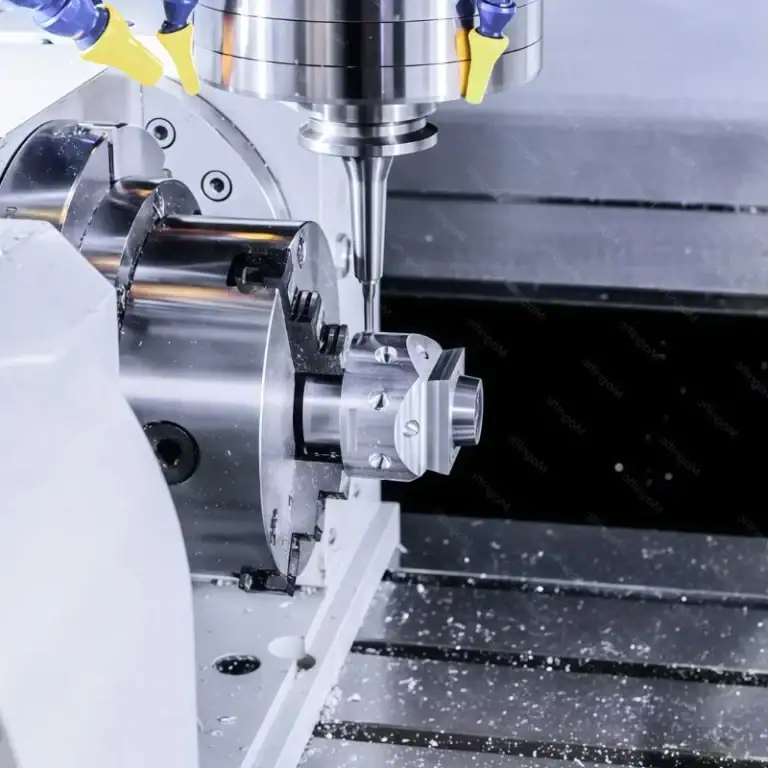
Clamping is an often-overlooked factor in precision machining. Excessive clamping force can create additional deformation, especially for thin-walled and complex structural parts.
Clamping considerations include:
- Avoiding excessive tightening force.
- Choosing suitable positioning methods.
- Reducing external pressure effects.
- Maintaining stable machining conditions.
Proper clamping methods reduce machining errors caused by external forces and improve part consistency.
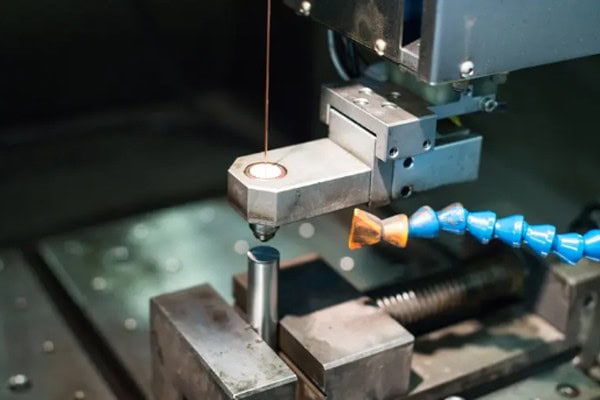
How Does Stress Relief Improve Precision Machining Quality?
The purpose of stress relief is not only to reduce internal material stress but also to ensure that parts remain stable throughout their service life. For high-precision manufacturing, machining completion does not mean the entire process is finished. Dimensional changes during assembly and operation also need to be considered. Through proper stress relief treatment and machining control, manufacturers can improve part reliability and reduce maintenance risks.
Improving Part Dimensional Stability
After proper stress relief treatment, the internal condition of the material becomes more stable, reducing dimensional changes during later use.
Main improvements include:
- Lower deformation risk after machining.
- Better dimensional retention.
- Improved assembly stability.
Enhancing Complex Part Machining Results
For complex structural components, stress control is especially important. Proper treatment helps parts maintain better shape accuracy.
Benefits include:
- Higher success rate for complex machining.
- Reduced rework requirements.
- Improved overall machining quality.
Ensuring Batch Production Consistency
During batch manufacturing, maintaining consistent performance between parts is essential. Stable stress relief processes help reduce variations between products.
Key advantages include:
- Improved product consistency.
- Reduced quality fluctuations.
- Enhanced production reliability.
Stress relief is an important process for maintaining accuracy and stability in precision machining, especially for complex structures, high-precision mechanical components, and equipment designed for long-term operation. Proper control of internal material stress can reduce deformation risks and improve product reliability. From material treatment to machining process optimization, every step affects the final result. Tirapid specializes in precision machining services, providing high-precision part manufacturing solutions to help companies achieve stable, reliable, and customized machining results.