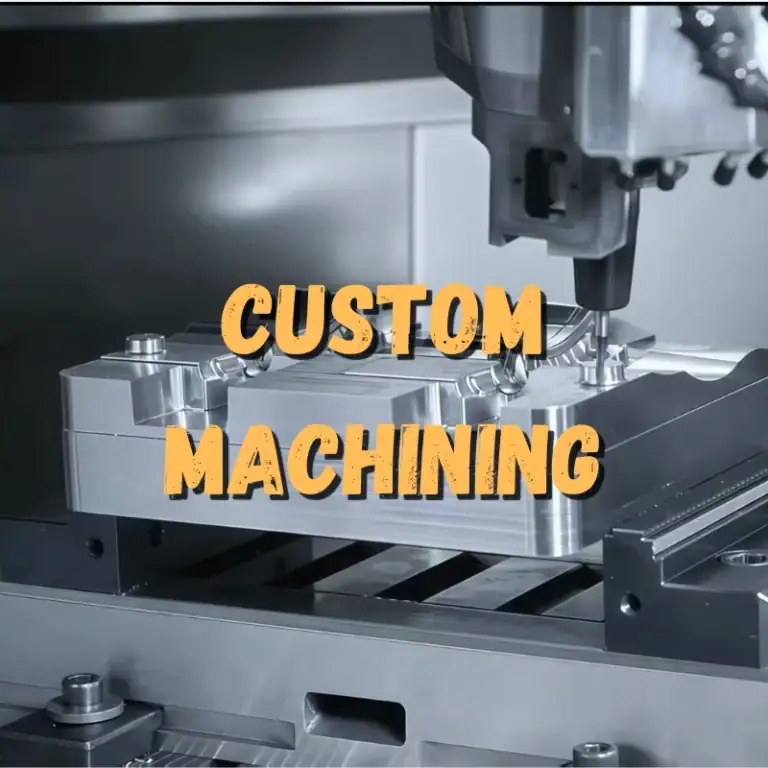
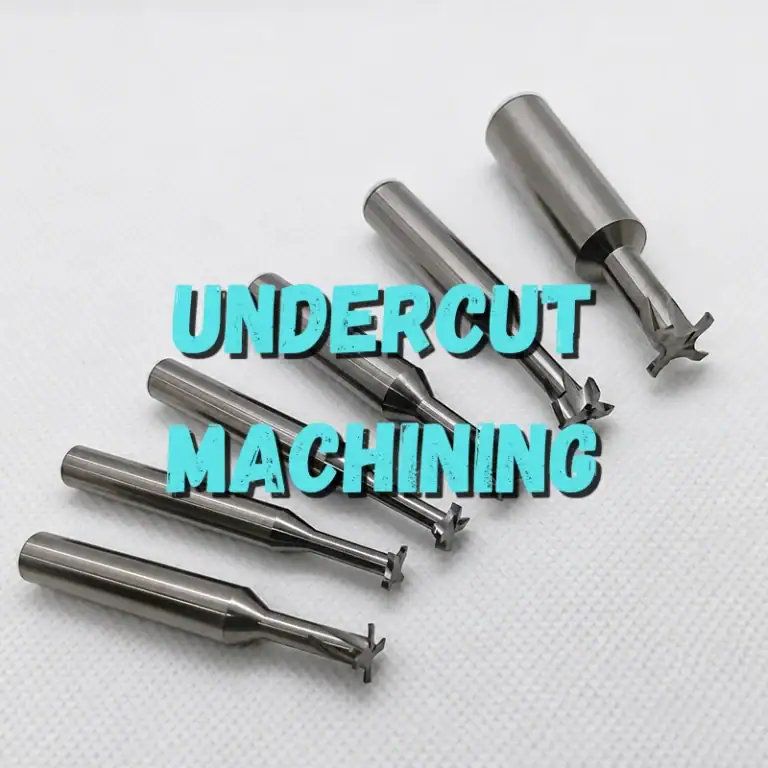
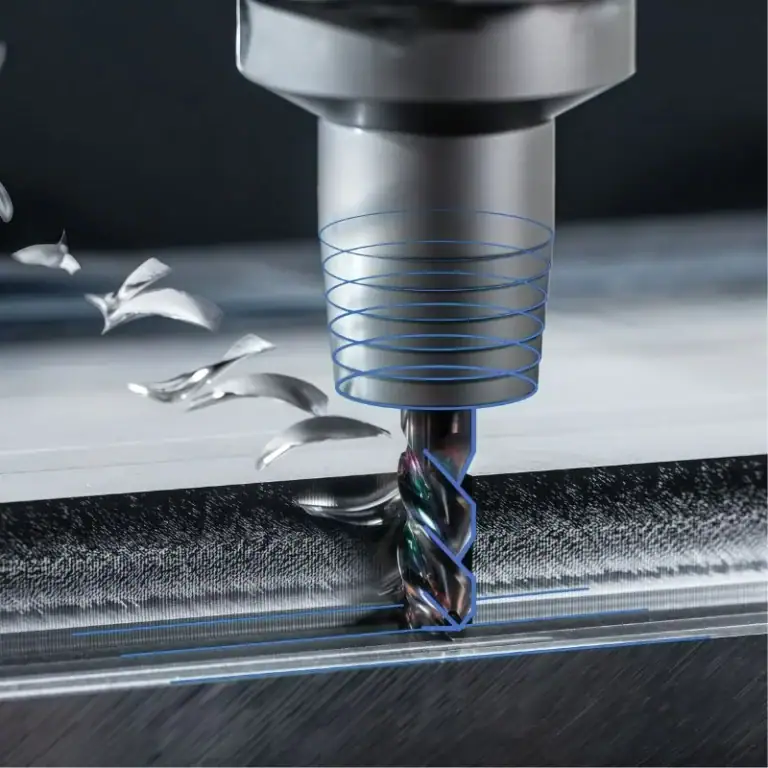
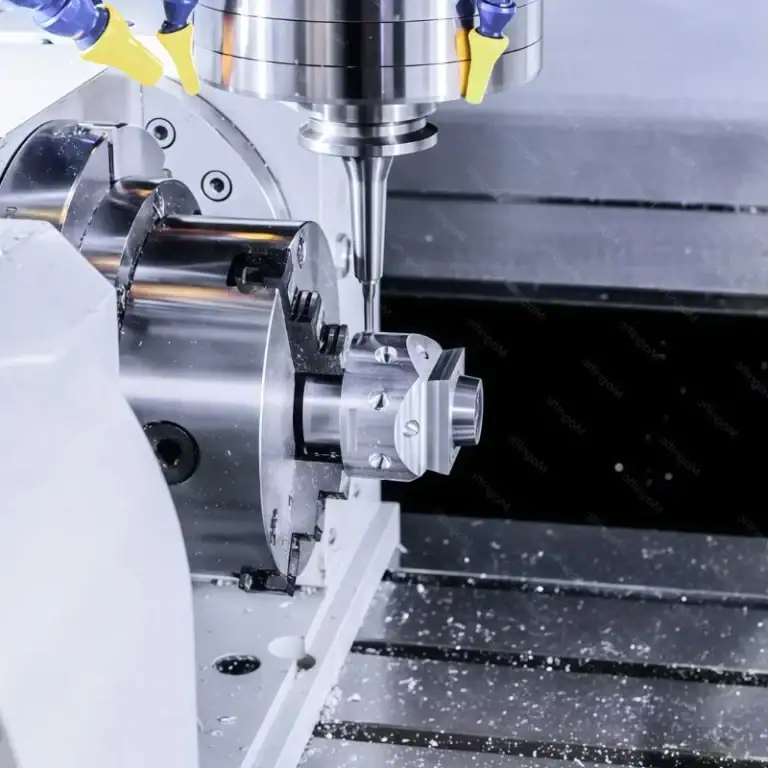
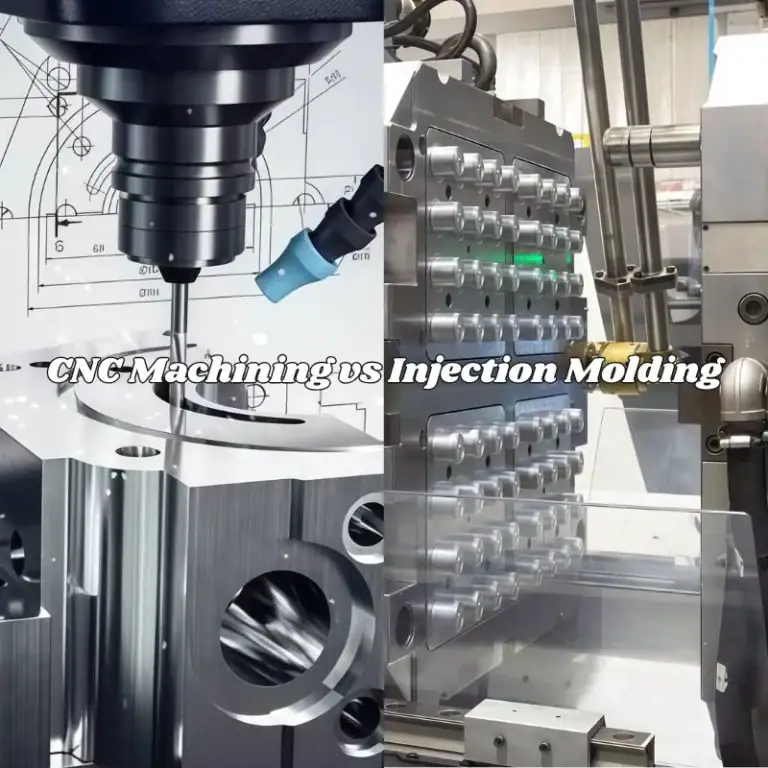
As modern manufacturing continues to advance toward higher precision and intelligent production, CNC precision machining has become a key technology supporting high-end manufacturing. From initial product design to final delivery, every step in the process directly impacts machining quality and efficiency. Compared with traditional machining methods, CNC precision machining relies on digital programming and automated execution, making the entire workflow more standardized and controllable. This significantly improves product consistency and precision. Understanding its basic process helps companies optimize production structures and enhance overall manufacturing capability.
Product Design and Process Planning
Before actual machining begins, design and process planning determine the direction and precision foundation of the entire workflow.
CAD 3D Modeling Design
CAD software is used to build accurate 3D models, providing complete data support for machining.
- Defines part structure and dimensional tolerances
- Optimizes complex structures in advance
Process Route Planning
A proper machining sequence is established based on part characteristics to ensure efficiency and stability.
- Determines machining steps and order
- Selects appropriate machining methods
Programming and Machining Preparation
After design is completed, the model must be converted into executable programs, and preparation work must be carried out before machining.
CAM Programming and Toolpath Generation
CAM systems convert design data into executable machining paths, enabling standardized processing of complex parts.
- Automatically generates toolpaths
- Optimizes cutting efficiency
- Reduces human programming errors
Equipment and Tool Preparation
Before machining, machines, tools, and fixtures must be fully checked and configured to ensure stable operation.
CNC Machining Execution Process
During the machining stage, the CNC system operates automatically according to the program, ensuring high precision and consistency.
Program Verification and Trial Run
Before formal machining, the program must be verified to avoid potential risks.
- Checks toolpath feasibility
- Prevents tool interference issues
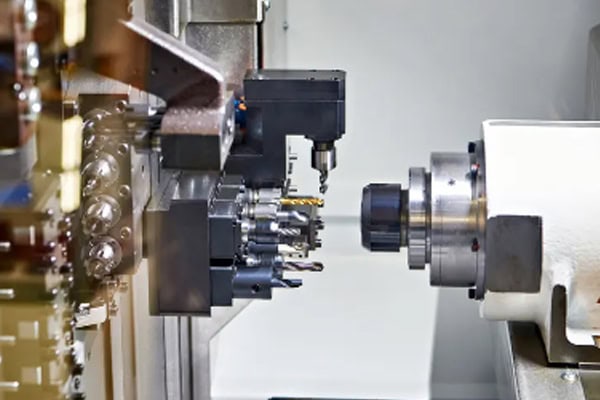
Automated Machining Operation
The machine performs continuous processing based on the predefined program.
- Precisely controls tool movement
- Maintains stable cutting conditions
- Ensures consistency in batch production
Quality Inspection and Post-Processing
After machining, inspection and post-processing are required to ensure the final product meets standards.
Precision Inspection and Quality Control
Professional inspection equipment is used to verify machining results and ensure they meet design specifications.
Surface Treatment and Finishing
Additional processing improves product performance and appearance.
- Polishing and deburring
- Surface treatment and cleaning
The basic process of CNC precision machining includes design modeling, process planning, program generation, machining execution, and quality inspection. Each step directly affects the final product’s precision and stability. Through the integration of digital and automated technologies, this process enables efficient, repeatable, and high-precision manufacturing, making it a fundamental pillar of modern industry. In practical production, choosing a machining partner with mature processes and reliable quality control is essential. Tirapid provides professional CNC precision machining solutions to help businesses achieve higher quality and more efficient manufacturing upgrades.