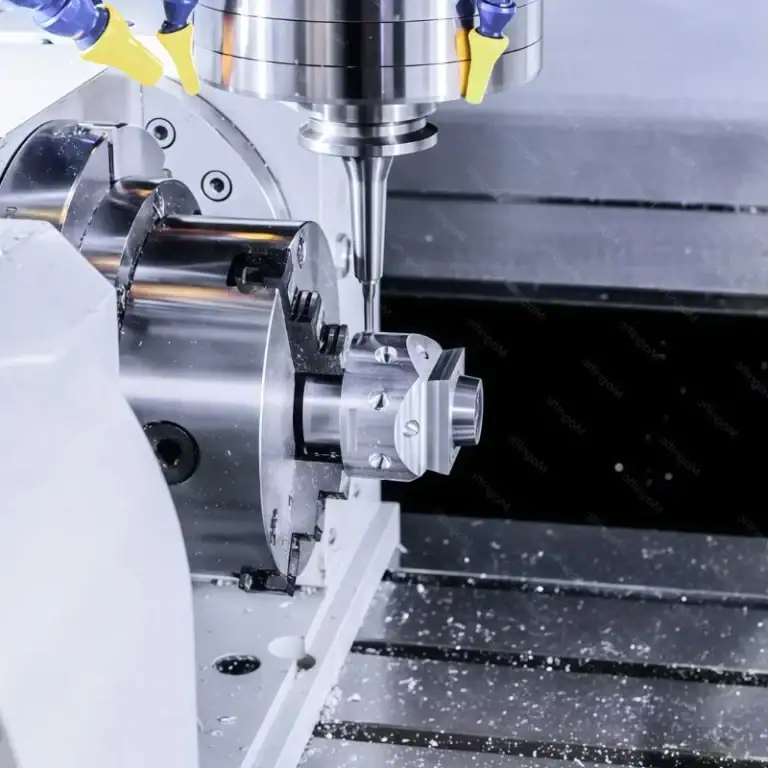
CNC turning machining is a modern manufacturing process that combines computer numerical control technology with traditional lathe operations to produce high-precision cylindrical and rotational parts. It is widely used in industries such as automotive manufacturing, aerospace engineering, medical equipment production, and precision machinery. The advantages of CNC turning come from its ability to improve accuracy, increase production efficiency, ensure consistent quality, and reduce manual labor dependency. These characteristics make it a core technology in advanced manufacturing systems where precision and productivity are required simultaneously.
CNC Turning Improves Machining Accuracy
CNC turning systems are designed to achieve high levels of dimensional accuracy through computer-controlled movement and precise cutting control. Unlike manual machining, CNC systems follow programmed instructions that eliminate human error and ensure consistent machining results across multiple production cycles. This level of accuracy is especially important for parts that require tight tolerances, such as engine components, hydraulic systems, and precision shafts. The stability of CNC control also reduces variation between batches, making it suitable for mass production with strict quality requirements. In addition, modern CNC machines are equipped with high-resolution encoders and feedback systems that continuously monitor cutting conditions, ensuring that deviations are corrected in real time and machining precision is maintained throughout the process.
Precision Control Through Digital Programming
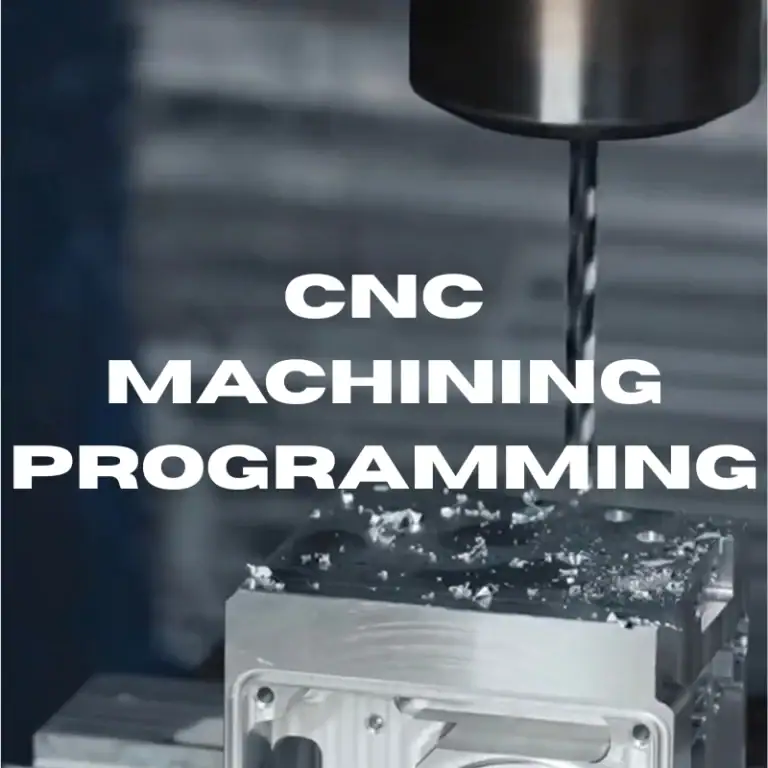
CNC turning relies on digital programming to define tool paths, cutting depths, and feed rates with high accuracy. This eliminates inconsistencies caused by manual operation and ensures that every movement of the cutting tool follows exact specifications. The use of CAD/CAM systems allows engineers to simulate machining processes before actual production, reducing errors and improving precision outcomes. By converting design data directly into machining instructions, CNC turning achieves a high level of repeatability and dimensional control.
Stable Repetition Accuracy in Mass Production
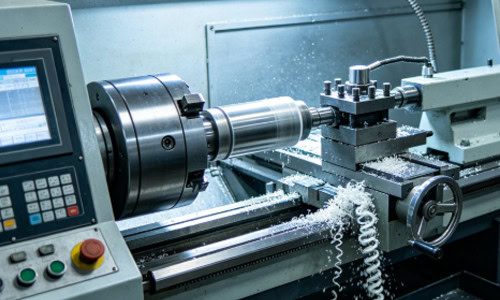
One of the key advantages of CNC turning is its ability to maintain consistent accuracy across large production volumes. Once a program is set, the machine can reproduce identical parts repeatedly without deviation. This is especially valuable in industries that require interchangeable components. Stable repetition accuracy reduces rejection rates and improves production reliability, ensuring that each finished part meets the same technical standards.
Real-Time Feedback Correction Enhances Precision
Before listing key elements, it is important to understand that real-time monitoring plays a critical role in maintaining machining accuracy.
- Sensor-based feedback systems detect tool position changes during cutting operations.
- Automatic compensation adjusts tool movement to correct deviations instantly.
- Continuous monitoring reduces cumulative errors during long machining cycles.
These mechanisms ensure that CNC turning maintains high precision even under changing cutting conditions.
High Efficiency Production Capability
CNC turning significantly improves production efficiency by reducing manual intervention and optimizing machining processes. Automated tool movement, high-speed spindle operation, and optimized cutting paths allow faster material removal compared to traditional machining methods. Production cycles are shortened due to reduced setup time and minimized tool adjustment requirements. CNC systems can also operate continuously for long periods, making them suitable for large-scale manufacturing environments. The integration of automated programming further reduces preparation time, allowing faster transition from design to production. This efficiency improvement directly supports industrial demands for faster delivery and higher output capacity.
Optimized Tool Paths Reduce Processing Time
Efficient tool path design plays an important role in improving machining speed. CNC systems calculate the shortest and most effective cutting routes, reducing unnecessary movement and idle time. This optimization allows the machine to focus more on material removal rather than repositioning, significantly improving production efficiency.
High-Speed Cutting Enhances Material Removal Rate
CNC turning machines are capable of operating at high spindle speeds while maintaining stability. Higher cutting speeds increase material removal rates and reduce overall machining time. When combined with suitable tool materials and cooling systems, high-speed cutting improves efficiency without sacrificing surface quality or tool life.
Continuous Operation Supports Large-Scale Production
Before listing key points, it is important to recognize that continuous machining capability is essential for industrial production environments.
- CNC machines can operate for long periods without manual intervention.
- Automated feeding systems ensure uninterrupted material supply.
- Stable system performance reduces downtime and improves output consistency.
This continuous operation capability significantly increases production efficiency in manufacturing systems.
Strong Automation and Consistency
CNC turning systems rely heavily on automation technology, which reduces manual involvement and ensures consistent machining quality. Automation allows machines to perform complex operations with minimal operator input, improving reliability and reducing human error. The consistency provided by CNC systems ensures that every part produced meets the same specifications, which is essential for industrial standardization. Automated control systems also enable integration with production lines, allowing seamless coordination between different manufacturing stages.
Automated Tool Change Systems Improve Workflow
Modern CNC machines are equipped with automatic tool changers that allow multiple machining operations to be completed in a single setup. This reduces downtime caused by manual tool replacement and improves workflow efficiency. It also enables complex machining processes without interrupting production.
Programmable Control Ensures Stable Output
CNC turning uses programmable logic to control every machining step. This ensures that operations are executed exactly as designed, eliminating variability caused by manual handling. Stable output is particularly important in industries requiring strict uniformity, such as aerospace and automotive manufacturing.
Intelligent Monitoring Enhances Process Stability
Before listing key functions, it is important to understand that intelligent monitoring systems improve long-term stability.
- Real-time data tracking identifies abnormal machining conditions.
- Automatic adjustment systems maintain optimal cutting performance.
- Predictive analysis reduces unexpected machine failures.
These features enhance consistency and ensure stable production performance.
Wide Material Adaptability and Process Flexibility
CNC turning is capable of processing a wide range of materials, including metals, alloys, and engineered plastics. This flexibility allows manufacturers to use a single system for different production requirements. Material adaptability is achieved through adjustable cutting parameters and tool selection, which ensures efficient machining across different hardness levels and material properties. Process flexibility also allows CNC turning to handle various part geometries, from simple cylindrical shapes to complex stepped and threaded structures. This versatility makes CNC turning suitable for diverse industrial applications.
Multi-Material Processing Capability
CNC turning can handle materials such as steel, aluminum, copper, titanium alloys, and engineering plastics. By adjusting cutting speed, feed rate, and tool selection, the machine can adapt to different material properties while maintaining machining quality.
Flexible Machining for Complex Structures
CNC systems can produce complex geometries through programmable tool paths. This includes stepped shafts, tapered surfaces, and threaded components. The flexibility of CNC control allows manufacturers to produce customized parts efficiently without requiring multiple machines.
Adaptive Parameter Control Improves Compatibility
Before listing key elements, it is important to highlight the role of adaptive machining control.
- Cutting parameters adjust based on material hardness and tool condition.
- Intelligent systems optimize machining conditions automatically.
- Flexible programming supports diverse production requirements.
This adaptability ensures CNC turning can handle a wide range of manufacturing tasks effectively.
Reduced Labor Cost and Improved Safety
CNC turning reduces reliance on manual labor by automating most machining operations. This leads to lower labor costs and improved production efficiency. Operators are mainly responsible for monitoring and setup rather than direct machining control. In addition, CNC systems improve workplace safety by minimizing direct contact between workers and cutting tools. Enclosed machine structures and automated operation reduce the risk of accidents, making CNC turning a safer alternative to manual machining processes. The combination of reduced labor dependency and enhanced safety contributes to more efficient and sustainable manufacturing environments.