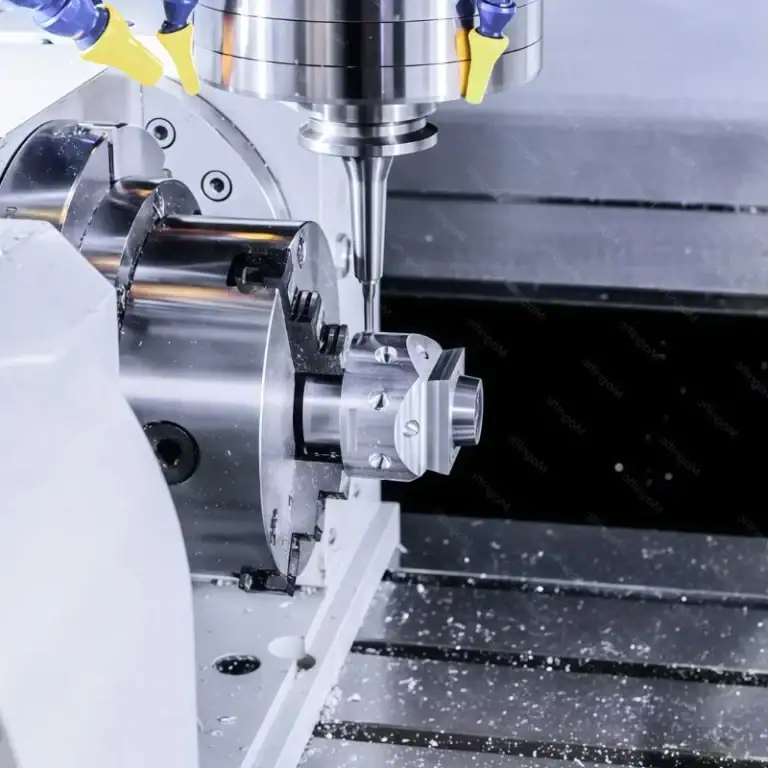
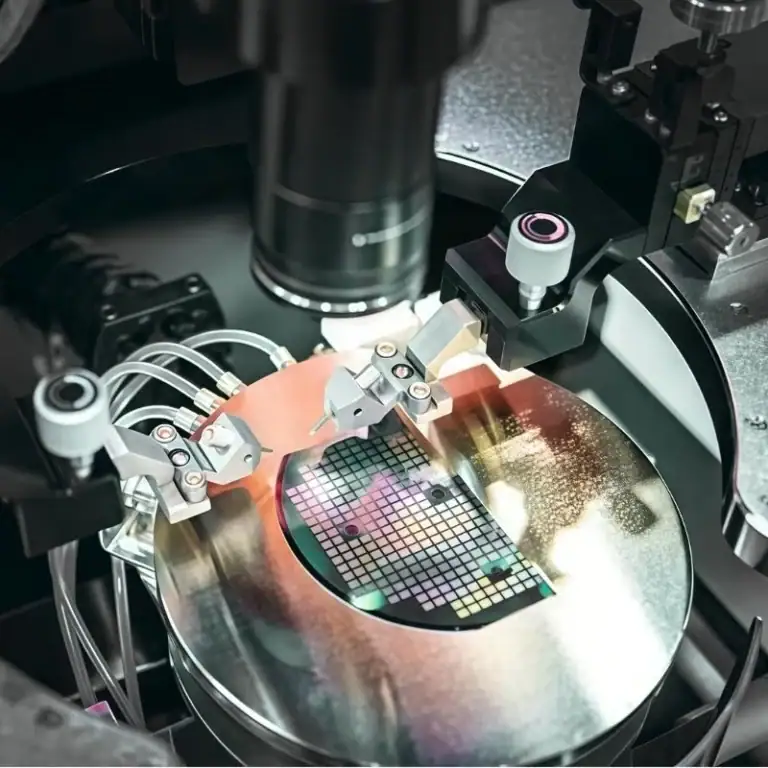
6061 and 6063 are both heat-treatable 6000-series aluminum alloys containing magnesium and silicon. They offer low weight, corrosion resistance, weldability, and good manufacturing flexibility, but they serve different priorities. 6061 is normally chosen for strength and precision machining, while 6063 is preferred for complex extrusion profiles and high-quality visible surfaces.
This guide explains the key 6061 vs 6063 differences in composition, temper, mechanical performance, CNC machining, extrusion, anodizing, cost, and applications. It also provides a practical selection method based on part strength, geometry, tolerance, appearance, and production volume.
What Are 6061 And 6063 Aluminum?
Both alloys belong to the 6xxx family, which uses magnesium and silicon to create heat-treatable aluminum. Their final properties depend not only on the alloy number but also on product form, wall thickness, heat treatment, and temper.
Main Characteristics Of 6061 Aluminum
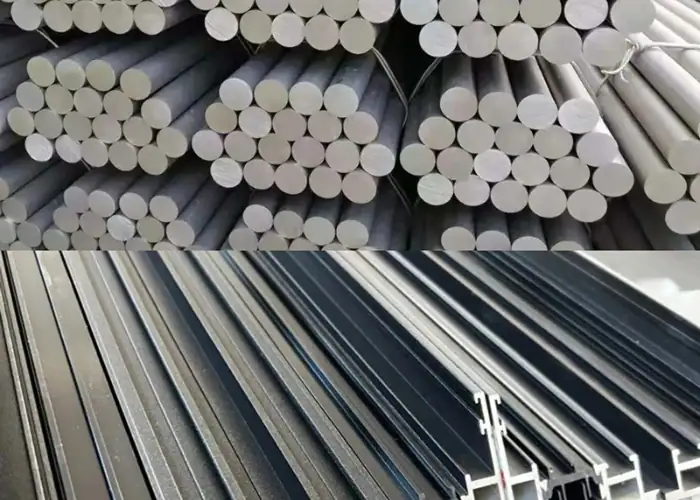
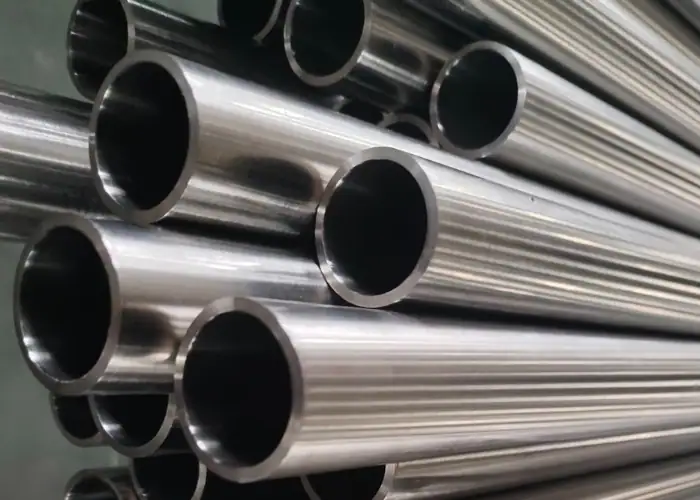
6061 is a general-purpose structural alloy used when a part needs a balance of strength, toughness, corrosion resistance, weldability, and machinability. It is commonly available as aluminum plate, flat bar, round bar, square bar, and round tube, making it a practical material for CNC prototypes and production components.
In the T6 or T6511 condition, 6061 provides substantially higher strength than standard 6063-T5 or 6063-T6 extrusions. Hydro lists minimum tensile and yield strengths of approximately 260MPa and 240MPa for standard 6061-T6 extrusions, although the applicable values depend on section thickness and specification.
Common 6061 applications include machined brackets, frames, housings, fixtures, and structural components for semiconductor equipment, industrial equipment, electronics, robotics, aerospace, medical devices, automotive systems, automation, powersports, consumer products, and drones. It is also widely used for extruded parts that require secondary CNC machining. Although 6061 responds well to anodizing, it is not usually the first choice when a highly uniform cosmetic finish is the main requirement.
Main Characteristics Of 6063 Aluminum
6063 is often described as an architectural extrusion alloy because it combines good extrudability, corrosion resistance, weldability, and surface quality. It can flow through more detailed dies and is commonly used for thin-wall, hollow, multi-channel, and decorative profiles.
Its mechanical strength is lower than 6061 in comparable common tempers. Hydro lists minimum tensile and yield strengths of approximately 205MPa and 170MPa for standard 6063-T6 extrusions. For 6063-T5, the listed minimum values are lower, at approximately 150MPa tensile and 110MPa yield strength.
6063 is commonly used for window and door frames, railings, furniture, electrical components, tubes, heat sinks, display structures, trims, and visible housings. Its finer grain structure can also produce a more attractive anodized appearance than standard 6061.
6061 vs 6063: Key Property Differences
The correct comparison must use equivalent product forms and tempers. Comparing 6061-T6 with annealed 6063-O, for example, would describe the heat-treatment difference as much as the alloy difference.
| Property | 6061 Aluminum | 6063 Aluminum |
| Primary advantage | Strength and machining | Extrusion and appearance |
| Common tempers | T4, T6, T6511 | T5, T52, T6 |
| Relative strength | Higher | Lower |
| Extrudability | Good | Excellent |
| CNC machinability | Generally preferred | Machinable but less preferred |
| Corrosion resistance | Very good | Very good |
| Anodized appearance | Good | Usually more uniform |
| Thermal conductivity | Lower than 6063 in T6 | Higher than 6061 in T6 |
| Typical products | Structural and machined parts | Architectural and detailed profiles |
Chemical Composition And Temper
6061 contains approximately 0.40–0.80% silicon and 0.80–1.20% magnesium. It also contains controlled amounts of copper and chromium, which contribute to its strength and response to heat treatment. 6063 contains lower ranges of silicon and magnesium and has tighter limits on copper and several other elements.
These composition differences help explain why 6061 generally develops higher mechanical strength, while 6063 offers better extrusion flow and cosmetic surface performance. However, the alloy designation alone does not provide a complete specification.
Temper must also appear on the drawing or purchase order. T5 material is cooled from an elevated-temperature shaping process and artificially aged. T6 is solution heat-treated and artificially aged, while T6511 indicates that the product has also been stress-relieved by stretching.
Strength, Hardness, And Corrosion Resistance
6061 is normally the stronger choice for structural loads, threaded features, mounting brackets, fixtures, and parts subject to mechanical stress. Its higher yield strength gives engineers more design flexibility where deformation or permanent bending must be limited.
6063 still provides useful strength for frames, housings, rails, tubes, and moderate-load structures. The profile geometry can also improve stiffness through ribs, hollow chambers, and wider section depth, so alloy strength should not be evaluated without considering the cross-section.
Both alloys provide good general corrosion resistance. Hydro describes 6061 as having excellent resistance to atmospheric exposure and good resistance to seawater, while heat-treated 6063 provides good resistance to general corrosion. The final result still depends on environment, surface condition, fastener materials, and finishing.
Formability, Weldability, And Thermal Performance
Both 6061 and 6063 can be welded using common commercial methods. However, welding can reduce strength in the heat-affected region of T6 material. The joint design, filler alloy, loading direction, and need for post-weld heat treatment should therefore be reviewed for structural components.
For severe bending or forming, softer tempers are normally easier to process. Hydro notes that 6061 may require T1, T4, or annealed material for demanding bends before subsequent aging. This is important when a component must be formed after extrusion but still needs higher final strength.
6063 also has an advantage in thermal conductivity. Hydro lists typical conductivity values of about 201W/m-K for 6063-T6 and 167W/m-K for 6061-T6. This difference, combined with 6063’s extrusion performance, helps explain its frequent use in heat-sink profiles.
Machining, Extrusion, And Surface Finish
Manufacturing method often decides the alloy before strength calculations do. A machined block, a structural extrusion, and a visible heat sink may each require a different balance of cutting performance, die complexity, dimensional control, and appearance.
CNC Machining Performance
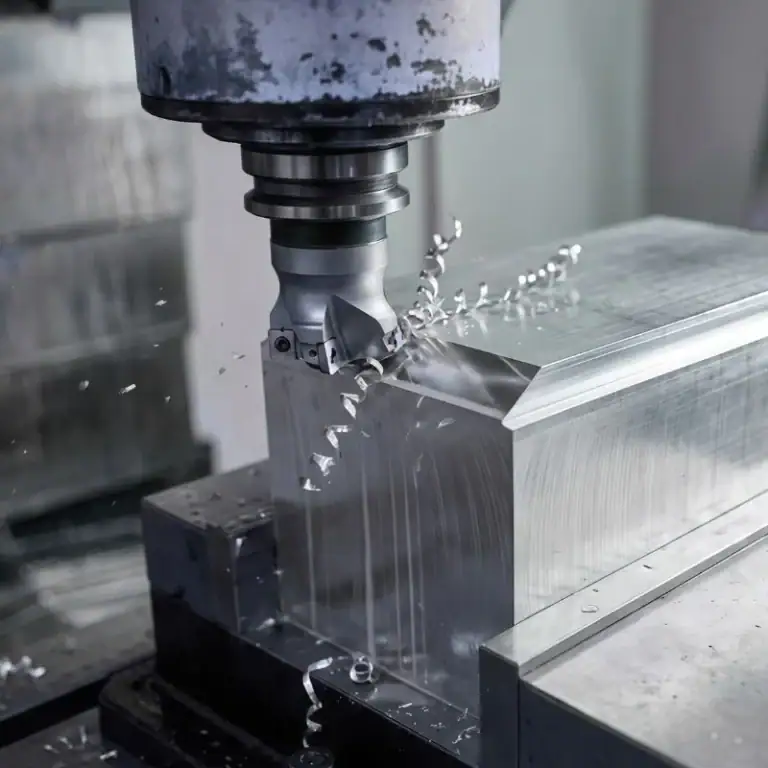
6061-T6 and T6511 are widely used for CNC milling, turning, drilling, and tapping. The alloy is available in many standard stock forms and provides enough hardness for stable cutting, accurate features, and durable threads.
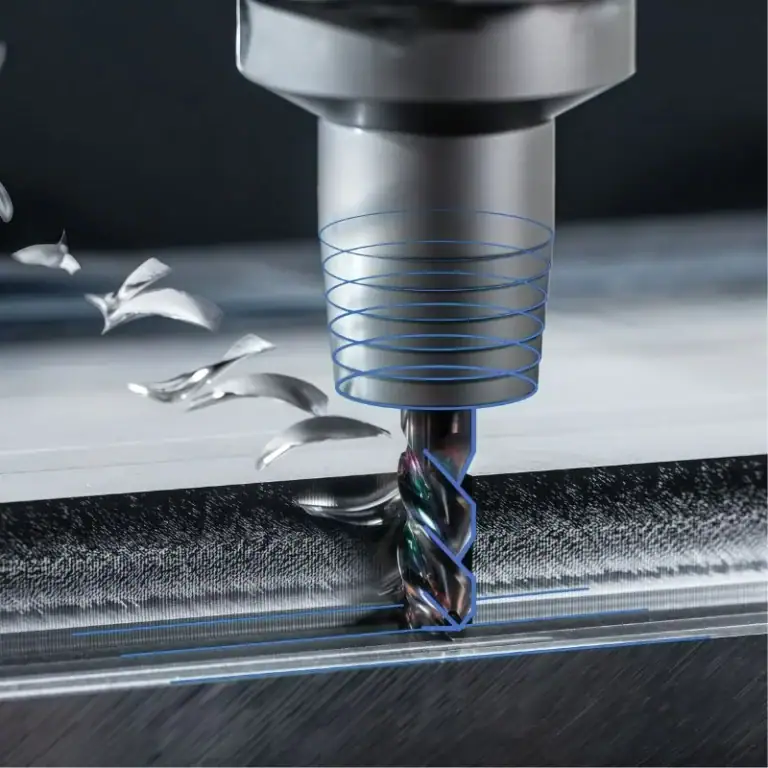
Chip control still requires attention. Hydro notes that chips produced while turning or drilling heat-treated 6061 can be difficult to break. Suitable tool geometry, chip breakers, coolant, peck drilling, and controlled engagement can improve chip evacuation and protect surface quality.
6063 can also be machined, especially when CNC operations are added to an extruded profile. However, its lower strength and softer cutting response may increase burr formation or deformation in thin sections. Sharp tools, supported fixturing, moderate clamping pressure, and suitable finishing passes are important.
Extrusion And Complex Profile Design
Both alloys can be extruded, but 6063 is normally easier to push through complex dies. It is well suited to thin walls, narrow channels, hollow sections, heat-sink fins, decorative trims, and profiles that require a consistent visible surface.
6061 extrusion is practical for structural shapes, tubes, bars, and custom profiles, particularly when the part will later be welded or machined. However, higher-strength material may require thicker walls, larger corner radii, or a less aggressive profile than 6063.
The best design often combines extrusion and CNC machining. Extrusion creates the continuous cross-section efficiently, while CNC machining adds localized holes, threads, pockets, connector openings, sealing surfaces, and precise assembly datums.
Anodizing And Surface Appearance
Both alloys can be anodized to improve corrosion resistance, wear performance, and appearance. Standard options include clear anodizing, dyed anodizing, and hardcoat, although the final result also depends on pretreatment, surface condition, grain structure, and process control.
6061 can produce a good anodized finish, but color and brightness may be less uniform on demanding cosmetic surfaces. Hydro specifically recommends considering 6063 when appearance is critical.
6063 is generally preferred for decorative and architectural parts because its finer grain structure supports a more uniform anodized appearance. Hydro also offers 6063 tempers intended for matte or lustrous finishes, demonstrating how temper and surface requirements should be specified together.
Cost And Common Applications
There is no universal rule that one alloy is always cheaper. Material form, supplier availability, profile complexity, machining time, tooling, scrap, finishing, inspection, and order quantity usually have a greater effect on the finished-part cost than the alloy designation alone.
6061 vs 6063 Aluminum Price And Manufacturing Cost
When comparing aluminum 6061 vs 6063 price, the raw material cost is only one part of the total manufacturing expense. 6061 is widely available in plate, bar, tube, and standard extrusion forms, which often makes sourcing straightforward for prototypes, CNC-machined parts, and low-volume production.
6063 can be more cost-effective for long or complex extruded profiles because it flows more easily during extrusion and can produce thin walls, detailed cross-sections, and smoother surfaces. This may reduce extrusion difficulty and the amount of cosmetic finishing required.
For finished parts, aluminum 6061 vs 6063 price depends on stock form, temper, quantity, machining time, extrusion tooling, surface treatment, and supplier availability. 6061 may offer better overall value for CNC parts, while 6063 can be more economical for extrusion-focused products with appearance requirements.
Common Uses Of 6061 Aluminum
6061 is commonly used for machine brackets, structural frames, automation components, fixtures, base plates, valve bodies, transportation parts, marine equipment, robotics components, and precision housings.
It is also suitable for extruded profiles that require substantial secondary machining. Holes, threads, bearing seats, pockets, sealing surfaces, and accurately located interfaces can be added after the extrusion is cut to length.
6061 is usually the safer starting point when the design contains significant loads, tight machined features, or threaded connections. The selected temper and stock condition should still be confirmed before final machining.
Common Uses Of 6063 Aluminum
6063 is widely used for architectural profiles, windows, doors, railings, furniture, display frames, lighting structures, electrical conduit, tubes, trims, and visible enclosures.
It is particularly effective for heat sinks because it combines good thermal conductivity with the ability to extrude long, thin, closely spaced fins. CNC machining can then add mounting holes, component pockets, and interface surfaces.
6063 is also valuable when appearance is part of the product requirement. Smooth extrusion surfaces and consistent anodizing can reduce polishing or cosmetic rework on visible products.
How To Choose Between 6061 And 6063
The selection should begin with the part’s most important function. Determine whether strength, CNC accuracy, extrusion complexity, thermal transfer, or visible finish is the primary requirement, then evaluate temper, stock availability, tolerance, and production volume.
Choose 6061 For Strength And Precision Parts
Choose 6061 when the component must carry higher loads, resist permanent deformation, maintain durable threads, or support precision-machined interfaces.
It is well suited to brackets, fixtures, housings, machine components, transportation parts, and structural profiles that require drilling, milling, turning, reaming, or tapping after extrusion.
6061 is not automatically required for every functional component. If the load is moderate and the geometry is difficult to extrude, a well-designed 6063 profile may still provide adequate stiffness at a lower manufacturing burden.
Choose 6063 For Extrusion And Appearance
Choose 6063 when the component has a detailed constant cross-section, thin walls, internal channels, cooling fins, or a highly visible anodized surface.
It is commonly selected for architectural products, heat sinks, trims, tubes, rails, display systems, and continuous housings. Its lower strength should be checked against real service loads rather than assumed to be sufficient.
Secondary machining remains possible. A 6063 profile can be cut, drilled, milled, and tapped, but thin walls and cosmetic faces require careful fixturing and handling.
Compare Temper, Tolerance, Finish, And Volume
Always specify the complete material condition, such as 6061-T6, 6061-T6511, 6063-T5, or 6063-T6. Comparing only “6061” and “6063” can lead to incorrect strength, forming, and machining assumptions.
Review which dimensions are controlled by extrusion and which require CNC machining. Standard extrusion tolerances may be sufficient for covers and structural walls, while bearing seats, sealing faces, threaded holes, and assembly datums may need secondary machining.
Finally, compare the total manufacturing route. Consider stock or die cost, machining time, finishing, scrap risk, inspection, packaging, and expected volume. The best alloy is the one that meets functional requirements with the simplest reliable production process.
FAQs
How To Tell 6061 From 6063 Aluminum?
They are difficult to distinguish by appearance alone. Check the mill certificate, material marking, or supplier records. Unknown material can be confirmed through chemical composition testing.
Can You Weld 6063 Aluminum To 6061?
Yes. Both are weldable 6xxx-series alloys. The filler material should be selected according to strength, crack resistance, anodizing appearance, and service conditions. Welding may reduce strength in the heat-affected zone.
Does 6063 Aluminum Bend Easily?
6063 has good forming performance, but bendability depends on temper, wall thickness, profile shape, and bend radius. Softer tempers are easier to bend than fully aged T6 material.
What Are The Disadvantages Of 6061 Aluminium?
Compared with 6063, 6061 is less suitable for complex thin-wall extrusions and demanding cosmetic anodized surfaces. T6 material is also harder to form, and welded areas may lose strength.
Conclusion
The 6061 vs 6063 decision is mainly a balance between strength, machining, extrusion, and appearance. 6061 is generally better for structural and precision-machined parts, while 6063 is better for complex profiles, heat sinks, and cosmetic anodized surfaces. Temper, product form, tolerance, finishing, and production quantity must be evaluated together before the material is specified.
At TiRapid, we provide precision CNC machining and manufacturing services for custom aluminum prototypes and low-volume parts. Our team evaluates alloy, temper, stock form, extrusion geometry, machining requirements, tolerance, and surface finish to help produce reliable 6061 and 6063 aluminum components for industrial equipment, electronics, automation, robotics, and other engineering applications.