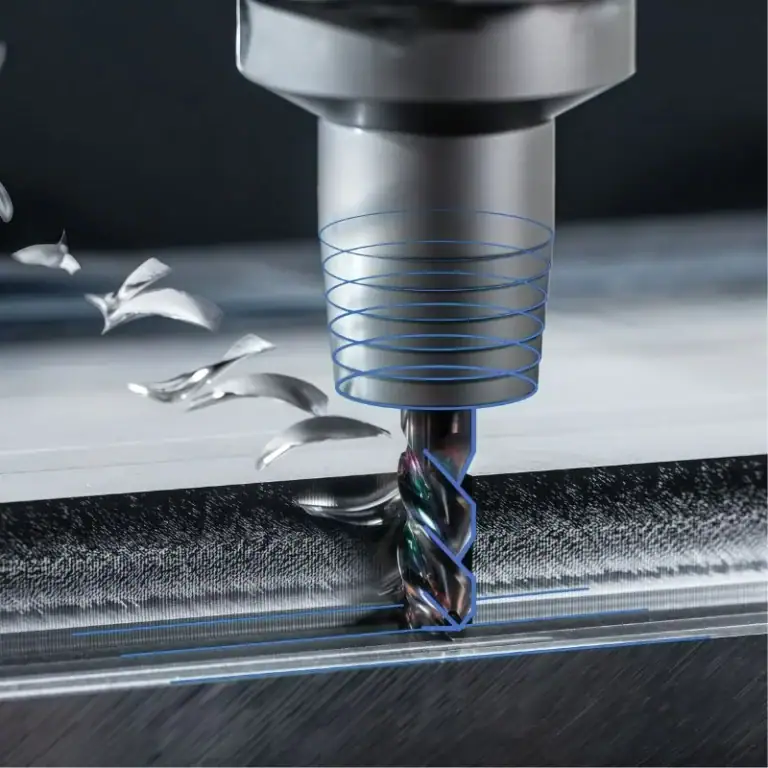
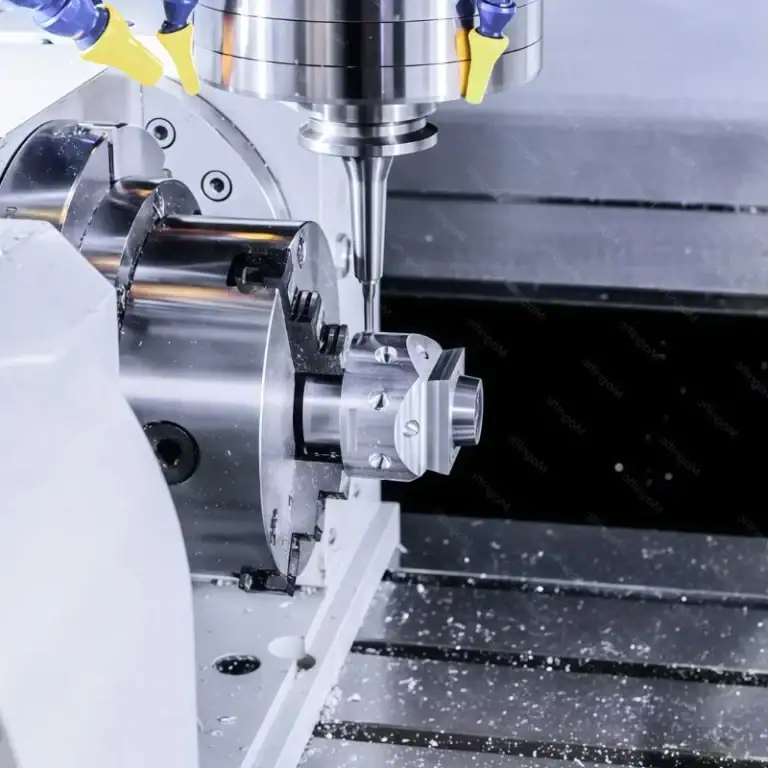
PEEK material is a high-performance thermoplastic used when ordinary plastics cannot handle heat, load, wear, chemicals, or dimensional requirements. Its full name is polyether ether ketone, and it belongs to the PAEK family of advanced engineering polymers. PEEK is often selected for aerospace, automotive, medical, electronics, oil and gas, semiconductor, and precision CNC machined parts.
This guide explains what is PEEK material, what PEEK material is made of, key PEEK properties, PEEK material temperature range, melting point of PEEK, PEEK material machining, common PEEK grades, and polyether ether ketone applications.
What Is PEEK Material?
PEEK material is a semi-crystalline, high-performance thermoplastic with excellent heat resistance, chemical resistance, mechanical strength, wear resistance, and dimensional stability. It is used when a plastic part must work reliably in demanding environments where standard plastics may deform, soften, crack, or wear too quickly.
Full Name: Polyether Ether Ketone
PEEK stands for polyether ether ketone, which describes its chemical structure with ether and ketone groups in the polymer chain. It is part of the polyaryletherketone, or PAEK, polymer family.
The name may sound complex, but the practical meaning is simple: PEEK is a high-performance plastic built for heat, strength, and chemical stability. These properties make it useful in precision engineering and harsh working environments.
Why PEEK Is Classified As A High-Performance Thermoplastic?
PEEK is classified as a high-performance thermoplastic because it combines high heat resistance, strong mechanical properties, chemical resistance, flame resistance, wear resistance, and processability. It can be processed by thermoplastic methods such as injection molding, compression molding, and extrusion.
Unlike thermoset materials, PEEK can be heated, shaped, cooled, and processed into stable parts. This gives engineers more manufacturing flexibility while still delivering performance close to some metals in selected applications.
How Is PEEK Material Made And Processed?
PEEK material is made through polymerization, then processed into pellets, rods, sheets, tubes, molded parts, or CNC machined components. The final performance depends on polymer structure, molecular weight, filler type, processing method, crystallinity, and part design.
PEEK was developed in the late 1970s and became commercially available in the early 1980s. Victrex notes that ICI filed a patent in 1978 and commercialized Victrex PEEK polymer in 1981.
This history matters because PEEK was created to solve engineering problems that standard plastics could not handle. Since then, it has become a common choice for high-temperature, high-load, medical, aerospace, and industrial applications.
Structure Of PEEK
The structure of PEEK is based on aromatic rings, ether groups, and ketone groups arranged in a mostly linear semi-crystalline polymer chain. Victrex explains that aryl and ketone groups provide stiffness and high melting point, while ether groups add flexibility and toughness.
This structure of PEEK explains many of its key properties. The aromatic and ketone segments help support strength and heat resistance, while the semi-crystalline structure improves wear, creep, fatigue, and chemical resistance.
What Is PEEK Material Made Of?
PEEK material is made of repeating polyether ether ketone polymer units formed through controlled polymerization. At a practical level, it is an aromatic thermoplastic polymer built from aryl, ether, and ketone chemical groups.
Different PEEK grades may also contain glass fiber, carbon fiber, PTFE, graphite, ceramic filler, conductive filler, or medical-grade additives. These fillers change stiffness, wear behavior, friction, conductivity, dimensional stability, and machining performance.
How Molecular Weight Affects PEEK Properties
Molecular weight affects PEEK properties by changing toughness, flow, impact resistance, and processability. Higher molecular weight PEEK generally provides better toughness and impact resistance, while lower molecular weight PEEK flows more easily during molding.
This is important for manufacturing. Small, detailed injection molded parts may need better melt flow, while demanding machined or structural parts may need stronger toughness and long-term mechanical stability.
Common Processing Methods
PEEK can be processed by CNC machining, injection molding, extrusion, and compression molding. The best method depends on part geometry, tolerance requirements, production volume, material grade, and cost target. For precision parts, prototypes, low-volume production, and complex custom components, PEEK material machining is often the most practical choice.
CNC Machining
CNC machining is one of the most common methods for producing custom PEEK parts, especially when the project requires tight tolerances, small batches, fast delivery, or design flexibility. It avoids mold tooling costs and allows engineers to adjust part geometry more easily during prototyping or low-volume production.
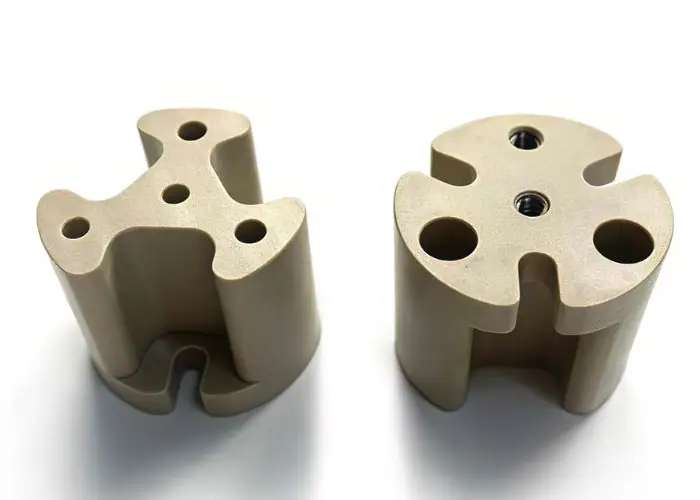
PEEK can be CNC milled, turned, drilled, tapped, and finished into precision components. It is suitable for parts with threaded holes, slots, pockets, sealing surfaces, flatness requirements, and complex profiles. However, because PEEK is stronger and more heat-resistant than many standard plastics, machining requires sharp tools, stable fixturing, proper cutting parameters, and controlled heat.
Common PEEK CNC machining processes include:
- CNC milling for plates, housings, pockets, slots, and complex 3D features
- CNC turning for bushings, rings, spacers, seals, rollers, and cylindrical parts
- Drilling and tapping for precision holes, threaded features, and assembly points
- Grinding or secondary finishing for tighter flatness, surface finish, or dimensional control
- 5-axis CNC machining for complex parts with angled surfaces or multi-side features
Injection Molding
Injection molding is suitable for high-volume PEEK parts with repeated shapes and complex geometry. Once the mold is completed, it can reduce unit cost and improve production efficiency for large batches.
However, PEEK injection molding requires high processing temperatures and careful mold design. Shrinkage, crystallinity, gate location, mold temperature, warpage, and cooling control must be managed properly to ensure stable dimensions and consistent mechanical performance.
Extrusion
Extrusion is mainly used to produce PEEK rods, sheets, plates, tubes, and films. These semi-finished materials are often used as stock for later CNC machining or secondary fabrication.
For many custom PEEK components, extruded rod or plate stock allows faster production without the need for custom tooling. This makes extrusion an important upstream process for precision machined PEEK parts.
Compression Molding
Compression molding is used for thicker plates, larger blanks, or special PEEK shapes that may not be practical through injection molding or extrusion. It can be useful for reinforced PEEK grades, larger stock sizes, or parts that require specific material behavior before final machining.
This method is often followed by CNC machining when the final part needs tighter tolerance, more detailed geometry, or controlled surface finish.
The right PEEK processing method should be selected based on tolerance, part complexity, quantity, cost, and delivery time. For prototypes, low-volume parts, precision features, and design changes, CNC machining is usually the best option. For large-volume repeated parts, injection molding may be more cost-effective. For standard rods, sheets, tubes, or plates, extrusion is often the starting point.
Key Properties Of PEEK Material
The key PEEK material properties include high temperature resistance, strong tensile performance, excellent wear resistance, chemical stability, creep resistance, fatigue resistance, flame resistance, low moisture absorption, and dimensional stability. These properties explain why PEEK is used in demanding industrial and medical applications.
High Temperature Resistance
PEEK has high temperature resistance, with long-term service temperature commonly listed around 250–260°C and short-term heat resistance around 300°C. Ensinger lists a melting point of 343°C and a glass transition point of 143°C for PEEK, while Victrex lists a melting point of 343°C and continuous use temperature of 260°C.
This PEEK material temperature range makes it suitable for hot mechanical parts, sterilization-related components, automotive transmission parts, aerospace parts, electrical insulators, and oil and gas components. However, final temperature limits should always be checked from the exact PEEK material data sheet.
Mechanical Strength And Load-Bearing Performance
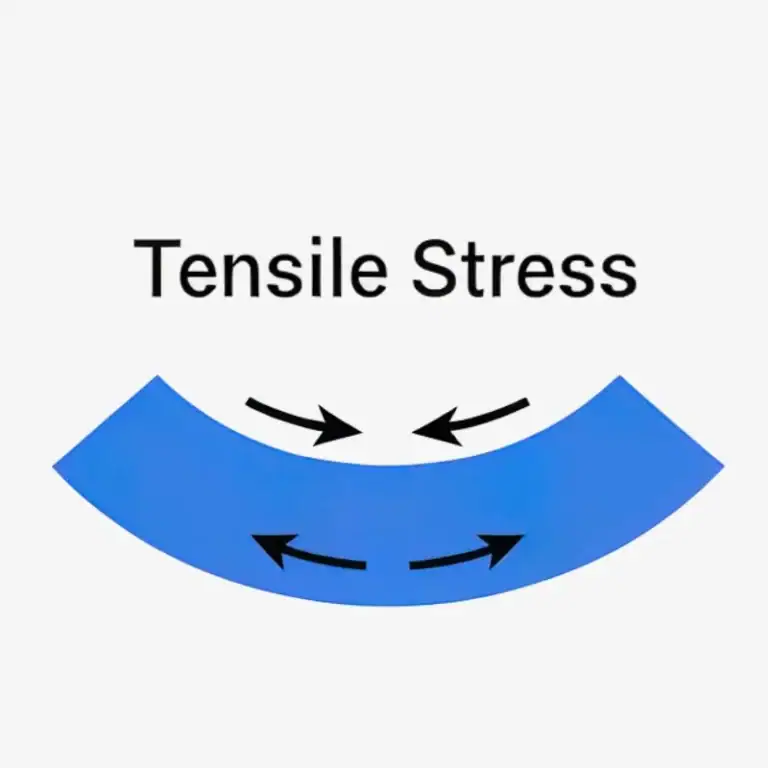
PEEK has strong mechanical properties for a thermoplastic, especially in high-temperature or chemically exposed environments. Ensinger lists unreinforced PEEK tensile strength at 116MPa, while Prototek describes typical tensile strength around 90–100MPa. Victrex lists a wider tensile strength range of 78–330MPa depending on grade and reinforcement.
This means PEEK tensile strength depends strongly on grade. Unfilled PEEK works well for many precision parts, while carbon fiber or glass fiber reinforced PEEK can provide higher stiffness, strength, and creep resistance.
Wear Resistance And Low Friction
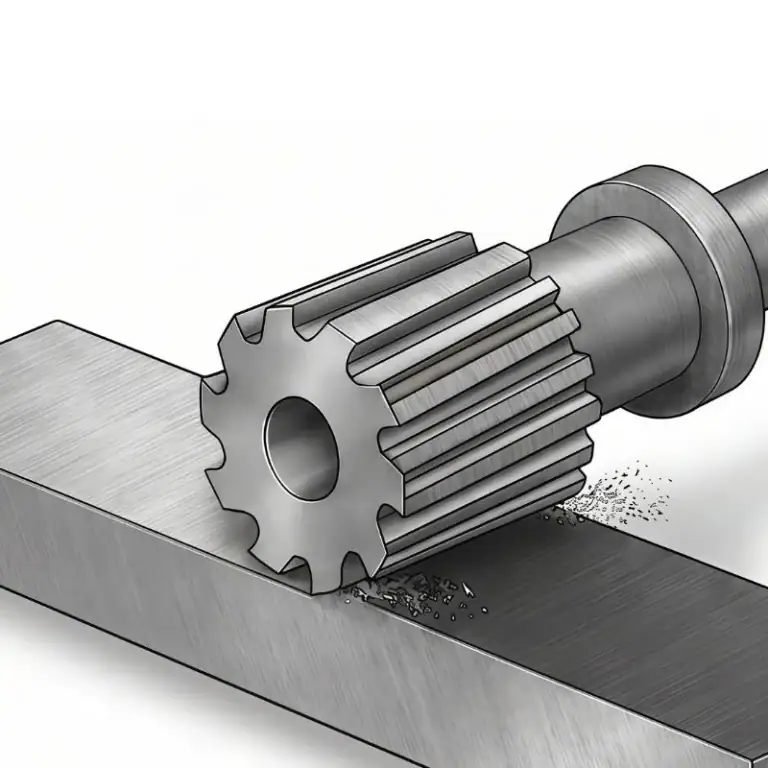
PEEK has excellent wear resistance and can perform well in sliding, friction, and abrasion applications. This is why it is commonly used for bushings, bearings, gears, seals, backup rings, and other moving components.
For applications with heavy sliding or continuous contact, filled grades may perform better than natural PEEK. PTFE-filled, graphite-filled, and carbon-filled PEEK grades are often selected to reduce friction and improve wear life.
Creep And Fatigue Resistance
PEEK has strong creep and fatigue resistance, which helps it maintain shape and performance under long-term load or repeated cyclic stress. Victrex connects PEEK’s creep, fatigue, wear, and chemical resistance to its semi-crystalline structure.
This is valuable for parts that cannot deform over time, such as seals, supports, spacers, insulators, fixtures, and precision assemblies. In CNC design, creep resistance helps protect tolerance stability under load.
Chemical Resistance
PEEK has excellent chemical resistance to many organic solvents, oils, weak acids, weak alkalis, hydrocarbons, and aggressive industrial fluids. Chukoh notes that PEEK resists most acids and alkalis but can be corroded by concentrated sulfuric acid, so chemical compatibility still needs verification.
This makes PEEK useful for chemical processing, oil and gas, medical sterilization, aerospace fluids, and industrial equipment. For harsh environments, the exact chemical, concentration, temperature, and exposure time should be reviewed before choosing the material.
Dimensional Stability
PEEK has excellent dimensional stability because it has low thermal expansion, high stiffness, low moisture absorption, and good creep resistance. Ensinger notes that PEEK can maintain stable dimensions even near 150°C and under long-term load because of its stiffness and creep resistance.
This is one reason PEEK is used for precision CNC machined parts. It can hold close tolerances better than many lower-performance plastics, especially in warm or chemically demanding environments.
Flame, Smoke, And Toxicity Performance
PEEK has strong flame resistance and low smoke behavior compared with many plastics. Ensinger lists UL94 V-0 flame resistance, and Victrex notes that PEEK has excellent flammability performance and emits little smoke when it burns under very high-temperature conditions.
This property is important for aerospace, electrical, electronics, and transport-related components. Material certification should still be checked because flame, smoke, and toxicity requirements depend on industry standards and exact grade.
Radiation, Vacuum, And Harsh Environment Resistance
PEEK can perform well in radiation, vacuum, and harsh industrial environments when the correct grade is selected. Ensinger lists radiation resistance, low outgassing, vacuum suitability, and CMP-related requirements among PEEK characteristics and application areas.
This makes PEEK useful for semiconductor equipment, vacuum fixtures, analytical instruments, medical equipment, and high-cleanliness industrial systems. For these uses, the PEEK material data sheet and compliance documents are especially important.
Types And Grades Of PEEK Material
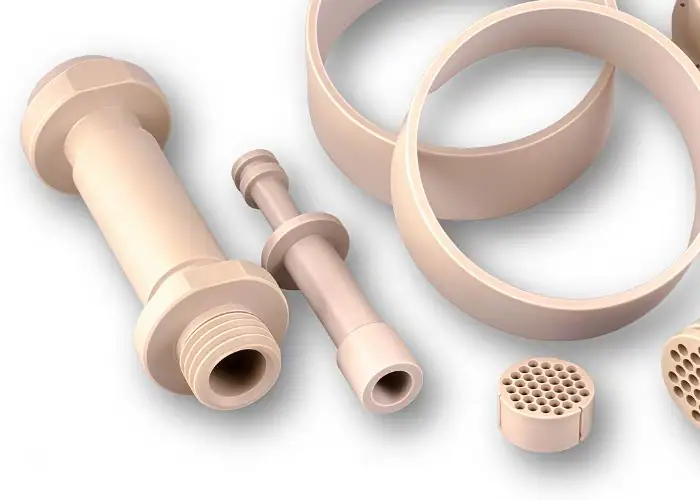
PEEK material is available in multiple grades, including unfilled PEEK, glass-filled PEEK, carbon-filled PEEK, PTFE-filled PEEK, ceramic-filled PEEK, medical-grade PEEK, food-contact PEEK, conductive PEEK, and semiconductor-grade PEEK. Each grade changes mechanical strength, friction, wear, conductivity, machinability, and compliance.
Unfilled PEEK
Unfilled PEEK is the base grade of PEEK and provides a balanced combination of heat resistance, mechanical strength, chemical resistance, electrical insulation, and dimensional stability. Ensinger lists unfilled PEEK with continuous service temperature of 250–260°C and tensile strength of 116MPa.
This grade is often selected for precision CNC machined plastic parts, electrical insulators, spacers, rings, and components where fillers are not required. It is also useful when clean material behavior and good machinability are needed.
Glass-Filled PEEK
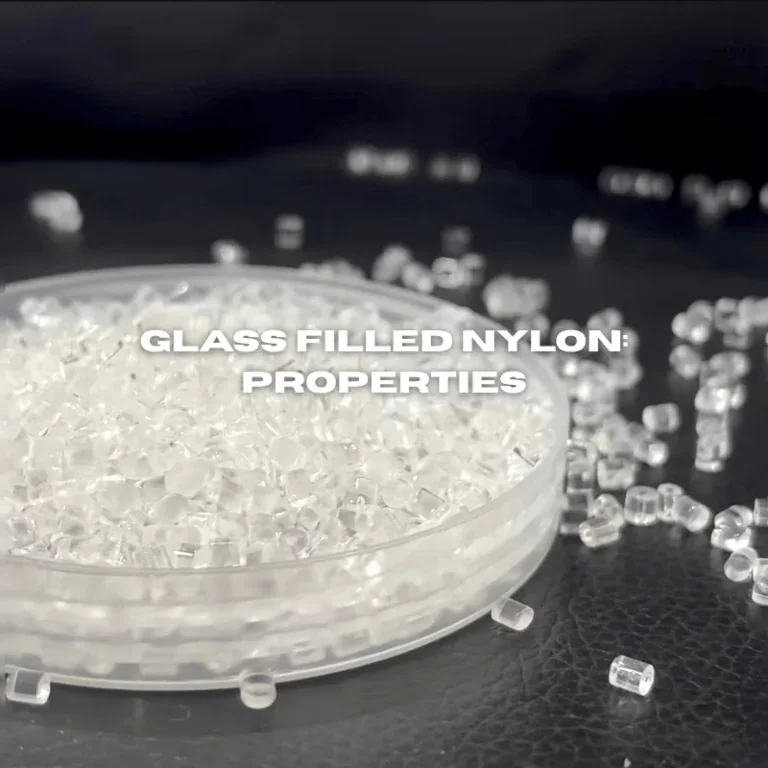
Glass-filled PEEK is used when the part needs higher rigidity, better dimensional stability, and stronger creep resistance than unfilled PEEK. Chukoh describes glass fiber reinforced PEEK as better for rigidity, dimensional stability, and creep resistance under static loads.
This grade is useful for supports, housings, load-bearing plastic parts, and precision components that must resist deformation. However, glass-filled grades can be more abrasive during machining, so tool selection and surface finish requirements should be reviewed.
Carbon-Filled PEEK
Carbon-filled PEEK is used when the part needs higher stiffness, strength, wear resistance, thermal stability, or controlled conductivity. Ensinger lists carbon-filled and conductive PEEK grades in its PEEK portfolio, including carbon fiber reinforced medical PEEK composites with very high tensile strength in selected grades.
This grade is often selected for high-performance bearings, rings, guides, fixtures, and demanding machined components. It is stronger and stiffer than natural PEEK, but it may be more brittle and more difficult to machine.
PTFE-Filled PEEK
PTFE-filled PEEK is used when low friction and wear performance are more important than maximum strength. Ensinger lists PTFE-filled PEEK bearing grades designed for improved friction and wear behavior.
This grade is useful for sliding parts, seals, bushings, guides, and dynamic components. It can reduce friction against mating surfaces and improve service life in moving assemblies.
Ceramic-Filled PEEK
Ceramic-filled PEEK is used when tight tolerance, stiffness, low thermal expansion, and precision machining behavior are required. Ensinger describes ceramic-filled PEEK for test sockets as having very high stiffness, low CLTE, tight-tolerance machining, low water absorption, and low burr tendency.
This grade is especially useful in semiconductor, electronics, test fixture, and precision equipment applications. It is not chosen for every part because cost and brittleness may be higher than standard PEEK.
Medical And Biocompatible PEEK
Medical and biocompatible PEEK is used when a component must meet medical contact, sterilization, or biocompatibility requirements. Ensinger lists biocompatible PEEK grades meeting ISO10993 requirements, including grades suitable for limited skin, tissue, blood, dental, and medical applications.
PEEK is also widely discussed as a biomaterial for dental and implant-related applications because of its useful mechanical behavior, chemical stability, and biological compatibility. The PMC/Cureus paper specifically focuses on PEEK as a capable implant prosthesis material in dental applications.
Food-Contact And Detector-Safe PEEK
Food-contact and detector-safe PEEK is used when a plastic part must resist cleaning methods and meet food-related standards. Ensinger lists PEEK grades that comply with FDA and EU10/2011 food standards and can be metal detectable or X-ray detectable.
These grades are used in food processing equipment, filling systems, scrapers, guides, rollers, and safety-critical production lines. For food-contact parts, compliance documents should be checked before production.
Semiconductor And Electrical Grade PEEK
Semiconductor and electrical grade PEEK is used when parts need electrical insulation, dimensional stability, chemical resistance, low contamination risk, ESD control, or vacuum performance. Ensinger lists semiconductor, electronics, conductive, antistatic, CMP, and low-outgassing PEEK grades.
These grades are useful for test sockets, wafer-handling parts, electrical connectors, insulators, vacuum fixtures, and precision equipment components. Material selection should confirm ESD, outgassing, cleanliness, and tolerance requirements.
Advantages And Disadvantages Of PEEK Material
The main advantage of PEEK material is that it combines heat resistance, strength, chemical resistance, wear performance, flame resistance, and dimensional stability in one thermoplastic. The main disadvantage is cost, along with more difficult machining and processing compared with common plastics.
Main Advantages Of PEEK
The main advantages of PEEK include high heat resistance, strong mechanical properties, good chemical resistance, low moisture absorption, wear resistance, fatigue resistance, flame resistance, and dimensional stability. These advantages allow PEEK to replace metals or lower-grade plastics in selected applications.
Common advantages include:
- Continuous service temperature around 250–260°C
- Melting point around 341–343°C
- Tensile strength around 90MPa+ for many unfilled grades
- Strong chemical resistance
- Good wear and friction performance
- Excellent dimensional stability
- Electrical insulation
- Low smoke and flame resistance
- Medical, food, aerospace, and oil-related grade options
Main Disadvantages Of PEEK
The main disadvantages of PEEK are high material cost, higher processing temperature, more difficult cutting behavior, and more careful design requirements. Chukoh notes that PEEK is expensive to produce and difficult to machine or cut because of its high mechanical strength.
For CNC machining, PEEK requires sharp tools, controlled feeds and speeds, proper fixturing, and good heat management. Poor machining strategy can cause burrs, surface defects, dimensional drift, or internal stress.
When PEEK Is A Better Choice Than Standard Plastics?
PEEK is a better choice than standard plastics when the part must resist high temperature, chemicals, wear, repeated load, steam sterilization, or dimensional change. It is often selected when nylon, acetal, PTFE, PPS, or other plastics cannot meet all performance requirements together.
For example, PEEK may be a better option for hot chemical seals, medical sterilization components, precision insulators, bearing parts, oil and gas seals, and high-performance CNC machined plastic components. The value comes from longer service life and reduced failure risk, not low upfront cost.
When PEEK May Not Be The Best Choice?
PEEK may not be the best choice when the application does not require high heat resistance, chemical resistance, wear performance, or tight dimensional stability. In low-load or room-temperature applications, materials such as nylon, acetal, PTFE, PPS, ABS, PC, or aluminum may be more cost-effective.
PEEK may also be unnecessary when part geometry is simple, tolerance is loose, temperature is low, and the environment is mild. A practical material decision should compare both performance and total production cost.
PEEK Vs Other High-Performance Materials
PEEK differs from other high-performance materials because it offers a strong balance of heat resistance, mechanical strength, chemical resistance, wear resistance, and processability. It is not always the cheapest, strongest, or easiest material, but it often wins when multiple requirements must be met at the same time.
PEEK Vs PPS
PEEK is usually better than PPS when the application requires higher temperature capability, higher mechanical strength, and stronger wear resistance. Victrex compares PEEK with PPS and PES and notes that PEEK can offer higher continuous use temperature and stronger mechanical performance.
PPS can still be a good choice when temperature is lower, cost sensitivity is higher, and extreme wear performance is not required. The choice depends on heat, load, chemical exposure, cost, and lifecycle expectations.
PEEK Vs PTFE
PEEK is stronger and more dimensionally stable than PTFE, while PTFE usually offers lower friction and stronger nonstick behavior. PEEK is better when the part must carry load, hold tolerance, resist creep, or maintain mechanical stability.
PTFE-filled PEEK can combine some benefits of both materials. This grade is useful when the part needs PEEK’s strength and temperature resistance with improved friction behavior.
PEEK Vs Metal
PEEK can replace metal when weight reduction, corrosion resistance, electrical insulation, chemical stability, and complex geometry are important. Victrex notes that PEEK-based materials can provide weight reduction compared with metal equivalents and can support metal replacement in demanding applications.
Metals may still be better when the part needs very high absolute strength, high stiffness, impact toughness, thermal conductivity, or low raw material cost. For CNC projects, PEEK and metal should be compared by full application conditions, not only by strength.
PEEK Vs Other Engineering Plastics
PEEK is more heat-resistant and chemically stable than many common engineering plastics, including nylon, acetal, ABS, PC, and many lower-cost materials. This makes it useful when plastic parts face high temperature, chemical cleaning, steam, wear, or tight tolerance requirements.
However, standard plastics are often better for cost-sensitive or low-load parts. The correct decision is usually based on temperature, chemical exposure, tolerance, friction, production quantity, and required service life.
| Comparison | PEEK Advantage | Other Material Advantage |
| PEEK Vs PPS | Higher temperature and stronger wear performance | PPS may be lower cost and easier to process |
| PEEK Vs PTFE | Higher strength, stiffness, and dimensional stability | PTFE has lower friction and broader nonstick behavior |
| PEEK Vs Metal | Lower weight, no metal corrosion, electrical insulation | Metals may offer higher absolute strength and lower cost |
| PEEK Vs Nylon | Better heat and chemical resistance | Nylon is much cheaper and easier to process |
| PEEK Vs Acetal | Better temperature and chemical performance | Acetal is lower cost and easier to machine |
How PEEK Performs In Manufacturing?
PEEK performs well in manufacturing when the correct grade, process, tooling, and design rules are used. It can be CNC machined, injection molded, extruded, compression molded, cut, ground, or finished, but it requires more process control than common plastics.
PEEK CNC Machining Performance
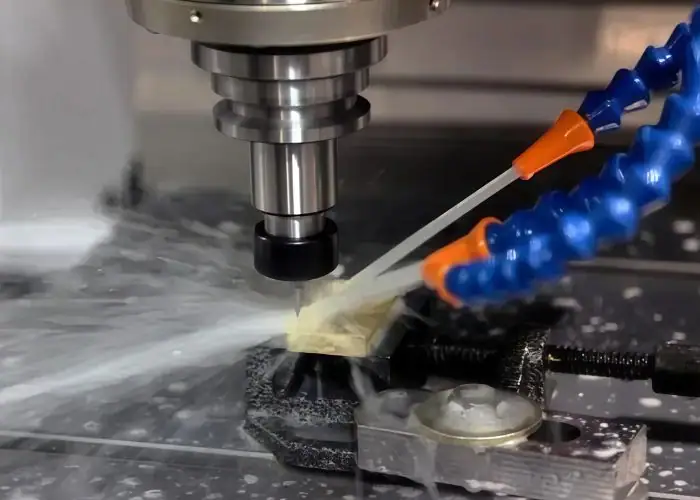
PEEK CNC machining performance is good for precision plastic parts, but the process must control heat, tool sharpness, fixturing, chip evacuation, and internal stress. PEEK is stronger and more heat-resistant than many plastics, so it can be more difficult to cut than acetal, nylon, or PTFE.
PEEK can be CNC milled, turned, drilled, tapped, bored, and profiled into tight-tolerance components. For reinforced grades, tool wear can increase, especially with glass-filled, carbon-filled, or ceramic-filled PEEK.
PEEK Injection Molding Performance
PEEK injection molding performance is useful for repeated production of complex parts, but it requires high processing temperatures and suitable tooling. Prototek notes that PEEK production involves high-temperature processing and can be formed into pellets, sheets, rods, or molded parts.
Injection molding can reduce unit cost for large-volume production. However, tooling cost, shrinkage, crystallinity, warpage, gate design, and mold temperature must be controlled carefully.
PEEK Extrusion Performance
PEEK extrusion performance is important because many machined PEEK parts start from extruded rods, plates, sheets, or tubes. Ensinger lists PEEK rods, sheets, and tubes in many grades and dimensions.
Extruded stock is practical for CNC machining because it allows fast material sourcing and flexible production. Before machining, material thickness, diameter, grade, certification, and stress condition should be confirmed.
Surface Finish And Tolerance Control
PEEK can achieve good surface finish and tight tolerances when machining parameters are stable. Tool sharpness, coolant strategy, cutting temperature, step-over, finishing pass, and clamping method all affect the final result.
For high-precision parts, machining should avoid overheating, excessive clamping pressure, and thin-wall distortion. Inspection should focus on critical dimensions, flatness, hole quality, thread quality, surface finish, and burr control.
Design Considerations For PEEK Parts
PEEK part design should consider temperature, load, creep, chemical exposure, friction, tolerance, wall thickness, inserts, threads, and production method. The drawing should clearly define the PEEK grade, tolerance level, surface finish, and inspection requirements.
Useful design points include:
- Avoid extremely thin walls when high strength is required
- Add radii to reduce stress concentration
- Review creep under long-term load
- Confirm chemical compatibility by temperature and concentration
- Choose filled grades for wear, stiffness, or ESD needs
- Use realistic tolerances for plastic machining
- Confirm certification for medical, food, aerospace, or semiconductor use
Common Applications Of PEEK Material
Common PEEK applications include automotive parts, industrial equipment, medical and dental parts, aerospace components, automation systems, electronics, robotics, semiconductor parts, bearings, gears, seals, backup rings, and oil and gas components. These applications use PEEK because it combines heat resistance, strength, wear resistance, and chemical stability.
Automotive Components
PEEK is used in automotive components because it resists heat, chemicals, friction, and repeated load. Typical parts include bushings, bearings, gears, thrust washers, seal rings, sensor components, connectors, and transmission-related parts.
In automotive applications, PEEK can reduce weight compared with metal and improve wear life compared with lower-grade plastics. It is especially useful near heat, fluids, and moving mechanical contact.
Industrial Equipment Parts
PEEK is used in industrial equipment parts because it provides long service life in hot, wet, abrasive, or chemically exposed environments. It is suitable for rollers, guides, seals, valve seats, pump parts, spacers, wear strips, and precision machine components.
For industrial equipment, PEEK is often chosen when downtime is expensive. Its higher material cost may be justified if the part lasts longer, reduces friction, or improves dimensional reliability.
Medical And Dental Components
PEEK is used in medical and dental components because selected grades can offer biocompatibility, sterilization resistance, light weight, strength, and radiolucency. Ensinger lists medical PEEK grades with ISO10993-related positioning and dental/medical application options.
Medical uses may include dental components, surgical instruments, implant-related parts, spacers, handles, and sterilization-compatible components. Final use must always follow grade-specific certification and regulatory requirements.
Aerospace Components
PEEK is used in aerospace components because it offers heat resistance, low weight, flame performance, chemical resistance, and mechanical durability. Victrex lists aerospace uses such as engine components, structural parts, and cable insulation where strength, wear, smoke, fire, toxicity, and weight reduction matter.
PEEK is not a universal aerospace material, but it is useful when plastic can replace metal while reducing weight and avoiding corrosion. Aerospace projects should confirm grade, datasheet, traceability, and compliance requirements.
Automation And Robotics Components
PEEK is used in automation and robotics components because it offers lightweight strength, wear resistance, low friction, and precision stability. It can be used for grippers, bushings, guide blocks, rollers, spacers, insulating parts, and lightweight moving components.
In robotics, reducing weight can improve speed and reduce motor load. PEEK is useful when the part also needs wear resistance, dimensional stability, or electrical insulation.
Electrical And Electronics Parts
PEEK is used in electrical and electronics parts because it provides electrical insulation, thermal stability, chemical resistance, flame resistance, and dimensional stability. Prototek notes that PEEK is used in connectors, insulators, and circuit breakers because it insulates well and resists electrical arcing.
Applications include connectors, sockets, insulators, test fixtures, terminal supports, sensor parts, and electronic housings. For ESD-sensitive environments, conductive or antistatic PEEK grades may be required.
Semiconductor And CMP Components
PEEK is used in semiconductor and CMP components because selected grades can provide low contamination, dimensional stability, chemical resistance, low moisture absorption, and precision machining behavior. Ensinger lists PEEK grades for semiconductor, electronics, CMP, test sockets, and low-outgassing applications.
Common uses include wafer-handling components, test sockets, retaining rings, vacuum fixtures, and precision jigs. Grade selection should confirm cleanliness, outgassing, ESD, and dimensional requirements.
Oil And Gas Components
PEEK is used in oil and gas components because it can resist high temperature, pressure, chemicals, and wear. Victrex lists oil and gas uses such as downhole components, seals, and bearings where chemical resistance, pressure, temperature, and reliability matter.
PEEK is useful for seals, backup rings, valve seats, bearing components, and insulation parts in harsh environments. Final selection should consider pressure, temperature, fluids, and long-term mechanical load.
Bearings, Gears, Seals, And Backup Rings
PEEK is used for bearings, gears, seals, and backup rings because it combines wear resistance, fatigue resistance, creep resistance, chemical resistance, and heat stability. Ensinger lists backup rings as PEEK applications and highlights long-term heat resistance, low creep tendency, strength, hardness, and rigidity.
For sliding or rotating parts, filled PEEK grades may improve friction and wear performance. Design should consider mating material, lubrication, load, speed, temperature, and surface finish.
Metal Replacement Components
PEEK is used as a metal replacement when lower weight, corrosion resistance, electrical insulation, lower friction, or complex geometry is more important than metal-level stiffness or thermal conductivity. Victrex notes that PEEK can offer weight reduction compared with metal equivalents and does not corrode like metals.
Metal replacement should be carefully reviewed. PEEK is strong for a plastic, but it does not behave exactly like aluminum, steel, titanium, or stainless steel. Load, creep, tolerance, temperature, and safety factor must be checked.
How To Choose The Right PEEK Material For Your Project?
The right PEEK material should be chosen by temperature, load, wear, chemical exposure, dimensional tolerance, compliance needs, and production method. A PEEK material data sheet should be reviewed before final design because filled and unfilled grades can perform very differently.
Choose Based On Temperature Requirement
Choose PEEK based on temperature requirement when the part must work near high heat, hot water, steam, sterilization, engine fluids, or thermal cycling. PEEK’s long-term heat resistance around 250–260°C and melting point around 341–343°C make it suitable for many high-temperature plastic parts.
If the part works only at room temperature, PEEK may be unnecessary. If the part works near high heat and must keep strength and shape, PEEK becomes much more valuable.
Choose Based On Load And Strength Requirement
Choose PEEK based on load and strength requirement when the part must resist tensile load, compression, bending, creep, fatigue, or assembly stress. Unfilled PEEK can provide strong mechanical performance, while reinforced grades can increase stiffness and strength.
For high-load parts, review the exact PEEK tensile strength, modulus, compressive strength, and creep data from the material data sheet. Strength should not be assumed from the name “PEEK” alone.
Choose Based On Wear And Friction Requirement
Choose PEEK based on wear and friction requirement when the part slides, rotates, rubs, seals, or contacts another component repeatedly. Natural PEEK can work in many wear applications, while PTFE-filled, carbon-filled, or graphite-filled PEEK may improve sliding performance.
For bearings, bushings, seals, and gears, the mating surface, load, speed, temperature, lubrication, and debris environment are just as important as material grade. Wear testing may be needed for critical applications.
Choose Based On Chemical Exposure
Choose PEEK based on chemical exposure when the part must contact oils, fuels, solvents, cleaning fluids, acids, alkalis, hot water, or steam. PEEK has excellent chemical resistance, but concentrated sulfuric acid and other aggressive chemicals can still create risk.
Chemical compatibility should be checked using the exact fluid, concentration, pressure, temperature, and exposure time. This is especially important for oil and gas, chemical processing, food, and medical equipment.
Choose Based On Biocompatibility Or Food-Contact Needs
Choose PEEK based on biocompatibility or food-contact needs when the part will be used in medical, dental, food processing, or clean equipment. Medical-grade and food-contact PEEK grades are not the same as general industrial PEEK.
For these projects, the supplier should provide compliance documents, grade information, traceability, and material certificates. CNC machining should also control contamination, surface finish, cleaning, and inspection.
Choose Based On Machining, Molding, Or Production Volume
Choose PEEK based on manufacturing method and production volume because CNC machining, injection molding, and extrusion have different cost structures. CNC machining is usually better for prototypes, low-volume parts, tight tolerances, and design changes; injection molding is better for high-volume repeated production.
The most practical decision should compare tooling cost, unit cost, tolerance, lead time, surface finish, material waste, and part geometry. For high-value PEEK parts, early DFM review can reduce scrap and production risk.
FAQs
Is PEEK As Strong As Steel?
PEEK is not as strong as steel in absolute mechanical strength. Unfilled PEEK usually has tensile strength around 90–116MPa, while mild steel often reaches about 400–550MPa, and alloy steels can be much higher. However, PEEK offers advantages in lower weight, corrosion resistance, electrical insulation, chemical stability, and heat resistance up to about 250–260°C. Steel is better for high-load structural parts, while PEEK is better for lightweight precision plastic parts.
Is PEEK Plastic Safe?
PEEK plastic is safe when the correct grade is selected for the application. Industrial PEEK is used in aerospace, electronics, oil and gas, and CNC machined parts. Medical-grade PEEK may meet biocompatibility standards such as ISO10993, depending on supplier certification. Food-contact PEEK may also meet FDA or EU food standards. For medical, food, or human-contact applications, the material data sheet, certification, contact temperature, chemical exposure, and cleaning method should always be checked.
Is PEEK Stronger Than Nylon?
PEEK is generally stronger and more stable than nylon in demanding engineering conditions. Unfilled PEEK often has tensile strength around 90–116MPa and can work continuously near 250–260°C. Common nylon grades are lower-cost and easier to process, but they absorb more moisture and lose strength faster under heat, humidity, and chemical exposure. For high-temperature, high-wear, tight-tolerance, or chemical-resistant CNC parts, PEEK is usually a better choice than nylon.
Is PEEK A Good Alternative To Metal?
PEEK is a good alternative to metal when the part needs weight reduction, corrosion resistance, chemical stability, electrical insulation, low friction, or precision plastic machining. PEEK is much lighter than steel and has a melting point around 341–343°C, with continuous service temperature near 250–260°C. However, PEEK has lower stiffness and tensile strength than most metals. It works best for seals, bushings, insulators, gears, medical parts, and lightweight CNC components.
Conclusion
PEEK material is a high-performance thermoplastic selected for demanding applications where ordinary plastics cannot provide enough heat resistance, strength, chemical stability, wear resistance, or dimensional control. It offers a melting point around 341–343°C, long-term heat resistance around 250–260°C, strong mechanical properties, and multiple grade options for CNC machining, medical, food, semiconductor, electrical, automotive, aerospace, and oil and gas applications. The right grade should be chosen from the exact PEEK material data sheet, not by material name alone.
At TiRapid, we provide precision CNC machining and manufacturing services for custom plastic and metal components used in demanding industrial applications. If your project requires PEEK, glass-filled PEEK, carbon-filled PEEK, PTFE-filled PEEK, medical-grade plastics, tight tolerances, complex geometry, surface finishing, or low-volume production, our team can support material selection, manufacturability review, and production-ready custom parts.