PBT material is a semi-crystalline engineering thermoplastic valued for its dimensional stability, electrical insulation, chemical resistance, mechanical strength, and efficient injection molding performance. Manufacturers use it for connectors, sensor housings, switches, appliance components, valve parts, automotive electronics, and other components that must maintain reliable dimensions under changing temperature and humidity conditions.
This guide explains what PBT material is, how its polymer structure affects performance, which grades are available, how PBT is injection molded and CNC machined, what design and processing risks engineers must control, and how to determine whether PBT is suitable for an electrical, automotive, industrial, medical, or consumer product application.
What Is PBT Material?
PBT stands for polybutylene terephthalate. It belongs to the thermoplastic polyester family and has a semi-crystalline molecular structure that supports rapid crystallization, relatively low moisture absorption, stable electrical properties, and efficient high-volume molding.
Polymer Structure and Composition
PBT is commonly produced through a reaction involving terephthalic acid or dimethyl terephthalate and 1,4-butanediol. The resulting polymer contains aromatic polyester groups that contribute to strength, heat resistance, chemical stability, and electrical insulation.
Its semi-crystalline structure distinguishes PBT from amorphous plastics such as polycarbonate. During cooling, part of the polymer forms ordered crystalline regions. These regions improve rigidity, creep resistance, chemical resistance, and dimensional stability, but they also create molding shrinkage that must be considered during tool design.
Compared with PET, PBT crystallizes more readily and generally processes at lower temperatures. Its faster crystallization helps shorten injection molding cycles, while its impact performance—especially at lower temperatures—can be more favorable for certain engineering components.
How PBT Is Supplied?
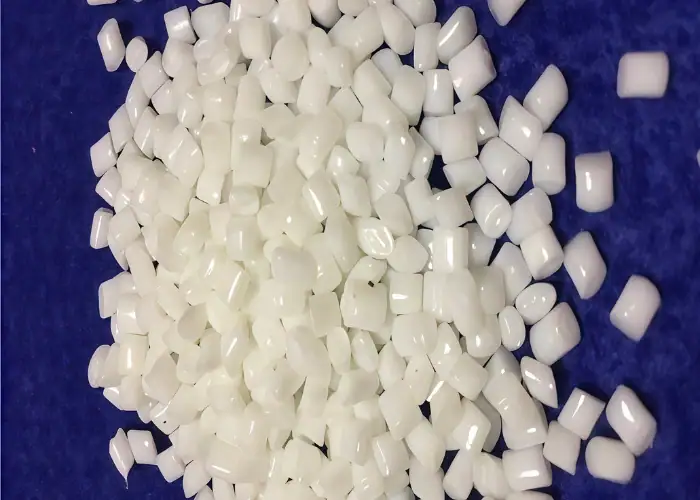
PBT is most commonly supplied as pellets for injection molding. Manufacturers offer unfilled, glass-fiber-reinforced, flame-retardant, hydrolysis-resistant, low-warpage, tribological, food-contact, and medical-technology grades for different engineering requirements.
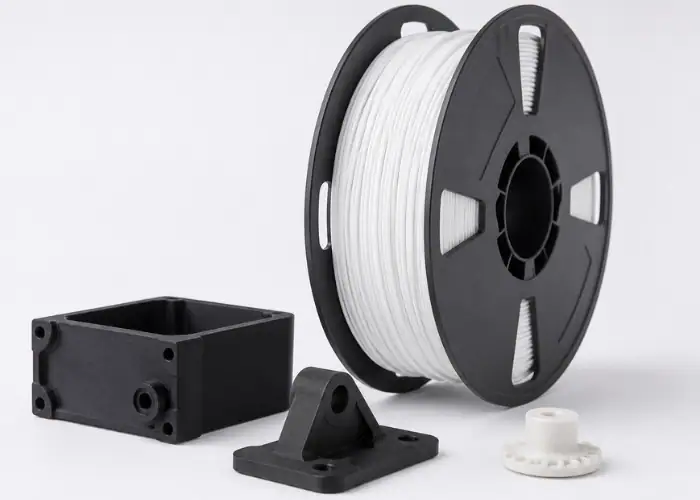
Extrusion can also produce PBT sheets, rods, profiles, pipes, films, and other semi-finished forms. These stock shapes can be machined into prototypes, replacement components, low-volume production parts, or precision features that are difficult to form directly in a mold.
Not every grade is available in every stock form. Injection molding compounds provide the widest variety of reinforcement and functional additives, while machinable plate and rod selections may be more limited. Material availability should therefore be confirmed before the component design is finalized.
Why Engineers Select PBT?
PBT combines strength, rigidity, low creep, low moisture absorption, chemical resistance, electrical insulation, and efficient molding. This balance makes it useful where commodity plastics lack sufficient dimensional stability but higher-performance polymers would create unnecessary cost.
Electrical and automotive designers frequently select PBT because its mechanical and electrical behavior remains relatively stable under changing climatic conditions. Flame-retardant and hydrolysis-resistant grades further extend its use in connectors, sensors, charging systems, control units, and high-voltage equipment.
PBT should still be selected by exact grade rather than polymer name alone. Reinforcement level, flame-retardant chemistry, impact modification, UV stabilization, hydrolysis resistance, color, and regulatory status can significantly change processing behavior and final part performance.
Key Properties of PBT Material
The performance of PBT depends on resin formulation, reinforcement, conditioning, wall thickness, temperature, manufacturing method, and test standard. General material-family descriptions are useful for initial selection, but final design values must come from the exact grade data sheet.
Mechanical Strength, Stiffness, and Creep
Unfilled PBT provides a useful combination of toughness, rigidity, and surface quality. It is suitable for clips, covers, electrical housings, switches, and mechanical components that need more structural stability than many commodity thermoplastics.
Glass-fiber reinforcement substantially increases stiffness and reduces deformation under load. A representative PBT GF30 machinable stock grade has a tensile modulus of approximately 3400MPa, tensile strength of about 46MPa, and flexural strength of about 78MPa. These values apply only to the cited stock-shape product and should not be treated as universal PBT data.
PBT also provides good creep resistance, but continuous load capability decreases as temperature and service time increase. Snap fits, threaded features, press fits, springs, and unsupported bosses should be designed using long-term creep data rather than short-term tensile strength alone.
Heat Resistance and Thermal Behavior
PBT has a melting temperature near 220–225°C for many grades, but melting point is not the same as allowable operating temperature. A component can lose stiffness, creep, or move outside tolerance at temperatures far below the polymer’s melting point.
A representative GF30 PBT stock shape lists a short-term service temperature of approximately 200°C and a long-term service temperature near 110°C. Other compounds may provide higher or lower thermal capability depending on reinforcement, heat stabilization, wall thickness, loading, and test method.
Celanese states that selected PBT product families can support continuous-use temperatures up to approximately 140°C. This is a portfolio-level capability rather than a universal rating, so designers must verify the exact material grade and operating stress before assigning a continuous-use limit.
Moisture Absorption and Dimensional Stability
PBT absorbs relatively little moisture compared with many polyamides. This helps its mechanical dimensions and electrical insulation remain more stable as ambient humidity changes, which is valuable for connectors, switches, sensor bodies, and precision molded housings.
The representative TECADUR PBT GF30 stock grade reports water absorption of about 0.02% after 24 hours and 0.04% after 96 hours at 23°C. Actual values vary with formulation, test method, wall thickness, and exposure conditions.
Low moisture absorption does not mean complete resistance to hot-water damage. Standard PBT can undergo hydrolytic degradation when exposed to water at elevated temperatures. Hydrolysis-resistant grades use stabilizing additives to slow polymer-chain breakdown and extend service life in hot, humid conditions.
Electrical Insulation and Flame Behavior
PBT provides useful dielectric properties and insulation resistance, making it a common material for connectors, sockets, switches, coil formers, control components, and high-voltage electrical assemblies. Its low moisture absorption helps reduce variation in electrical behavior caused by climate conditioning.
Flame behavior is grade-specific. Standard PBT may not satisfy demanding electrical fire requirements, while specially formulated grades can meet UL94 V-0 and other electrical insulation standards at specified thicknesses and colors.
A general drawing note stating only “PBT, flame retardant” is not sufficiently precise. The specification should identify the supplier grade, color, minimum wall thickness, applicable UL file or standard, and any required halogen-free or regulatory conditions.
Chemical, Friction, and Wear Performance
PBT generally resists oils, greases, fuels, stains, and many industrial chemicals. However, compatibility depends on the exact chemical, concentration, temperature, exposure duration, mechanical stress, and PBT formulation.
The material also provides useful friction and wear behavior for selected guides, rollers, sliding mechanisms, and moving components. Tribological compounds can include lubricants, reinforcement, or PBT/PET blends to modify friction, wear, noise, and stick-slip behavior.
PBT should not be described as universally resistant to hot water, strong bases, or every solvent. A representative GF30 stock grade specifically notes limited resistance to hot water above 60°C, while hydrolysis-resistant formulations are developed for more demanding wet-heat environments.
Representative PBT Material Data
The following values illustrate one glass-fiber-reinforced machinable PBT stock grade. They are useful for understanding the general performance range but are not specifications for every unfilled, injection-molded, reinforced, flame-retardant, or hydrolysis-resistant PBT compound.
| Property | Representative PBT GF30 Value | Engineering Meaning |
| Density | 1.46g/cm³ | Higher than unfilled PBT because of glass reinforcement |
| Tensile modulus | 3400MPa | Indicates relatively high stiffness |
| Tensile strength | 46MPa | Short-term test value for the cited stock shape |
| Flexural strength | 78MPa | Relevant to bending-loaded components |
| Charpy impact strength | 37kJ/m² | Grade- and test-specific impact performance |
| Melting temperature | 224°C | Processing reference, not a continuous-use limit |
| Long-term service temperature | 110°C | Supplier guidance for the cited product |
| Short-term service temperature | 200°C | Limited-duration exposure guidance |
| Thermal expansion | 80–100µm/m·K | Still considerably higher than most metals |
| Water absorption | 0.02% after 24h | Supports dimensional and electrical stability |
| UL94 rating | HB | Flame performance of this specific stock grade |
Designers should not combine values from unrelated PBT grades into one material specification. An injection-molded PBT GF30 connector compound may have different strength, shrinkage, flammability, hydrolysis resistance, fiber orientation, and dimensional behavior from a machined GF30 stock shape.
Common PBT Grades and Modifications
PBT is a broad material family rather than one fixed plastic. Grade selection determines whether the final part emphasizes toughness, rigidity, electrical safety, low warpage, hydrolysis resistance, appearance, regulatory compliance, or production efficiency.
Unfilled PBT
Unfilled PBT generally offers better toughness, surface appearance, weld-line behavior, and elongation than heavily reinforced grades. It is suitable for covers, knobs, small housings, clips, switches, and components that do not require maximum stiffness.
Its lower stiffness can be beneficial for snap fits and flexible assembly features. However, unfilled PBT normally has greater molding shrinkage and lower structural rigidity than glass-filled grades, so large flat sections may require ribs or geometry changes.
Unfilled resin is also easier to color and can produce smooth molded surfaces. Where appearance matters, the resin, mold finish, gate location, flow path, and processing temperature should be developed as one complete system.
Glass-Fiber-Reinforced PBT
Glass-filled PBT is commonly available with approximately 15%, 20%, 30%, or higher reinforcement levels. Added glass fiber increases stiffness, dimensional stability, heat-deflection performance, and resistance to deformation under mechanical load.
Reinforcement also creates design challenges. Fibers align with melt flow, so shrinkage and mechanical properties become directional. Uneven wall thickness, gate placement, weld lines, and local fiber orientation can cause warpage or different strength in different directions.
Machined glass-filled PBT is more abrasive than unfilled PBT. Cutting tools, feeds, edge geometry, dust extraction, and surface acceptance should account for fiber exposure and possible edge fraying.
Hydrolysis-Resistant PBT
Hydrolysis-resistant PBT is designed for parts exposed to elevated temperature and moisture. Typical applications include automotive sensors, electric-vehicle connectors, under-hood electrical systems, and components exposed to splash water or humid thermal cycling.
Water can break polyester molecular chains, particularly when heat accelerates the reaction. Hydrolysis-resistant additives delay this degradation, allowing the part to retain mechanical and electrical performance for longer under wet-heat conditions.
An HR grade does not eliminate the need for testing. Temperature, exposure time, pressure, chemical additives, road salt, sealing design, wall thickness, and mechanical stress can all affect service life.
Flame-Retardant and Low-Warpage Grades
Flame-retardant PBT compounds are used in electrical and automotive components that must meet defined fire-safety and insulation requirements. Available formulations may also target high comparative tracking index, arc resistance, color stability, or high-voltage performance.
Low-warpage compounds adjust reinforcement, mineral content, polymer blends, and flow behavior to improve flatness and dimensional repeatability. They are useful for broad housings, frames, connectors, and components with asymmetric geometry.
Material substitutions require careful validation. Changing from one flame-retardant or low-warpage grade to another can alter mold shrinkage, flow length, surface finish, weld-line strength, electrical performance, and part dimensions.
Food-Contact and Medical Grades
Food-contact and medical applications require documented grade-specific compliance. A generic PBT designation does not confirm food-contact, drinking-water, biocompatibility, pharmaceutical, or medical-device suitability.
Medical PBT grades may offer controlled production, change-notification services, biocompatibility documentation, consistent colors, friction-reducing formulations, or reinforcement for drug-delivery and diagnostic components.
The finished device remains the manufacturer’s responsibility. Material documentation must be reviewed together with sterilization, contact duration, chemical exposure, assembly method, manufacturing process, and applicable regulations.
How Is PBT Material Processed?
PBT can be injection molded, extruded, blow molded, welded, bonded, and CNC machined. Injection molding is the dominant production method because the polymer crystallizes rapidly and supports short cycles for complex, high-volume components.
Injection Molding
Injection molding is used for connectors, switches, sensor housings, appliance components, automotive electronics, medical-device mechanisms, and other detailed parts. PBT’s rapid crystallization supports production efficiency, but moisture and temperature must be controlled carefully.
Thermoplastic polyesters can hydrolyze during melt processing when the resin contains excessive moisture. BASF generally recommends processing moisture below 0.04% and predrying with dry air or vacuum equipment. A representative processing sheet specifies approximately 80–120°C for four hours, although the exact requirement is grade-specific.
Melt and mold temperatures affect flow, crystallinity, shrinkage, surface quality, and final mechanical performance. BASF lists typical melt ranges of approximately 250–280°C, with higher mold temperatures often used for reinforced grades or improved surface appearance.
Extrusion and Semi-Finished Shapes
Extrusion can produce sheets, rods, pipes, profiles, films, and monofilaments. These semi-finished shapes may be cut or machined into low-volume components, fixtures, valve parts, insulators, and replacement parts.
Not every injection-molding grade can be extruded efficiently. Melt strength, viscosity, crystallization behavior, cooling control, and dimensional stability determine whether a formulation is suitable for sheets or profiles.
For precision CNC parts, the stock-shape manufacturing and annealing history matter. Residual stress, fiber orientation, centerline quality, flatness, and thickness variation can influence the final machined dimensions.
CNC Machining
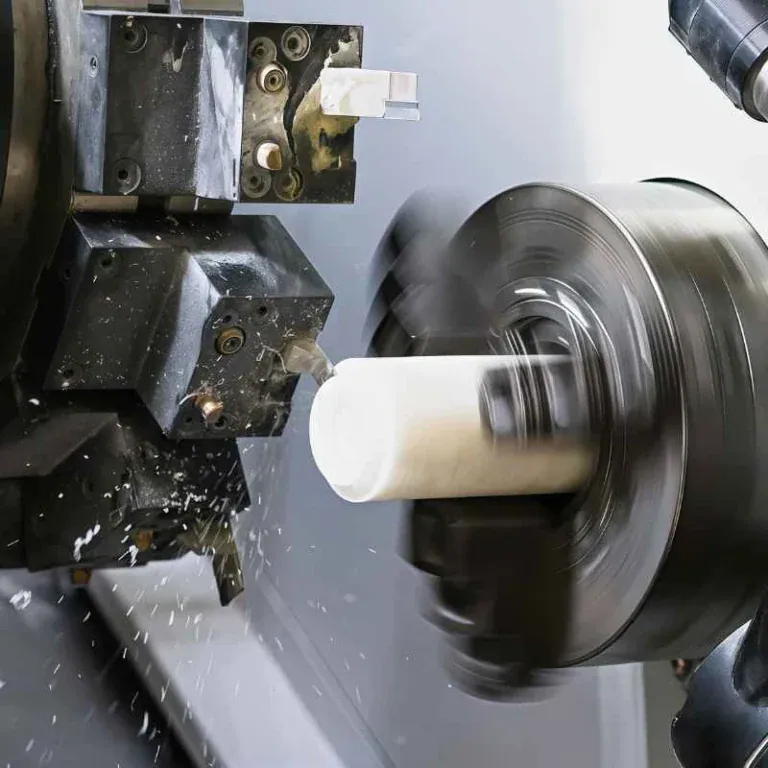
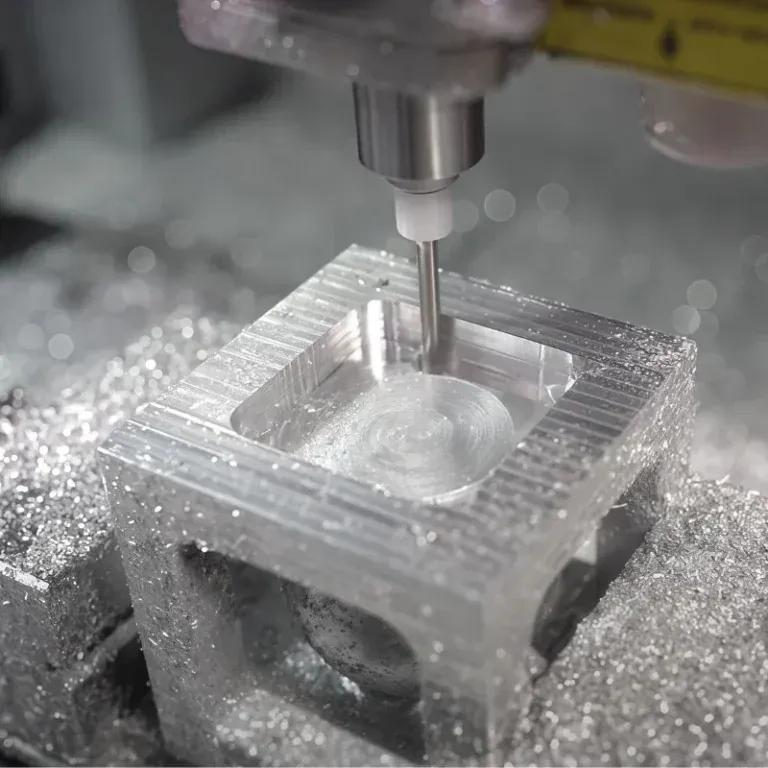
PBT can be CNC milled, turned, drilled, reamed, and finish-machined. Its semi-crystalline structure and dimensional stability allow manufacturers to achieve accurate geometry and good surface quality when machining parameters are adapted to the grade.
Machining is useful for prototypes, low-volume batches, replacement components, engineering validation, or secondary finishing of molded blanks. It also avoids injection-mold tooling when annual demand does not justify the tooling investment.
A hybrid route can combine molding with CNC finishing. The molded blank provides material efficiency and volume production, while machining controls sealing faces, bearing interfaces, critical holes, or other features requiring tighter tolerances.
PBT CNC Machining Guidelines
PBT is generally easier to machine than highly elastic or moisture-sensitive plastics, but metal-cutting assumptions should not be transferred directly. Heat generation, clamping pressure, reinforcement, stock stress, and thermal expansion remain important.
Cutting Tools, Heat, and Chip Control
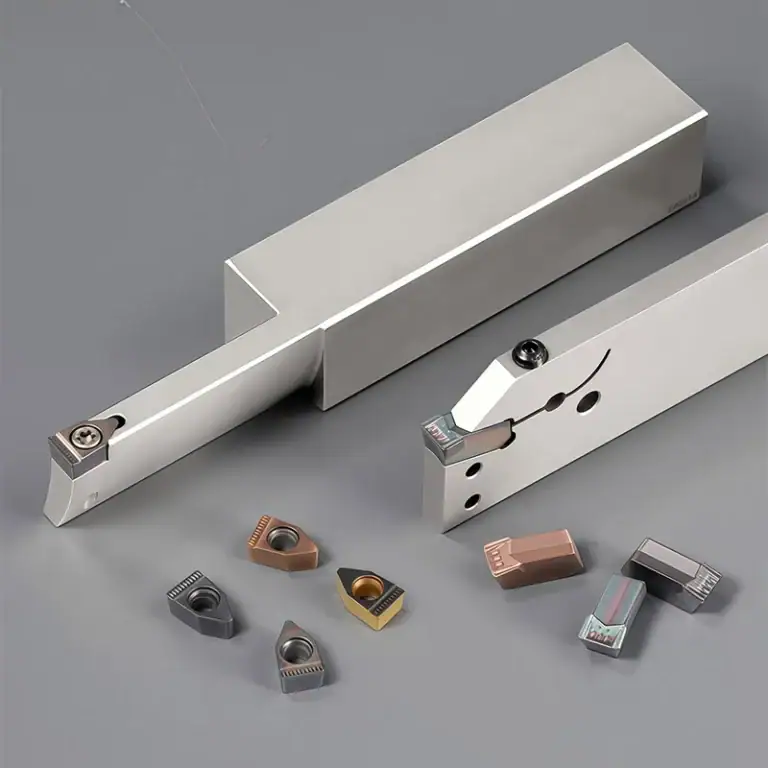
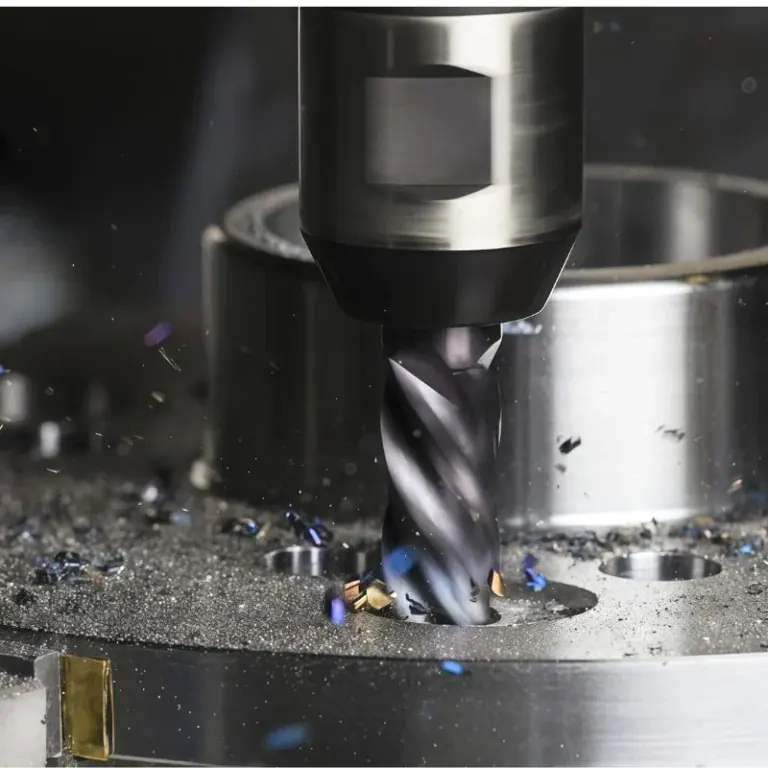
Sharp carbide or high-speed-steel tools can be used for many PBT machining operations. Sharp cutting edges reduce friction, heat generation, burr formation, and cutting force. Reinforced grades generally favor wear-resistant carbide tooling.
PBT has lower thermal conductivity than metal, so excessive cutting heat remains concentrated near the tool and workpiece. Appropriate feed, chip load, intermittent cutting, air cooling, and chip evacuation can limit local softening and dimensional movement.
Coolant compatibility should be confirmed when liquid cooling is needed. Medical or food components may benefit from dry machining or clean compatible cooling methods that do not introduce difficult-to-remove residues.
Workholding and Dimensional Control
Fixtures should support the component without creating excessive clamping stress. Broad jaws, soft pads, vacuum fixtures, and distributed support are preferable for thin walls or large flat parts.
Parts machined from thick plates may require balanced material removal from opposing sides. Removing most material from one surface can release internal stress unevenly and produce bowing, twisting, or loss of flatness.
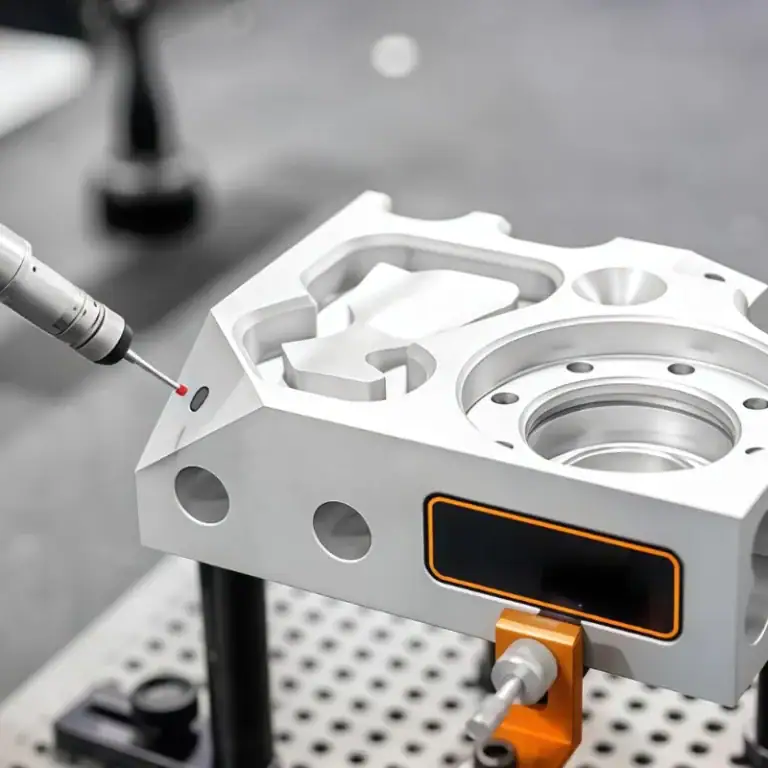
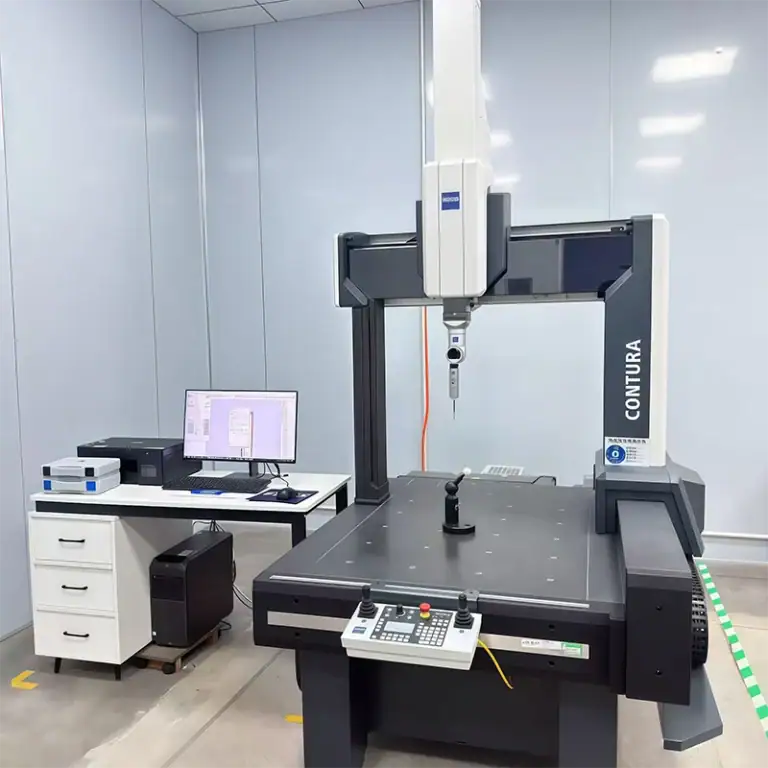
Inspection temperature should be controlled because PBT expands more than aluminum or steel. Very tight tolerances should be assigned only to functional features, with realistic allowances for temperature, wall thickness, load, and service environment.
Machining Glass-Filled PBT
Glass fibers increase abrasion and may shorten tool life. Cutting tools should remain sharp enough to shear the reinforcement cleanly rather than pulling fibers from the machined edge.
Fiber orientation can produce different surface textures on different faces. Milling parallel to the dominant fiber direction may generate a different finish from cross-fiber cutting, especially on injection-molded blanks.
Designers should also consider exposed fibers on sealing, sliding, or cosmetic surfaces. A reinforced grade may offer better stiffness but produce a less uniform machined appearance than unfilled PBT.
Advantages and Limitations of PBT
PBT provides an efficient balance of properties, but its suitability depends on the environment and grade. The material should not be selected only because it appears on an existing component or because another PBT grade performed well in a different application.
| PBT Advantages | PBT Limitations |
| Low moisture absorption | Standard grades can hydrolyze in hot, wet conditions |
| Good dimensional stability | Molding shrinkage and fiber orientation can cause warpage |
| Strong electrical insulation | Flame performance is grade- and thickness-specific |
| Rapid crystallization and short molding cycles | Resin must be dried carefully before melt processing |
| Good chemical and oil resistance | Compatibility is not universal for all chemicals |
| Available in reinforced and functional grades | Reinforced grades are more abrasive to machine |
| Good surface appearance | Glass fibers may become visible at the surface |
| Useful creep and wear performance | High-temperature load capability remains grade-dependent |
| Lower cost than many high-performance polymers | It cannot replace PPS, PEEK, or PPA in every severe environment |
PBT Compared With PET and PA66
PBT, PET, and PA66 can all be used for engineered components, but their processing behavior and environmental response differ. Selection should be based on the specific reinforced or unreinforced grade rather than only the polymer abbreviation.
| Selection Factor | PBT | PET | PA66 |
| Polymer family | Thermoplastic polyester | Thermoplastic polyester | Polyamide |
| Crystallization in molding | Relatively fast | Generally slower | Grade-dependent |
| Moisture absorption | Low | Low | Higher than PBT |
| Dimensional stability in humidity | Generally strong | Generally strong | More affected by conditioning |
| Low-temperature impact | Often better than PET | Grade-dependent | Grade-dependent |
| Strength and heat capability | Good; improved with glass fiber | Good; often high stiffness | Reinforced grades may exceed PBT |
| Common priority | Electrical parts and efficient molding | Precision mechanical and polyester components | Higher-strength structural and thermal applications |
Ensinger notes that PBT generally provides better low-temperature impact resistance than PET, while Asahi Kasei notes that reinforced PA66 can provide greater mechanical strength and heat resistance for especially demanding structural applications.
PBT may be preferred over PA66 where reduced moisture sensitivity and stable electrical behavior matter. PA66 may be more suitable where higher structural strength or heat resistance justifies the increased sensitivity to conditioning.
PBT and PET should not be treated as interchangeable. Crystallization rate, molding cycle, impact behavior, stock-form availability, surface finish, and grade formulation can influence which polyester is more practical.
Common Applications of PBT Material
PBT is used where components must combine electrical insulation, dimensional stability, molding precision, surface quality, and resistance to oils or industrial chemicals. The application still determines whether an unfilled, reinforced, flame-retardant, hydrolysis-resistant, or regulated grade is required.
| Application Area | Typical PBT Components | Main Selection Reason |
| Automotive | ECU housings, sensors, connectors, ignition parts and charging components | Electrical insulation, heat resistance and dimensional stability |
| Industrial Equipment | Valve parts, pump housings, gears and mechanical supports | Chemical resistance, rigidity and low creep |
| Medical | Injection-pen parts, inhaler mechanisms and diagnostic components | Grade-specific compliance, precision and surface quality |
| Aerospace | Electrical connectors and selected interior or control components | Insulation, strength and flame-retardant grade availability |
| Automation | Sensor bodies, terminal blocks and actuator components | Dimensional repeatability and electrical properties |
| Electronics | Switches, sockets, connectors, coil formers and insulating housings | Dielectric performance and rapid molding |
| Robotics | Sensor interfaces, gear mechanisms and control housings | Stiffness, wear behavior and dimensional stability |
| Consumer Products | Appliance handles, switches, knobs and personal-care components | Appearance, chemical resistance and production efficiency |
| Aerospace & Defense | Qualified connectors and electrical support components | Grade-specific flame, electrical and environmental performance |
| Powersports | Sensor housings, connectors and control-system components | Resistance to oil, vibration, moisture and temperature cycling |
| Oil & Gas | Selected instrument and fluid-handling components | Chemical resistance, subject to grade and media validation |
PBT is especially important in electric vehicles and charging systems, where connectors and electrical housings may need insulation, color stability, flame resistance, thermal-shock performance, and resistance to cooling fluids.
Design Considerations for PBT Parts
Material selection and geometry should be developed together. Features that work well in machined metal or amorphous plastic may create sink marks, weld-line weakness, warpage, fiber-orientation problems, or stress concentration in molded PBT.
Wall Thickness, Ribs, and Bosses
Molded wall thickness should remain as uniform as practical. Abrupt transitions cool at different rates and can produce sink marks, voids, shrinkage variation, and distortion.
Ribs can improve stiffness without creating excessively thick sections. Their thickness, height, draft, spacing, and connection radius should be coordinated with the base wall and expected melt flow.
Bosses should be supported by ribs rather than attached through a large solid mass. Screw loads, insert installation, creep, weld lines, and local fiber orientation should be reviewed before the tooling is released.
Shrinkage and Warpage
PBT shrinkage depends on grade, reinforcement, gate location, wall thickness, mold temperature, packing, cooling, and flow orientation. A representative unfilled BASF grade lists approximately 1.3% parallel and 1.6% normal molding shrinkage under its stated test conditions.
Glass fibers generally reduce total shrinkage but increase directional behavior. The difference between flow-direction and transverse shrinkage can bend broad or asymmetric parts.
Tooling dimensions should therefore use data from the exact selected grade. Generic PBT shrinkage values are not reliable enough for precision molds, especially when switching between unfilled, GF15, GF30, mineral-filled, and low-warpage compounds.
Hot Water, Chemicals, and Outdoor Exposure
A standard PBT grade may perform well in ambient humidity but degrade under prolonged exposure to hot water. Components near cooling circuits, steam, humid heat, or under-hood splash should be evaluated for hydrolysis-resistant material.
Chemical compatibility must be checked at operating temperature and stress. A material that survives short laboratory immersion may still crack or weaken during long-term service under assembly load.
Outdoor components should use a suitable weather- or UV-stabilized grade. Natural PBT should not automatically be assumed suitable for extended ultraviolet exposure.
Tolerances and Functional Features
Injection molding can provide excellent repeatability, but molded tolerances depend on tool accuracy, shrinkage, fiber orientation, gate position, cooling, and production control.
CNC machining may control individual interfaces more tightly, but thin walls, unsupported spans, thermal expansion, internal stress, and glass-fiber orientation still affect final stability.
Critical fits should be validated under service temperature, humidity, and load. A dimension that passes inspection at room temperature may behave differently after thermal cycling or wet-heat exposure.
How to Choose the Correct PBT Material?
The correct PBT grade should be selected according to the component’s highest-risk requirement. Selecting the stiffest or least expensive compound without considering moisture, fire performance, processing, or compliance can create downstream redesign and validation costs.
| Project Requirement | Recommended PBT Direction |
| General housing or switch | Unfilled PBT |
| High stiffness and structural support | Glass-fiber-reinforced PBT |
| Hot and humid environment | Hydrolysis-resistant PBT |
| Broad precision housing with flatness risk | Low-warpage PBT |
| Electrical fire requirement | Certified flame-retardant PBT |
| Sliding or gear mechanism | Tribological or wear-modified PBT |
| Food-contact component | Documented food-contact grade |
| Medical-device mechanism | Qualified medical-technology grade |
| Outdoor component | UV- or weather-stabilized grade |
| Prototype or low production volume | Machinable PBT stock shape |
| High-volume complex geometry | Injection molding |
| Molded blank with critical interfaces | Injection molding plus CNC finishing |
Before approval, engineers should confirm the complete material designation, reinforcement level, color, supplier grade, processing method, regulatory documentation, conditioning, and test conditions.
FAQs
Can PBT hold tight CNC machining tolerances?
PBT can support precision machining because of its relatively high dimensional stability. However, achievable tolerance depends on stock stress, reinforcement, wall thickness, feature size, clamping, cutting temperature, inspection temperature, and operating conditions. Critical dimensions should be evaluated individually rather than applying one tight tolerance to the entire part.
Is glass-filled PBT always better than unfilled PBT?
No. Glass-filled PBT provides greater stiffness and reduced deformation, but it is more abrasive to tools, less ductile, more directionally dependent, and may show exposed fibers. Unfilled PBT can provide better toughness, surface appearance, and snap-fit behavior when maximum rigidity is unnecessary.
Can standard PBT be used continuously in hot water?
Standard PBT may undergo hydrolytic degradation when exposed to water at elevated temperature. A hydrolysis-resistant grade should be considered for hot-water, high-humidity, automotive-sensor, and wet-heat applications. Qualification should reflect the real temperature, exposure duration, chemicals, and mechanical stress.
Should a PBT part be injection molded or CNC machined?
Injection molding is normally more economical for high-volume complex parts after tooling is justified. CNC machining is better suited to prototypes, low-volume production, replacement components, design validation, and tight features produced from stock shapes. A molded blank can also be finish-machined when both material efficiency and precision are required.
Conclusion
PBT material offers a practical balance of mechanical strength, dimensional stability, electrical insulation, chemical resistance, and efficient injection molding. Successful selection depends on distinguishing unfilled, reinforced, hydrolysis-resistant, flame-retardant, low-warpage, medical, and food-contact grades while accounting for heat, moisture, shrinkage, fiber orientation, machining conditions, and long-term loading.
At TiRapid, we provide precision CNC machining and manufacturing services for custom PBT and engineering plastic parts, helping customers control material selection, machining stability, dimensional accuracy, surface quality, and functional performance for demanding applications.