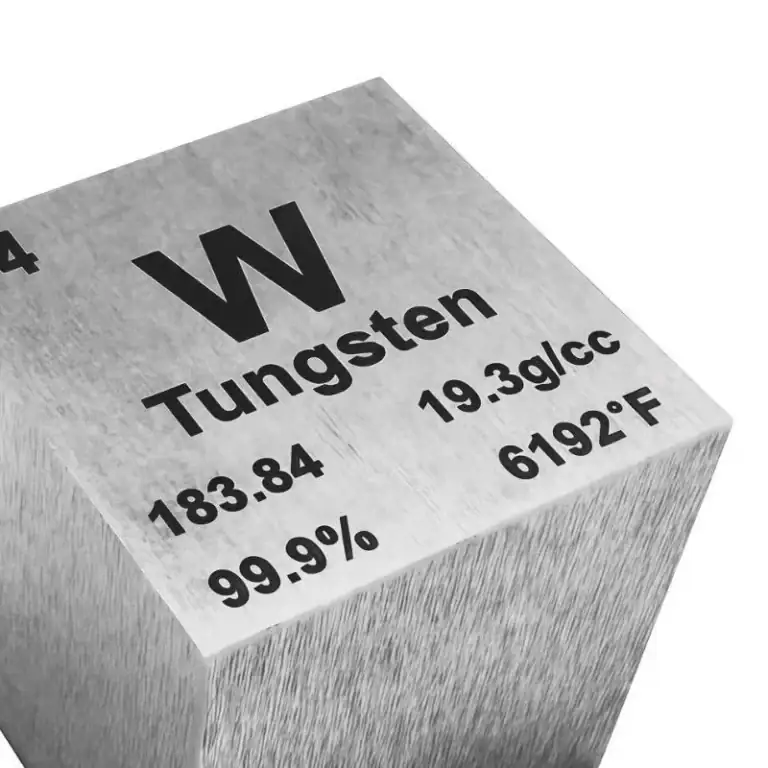
Tungsten metal is a dense, hard, high-melting-point refractory metal known for extreme heat resistance, high density, good wear resistance, and strong performance in demanding industrial environments. It has the chemical
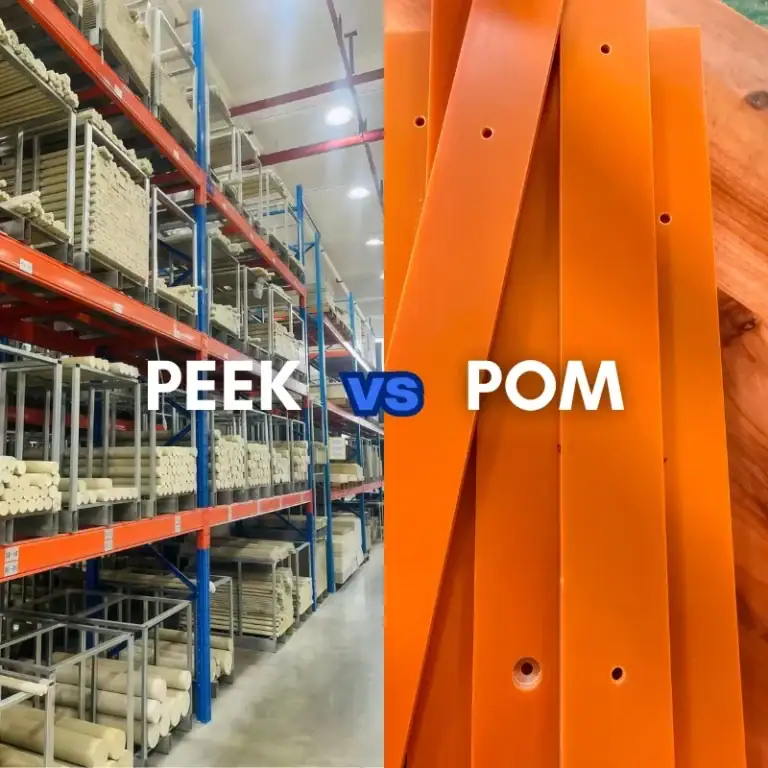
PEEK and POM are both widely used engineering plastics in CNC machining, but they are designed for very different working conditions. PEEK is selected for high-temperature, high-strength, and demanding industrial
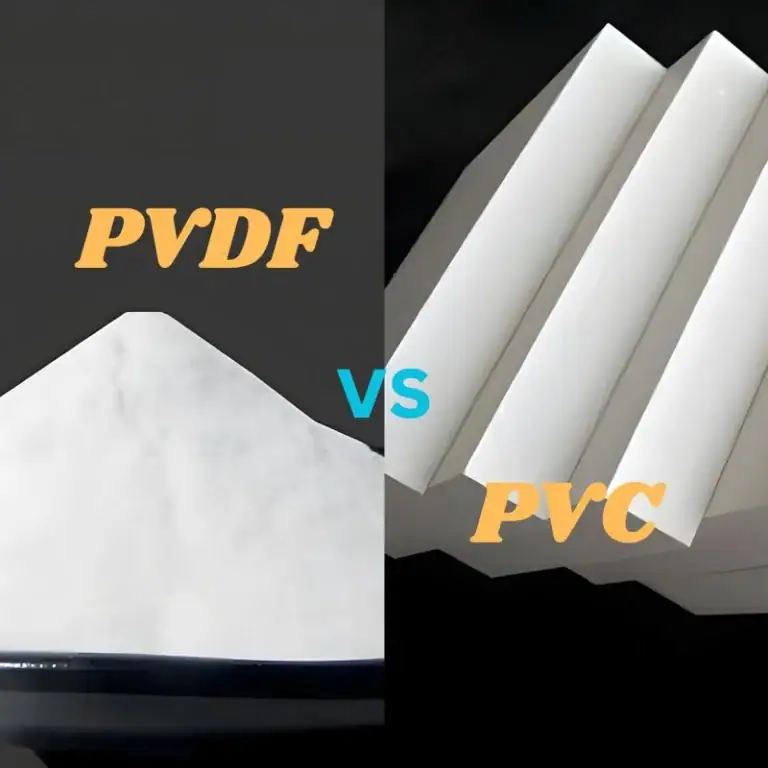
PVDF vs PVC is a common material comparison for engineers designing chemical-processing equipment, fluid-handling systems, electrical components, and precision plastic parts. Both thermoplastics resist corrosion and moisture, but they differ
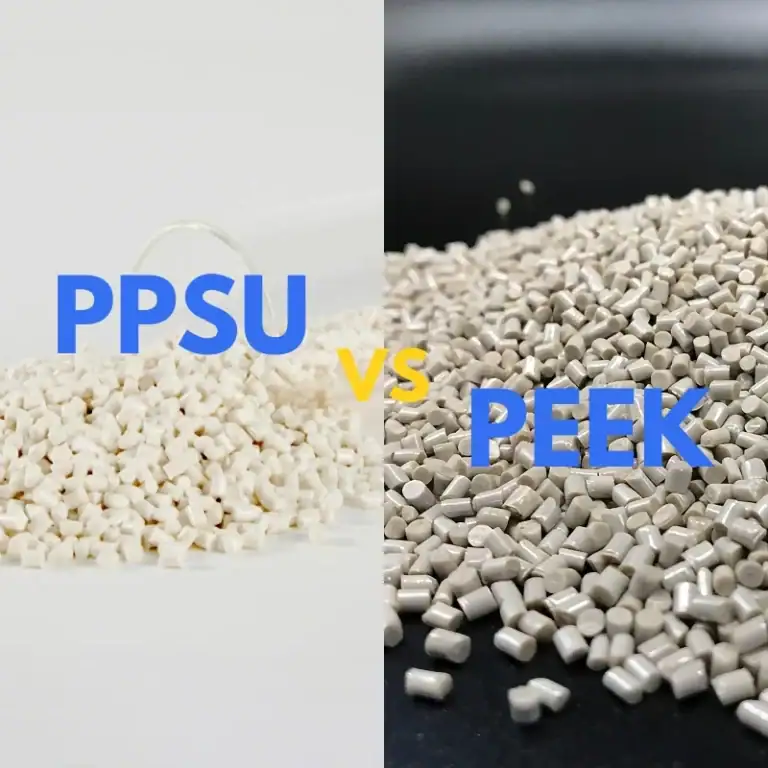
PPSU vs PEEK is a common material selection question when engineers need high-performance plastic parts for medical, industrial, aerospace, food equipment, and precision mechanical applications. Both materials offer better heat
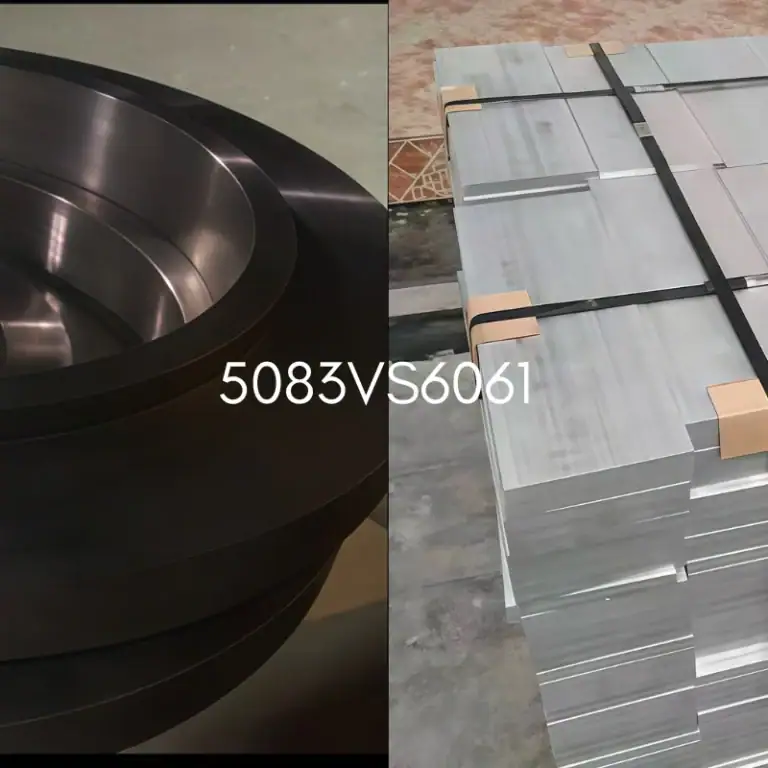
Aluminum 5083 and 6061 are both widely used engineering aluminum alloys, but they are chosen for different reasons. 5083 is often preferred for stronger corrosion resistance and welded marine or
Reaming vs boring is an important question in CNC machining when a part needs accurate holes, smooth internal surfaces, and reliable assembly fit. Both processes work on existing holes, but
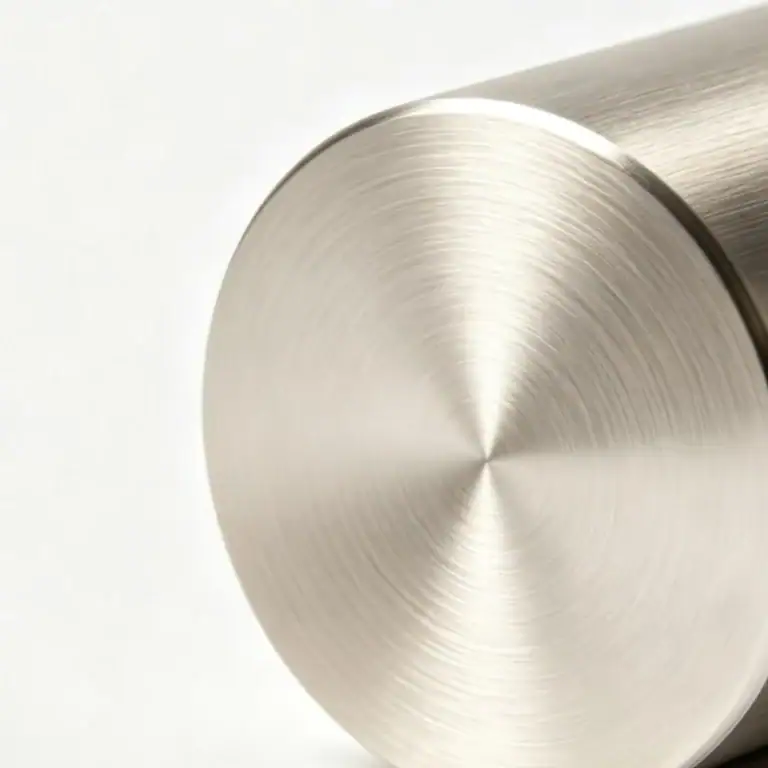
How to get brushed aluminum finish is a common question for people who want aluminum parts to have a clean, linear, and satin-like surface. A brushed aluminum finish can reduce
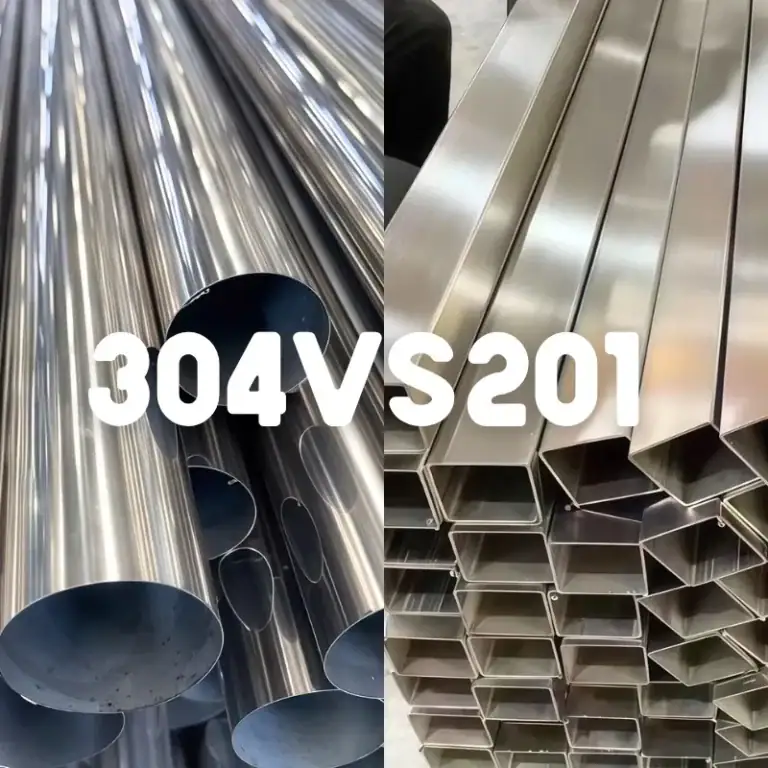
304 vs 201 are two common stainless steel grades, but they are not designed for the same level of performance. In simple terms, 201 is often chosen when cost matters
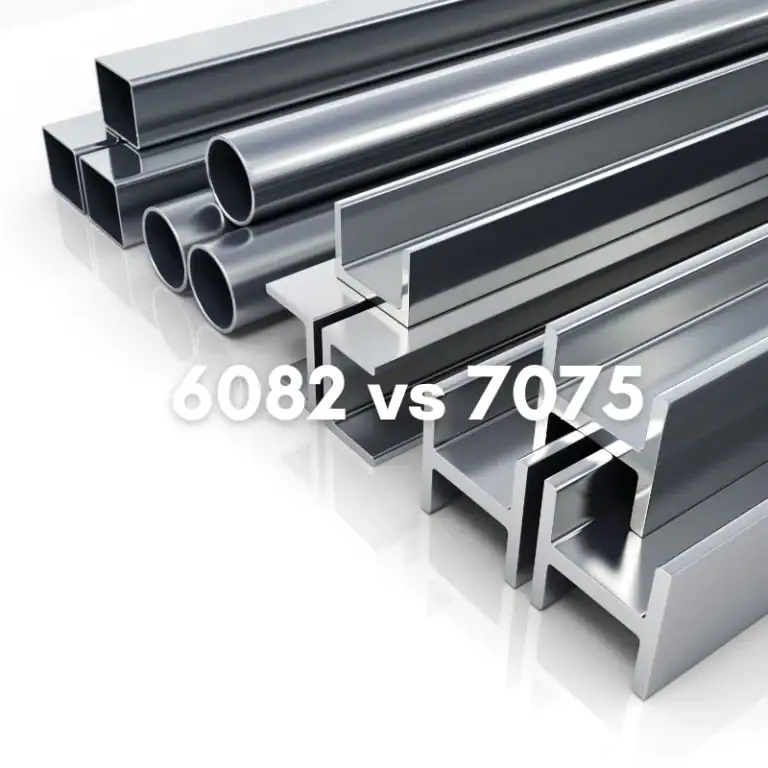
Aluminium 6082 and 7075 are both widely used engineering aluminium alloys, but they are not designed for the same type of project. 6082 is usually selected for structural parts that
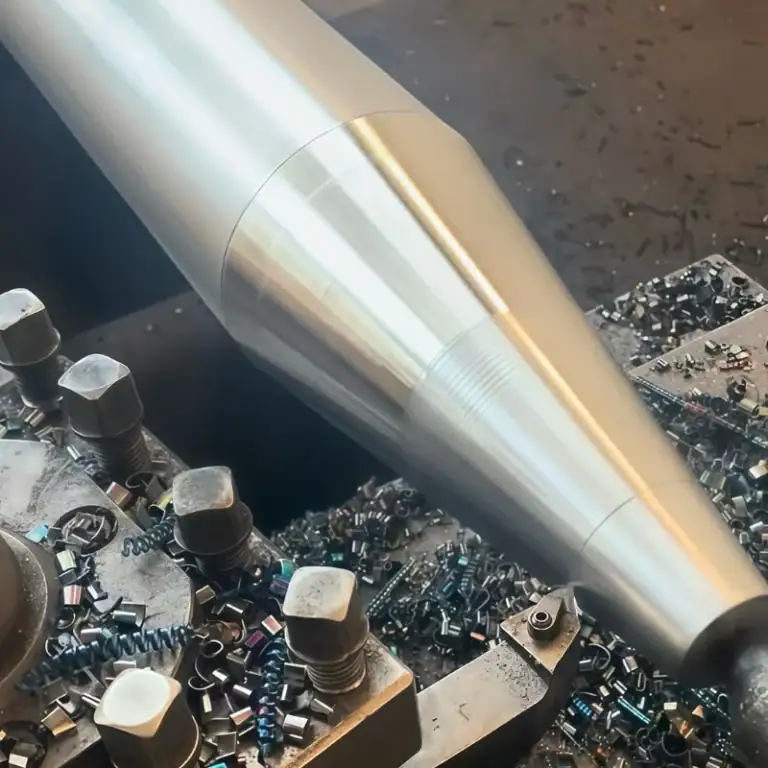
Taper turning is a CNC and lathe machining process used to create conical, angled, or gradually changing diameters on round parts. It is widely used for shafts, pins, tool holders,
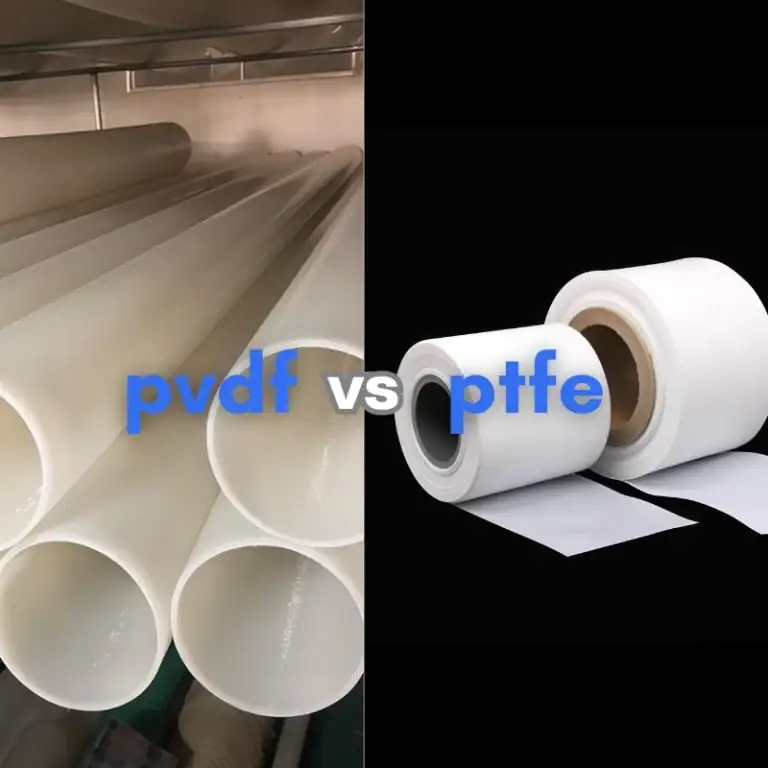
PVDF vs PTFE is an important material comparison for chemical processing, fluid handling, semiconductor, medical, and industrial plastic parts. PTFE is often used for extreme chemical resistance and low friction,
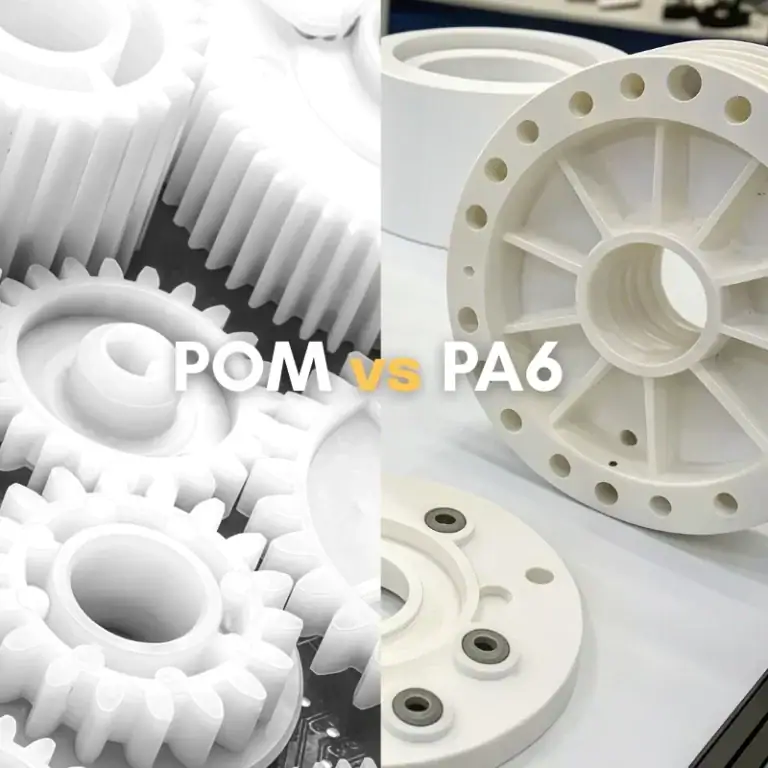
POM vs PA6 is a common engineering plastic comparison because both materials are widely used for gears, bushings, bearings, sliding parts, housings, and CNC machined components. POM is usually selected
Scroll to Top
Your 24 hour quote
Send us a message if you have any questions or request a quote. We will be back to you within 1-2 hours!