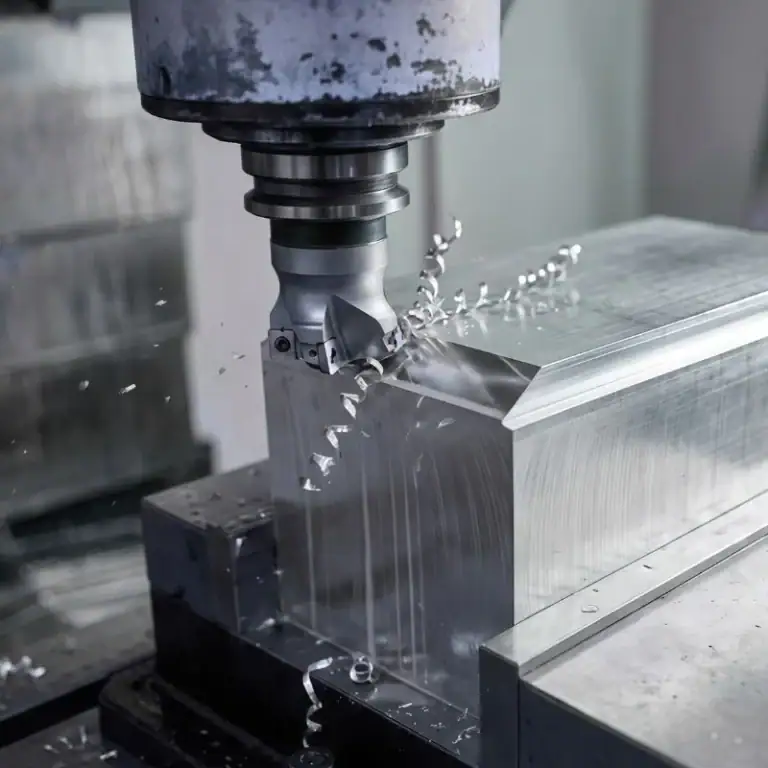
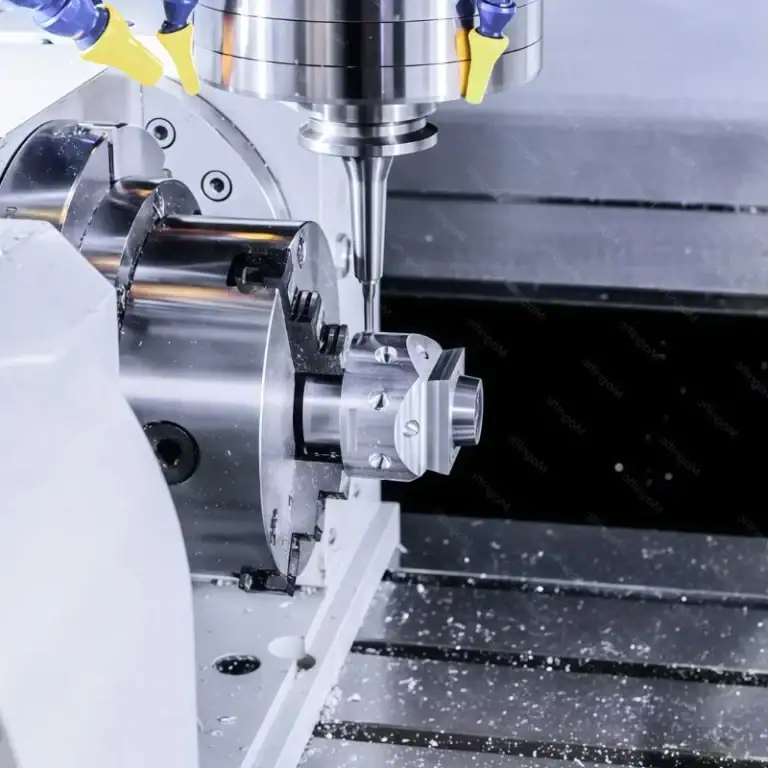
Aluminum 5052 vs 6061 is a common material comparison because both alloys are lightweight, corrosion-resistant, and widely used in manufacturing, but they are designed for different priorities. 5052 aluminum is better for corrosion resistance, bending, forming, and welding, while 6061 aluminum is better for strength, CNC machining, structural rigidity, and general-purpose mechanical parts.
This guide explains the main differences between 5052 and 6061 aluminum, including chemical composition, strength, corrosion resistance, machinability, weldability, heat treatment, cost, and typical applications.
What Is 5052 Aluminum?
5052 aluminum is a non-heat-treatable 5000 series aluminum alloy known for excellent corrosion resistance, strong formability, good weldability, and reliable fatigue performance. It uses magnesium as the main alloying element, which gives it better performance in marine, outdoor, and chemically exposed environments than many general-purpose aluminum alloys.
Main Alloying Elements Of 5052 Aluminum
The main alloying element of 5052 aluminum is magnesium, usually around 2.2–2.8%, with chromium also added in a smaller amount. This chemistry improves corrosion resistance and helps the material perform well in saltwater and outdoor environments.
Because 5052 has low copper content, it is less likely to suffer severe pitting corrosion in marine environments compared with some aluminum grades that contain more copper. This is one reason it is often preferred for marine and chemical-related applications.
The composition also explains its fabrication behavior. 5052 is easier to form and weld, but its softer and more elastic cutting behavior can make CNC machining less efficient than 6061.
Why 5052 Is Called A Marine-Grade Aluminum?
5052 is called a marine-grade aluminum because it has excellent resistance to saltwater corrosion and performs well in marine, coastal, and humid environments. Its magnesium-rich composition and low copper content help reduce corrosion risk in chloride exposure.
This does not mean 5052 is only used in boats or offshore structures. It is also used in outdoor cabinets, transportation panels, storage tanks, electrical enclosures, food equipment, and formed industrial parts.
For marine or outdoor CNC projects, 5052 can be a good choice if the part is mainly a sheet, panel, cover, or welded structure. If the same part also needs high structural strength or precise machined features, 6061 may need to be considered.
What Is 6061 Aluminum?
6061 aluminum is a heat-treatable 6000 series aluminum alloy known for balanced strength, good CNC machinability, good corrosion resistance, and broad industrial use. It uses magnesium and silicon as the main alloying elements, which allow it to be strengthened through heat treatment, especially in T6 temper.
Main Alloying Elements Of 6061 Aluminum
The main alloying elements of 6061 aluminum are magnesium and silicon, with smaller amounts of copper, chromium, iron, manganese, zinc, and titanium depending on the standard. The Mg-Si system allows 6061 to gain strength through precipitation hardening.
This composition gives 6061 a good balance between strength, machinability, corrosion resistance, and weldability. It is not the strongest aluminum alloy, but it is one of the most versatile for general engineering applications.
The small copper content helps improve strength, but it can make 6061 less resistant to severe saltwater corrosion than 5052. For normal indoor, outdoor, and industrial environments, 6061 usually performs well with proper finishing.
Why 6061 Is A Structural Aluminum Workhorse?
6061 is a structural aluminum workhorse because it provides a practical balance of strength, machinability, availability, surface finish, and cost. It is stronger than 5052 in common T6 vs H32 comparisons and easier to machine into precise features.
This makes 6061 suitable for brackets, plates, fixtures, housings, frames, robotic components, automotive parts, and aerospace-related parts where machining accuracy and mechanical performance matter.
For many CNC projects, 6061-T6 is often the first material engineers review because it is predictable, stable, and widely supported by machining suppliers. However, it is not always best for tight bending, deep forming, or heavy saltwater exposure.
Aluminum 5052 vs 6061 Quick Comparison Table
aluminum 5052 vs 6061 quick comparison shows that 5052 is the better fabrication and corrosion alloy, while 6061 is the better machining and strength alloy. Use this table as a fast engineering reference before final material confirmation.
| Requirement | Better Choice | Reason |
| Higher tensile strength | 6061 | Higher strength in common T6 condition |
| Higher yield strength | 6061 | Better resistance to permanent deformation |
| CNC milling | 6061 | Cleaner chips and better machining efficiency |
| Drilling and tapping | 6061 | Better edge stability and thread quality |
| Tight bending | 5052 | Better formability and lower cracking risk |
| Deep drawing | 5052 | Better ductility for sheet forming |
| Marine corrosion resistance | 5052 | Better saltwater and chloride resistance |
| Welding | 5052 | Better weldability and strength retention |
| Heat dissipation | 6061 | Higher thermal conductivity |
| Sheet metal enclosures | 5052 | Good bending, welding, and corrosion resistance |
| Structural brackets | 6061 | Higher strength and rigidity |
| General CNC aluminum parts | 6061 | Balanced strength, cost, and machinability |
Aluminum 5052 vs 6061 Chemical And Physical Properties
aluminum 5052 vs 6061 properties begin with chemical composition because alloying elements control strength, heat treatment response, corrosion resistance, forming behavior, and machining performance. 5052 is mainly an Al-Mg alloy, while 6061 is an Al-Mg-Si alloy.
Chemical Composition Comparison
5052 aluminum contains more magnesium, while 6061 aluminum contains magnesium and silicon for heat-treatable strength. This chemical difference is the foundation of almost every performance difference between the two materials.
| Element / Feature | 5052 Aluminum | 6061 Aluminum |
| Alloy Series | 5xxx Al-Mg | 6xxx Al-Mg-Si |
| Main Element | Magnesium | Magnesium + Silicon |
| Typical Mg Content | About 2.2–2.8% | About 0.8–1.2% |
| Typical Si Content | Low, often ≤0.25% | About 0.4–0.8% |
| Copper Content | Very low | Usually higher than 5052 |
| Strengthening Method | Work hardening | Heat treatment and aging |
| Main Result | Better corrosion resistance and formability | Better strength and machinability |
5052’s higher magnesium and lower copper support better marine corrosion resistance. 6061’s magnesium and silicon allow T6 heat treatment, which improves strength and hardness.
Density And Weight Comparison
5052 and 6061 have very similar density, so the weight difference is usually not a major selection factor. In most machined or formed parts, material choice should focus more on strength, corrosion resistance, machining, forming, and welding.
If two parts have the same geometry, changing from 5052 to 6061 will not create a major weight reduction. Both are lightweight compared with steel and are commonly used when weight saving matters.
For lightweight design, the bigger question is whether 6061 allows a thinner or smaller structure because of its higher strength, or whether 5052 provides better durability in corrosive environments.
Thermal And Electrical Conductivity
6061 aluminum generally has higher thermal conductivity than 5052, making it more suitable for heat dissipation parts when mechanical strength and CNC machining are also required. MetalsCut4U lists thermal conductivity values of 167W/m·K for 6061 and 138W/m·K for 5052.
This is one reason 6061 is often used for heat sinks, electronic housings, LED parts, cooling plates, and machined thermal components. It can combine heat transfer, structure, and machinability in one material.
5052 can still be used in electrical enclosures and panels, especially when corrosion resistance and sheet metal forming are more important than maximum heat transfer efficiency.
Surface Finish And Appearance
5052 and 6061 can both be finished, anodized, brushed, polished, painted, or powder coated, but their final appearance depends on alloy, temper, surface preparation, and process control. Both materials are suitable for many visible industrial components.
6061 is often preferred for CNC machined parts that require a clean anodized finish, precision surfaces, and consistent geometry. It cuts more cleanly and can produce better machined edges than 5052.
5052 is often selected for formed sheet metal products where smooth bends, corrosion resistance, and coating performance matter. For cosmetic parts, the best choice should be confirmed with surface finish samples.
Aluminum 5052 vs 6061 Mechanical Properties
aluminum 5052 vs 6061 mechanical properties differ most clearly in tensile strength, yield strength, hardness, fatigue strength, and deformation behavior. 6061-T6 is usually stronger and harder, while 5052-H32 is usually more formable and more fatigue-resistant.
Tensile Strength And Yield Strength
6061 aluminum generally has higher tensile strength and yield strength than 5052 aluminum in common temper comparisons. Aether lists 5052-H32 at 228MPa ultimate tensile strength and 193MPa yield strength, while 6061-T6 reaches 310MPa ultimate tensile strength and 276MPa yield strength.
| Mechanical Property | 5052-H32 | 6061-T6 | Practical Meaning |
| Ultimate Tensile Strength | About 228MPa | About 310MPa | 6061 resists higher tensile load before failure |
| Yield Strength | About 193MPa | About 276MPa | 6061 resists permanent deformation better |
| Typical Selection | Formed panels and welded parts | Structural machined parts | Choose based on process and load |
For load-bearing CNC components, 6061 usually provides better strength margin. For bent sheet parts, 5052 may still be better because it can form without cracking more easily.
Hardness And Wear Resistance
6061-T6 is usually harder than 5052-H32, so it resists indentation and mechanical deformation better under clamping, fastening, and structural load. Worthwill lists 6061-T6 at about 95HB and 5052-H32 at about 60HB.
Higher hardness helps 6061 perform better in machined brackets, threaded parts, fixture plates, supports, and parts that need better edge stability. It also helps during CNC machining because chips break more cleanly.
5052’s lower hardness supports forming and bending, but it can produce more burrs during machining. For parts with many drilled holes, threaded holes, or milled pockets, 6061 is normally more efficient.
Fatigue Performance
5052 aluminum can have better fatigue strength than 6061 in common comparisons, making it useful for panels or components exposed to vibration and cyclic loading. Aether and Worthwill both list 5052-H32 fatigue strength around 117–120MPa and 6061-T6 around 96–96.5MPa.
This does not mean 5052 is stronger in every design. It means 5052 may resist certain repeated low-amplitude stress cycles better, especially when the part is formed or used as a flexible panel.
For fatigue-critical CNC parts, material strength is only one factor. Surface finish, tool marks, radius design, sharp corners, hole edges, and stress concentration must also be controlled.
Elasticity And Deformation Behavior
5052 and 6061 have similar general aluminum stiffness, but they deform differently because of temper, yield strength, and ductility. 5052 is more forgiving during bending, while 6061-T6 is more rigid and resistant to permanent deformation under higher load.
For sheet metal fabrication, 5052 can often handle tighter bends without cracking. For structural machining, 6061 can better maintain shape under load because of its higher yield strength.
This difference affects part design. A thin formed cover may benefit from 5052, while a precision machined bracket with threaded holes may benefit from 6061.
Aluminum 5052 vs 6061 Corrosion Resistance
5052 aluminum generally has better corrosion resistance than 6061 aluminum, especially in saltwater, marine, coastal, and chemically exposed environments. 6061 still provides good general corrosion resistance, but it is not usually the first choice for long-term seawater exposure.
Marine And Seawater Environments
5052 is usually better than 6061 for marine and seawater environments because it resists saltwater corrosion more effectively. Worthwill reports lower natural seawater corrosion rates for 5052 than 6061 and describes stronger performance in salt spray and tidal conditions.
This makes 5052 useful for boat panels, marine enclosures, offshore structures, tank components, and coastal equipment. It is also a strong option for parts that need welding and corrosion resistance together.
6061 can still be used in marine-related applications with proper coating, anodizing, painting, or isolation from galvanic contact. However, for severe saltwater exposure, 5052 is usually safer.
Outdoor And Atmospheric Corrosion
Both 5052 and 6061 perform well in normal outdoor and atmospheric conditions, but 5052 usually has the advantage when moisture, salt spray, or industrial chemicals are present. 6061 is often acceptable for general outdoor frames, brackets, housings, and equipment parts.
For outdoor CNC machined parts, the surface treatment matters. Anodizing, powder coating, painting, passivation-like cleaning, and sealing can improve durability for both alloys.
If the environment is mild and strength is important, 6061 is usually a good choice. If the environment is harsh and corrosion resistance is the main concern, 5052 should be reviewed first.
Stress Corrosion Cracking Risk
5052 generally has low stress corrosion cracking risk because its magnesium level and chromium content help support corrosion resistance and stability. Worthwill rates 5052 highly for SCC resistance and describes 6061 as good but more sensitive because of its copper content.
Stress corrosion cracking is important when a part is exposed to tensile stress and a corrosive environment at the same time. This can happen in marine structures, tanks, outdoor assemblies, and chemical equipment.
For CNC parts in harsh environments, designers should avoid sharp corners, high residual stress, and poor surface finish. Good material choice and good machining design work together.
Which Alloy Is Better For Harsh Environments?
5052 is usually better for harsh environments where saltwater, moisture, chemical exposure, or corrosion resistance is the primary concern. 6061 is better when the environment is moderate and the part needs higher strength or better machinability.
For marine panels, formed enclosures, welded tanks, and coastal equipment, 5052 is often the more reliable choice. For machined brackets, frames, fixtures, and structural parts in normal environments, 6061 is often better.
The safest selection depends on both environment and load. If a part is exposed to saltwater and must carry high load, coating, design safety factor, and possible alternative alloys should also be reviewed.
Aluminum 5052 vs 6061 Machining And Fabrication
aluminum 5052 vs 6061 machining and fabrication differs because 6061 machines more cleanly, while 5052 forms and welds more easily. 6061 is better for CNC milling, turning, drilling, tapping, and precision features, while 5052 is better for bending, rolling, stamping, and welded sheet assemblies.
CNC Machinability
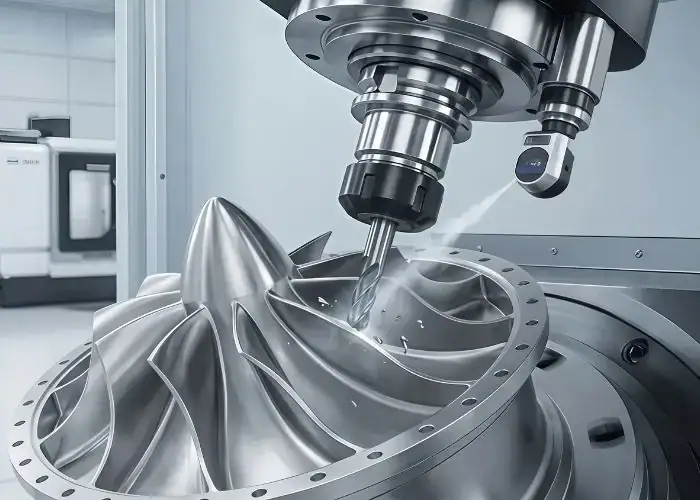
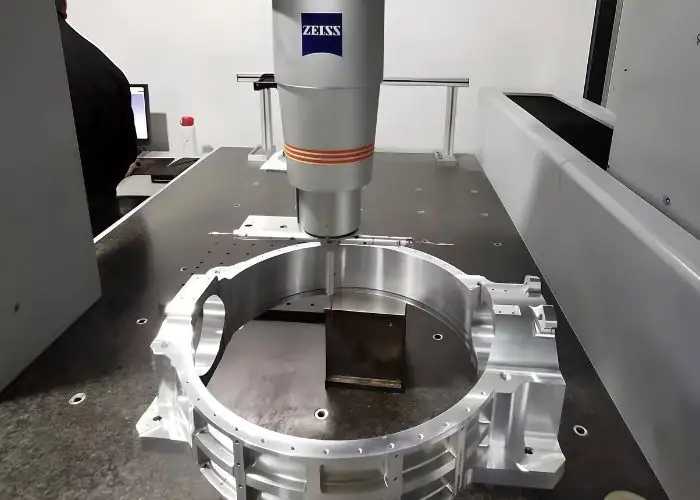
6061 aluminum has better CNC machinability than 5052 because it forms chips more cleanly, supports tighter features, and usually produces less gummy buildup during cutting. Aether describes 6061-T6 as strong for high-feed milling, drilling, pocketing, and precision features, while 5052 tends to be softer and more difficult to cut cleanly. For complex aluminum parts, 6061 also performs well in 5-axis CNC machining because it can maintain better dimensional stability, cleaner tool paths, and more consistent surface quality on curved surfaces, deep pockets, impellers, brackets, and multi-angle features.
5052 can still be machined, but it requires sharper tools, optimized feeds, strong chip evacuation, and careful burr control. It is not ideal for parts with many complex milled surfaces or close-tolerance threaded holes.
For TiRapid CNC machining projects, 6061 is usually the better choice when the part needs pockets, holes, threads, tight tolerances, and consistent machining efficiency.
Formability And Bending Performance
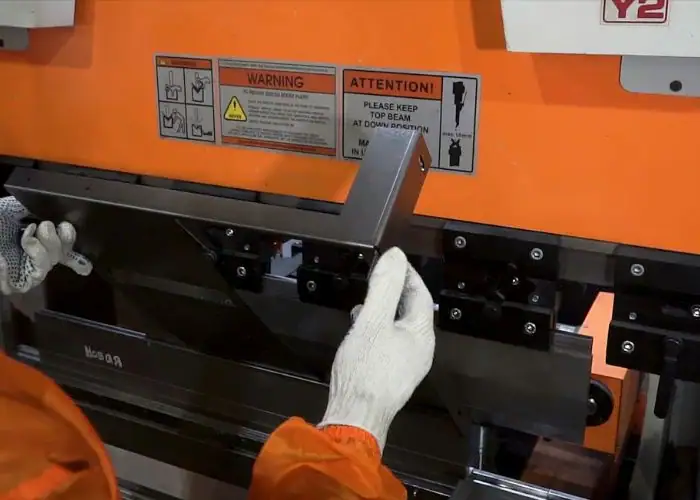
5052 aluminum has better formability and bending performance than 6061-T6. It can handle bending, stamping, rolling, and formed sheet metal designs with less cracking risk.
6061-T6 is stronger and harder, but that strength makes it less forgiving during tight bending. It may require larger bend radii, annealed temper, or post-forming heat treatment depending on the part design.
For sheet metal covers, bent panels, cabinets, and enclosures, 5052 is usually safer. For machined plates and brackets, 6061 is usually more efficient.
Deep Drawing And Sheet Metal Fabrication
5052 is better for deep drawing and sheet metal fabrication because it has stronger ductility and better forming stability. It is commonly used when a flat sheet must become a shaped panel, tank, enclosure, or formed cover.
Worthwill lists 5052 with excellent formability and a higher draw ratio than 6061, which supports its use in formed components.
6061 can be formed in softer tempers, but 6061-T6 is more likely to crack if the bend radius is too tight. This makes alloy and temper selection critical during early design.
Welding Performance
5052 aluminum generally has better welding performance than 6061, especially when the part must retain good strength after welding. 5052 is widely used for welded sheet structures, tanks, and enclosures, while 6061-T6 can lose strength in the heat-affected zone after welding.
6061 can be welded, but welding can reduce the T6 temper strength near the weld area. For critical structures, post-weld heat treatment, redesign, or additional inspection may be required.
If the design includes long welds, sealed tanks, formed enclosures, or welded sheet assemblies, 5052 is often the more practical option.
Heat Treatment Difference
5052 is non-heat-treatable, while 6061 is heat-treatable. This is one of the most important differences in aluminum alloy 5052 vs 6061 selection.
5052 gains strength through strain hardening, such as H32 or H34 temper. 6061 gains strength through solution heat treatment and artificial aging, such as T6 temper.
This affects production planning. 6061-T6 offers high strength for CNC parts, but welding or excessive heat can reduce its temper strength. 5052 does not rely on T6 strengthening, so it is often easier to use in welded sheet structures.
Finishing And Anodizing Options
5052 and 6061 both support common surface finishes such as anodizing, powder coating, painting, brushing, and polishing. The better choice depends on appearance requirements, corrosion exposure, and manufacturing method.
6061 is often preferred for anodized CNC machined parts because it machines well and can produce clean edges and consistent geometry. 5052 is often preferred for coated sheet metal parts that need corrosion resistance and formed geometry.
For visual components, finish samples are useful. Alloy, temper, grain direction, surface preparation, and anodizing process can all affect final color and texture.
Aluminum 5052 vs 6061 Cost And Availability
aluminum 5052 vs 6061 cost and availability depend on stock form, temper, supplier, region, and processing method. 6061 is often widely available in plates, bars, and extrusions for CNC machining, while 5052 is often common in sheet and plate forms for fabrication.
Material Price Difference
The material price difference between 5052 and 6061 can vary by market, thickness, temper, and supplier. In many projects, both are common aluminum alloys, but their stock form and process cost may influence final pricing more than raw material cost.
For a simple sheet metal panel, 5052 may be cost-effective because it forms well and reduces cracking risk. For a CNC machined block, 6061 may be more cost-effective because it machines faster and creates fewer burr problems.
This is why price should be evaluated with the manufacturing route. The cheaper material per kilogram may not produce the cheaper finished part.
Processing Cost Difference
Processing cost differs because 6061 is more efficient for CNC machining, while 5052 is more efficient for bending, forming, and welding. A part with pockets, tapped holes, and tight tolerances may cost less in 6061 even if the raw stock price is similar.
5052 can increase CNC cost because it may produce gummy chips, burrs, and surface tearing if not machined carefully. However, it can reduce cost in sheet metal fabrication because it bends and welds well.
The practical rule is simple: match the alloy to the process. Use 5052 for formed and welded sheet parts, use 6061 for machined structural parts.
Total Project Cost Considerations
Total project cost should include material price, cutting time, machine time, tooling wear, forming risk, welding distortion, finishing requirements, inspection, and part rejection risk.
For example, using 6061-T6 for a tight-radius bent enclosure may create cracking and rework. Using 5052 for a complex CNC machined bracket may increase burr removal and cycle time.
A good DFM review can reduce these risks before production. Material choice should be confirmed before drawings, tolerances, bend radii, and surface finishes are finalized.
Availability In Sheets, Plates, Bars, And Profiles
5052 is widely available in sheet and plate forms, while 6061 is widely available in plates, bars, rods, tubes, and extrusions. This affects whether the part should be fabricated from sheet or machined from stock.
For sheet metal parts, 5052 is often easy to source in practical thicknesses. For CNC machining, 6061 is often easier to source in billets, plates, and bars.
Before final selection, confirm stock size, temper, lead time, surface condition, and certificate requirements. Availability can strongly affect delivery time and cost.
Best Uses Of 5052 Aluminum
5052 aluminum is best used for parts that need corrosion resistance, bending, forming, welding, and fatigue resistance more than maximum CNC machinability. It is especially strong in marine, outdoor, enclosure, tank, and sheet metal applications.
Marine Components
5052 aluminum is a strong choice for marine components because it resists saltwater corrosion better than 6061 in harsh conditions. It is often used for boat panels, marine covers, offshore equipment, tanks, and coastal structures.
Its corrosion resistance helps reduce long-term pitting and surface degradation. This is important when parts are exposed to salt spray, humidity, or wet service conditions.
For machined marine parts that also require high strength, engineers may still review 6061 with coatings or other aluminum grades. The final decision should match load, corrosion exposure, and manufacturing method.
Electronic Enclosures
5052 aluminum is often used for electronic enclosures because it bends well, welds well, and provides good corrosion resistance. It is suitable for cabinets, covers, control boxes, outdoor housings, and sheet metal equipment panels.
For enclosures, forming performance is often more important than tensile strength. A material that bends cleanly can reduce cracking, rework, and cosmetic defects.
If the enclosure also requires heavy CNC machining, threaded bosses, or high structural stiffness, 6061 may be used for machined inserts, frames, or support plates.
Food Processing Equipment
5052 aluminum can be used for food processing equipment when corrosion resistance, cleanability, and formed sheet structures are important. It is commonly considered for panels, covers, trays, and welded or formed components.
The material’s resistance to moisture helps in washdown or humid environments. However, final suitability depends on food-contact regulations, coating, cleaning chemicals, and customer specifications.
For food equipment parts that require higher structural load or precision machining, 6061 may also be considered with the right surface treatment.
Automotive Sheet Metal Parts
5052 aluminum is suitable for automotive sheet metal parts that need formability, corrosion resistance, and fatigue performance. It can be used for panels, shields, covers, brackets, and lightweight formed components.
In vehicle applications, vibration and cyclic loading can be important. 5052’s fatigue performance can be useful for parts that are not the main structural frame but still face repeated motion or vibration.
For machined automotive brackets, suspension-related parts, and high-load structures, 6061 may be better because it provides higher yield strength and better CNC machining performance.
Formed And Welded Components
5052 aluminum is best for formed and welded components because it can bend and weld more reliably than 6061-T6. It is commonly used for tanks, cabinets, covers, panels, and fabricated sheet assemblies.
This advantage reduces cracking risk during bending and helps maintain practical weld performance. It also supports designs with complex sheet metal geometry.
For welded parts, always check filler material, joint design, distortion risk, and post-weld finishing. Good fabrication planning is still necessary even with a weld-friendly alloy.
Best Uses Of 6061 Aluminum
6061 aluminum is best used for CNC machined parts, structural frames, brackets, fixtures, housings, and components that need higher strength and good dimensional stability. It is one of the most widely used aluminum alloys for precision manufacturing.
CNC Machined Parts
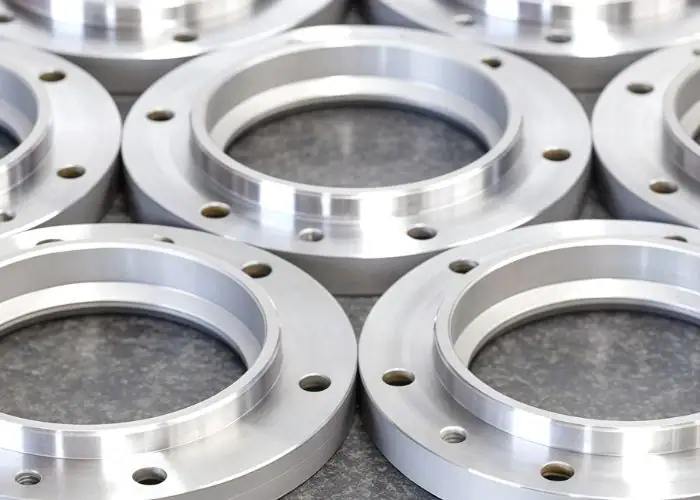
6061 aluminum is one of the best general-purpose aluminum choices for CNC machined parts. It cuts cleanly, holds tolerances well, and supports detailed features such as holes, threads, slots, and pockets.
Compared with 5052, 6061 usually reduces burr problems and machining instability. This can improve surface finish, cycle time, and inspection consistency.
For prototypes and low-volume production, 6061 is often selected because it is predictable and widely available. It is a strong starting point for custom aluminum CNC components.
Structural Frames And Brackets
6061 aluminum is suitable for structural frames and brackets because it provides higher yield strength and better rigidity than 5052-H32 in common comparisons. This helps parts resist bending, deformation, and assembly load.
It is commonly used for machine frames, mounting plates, support brackets, equipment structures, and automation components. Its strength makes it practical for parts that must remain stable under bolts, clamps, or mechanical loads.
For welded structural frames, the heat-affected zone should be reviewed because welding can reduce T6 strength. In some cases, bolted or machined assemblies may be preferred.
Aerospace And Automotive Components
6061 aluminum is used in aerospace and automotive components because it provides a strong balance of lightweight performance, strength, machinability, and availability. It is not as strong as 7075, but it is easier to source, machine, and finish for many projects.
Common uses include brackets, housings, plates, fixtures, covers, and non-critical structural parts. It supports lightweight design while keeping CNC machining practical.
For critical aerospace parts, material certificates, grade standards, inspection plans, and engineering approval are essential. Alloy choice should never rely on name alone.
Medical And Industrial Equipment
6061 aluminum is suitable for medical and industrial equipment because it offers good machinability, strength, corrosion resistance, and surface finishing options. It can be used for housings, brackets, fixtures, instrument parts, and equipment frames.
Medical and industrial parts often require tight tolerances, clean finishes, and repeatable assembly. 6061 supports these requirements better than 5052 when machining is the main process.
Surface finishing such as anodizing, bead blasting, or coating may be added depending on cleaning, appearance, and wear requirements.
Precision Fixtures And Custom Metal Parts
6061 aluminum is ideal for precision fixtures and custom metal parts because it balances strength, machining stability, and cost. It is commonly used for jigs, fixtures, test plates, mounting blocks, and prototype components.
Its higher hardness and better machinability help produce accurate holes, threads, flatness, and milled surfaces. This is important for assemblies that depend on repeatable fit.
If a fixture will be exposed to moisture, chemicals, or salt air, coating or anodizing should be considered. For extreme corrosion environments, 5052 or another material may be better.
How To Choose Between 5052 And 6061 Aluminum?
The choice between 5052 and 6061 aluminum should be based on the part’s main function, manufacturing process, and working environment. 5052 is more suitable for bending, welding, forming, and corrosion-resistant applications, while 6061 is better for CNC machining, higher strength, dimensional stability, and structural performance.

A good selection process does not ask only which alloy is stronger. It asks what the part must do, how it will be manufactured, what environment it will face, and which risk is more expensive: corrosion, cracking, deformation, machining cost, or failure.
Choose Based On Strength Requirements
Choose based on strength requirements by selecting 6061 when the part must resist higher load and permanent deformation, and selecting 5052 when moderate strength with better forming or corrosion resistance is enough.
In aluminum 5052 vs 6061 strength comparisons, 6061-T6 usually has higher yield and tensile strength than 5052-H32. This makes it better for brackets, frames, fixtures, and machined structural parts.
However, for flexible panels or vibration-exposed formed parts, 5052 may still be more suitable because of its fatigue and forming behavior.
Choose Based On Corrosion Environment
Choose based on corrosion environment by selecting 5052 for saltwater, marine, coastal, and chemically exposed conditions, and selecting 6061 for normal indoor, outdoor, and general industrial environments.
5052’s corrosion advantage becomes most important when the part is exposed to chloride, salt spray, or wet environments. 6061 can still work with coatings, but it is not always the safest untreated choice for harsh marine exposure.
If the part is both highly loaded and exposed to harsh corrosion, review surface treatment, safety factor, and possible alternative alloys before production.
Choose Based On Machining Or Forming Process
Choose based on machining or forming process by selecting 6061 for CNC machining and selecting 5052 for bending, forming, rolling, stamping, and welded sheet fabrication.
6061 is better for milled pockets, drilled holes, tapped threads, tight tolerances, and machined edges. 5052 is better for formed enclosures, panels, tanks, and sheet metal products.
This process-first approach helps reduce cost and rework. Many material selection mistakes happen when buyers choose based on strength only and ignore how the part will actually be made.
Choose Based On Welding Requirements
Choose based on welding requirements by selecting 5052 for extensive welding and selecting 6061 only when weld design and post-weld strength loss are acceptable. 5052 is commonly preferred for welded sheet structures, tanks, and enclosures.
6061 is weldable, but welding can reduce strength near the heat-affected zone in T6 temper. This matters for structural parts that must retain high strength after welding.
For critical welded assemblies, confirm filler metal, joint design, distortion control, inspection method, and whether post-weld heat treatment is needed.
Choose Based On Cost And Production Volume
Choose based on cost and production volume by comparing the total finished part cost, not just the raw material price. The best alloy is the one that reduces machining time, forming defects, scrap, finishing problems, and performance risk.
For large formed sheet metal batches, 5052 may reduce bending cracks and welding issues. For CNC machined parts, 6061 may reduce cycle time and post-processing cost.
The most cost-effective choice is usually the material that matches both the design requirement and the production route.
FAQs
Is 6061 Better Than 5052?
6061 is better than 5052 when the part needs higher strength, CNC machining stability, and structural performance. In common temper comparison, 6061-T6 has about 310MPa tensile strength and 276MPa yield strength, while 5052-H32 has about 228MPa tensile strength and 193MPa yield strength. However, 5052 is better for bending, welding, fatigue resistance, and marine corrosion resistance. For machined brackets and fixtures, choose 6061; for formed panels and enclosures, choose 5052.
Can 5052 Aluminum Be Welded To 6061?
5052 aluminum can be welded to 6061 aluminum, but the welding process must control filler selection, heat input, distortion, and post-weld strength loss. 6061-T6 can lose strength in the heat-affected zone after welding, while 5052 usually retains better weld performance. Common filler metals include 5356 or 4043, depending on strength, corrosion resistance, and finishing needs. For structural parts, welding design, joint geometry, and inspection should be reviewed before production.
What Is 5052 Aluminum Used For?
5052 aluminum is used for parts that need corrosion resistance, bending, forming, welding, and fatigue performance. Common applications include marine panels, fuel tanks, electronic enclosures, control cabinets, food processing equipment, vehicle panels, pressure vessels, formed covers, and sheet metal parts. 5052-H32 typically offers about 228MPa tensile strength and good bendability, making it suitable for formed structures. It is less ideal for complex CNC machining than 6061, but it performs well in harsh or wet environments.
Does Aluminum 5052 Rust?
Aluminum 5052 does not rust like steel because it contains no iron-based structure that forms red iron oxide. Instead, it naturally forms a thin aluminum oxide layer that helps protect the surface from corrosion. 5052 has excellent corrosion resistance, especially in marine, coastal, and humid environments, because of its magnesium-rich composition and low copper content. However, it can still suffer pitting, galvanic corrosion, or surface staining if exposed to harsh chemicals or incompatible metals.
Conclusion
5052 and 6061 aluminum are both useful engineering alloys, but they are not interchangeable in every project. 5052 is better for corrosion resistance, bending, forming, welding, fatigue performance, and sheet metal fabrication. 6061 is better for higher strength, CNC machining, threaded features, structural brackets, fixtures, housings, and precision aluminum components. The right choice depends on strength, corrosion environment, manufacturing process, surface finish, cost, and final application.
At TiRapid, we provide precision CNC machining and manufacturing services for custom aluminum parts across multiple industries. If you are comparing aluminum 5052 vs 6061 for a machined part, sheet metal component, enclosure, bracket, fixture, or prototype, our team can support material selection, DFM review, CNC machining, surface finishing, tolerance control, and reliable low-volume production.