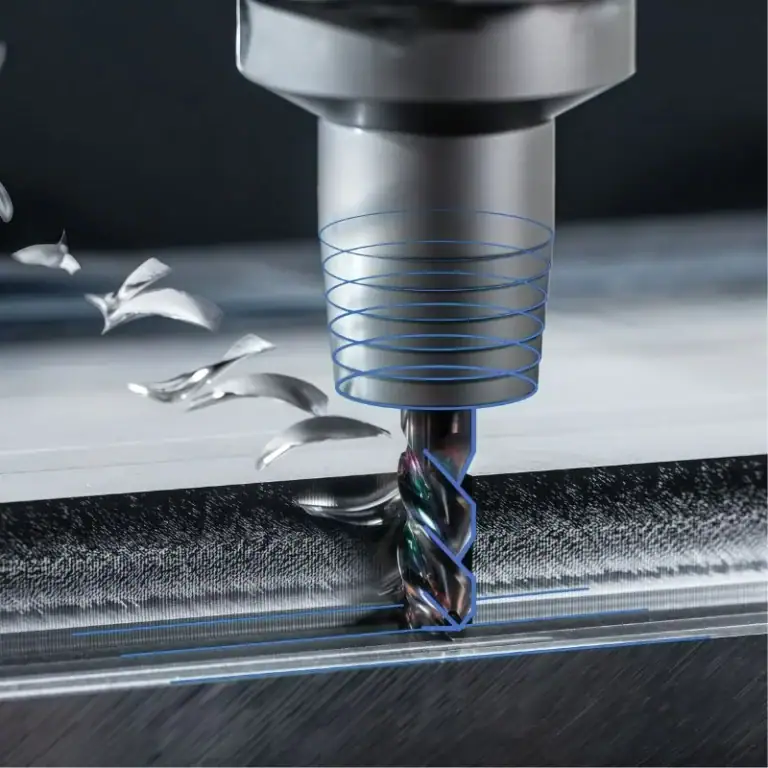
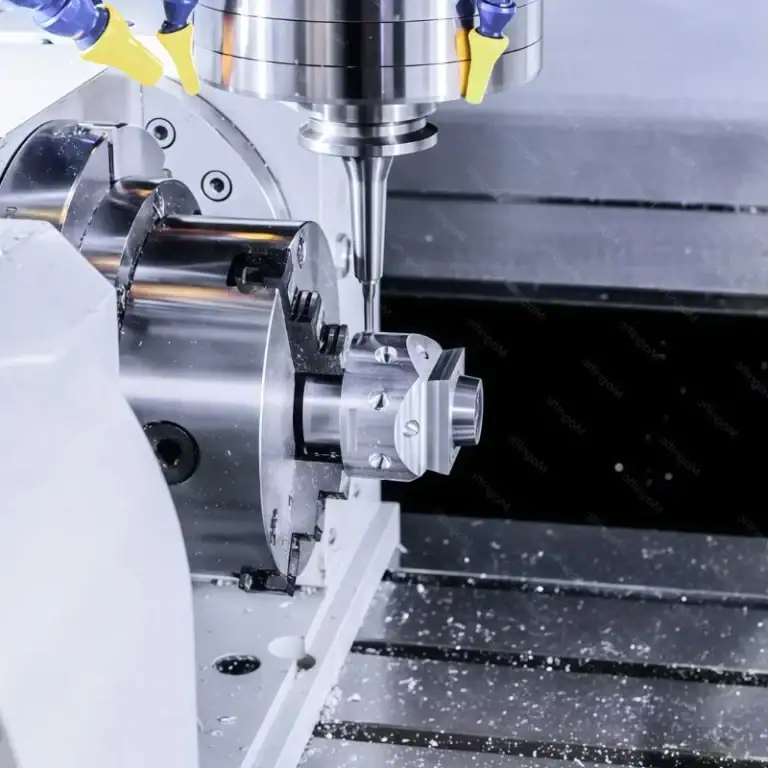
With the continuous development of drone technology, drones are now widely used in aerial photography, agricultural inspection, industrial monitoring, logistics transportation, surveying, and other fields. Compared with traditional mechanical components, drone parts need to meet requirements for lightweight design, high strength, stability, and precise assembly. Many customers have questions when customizing drone components: Why are drone parts more difficult to machine? Can conventional machining methods meet these requirements? Since drone components often feature complex surfaces, thin-wall structures, and high-precision mounting positions, problems such as dimensional deviations, material deformation, and poor surface quality may occur during manufacturing. Through proper process planning, advanced CNC equipment, and strict inspection procedures, manufacturers can achieve stable and reliable precision machining results for drone parts.
Why Do Drone Parts Require High-Precision Machining?
Although drones are usually compact in size, their internal components perform important functions such as structural support, connection, and power transmission. Especially for industrial and professional drones, component weight control, structural strength, and assembly accuracy directly affect flight stability and operational reliability. Therefore, drone part manufacturing requires not only accurate dimensions but also excellent consistency and durability. Precision machining technology helps manufacturers solve challenges related to complex structures, small components, and high-performance materials.
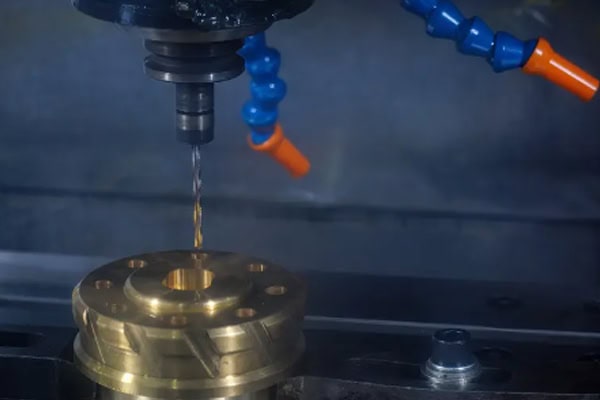
Complex Part Structures Increase Machining Difficulty
Drone components include frames, motor mounts, connectors, and support structures. Many of these parts feature complex curves, irregular geometries, and precision mounting holes, making them more difficult to manufacture than standard mechanical parts.
- Complex curved components often require multi-axis CNC machining to achieve accurate dimensions in different areas.
- Small connection parts have strict requirements for hole positions and assembly clearances, where even minor errors may affect installation.
- Thin-wall components are easily affected by cutting forces and require optimized tool paths to reduce deformation risks.
Complex designs increase the requirements for drone part manufacturing, making professional precision machining solutions essential for achieving high-quality results.
Lightweight Materials Create Additional Machining Challenges
To improve flight time and performance, drones commonly use lightweight materials such as aluminum alloys, carbon fiber composites, and engineering plastics. Although these materials provide significant advantages, they also create different machining challenges.
- Aluminum alloys are lightweight and easy to machine, but cutting parameters must be controlled to prevent burr formation.
- Carbon fiber offers high strength but may experience delamination and edge damage during machining.
- Engineering plastics are sensitive to heat and require temperature control to prevent dimensional changes.
- High-performance materials often require specialized tools and machining processes to maintain stability.
Developing suitable machining strategies for different materials is essential for improving the quality of drone parts and achieving reliable precision machining results.
What Are the Main Challenges in Drone Part Machining?
Drone manufacturing requires not only accurate dimensions but also reliable performance during high-speed operation and complex working conditions. During actual machining processes, manufacturers often face challenges related to material properties, dimensional accuracy, surface finishing, and production consistency. Understanding these issues in advance helps companies select better machining solutions and improve manufacturing efficiency.
Difficulty in Controlling Dimensional Accuracy
Many drone components require strict tolerance control, especially motor mounts, connection structures, and support parts. Dimensional errors can directly affect assembly performance.
- Insufficient machine accuracy may prevent parts from meeting design specifications.
- Tool wear can gradually change machining dimensions and reduce batch consistency.
- Temperature changes may cause material expansion or contraction, creating measurement and machining errors.
- Machining vibration can reduce final part accuracy.
Using high-precision CNC equipment, stable machining parameters, and real-time inspection methods can effectively improve dimensional control for drone parts.
Significant Differences in Material Machining Performance
Drone components involve various materials, and each material behaves differently during machining. Different manufacturing strategies are required to achieve the best results.
- Aluminum alloys require controlled cutting speeds to maintain surface quality.
- Titanium alloys have high strength but can accelerate tool wear during machining.
- Composite materials require careful processing to prevent fiber damage and maintain structural performance.
The relationship between material selection and machining methods is critical. Proper process matching reduces manufacturing risks and improves precision machining efficiency.
High Surface Quality Requirements
Drone components must not only meet dimensional requirements but also achieve excellent surface quality, which affects assembly accuracy and service life. This is especially important for high-speed moving components.
- Remaining burrs may affect part installation and assembly processes.
- Machining vibration can create visible tool marks on surfaces.
- Improper parameter settings may reduce surface consistency.
Optimizing tool selection and machining processes improves surface quality and enhances the overall performance of drone components.
How to Improve Drone Part Precision Machining Quality?
Producing high-quality drone parts requires more than standard machining equipment. Manufacturers need to control multiple stages, including design analysis, equipment selection, production processes, and quality inspection. Proper planning before manufacturing can reduce machining errors and improve production efficiency and stability.
Select Suitable CNC Machining Equipment
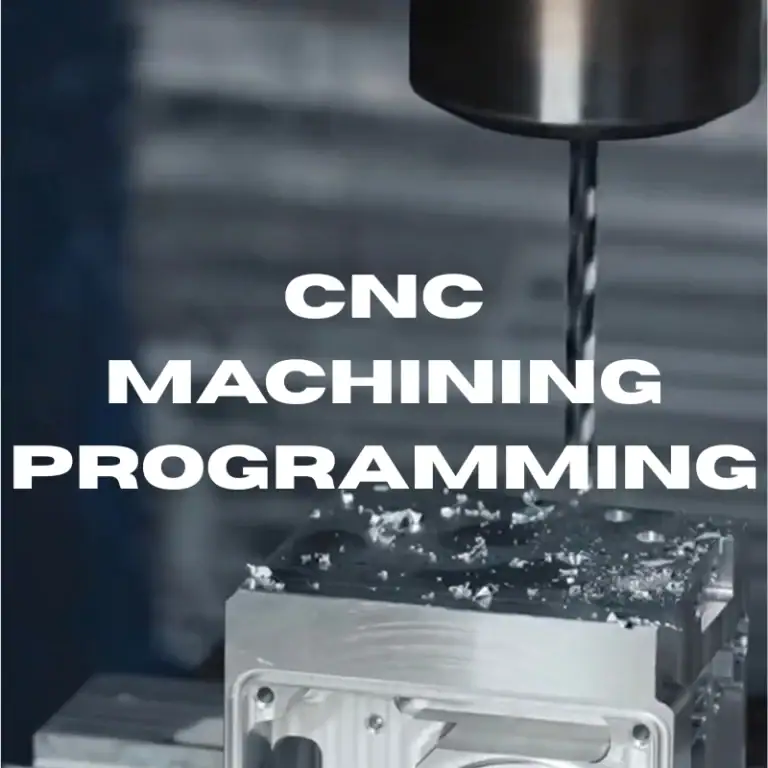
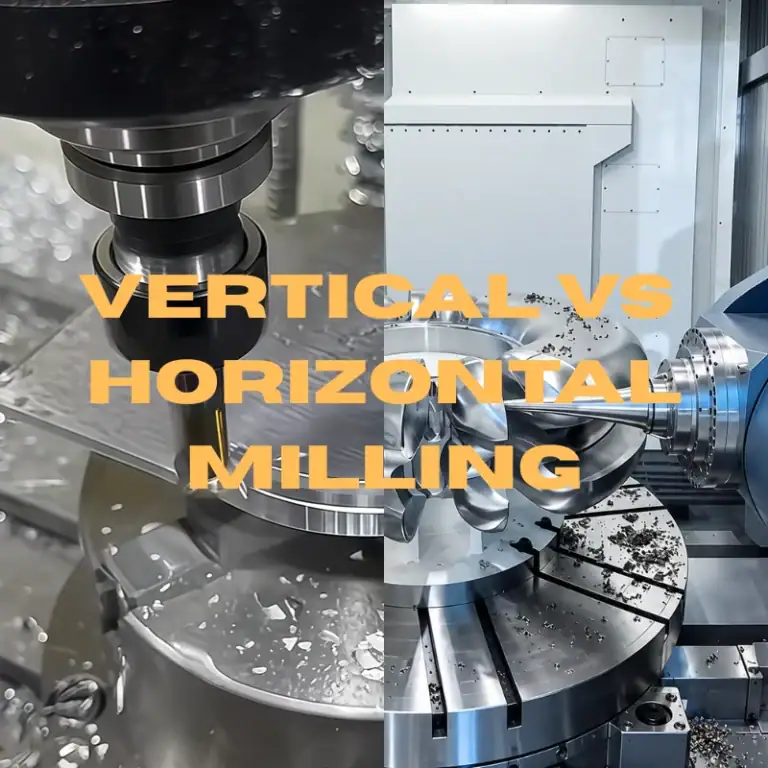
Equipment performance directly affects drone part machining accuracy. For complex structures and high-precision requirements, CNC machining centers with strong stability are commonly used.
- Multi-axis CNC machines can process complex surfaces and irregular geometries.
- High-rigidity machines help reduce vibration during machining.
- Automated equipment improves production efficiency and consistency.
Advanced CNC equipment helps manufacturers improve production capabilities and meet the strict precision machining requirements of the drone industry.
Optimize Machining Processes
A well-designed machining process reduces deformation risks and improves final part quality. Before production, manufacturers need to consider materials, structures, and application requirements.
- Select appropriate machining sequences according to part structures to reduce machining stress.
- Optimize cutting parameters to improve process stability.
- Analyze difficult areas such as thin walls and deep holes in advance and prepare solutions.
- Continuously adjust processes according to production conditions to improve part consistency.
Scientific process planning reduces rework rates and improves the efficiency of drone part manufacturing.
Strengthen Quality Inspection Management
High-precision components require comprehensive inspection procedures. Accurate measurement helps identify machining issues and allows timely process adjustments.
- Use coordinate measuring machines (CMM) to inspect critical dimensions.
- Check part surface quality and structural integrity.
- Perform sampling inspections during batch production to ensure consistency.
Strict quality management helps maintain machining accuracy and improves customer confidence in precision machining projects.
Which Drone Parts Are Suitable for Precision Machining?
As drone applications continue expanding, different types of drones require higher-performance components. Whether for consumer drones or industrial drones, high-precision structural parts are essential for reliable operation. CNC precision machining can meet the requirements of complex designs, customized production, and high-performance component manufacturing.
Drone Structural Components
Structural parts provide overall support for drones and must achieve a balance between strength, weight, and stability.
- Aluminum alloy frames reduce overall weight while maintaining structural strength.
- Carbon fiber support components improve impact resistance.
- Precision connectors ensure accurate assembly between different components.
High-quality structural parts improve overall drone performance and ensure stable operation.
Motor Mounts and Functional Components
Motor mounts, brackets, and other functional components require high machining accuracy. Dimensional errors may affect the operation of the power system.
- Precise control of mounting holes improves motor stability.
- Complex interfaces can be machined to meet different equipment assembly requirements.
- Consistent production quality improves component reliability.
As the drone industry continues to grow, precision machining technology will play an increasingly important role in manufacturing critical components and providing reliable custom machining solutions.
Drone part machining involves multiple processes, including material selection, structural design, dimensional control, and quality inspection. The manufacturing difficulty is much higher than that of standard mechanical components. Through advanced CNC machining equipment, optimized process planning, and strict quality management, manufacturers can effectively solve issues such as dimensional errors, material deformation, and surface quality problems, achieving high-performance drone component manufacturing. Tirapid specializes in precision machining services, providing CNC machining solutions for drone parts to help customers achieve high-accuracy and reliable custom component production.