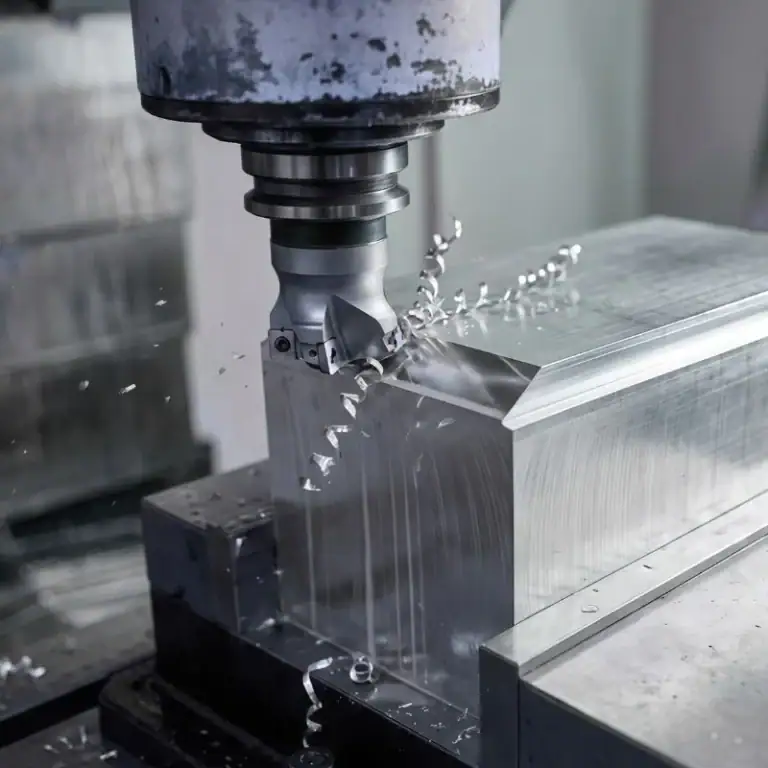
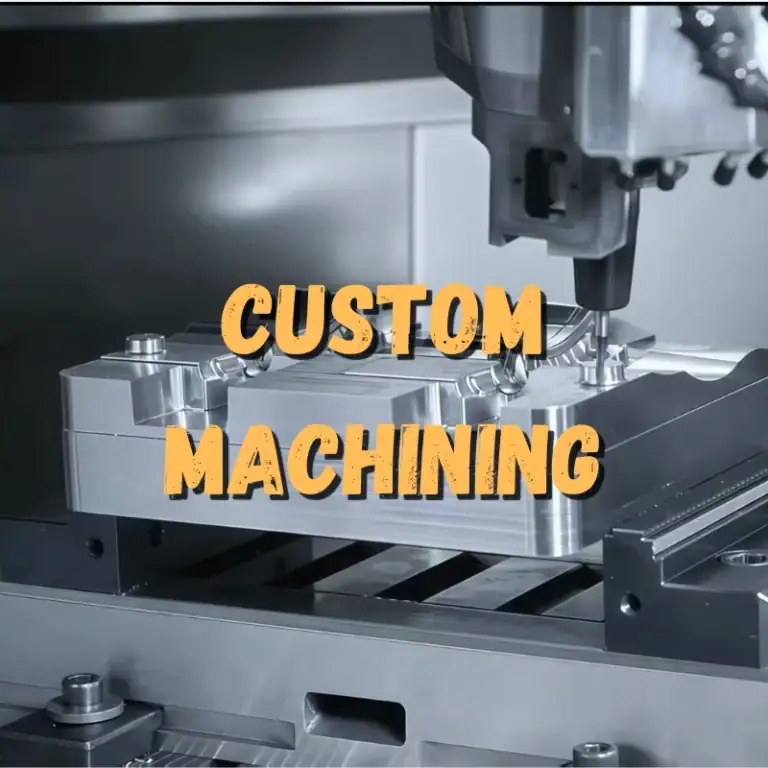
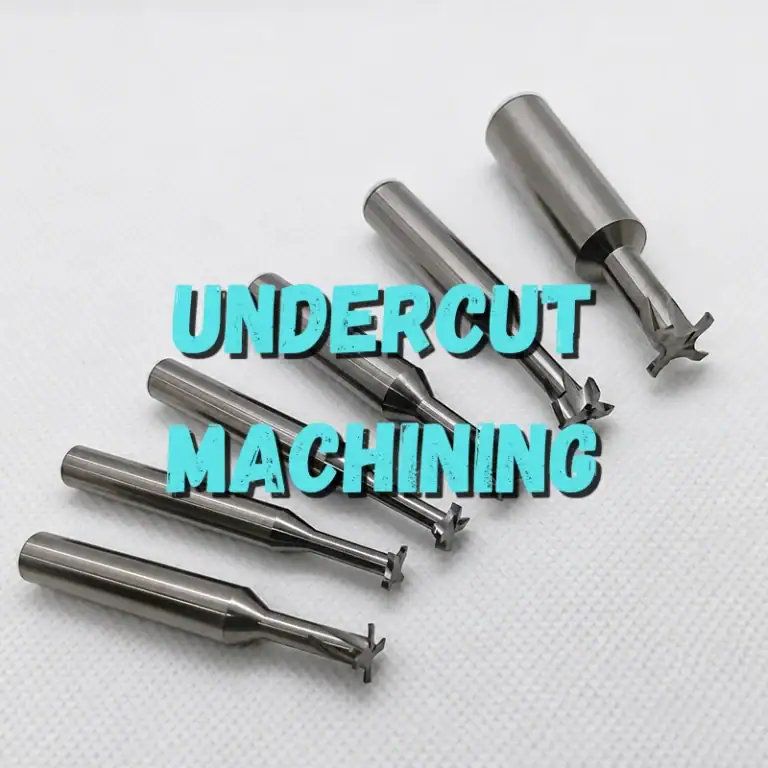
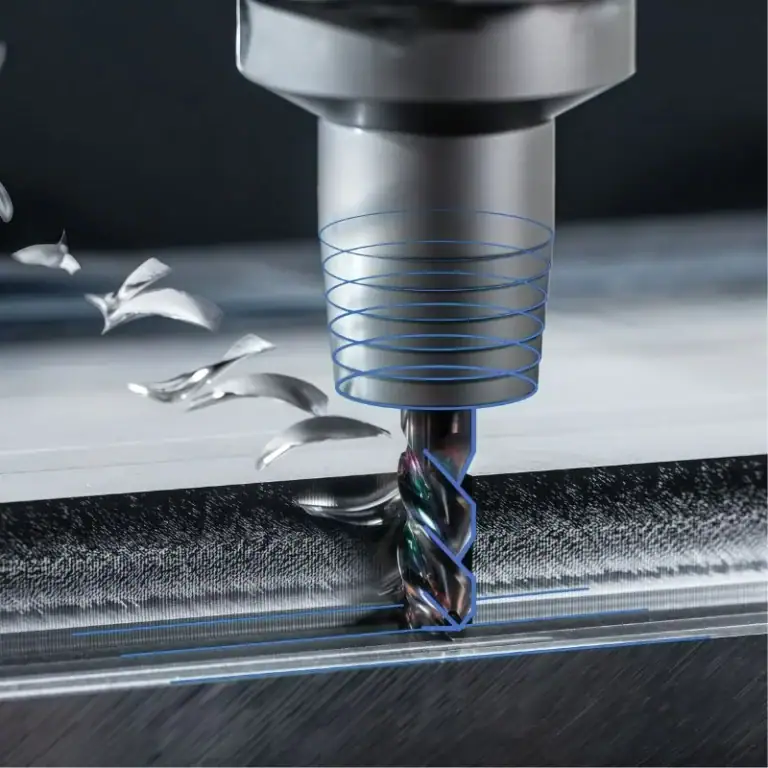
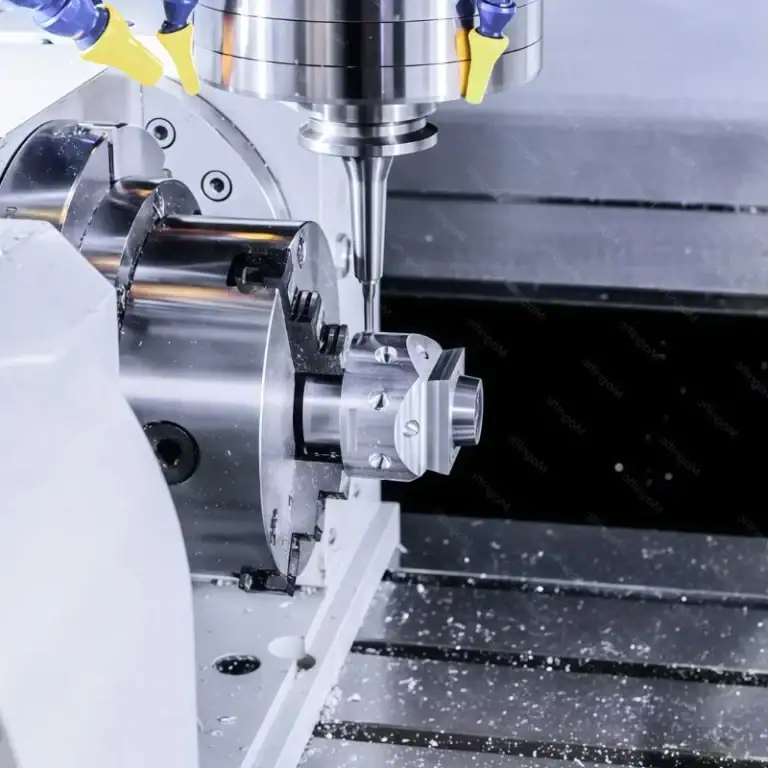
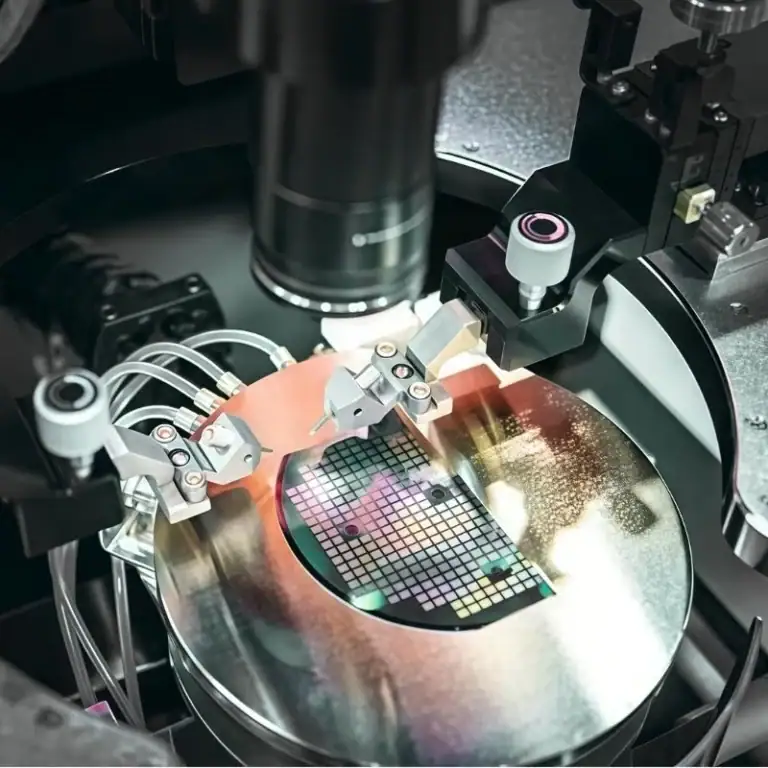
In aerospace, medical equipment, automotive manufacturing, and advanced industrial equipment industries, more and more components are manufactured using high-hardness materials. These materials offer excellent strength, wear resistance, and high-temperature performance, making them suitable for demanding working environments. However, for manufacturers, high-hardness materials also bring greater manufacturing challenges. Many customers focus on one question when customizing parts: Why are harder materials more difficult to machine? Can conventional CNC machining methods meet the required accuracy? In reality, high-hardness materials often cause problems such as rapid tool wear, machining efficiency reduction, dimensional control difficulties, and surface quality issues. To achieve stable precision machining results, manufacturers need to combine material characteristics, equipment performance, tool selection, and process optimization to ensure that final parts meet design requirements.
What Are the Main Reasons High-Hardness Materials Are Difficult to Machine?
The difficulty of machining high-hardness materials is closely related to their internal structure and physical properties. Compared with ordinary metal materials, these materials usually have higher hardness and strength, which creates greater resistance during cutting and places higher requirements on machining equipment and process control. Understanding the machining characteristics of these materials helps manufacturers select suitable production solutions and improve part quality.
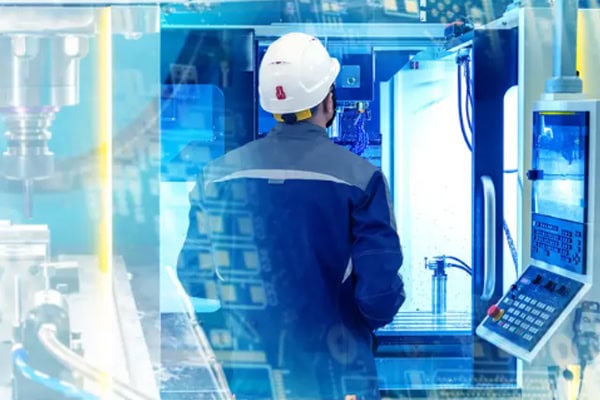
High Material Hardness Increases Cutting Resistance
High-hardness materials have a more stable internal structure and require greater cutting forces during machining. If machining parameters are not properly adjusted, processing stability can be affected.
- Higher material hardness increases friction between the cutting tool and workpiece, creating greater cutting loads during machining.
- Excessive cutting force may cause slight deformation of the part and affect final dimensional accuracy.
- Some high-strength materials are prone to work hardening, making subsequent machining operations more difficult.
During precision machining, cutting speed, feed rate, and machining paths need to be adjusted according to material hardness to reduce machining risks and improve production stability.
Faster Tool Wear During Machining
High-hardness materials require tools with excellent wear resistance. Standard cutting tools may experience rapid wear during long machining processes, which affects part quality.
- Tool edge wear can gradually cause machining dimensions to deviate from design requirements.
- Severe tool wear may increase surface roughness and reduce the performance of finished parts.
- Improper tool selection may shorten tool service life and reduce machining efficiency.
Selecting wear-resistant carbide tools, coated tools, or specialized cutting tools can improve machining stability when processing high-hardness materials.
Machining Heat Affects Dimensional Stability
High-hardness materials usually require greater cutting energy during machining, which generates more heat. Excessive heat can affect part dimensions and surface conditions.
- Heat accumulation during cutting may cause local thermal deformation.
- Temperature changes can affect measurement results and increase dimensional control difficulties.
- Long machining processes require effective heat control to prevent accuracy issues.
Using proper cooling methods and optimizing machining parameters can reduce thermal effects and improve precision machining quality.
What Are the Main Challenges in Precision Machining of High-Hardness Materials?
Machining high-hardness materials is not simply a material removal process. It requires comprehensive control of equipment, cutting tools, machining processes, and quality inspection. For high-precision components, any uncontrolled factor may affect the final product performance. Manufacturers need to analyze these challenges in advance and develop suitable machining solutions.
Lower Machining Efficiency
Due to the strong cutting resistance of high-hardness materials, machining speeds usually cannot be increased as much as with ordinary materials.
- Cutting speeds need to be reduced to maintain machining stability and protect tools.
- Complex structural parts require more machining steps to achieve accurate manufacturing results.
- Higher tool replacement frequency may reduce overall production efficiency.
By optimizing machining paths and process arrangements, manufacturers can improve efficiency while maintaining high-quality results.
Greater Difficulty in Dimensional Accuracy Control
High-end manufacturing industries have strict requirements for part dimensions. During high-hardness material machining, accuracy can be affected by vibration, heat, and tool conditions.
- Machining vibration may cause deviations in critical dimensions such as holes and precision surfaces.
- Changes in tool conditions can affect consistency during batch production.
- Internal material stress release may cause dimensional changes after machining.
Using high-precision CNC equipment and comprehensive inspection processes can effectively improve dimensional stability.
Higher Surface Quality Requirements
Many high-hardness material parts are used in critical equipment, where both dimensional accuracy and surface quality are extremely important.
- Improper machining parameters may create visible tool marks on the surface.
- Tool wear can reduce surface smoothness.
- Finishing processes require more stable machining methods.
Optimizing tool selection and machining parameters can improve surface quality and enhance overall part performance.
How to Improve High-Hardness Material Machining Quality?
Facing the challenges of high-hardness material machining, manufacturers need to optimize equipment, machining processes, and quality management systems. A suitable manufacturing strategy can reduce defects, improve production efficiency, and lower rework costs, ensuring that parts meet customer requirements for accuracy and reliability.
Choose Suitable CNC Equipment and Cutting Tools
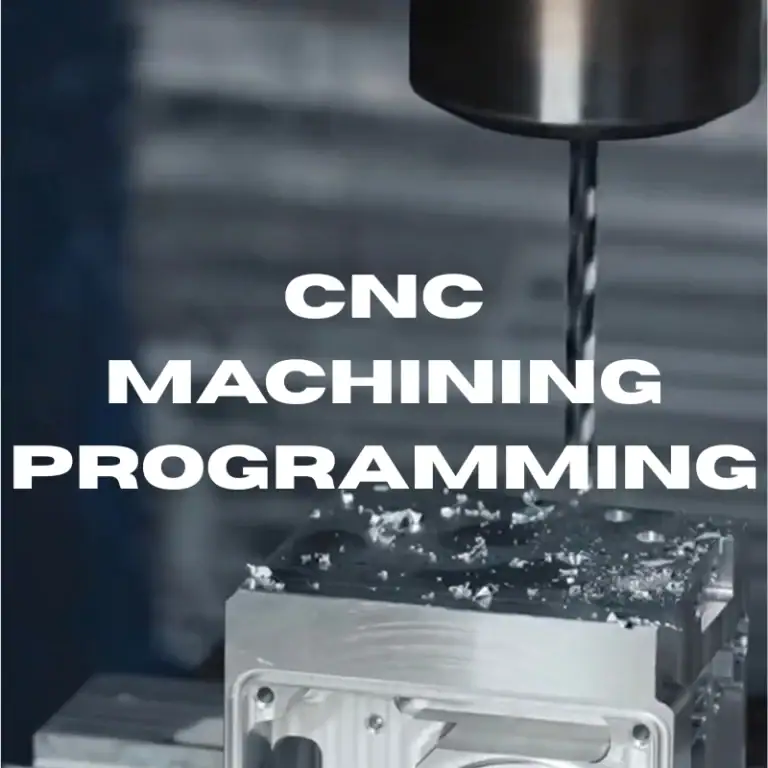
Machine rigidity and tool performance are important factors affecting high-hardness material machining quality. High-precision equipment reduces vibration, while suitable cutting tools improve machining stability.
- Use high-rigidity CNC machining centers to improve process stability.
- Select cutting tools with better wear resistance according to material characteristics.
- Apply professional tool coatings to extend tool service life.
- Regularly inspect tool conditions to prevent wear from affecting machining accuracy.
Proper equipment and tool selection provide an important foundation for achieving high-quality precision machining.
Optimize Machining Parameters and Processes
Different high-hardness materials have different machining characteristics. Production strategies need to be adjusted according to actual conditions.
- Control cutting speed properly to reduce tool wear.
- Optimize feed rate and cutting depth to improve machining stability.
- Adjust machining sequences according to part structures to reduce deformation risks.
Scientific process planning improves production efficiency while ensuring that finished parts meet design specifications.
Strengthen Inspection and Quality Management
High-hardness material components are often used in demanding industries, making quality inspection an essential part of manufacturing.
- Use coordinate measuring machines (CMM) to inspect critical dimensions.
- Monitor machining conditions in real time and adjust processes when necessary.
- Establish quality tracking systems to improve batch production consistency.
Strict quality control helps reduce manufacturing risks and improves the reliability of precision machining projects.
Which High-Hardness Materials Require Precision Machining?
As manufacturing industries continue to develop toward higher performance, high-hardness materials are being used in more applications. These materials are commonly used for critical components, requiring excellent machining accuracy, surface quality, and structural stability.
Titanium Alloy Machining
Titanium alloys feature high strength, low density, and excellent corrosion resistance, making them widely used in aerospace and medical industries.
- Used for aircraft structural components and high-performance connection parts.
- Suitable for manufacturing precision medical components.
- Requires temperature control during machining to reduce tool wear.
With proper machining strategies, titanium alloys can achieve high-quality precision machining results.
High-Temperature Alloy Machining
High-temperature alloys maintain stable performance under extreme conditions and are commonly used in aerospace engines and industrial equipment components.
- Suitable for applications requiring excellent heat resistance.
- Require high-performance cutting tools during machining.
- Have strict requirements for machining accuracy and surface quality.
With increasing demand for advanced manufacturing, high-temperature alloy machining technology is becoming increasingly important.
Carbide Material Machining
Carbide materials feature extremely high hardness and wear resistance and are commonly used for wear-resistant parts and special industrial components.
- Suitable for environments with long-term friction and wear.
- Require special cutting tools and machining methods.
- Have higher requirements for equipment stability.
Professional machining technologies help manufacturers overcome carbide processing challenges and achieve stable, reliable part production.
Although high-hardness materials provide excellent performance advantages, they also create challenges such as tool wear, reduced machining efficiency, and difficult dimensional control. By selecting suitable machining equipment, optimizing process parameters, and strengthening quality inspection, manufacturers can improve part accuracy and production stability. Tirapid specializes in precision machining services, providing CNC machining solutions for high-hardness materials and helping customers achieve high-precision, reliable custom part manufacturing.