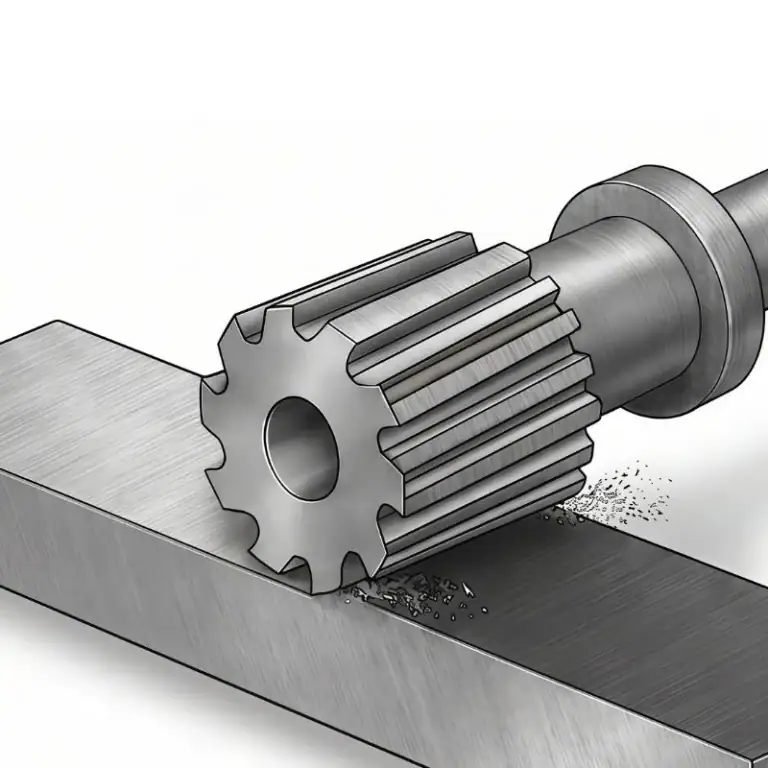
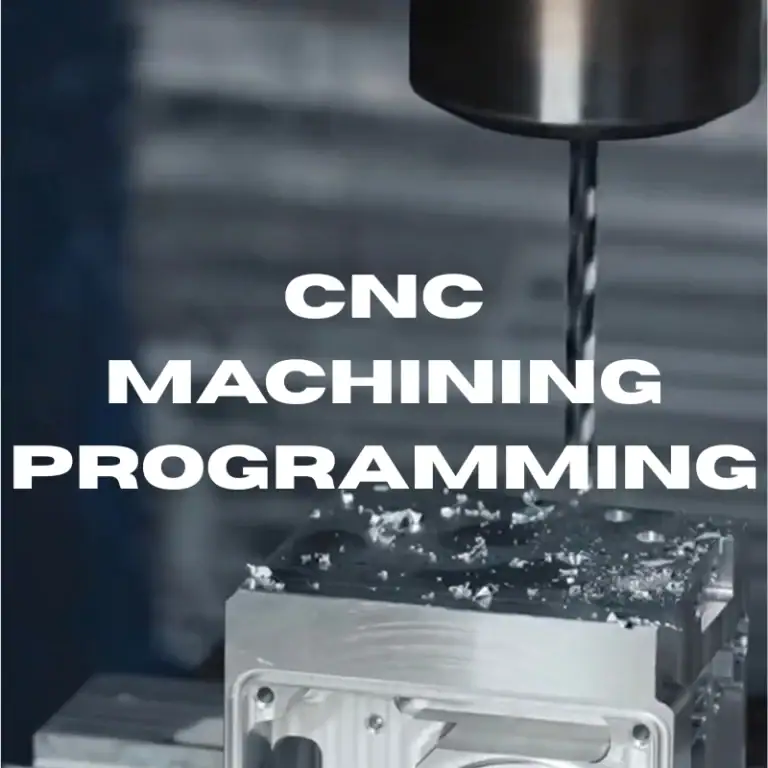
During CNC turning operations, cutting tools play a critical role in determining machining efficiency, dimensional accuracy, surface finish, and overall production cost. Throughout continuous cutting, the tool is subjected to high temperatures, heavy cutting forces, and constant friction. When machining materials with high hardness, strong toughness, or unique chemical characteristics, tool wear increases significantly. Without selecting appropriate tooling or optimizing machining parameters, accelerated wear can shorten tool life, reduce machining accuracy, deteriorate surface quality, and decrease production stability.
Different workpiece materials affect cutting tools in very different ways. Aluminum alloys generally offer excellent machinability, while titanium alloys, nickel-based superalloys, hardened steels, and certain stainless steels are considered difficult-to-machine materials. These materials generate higher cutting temperatures, stronger cutting forces, and increased friction during machining, causing rapid edge wear, chipping, cracking, and thermal damage. Understanding why certain materials accelerate tool wear helps manufacturers optimize machining processes, improve productivity, and reduce overall manufacturing costs.
Why Material Properties Affect Tool Life
The service life of a cutting tool is closely related to the physical and mechanical properties of the workpiece material. Hardness, toughness, thermal conductivity, abrasiveness, and chemical reactivity all influence machining performance. Materials with good machinability maintain stable cutting conditions, while difficult-to-machine materials place much greater stress on the cutting edge and accelerate tool wear.
Higher Hardness Creates Greater Cutting Resistance
Hard materials require higher cutting forces during machining. As a result, the cutting edge experiences greater mechanical loading, leading to abrasive wear and edge damage. If standard cutting tools are continuously used on hardened materials, excessive cutting temperatures and high pressure will rapidly reduce tool life.
- Increased cutting resistance
- Higher stress on the cutting edge
- More severe abrasive wear
- Greater risk of edge chipping
- Increased machining vibration
- Shortened tool service life
Selecting wear-resistant cutting tools and optimizing machining parameters according to material hardness can significantly slow tool wear and improve machining stability.
Tough Materials Tend to Produce Built-Up Edge
Certain stainless steels, nickel alloys, and low-carbon steels possess high ductility. During machining, workpiece material easily adheres to the rake face of the cutting tool, creating a built-up edge. As this built-up material repeatedly forms and breaks away, it removes portions of the cutting edge, accelerating tool wear while reducing machining quality.
- Built-up edge formation
- Increased tool friction
- Higher cutting temperature
- Reduced surface finish quality
- Lower dimensional stability
- Faster tool deterioration
Proper cutting speeds, effective coolant application, and anti-adhesion tool coatings can greatly reduce built-up edge formation.
Which Materials Cause Rapid Tool Wear?
Not all engineering materials exhibit the same machining characteristics. Some advanced materials provide outstanding mechanical properties and corrosion resistance but are considerably more challenging to machine, placing much higher demands on cutting tools.

Titanium Alloys and Superalloys Are Difficult to Machine
Titanium alloys and nickel-based superalloys are widely used in aerospace, medical, and energy industries. Their poor thermal conductivity causes heat to concentrate near the cutting edge rather than dissipating through the workpiece or chips. Combined with their high strength, these materials subject cutting tools to continuous high temperatures and heavy cutting loads.
- Low thermal conductivity
- Heat concentrated at the cutting edge
- Rapid temperature increase
- Higher cutting forces
- Increased diffusion wear
- Greater machining stability requirements
Machining these advanced materials typically requires heat-resistant cutting tools, optimized cooling systems, and carefully planned machining strategies to achieve reliable results.
Hardened Steel Produces Severe Abrasive Wear
Heat-treated steels contain extremely hard particles that continuously abrade the cutting edge during machining. This abrasive action rapidly dulls cutting tools and reduces machining precision.
- Extremely high workpiece hardness
- Continuous abrasive friction
- Significant tool surface wear
- Reduced dimensional accuracy
- Longer machining cycles
- More frequent tool replacement
CBN cutting tools and premium carbide inserts are commonly selected for machining hardened steels because of their superior wear resistance.
How to Reduce Material-Induced Tool Wear
Although some engineering materials are naturally difficult to machine, optimized machining strategies can significantly reduce tool wear and improve production efficiency. Machine performance, cutting tool selection, machining parameters, and cooling systems must work together to achieve stable machining conditions.
Select the Proper Cutting Tool Material and Coating
Different cutting tool materials offer different levels of wear resistance. Selecting the proper tool according to the workpiece material greatly extends tool life.
- Carbide cutting tools
- CBN cutting tools
- PCD cutting tools
- Wear-resistant coatings
- Improved heat resistance
- Lower friction coefficient
Appropriate cutting tool selection reduces wear, improves machining stability, and lowers total manufacturing costs.
Optimize Cutting Parameters and Cooling
Cutting speed, feed rate, and depth of cut directly influence cutting forces and heat generation. Effective coolant application removes heat while reducing thermal wear.
- Optimize cutting speed
- Adjust feed rate
- Select proper cutting depth
- Maintain continuous coolant flow
- Improve chip evacuation
- Control cutting temperature
Proper machining parameters help maintain stable cutting performance while extending tool life and improving machining quality.
How to Reduce Material-Induced Tool Wear
Cutting tools rarely fail suddenly. Instead, wear develops gradually throughout the machining process. Recognizing early signs of wear allows manufacturers to replace tools before machining quality declines or costly production errors occur.

Changes in Machining Quality
As cutting tools wear, changes in product quality become increasingly noticeable and provide valuable indicators of tool condition.
- Increased surface roughness
- Larger dimensional deviations
- Increased machining vibration
- Abnormal cutting noise
- More burr formation
- Changes in chip shape
Implementing regular tool inspection procedures helps prevent defective production and improves overall manufacturing quality.
Intelligent Monitoring Improves Tool Management
Modern CNC turning centers can integrate tool monitoring systems that continuously evaluate cutting conditions and predict tool life.
- Automatic tool life monitoring
- Real-time machining data collection
- Wear condition analysis
- Automatic warning alerts
- Improved machining stability
- Reduced machine downtime
Digital tool management systems help manufacturers increase productivity while reducing maintenance costs and unexpected production interruptions.
Proper Machining Strategies Extend Cutting Tool Life
Although cutting tool wear cannot be completely eliminated, selecting the proper cutting tools, optimizing machining parameters, improving cooling and lubrication, and implementing effective tool management practices can significantly increase tool life. Difficult-to-machine materials such as titanium alloys, nickel-based superalloys, hardened steels, and stainless steels require machining strategies specifically designed to match their material characteristics.
As advanced cutting tool materials, intelligent monitoring technologies, and modern CNC equipment continue to evolve, CNC turning is becoming increasingly capable of machining challenging materials with excellent dimensional accuracy and superior surface finish while effectively controlling tool wear. These advancements provide highly reliable manufacturing solutions for aerospace, medical devices, automotive production, industrial machinery, and many other precision engineering industries.