Tirapid

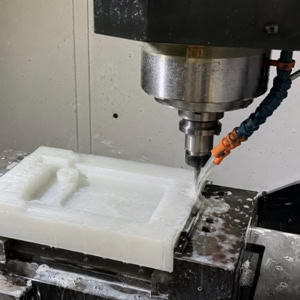
White plastic CNC processing site

How to Calculate the Cost of CNC Plastic Machining?

Plastic parts are widely used in fields such as electronic devices, medical equipment, automation systems, automotive components, communication devices, and industrial machinery. With the accelerating pace of product updates, more and more companies choose CNC plastic machining for prototype development, small-batch trial production, and customized manufacturing. Compared with injection molding, which requires mold development, CNC

How to Calculate the Cost of CNC Plastic Machining? Read More »

Sharpening machine

How to Solve Unstable Quality in Precision Machining?

In precision machining production, unstable quality is one of the most common challenges faced by manufacturers. It often appears as dimensional variation, inconsistent surface finish, local deformation, burr formation, and poor batch-to-batch repeatability. These problems are rarely caused by a single factor. Instead, they result from the combined influence of material condition, machine accuracy, tool

How to Solve Unstable Quality in Precision Machining? Read More »

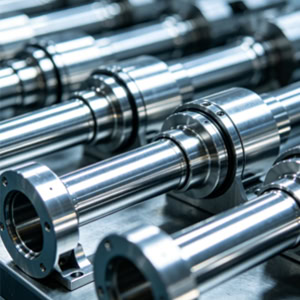
Precision machining technology

How to Reduce Vibration in Precision Machining?

In precision machining, vibration is one of the most common and challenging factors affecting machining quality, especially in high-speed milling, deep cavity machining, and thin-walled part production. Vibration not only reduces surface finish quality but also amplifies dimensional errors and may even lead to tool damage or workpiece rejection. From real manufacturing experience, vibration is

How to Reduce Vibration in Precision Machining? Read More »

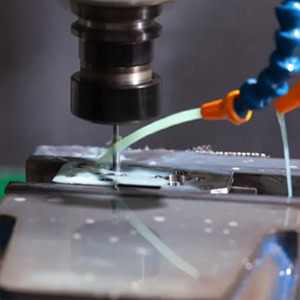
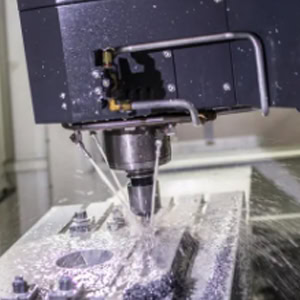
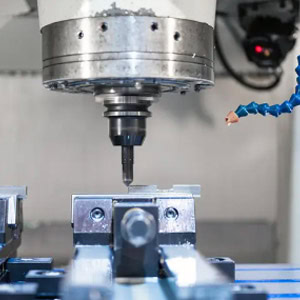
The spindle performs precision milling on the steel workpiece.

Why Has CNC Milling Become a Core Technology in Modern Manufacturing?

As modern manufacturing continues to evolve toward higher precision, greater efficiency, and smarter production, the choice of machining technology directly impacts product quality, production costs, and market competitiveness. From aerospace and automotive manufacturing to medical devices and electronic equipment, industries are experiencing growing demand for complex components and precision structures. Against this backdrop, CNC milling

Why Has CNC Milling Become a Core Technology in Modern Manufacturing? Read More »

Which Metals Are Most Suitable for CNC Turning?

Which Metals Are Most Suitable for CNC Turning?

CNC turning is widely used in machinery manufacturing, automotive production, aerospace, medical equipment, energy systems, and automation industries. Different metals vary significantly in hardness, strength, thermal conductivity, corrosion resistance, and machinability. These differences directly affect machining efficiency, tool life, surface finish, and production costs. Selecting the right metal can improve machining performance, reduce tooling expenses,

Which Metals Are Most Suitable for CNC Turning? Read More »

Cutting stainless steel pipes

How to Prevent Material Cracking in Precision Machining?

In precision machining, material cracking is a critical issue that can significantly increase production cost and reduce yield rate, especially when working with high-strength alloys, hardened steels, aluminum alloys, and engineering plastics. Once cracking occurs, it may not only lead to part rejection but also affect batch production stability and delivery schedules. In real machining

How to Prevent Material Cracking in Precision Machining? Read More »

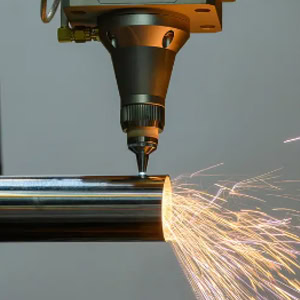
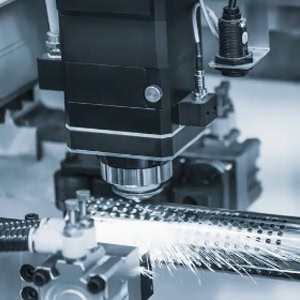
Industrial machinery laser cutting of metal

Precision Machining Milling Techniques Explained

In modern high-end manufacturing systems, milling is one of the most fundamental and critical processes in precision machining, widely used in mold making, automotive components, aerospace structures, and medical devices. As product geometries become increasingly complex, requirements for dimensional accuracy, surface quality, and batch consistency continue to rise. Milling is not just a simple material

Precision Machining Milling Techniques Explained Read More »

How to Improve CNC Milling Speed

How to Improve CNC Milling Speed?

In the context of increasingly fierce competition in the modern manufacturing industry, machining efficiency has become a crucial indicator for enterprises to control costs and improve delivery capabilities. For companies requiring mass production or rapid prototyping, machining speed not only affects production cycles but also directly impacts overall manufacturing costs and customer satisfaction. As a

How to Improve CNC Milling Speed? Read More »

CNC machined polycarbonate PC parts

What Industries Commonly Use Polycarbonate (PC) CNC Machined Parts?

Polycarbonate (PC) is one of the most widely used industrial plastics and holds an important position in modern manufacturing. Thanks to its excellent impact resistance, high transparency, outstanding dimensional stability, and strong mechanical properties, PC material is extensively used in the production of precision components. Compared with traditional glass, PC is lighter and far less

What Industries Commonly Use Polycarbonate (PC) CNC Machined Parts? Read More »

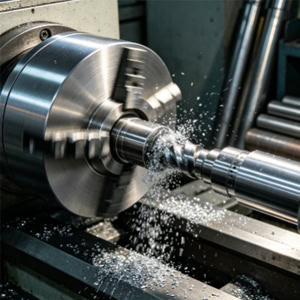
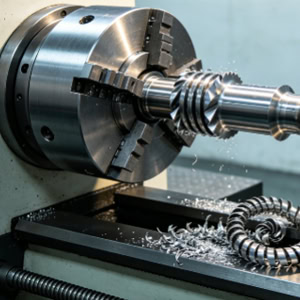
CNC turning of aluminum

Is Aluminum Suitable for CNC Turning?

Aluminum is one of the most widely used metal materials in modern manufacturing. It is commonly found in aerospace, automotive manufacturing, electronics, automation equipment, medical devices, and new energy industries. Due to its lightweight properties, high strength-to-weight ratio, corrosion resistance, and excellent machinability, aluminum has become one of the most important materials for CNC turning

Is Aluminum Suitable for CNC Turning? Read More »

What are the advantages of CNC turning

What Are the Advantages of CNC Turning Compared to Casting?

In modern manufacturing, CNC turning and casting are two widely used production processes for mechanical components. Both methods are extensively applied in machinery manufacturing, automotive production, aerospace engineering, energy equipment, and automation industries. Casting is suitable for producing large and complex parts, while CNC turning has become a preferred solution for precision components due to

What Are the Advantages of CNC Turning Compared to Casting? Read More »

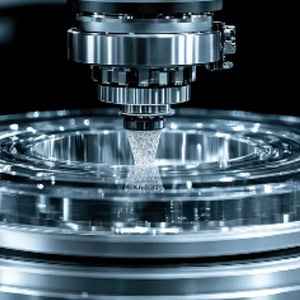
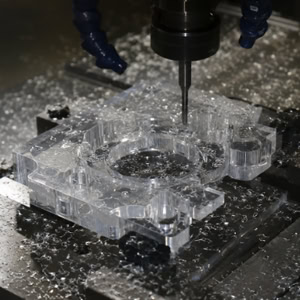
Currently performing point drilling, counterboring, or surface finishing processes.

How Can CNC Milling Improve Deep Cavity Machining Capability

In modern manufacturing, deep cavity components are becoming increasingly common, including molds, aerospace parts, medical device components, and various precision mechanical structures. These products typically feature narrow internal spaces, significant machining depths, and strict accuracy requirements, placing higher demands on machining processes. Traditional machining methods often encounter issues such as tool vibration, poor chip evacuation,

How Can CNC Milling Improve Deep Cavity Machining Capability Read More »

Scroll to Top
Simplified Table

To ensure successful upload, please compress all files into one .zip or .rar file before uploading.
Upload CAD files (.igs | .x_t | .prt | .sldprt | .CATPart | .stp | .step | .pdf).