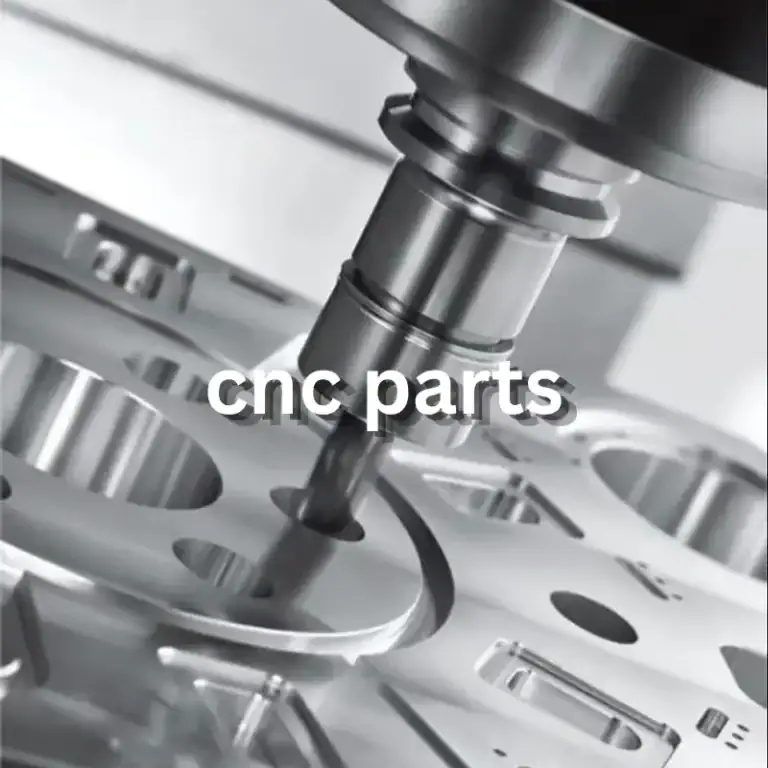
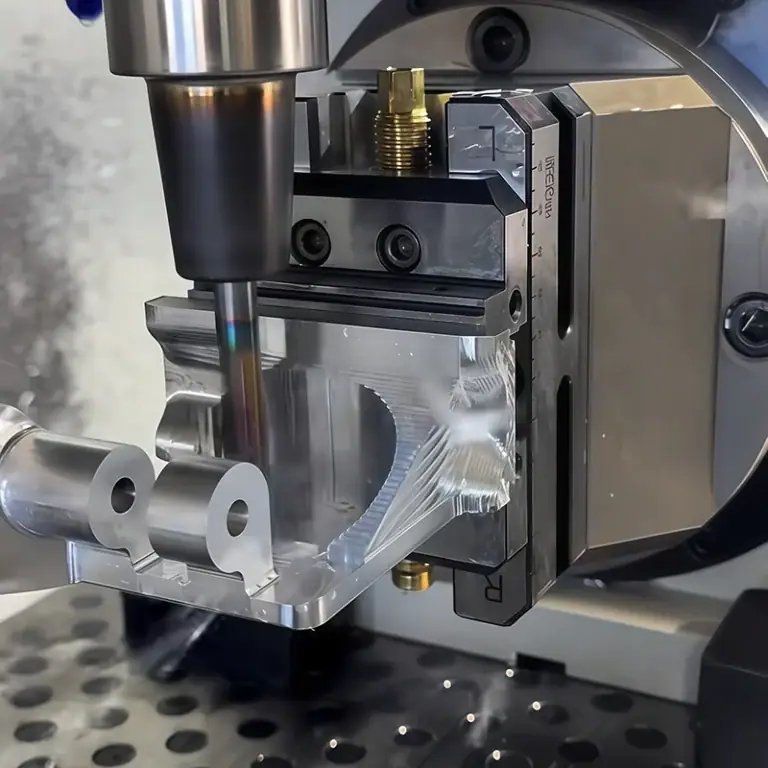
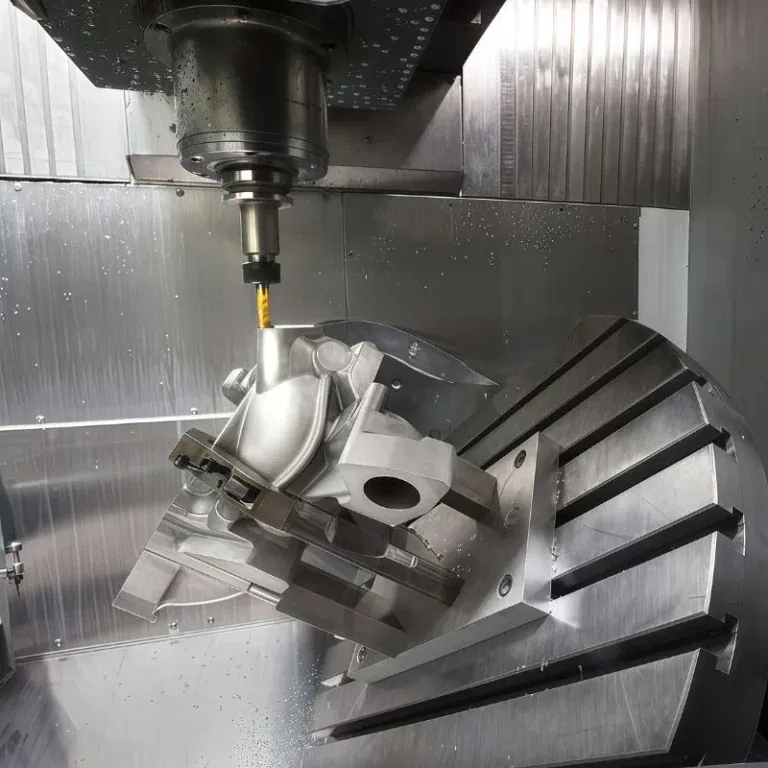
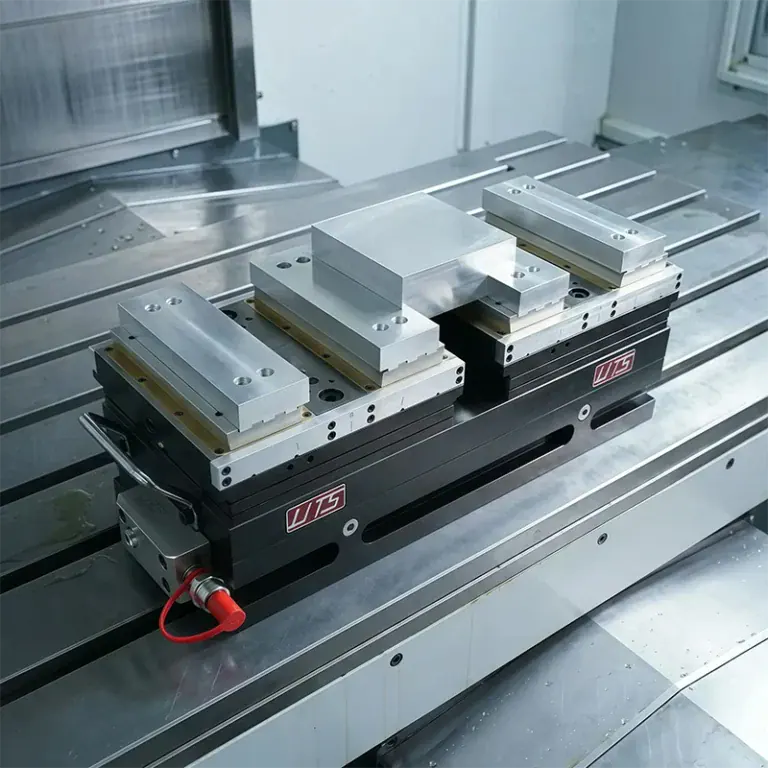
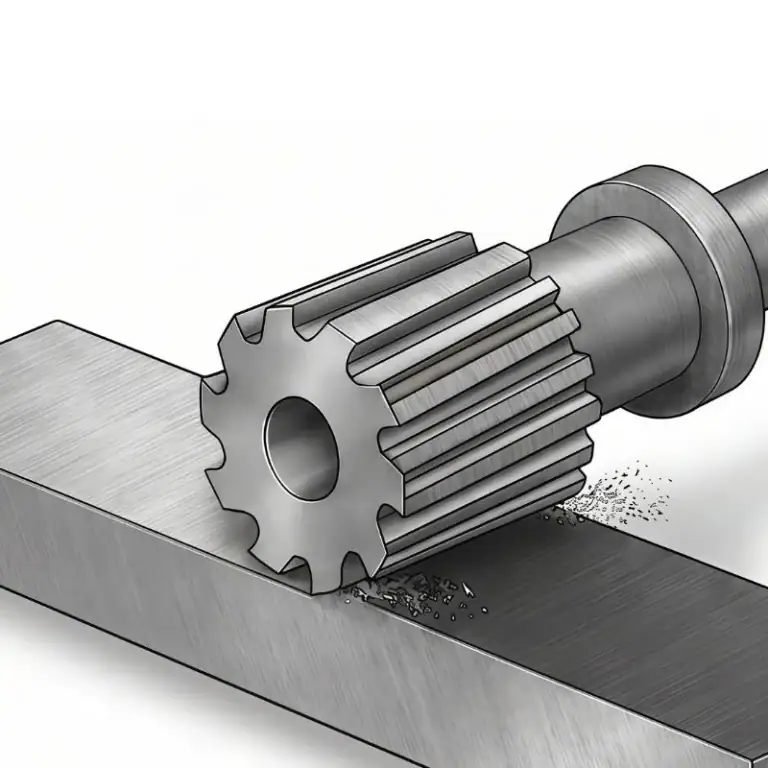
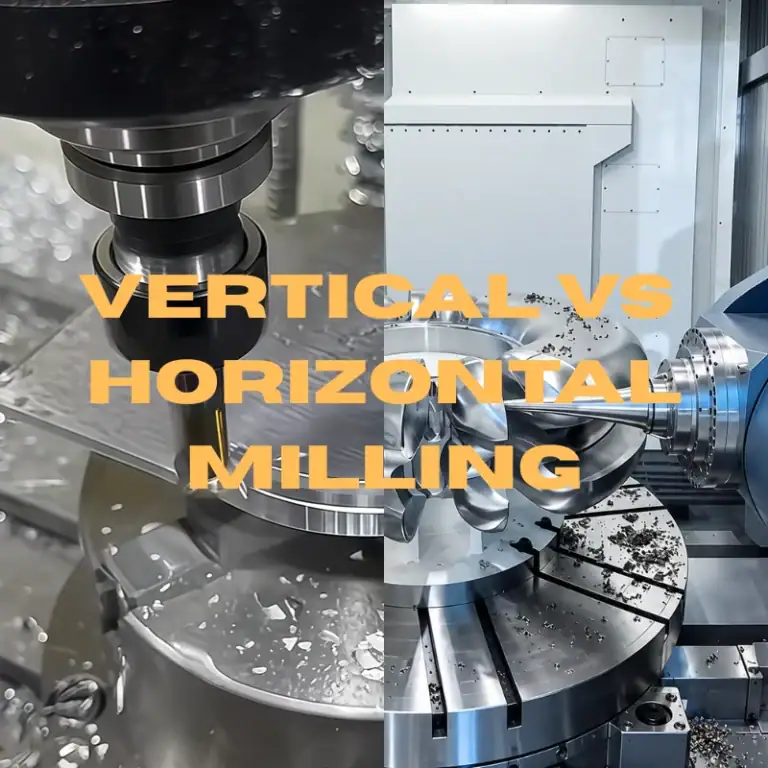
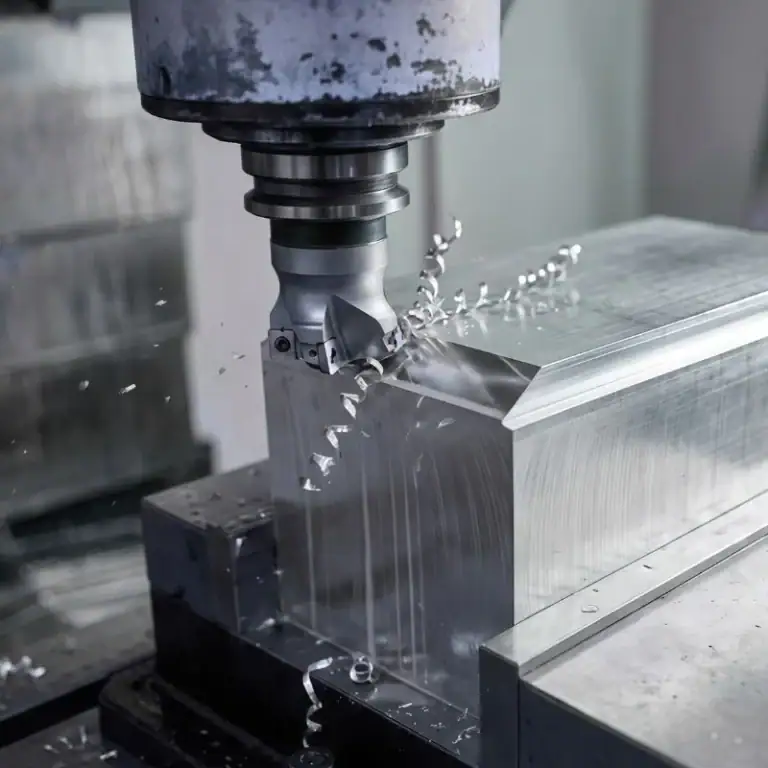
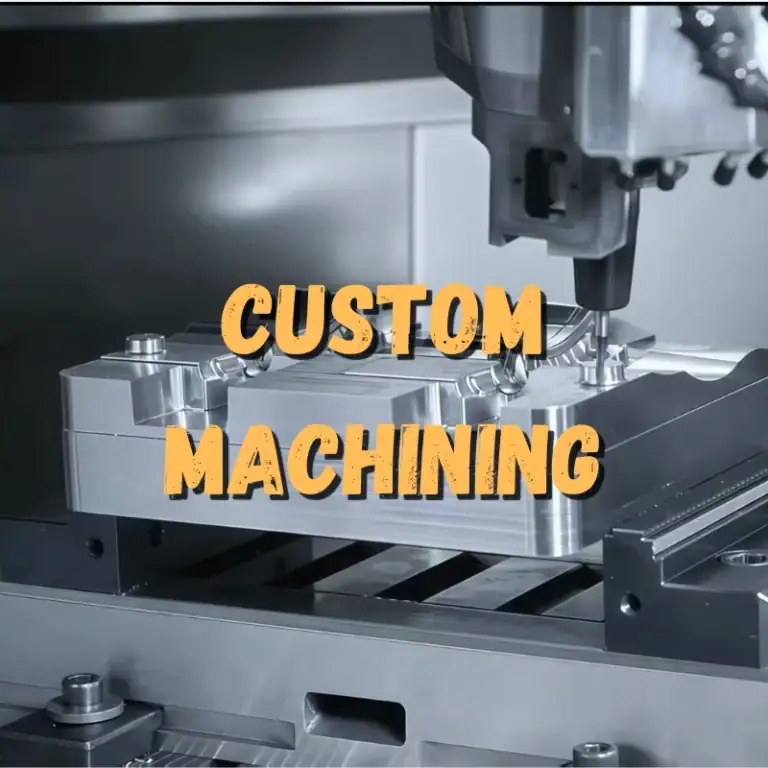
As modern manufacturing continues to evolve toward higher precision, greater efficiency, and smarter production, the choice of machining technology directly impacts product quality, production costs, and market competitiveness. From aerospace and automotive manufacturing to medical devices and electronic equipment, industries are experiencing growing demand for complex components and precision structures. Against this backdrop, CNC milling has gradually become a key technology in modern manufacturing systems due to its outstanding machining capabilities and stable production performance. Compared with traditional machining methods, CNC milling not only meets the requirements of complex part manufacturing but also delivers high consistency and reliability in mass production, making it widely adopted by an increasing number of manufacturing companies.
High-Precision Machining Capabilities Meet Modern Manufacturing Demands
As manufacturing industries continue to raise requirements for product performance, assembly accuracy, and quality consistency, machining precision has become one of the key indicators of manufacturing capability. With advanced numerical control technology and stable machining performance, CNC milling demonstrates significant advantages in high-precision manufacturing.
Precise Control of Dimensional Errors
With advanced CNC systems and high-precision motion control technologies, CNC milling can achieve more accurate and stable dimensional control throughout the machining process.
- Improved dimensional consistency:Ensures every part meets design specifications and reduces batch-to-batch variations.
- Reduced human operational errors:Program-controlled machining minimizes deviations caused by manual intervention.
- Meets strict tolerance requirements:Capable of achieving micron-level precision suitable for high-end manufacturing applications.
Thanks to its exceptional dimensional control capabilities, CNC milling can satisfy the stringent requirements for high-precision components in industries such as aerospace, medical devices, and precision electronics.
Enhanced Quality of Complex Structure Machining
As product designs become increasingly sophisticated, many components feature curved surfaces, irregular contours, and intricate structures, placing higher demands on machining technologies.
- Improved surface machining accuracy:Ensures smoother and more precise complex surface profiles.
- Accurate contour dimensions:Effectively controls dimensional deviations in complex structures.
- Meets high-precision assembly requirements:Improves component fit and assembly efficiency.
- Enhances overall product performance:Precision machining improves functionality and reliability.
With excellent toolpath control and machining stability, CNC milling effectively ensures the quality and assembly performance of complex structural components.
Improved Surface Finish Quality
For many high-end products, surface quality affects not only appearance but also service life and functional performance.
- Reduces secondary polishing operations:Lowers labor costs and improves production efficiency.
- Enhances product appearance:Achieves a more uniform and refined surface finish.
- Reduces rework rates:Minimizes quality issues caused by surface defects.
- Improves overall manufacturing quality:Strengthens market competitiveness and customer satisfaction.
Its precision and stability make CNC milling an essential technology in modern precision manufacturing.
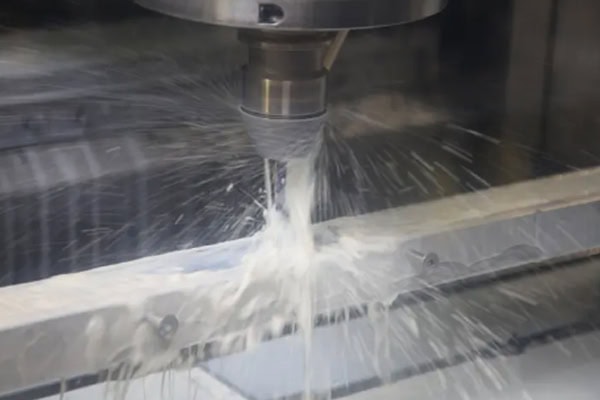
High-Efficiency Production Drives Manufacturing Upgrades
In an increasingly competitive market environment, companies focus not only on product quality but also on production efficiency and delivery speed. Through automated and digital machining methods, CNC milling significantly enhances the production capabilities of modern manufacturers.
Automated Machining Reduces Manual Intervention
Modern CNC equipment can automatically complete complex machining tasks according to pre-programmed instructions, greatly reducing manual involvement and human-related variables.
- Improves production efficiency:Machines can operate continuously for extended periods.
- Reduces labor costs:Less dependence on highly skilled operators.
- Minimizes operational errors:Prevents machining mistakes caused by human factors.
Automated machining not only improves productivity but also enhances process stability and repeatability.
Consistency in Mass Production
In large-scale production environments, product consistency often determines a company’s competitiveness and customer satisfaction.
- Maintains uniform product quality:Ensures every batch meets the same standards.
- Reduces batch variations:Minimizes quality fluctuations during production.
- Improves order fulfillment capability:Meets large-volume customer demands.
- Enhances customer satisfaction:Consistent quality supports long-term partnerships.
With its digital control advantages, CNC milling ensures highly consistent machining quality across different production batches.
Shortened Production Cycles
Facing rapidly changing market demands, more companies seek to complete product development and manufacturing within shorter timeframes.
- Improves machine utilization:Reduces equipment idle time.
- Minimizes auxiliary time:Shortens tool-changing and setup durations.
- Optimizes production workflows:Enhances overall operational efficiency.
- Accelerates production pace:Speeds up the process from design to delivery.
High-efficiency machining helps companies increase capacity and strengthen market competitiveness.
Superior Capability for Complex Part Manufacturing
As industrial products move toward lightweight, integrated, and high-performance designs, component structures become increasingly complex. Traditional machining methods often struggle to meet these requirements, while CNC milling effectively addresses various machining challenges through flexible capabilities and advanced equipment configurations.
Adaptability to Various Complex Structures
As industrial products continue to evolve, more components feature complex geometries that demand advanced machining equipment.
- Machining deep cavities:Meets the special requirements of molds and precision components.
- Producing irregular contours:Enables accurate machining of complex shapes.
- Supporting multi-angle machining:Increases flexibility for complex structures.
Its exceptional flexibility allows CNC milling to accommodate a wide range of complex component manufacturing needs.
Multi-Axis Machining Enhances Manufacturing Capability
The development of modern multi-axis machining technology has further expanded the application scope of CNC milling in complex component manufacturing.
- Reduces repeated setups:Minimizes positioning errors and improves efficiency.
- Improves positioning accuracy:Ensures greater dimensional precision for complex parts.
- Enhances complex surface machining capability:Supports advanced product designs.
- Shortens overall machining time:Reduces delays caused by process transitions.
Through multi-axis machining, manufacturers can improve productivity while maintaining precision.
Meeting High-End Industry Requirements
Industries such as aerospace, medical equipment, and high-end electronics demand extremely high standards for component quality and machining capability.
- Aerospace component manufacturing:Meets requirements for high strength and precision.
- Medical device component machining:Ensures product safety and reliability.
- Precision electronics production:Supports miniaturization and increasing complexity.
- High-end mold manufacturing:Improves mold lifespan and molding quality.
Its outstanding capability in machining complex components makes CNC milling a critical technology for advanced manufacturing.
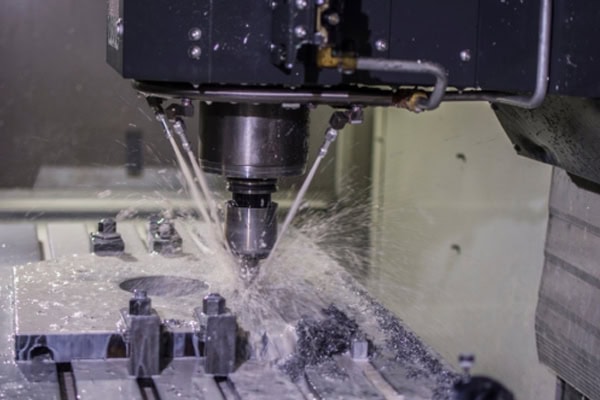
Intelligent Technologies Drive Manufacturing Transformation
The manufacturing industry is rapidly advancing toward digitalization and intelligent production. Companies increasingly emphasize production data management and intelligent control, while CNC milling continues integrating advanced technologies to support industrial upgrades.
Real-Time Process Monitoring
As industrial digitalization advances, modern CNC equipment offers increasingly sophisticated data collection and monitoring capabilities. By monitoring machine conditions in real time, recording key machining parameters, and tracking production progress, manufacturers can quickly identify potential issues, optimize processes, and improve transparency and management efficiency, resulting in more stable and efficient manufacturing operations.
Online Inspection Improves Quality Control
Modern manufacturers place growing importance on comprehensive quality management to ensure products meet customer requirements. Intelligent inspection systems can collect and analyze data during machining, promptly identifying dimensional deviations, tool wear, or equipment abnormalities to reduce quality risks at the source. At the same time, these systems help reduce defect rates, material waste, and rework costs while improving machining stability and product consistency. Through continuous monitoring and analysis, companies can further optimize production processes and machining strategies, enhancing overall manufacturing efficiency and market competitiveness.
Supporting Smart Factory Development
Smart manufacturing has become a major trend and direction for the global manufacturing industry. By integrating automation equipment, digital management systems, and advanced data analytics technologies, companies can achieve real-time monitoring and optimization of production processes, improving resource utilization and productivity. Smart manufacturing also enhances production flexibility, enabling faster responses to market changes and customer demands while delivering higher efficiency, more stable quality, and stronger competitive advantages for CNC milling operations.
Multi-Material Machining Capabilities Expand Application Scope
As new material technologies continue to evolve, industries demand increasingly diverse material properties. With its broad material compatibility, CNC milling can meet machining requirements ranging from conventional metals to advanced high-performance materials.
Strong Metal Machining Capability
Metal materials remain among the most widely used and important materials in modern industrial manufacturing.
- Aluminum alloy machining:Balances lightweight design and machining efficiency.
- Stainless steel machining:Meets corrosion resistance and high-strength requirements.
- Copper alloy machining:Suitable for conductive and heat-dissipation components.
With stable cutting performance and broad adaptability, CNC milling can satisfy the machining requirements of various metal materials.
Growing Demand for High-Performance Material Machining
As advanced manufacturing industries develop, more companies are adopting innovative materials with superior performance characteristics.
- Titanium alloy machining:Widely used in aerospace and medical applications.
- High-temperature alloy machining:Meets extreme operating condition requirements.
- Engineering plastic machining:Suitable for lightweight and insulating components.
- Composite material machining:Supports high-performance product development.
Continuously improving material machining capabilities are helping CNC milling enter more high-value manufacturing sectors.
Meeting Product Development Needs Across Industries
Different industries have unique requirements regarding material properties, structural design, and machining processes.
- Automotive manufacturing:Supports lightweight and high-performance component production.
- Medical industry:Meets high-precision and cleanliness requirements.
- New energy equipment:Adapts to the rapid growth of the renewable energy sector.
- Industrial automation equipment:Improves equipment performance and reliability.
Its extensive material compatibility further strengthens CNC milling’s position as a core technology in modern manufacturing.
Conclusion
CNC milling has become a core technology in modern manufacturing not only because of its high precision, efficiency, and capability to machine complex components, but also because it continuously integrates automation, digitalization, and intelligent technologies to meet evolving manufacturing demands. As the industry advances toward higher quality and greater efficiency, CNC milling will continue to play a vital role in the future. For companies seeking to improve product quality, shorten lead times, and strengthen market competitiveness, choosing a mature and reliable CNC milling solution is essential. TiRapid provides professional and efficient manufacturing support for a wide range of precision component projects.