In the context of increasingly fierce competition in the modern manufacturing industry, machining efficiency has become a crucial indicator for enterprises to control costs and improve delivery capabilities. For companies requiring mass production or rapid prototyping, machining speed not only affects production cycles but also directly impacts overall manufacturing costs and customer satisfaction. As a widely used precision machining technology, CNC milling, with its high degree of automation, stable machining accuracy, and strong adaptability, has become an important production method in many industries. However, how to further improve machining speed while ensuring machining quality remains a key focus for many companies. By optimizing equipment performance, tool configuration, machining processes, and automation management, companies can effectively improve CNC milling efficiency and achieve higher levels of production capacity.
Optimizing Equipment Performance to Improve Machining Efficiency
Equipment performance determines the upper limit of machining efficiency and is a crucial guarantee for achieving high-speed and stable production. High-performance equipment not only improves cutting capabilities but also reduces waiting time and error accumulation during machining, thereby helping companies achieve higher production efficiency.
Increasing Spindle Speed
Increasing spindle speed directly enhances material removal capacity, creating conditions for high-efficiency machining.
- Increase the amount of material cut per unit time, enabling more material to be processed in a shorter time.
- Shorten the processing cycle and reduce the time spent on equipment for individual parts.
- Boost production speed and enhance order processing capabilities.
- Improve high-speed cutting capabilities, particularly suitable for processing materials such as aluminum alloys.
- Improve surface finish and reduce subsequent processing steps.
Optimize spindle performance to unlock equipment potential and increase overall productivity, while providing stronger support for complex part processing.
Employ a high-speed servo system
A high-response motion control system allows for smoother and more efficient equipment operation.
- Improve positioning efficiency and reduce axis movement waiting time.
- Shorten idle travel time and increase the proportion of effective working time.
- Enhance processing continuity and reduce efficiency losses due to downtime.
- Improve the ability to execute complex trajectories and ensure high-speed machining accuracy.
- Improve acceleration and deceleration performance, allowing the equipment to quickly enter the processing state.
- Reduce motion errors and improve overall processing stability.
Faster and more precise motion control effectively reduces wasted time during processing, keeping the equipment operating at high efficiency.
Maintain stable equipment operation
Maintaining good equipment condition over the long term is a crucial prerequisite for continuously improving production efficiency.
- Reduce downtime and avoid impacting production plans.
- Increase continuous processing capacity to meet bulk order demands.
- Ensure processing stability and reduce scrap rates.
- Extend equipment lifespan and reduce maintenance costs.
- Increase equipment utilization and create higher production value.
A stable and reliable equipment operating environment provides continuous support for efficient production and is a crucial guarantee for the long-term development of the enterprise. Comprehensive optimization of equipment performance lays a solid foundation for high-speed CNC milling.
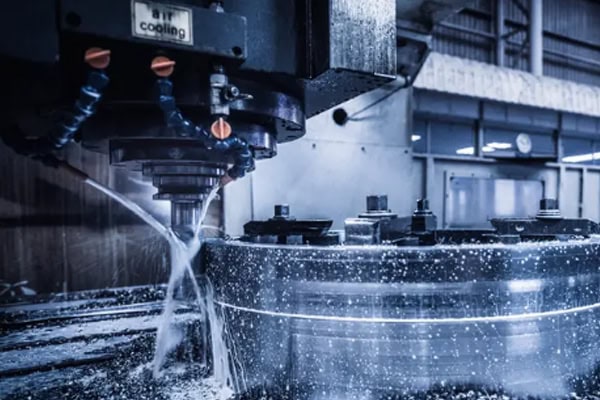
Rational Tool Selection to Enhance Cutting Capabilities
As the core component directly involved in cutting, the tool has a significant impact on machining speed. Choosing the right tool not only improves cutting efficiency but also reduces machining costs and downtime.
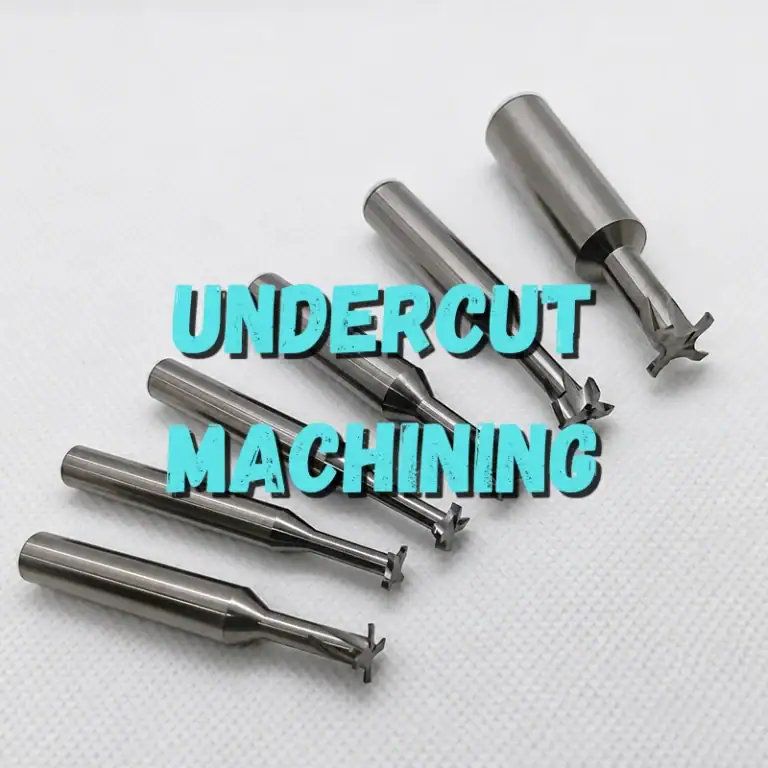
Use High-Performance Tool Materials
High-quality tool materials can withstand higher cutting loads, thereby improving machining efficiency.
- Increase cutting speed and achieve higher material removal rates.
- Extend service life and reduce tool change frequency.
- Reduce tool change frequency and increase continuous equipment uptime.
- Improve heat resistance to adapt to high-speed machining environments.
- Enhance wear resistance and maintain long-term stable machining results.
Choosing high-performance tool materials helps achieve a more efficient and stable machining process.
Optimize Tool Structure Design
A scientific tool structure can improve cutting conditions and enhance machining performance.
- Improved chip removal capacity prevents chip accumulation from affecting machining.
- Reduced cutting resistance reduces equipment load.
- Reduced vibration and improves machining stability.
- Improved surface quality and reduces the need for subsequent finishing.
- Enhanced cutting efficiency and increased production speed.
- Improved tool heat dissipation and extended tool life.
A well-designed tool helps equipment maintain stable operation during high-speed machining and achieves better machining results.
Use Suitable Tool Coatings
Selecting appropriate coatings for different materials can further improve cutting performance.
- Improved wear resistance and reduced tool wear.
- Reduced frictional heat and improved machining environment.
- Enhanced machining stability and reduced abnormal wear.
- Improved cutting speed adaptability.
Extended tool life. Improved machined surface quality. Matching suitable tool solutions can effectively improve production efficiency and reduce machining costs, and continuous optimization of tool performance is also a crucial aspect of improving CNC milling speed.
Optimize Machining Processes to Reduce Waste Time
A scientifically sound machining process can reduce resource waste and improve equipment utilization. In many cases, improved machining efficiency does not depend on equipment upgrades but on process optimization.
Optimize Cutting Parameters
Properly setting cutting parameters can achieve a better balance between efficiency and quality.
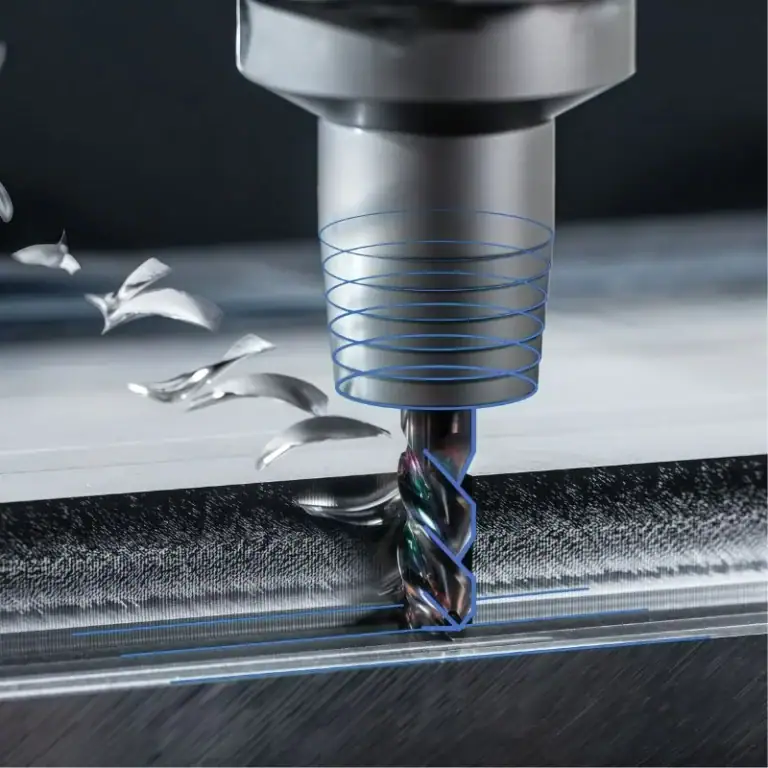
- Increasing Feed Rate:Appropriately increasing the feed rate while ensuring machining quality and tool life shortens the machining time per piece and improves overall production efficiency.
- Properly Controlling Depth of Cut:Setting an appropriate depth of cut based on material characteristics and equipment performance improves material removal efficiency and reduces unnecessary machining operations.
- Maintaining Cutting Stability:Optimizing machining parameters and tool condition avoids abnormal vibrations and cutting fluctuations, ensuring continuous and stable machining.
- Optimizing Spindle Speed Matching:Selecting an appropriate spindle speed based on workpiece material, tool specifications, and machining requirements fully utilizes the cutting performance of the equipment.
- Reducing Tool Wear Rate:Reducing wear through reasonable cutting parameters, cooling methods, and tool selection increases tool life and lowers production costs.
Optimized machining parameters help companies achieve higher production efficiency while ensuring product quality.
Improving Toolpath Planning
The design of the tool path directly affects the overall machining time.
- Reduce idle travel:Optimize tool travel paths, reduce ineffective movement time, and improve effective machining time and equipment utilization.
- Avoid repetitive machining:Rationally plan machining areas and cutting sequences to reduce repeated cutting, thereby reducing resource waste and production costs.
- Improve motion continuity:Adopt smooth transition machining trajectories to reduce time loss and mechanical shock caused by frequent equipment start-ups and shutdowns.
- Reduce equipment load fluctuations:Maintain more stable and reliable equipment operation by balancing cutting loads and optimizing feed strategies.
- Improve tool utilization:Reduce unnecessary tool wear and idle time, and fully utilize tool cutting performance.
- Shorten overall machining cycle:Comprehensively optimize machining paths and processes to improve production efficiency and delivery speed while ensuring quality.
Efficient path planning can significantly shorten machining cycles and improve equipment utilization.
Reduce process changeovers
Reducing process changeovers can reduce auxiliary time and improve production efficiency. By optimizing process arrangement and adopting automated machining methods, waiting time and manual intervention can be reduced, making the machining process smoother. At the same time, integrating machining steps and reducing clamping times also helps to shorten the production process and improve machining efficiency. Simplifying the process flow helps enterprises achieve more efficient production management.
Automation Systems Improve Production Pace
The application of automation technology is becoming a significant driving force for improving manufacturing efficiency. More and more companies are achieving higher levels of efficiency through automated production.
Automatic Tool Changer System
Automatic tool changer systems reduce tool change time, minimize equipment downtime, and improve continuous machining efficiency. Simultaneously, they reduce manual operation, improving equipment utilization and overall production efficiency.
- Reduced Downtime:Automatic tool changer systems can complete tool switching in a very short time, avoiding prolonged equipment downtime caused by manual tool changing and improving the overall production pace.
- Improved Continuous Machining Capacity:Through preset tool magazines and program control, equipment can continuously complete multiple machining operations, reducing production interruptions.
- Shortened Auxiliary Time:Automatic tool changing reduces the proportion of non-cutting time, allowing more time for actual machining tasks.
- Improved Equipment Utilization:Reduced manual intervention and waiting time allows machine tools to maintain effective operation for longer periods, increasing output capacity.
- Support for Automatic Switching in Complex Processes:When faced with multi-process, multi-tool machining requirements, the system can automatically call the corresponding tools according to the program, improving the machining efficiency of complex parts.
Automatic tool changing technology enables equipment to maintain higher operating efficiency and reduces manual intervention.
Automated loading and unloading system
Automated loading and unloading systems can replace some manual operations, reduce waiting time and human error, and enable equipment to operate continuously for longer periods, thereby improving overall production efficiency and processing stability.
- Improved Equipment Uptime:Reduces waiting and downtime, allowing equipment to maintain higher utilization rates.
- Reduced Labor Costs:Reduces repetitive manual operations and optimizes human resource allocation.
- Improved Production Efficiency:Enables continuous production processes and accelerates order delivery.
- Enhanced Batch Production Capacity:Meets the demands of large-volume orders and maintains a stable production rhythm.
- Reduced Human Error:Improves processing consistency and product quality through automated control.
- Supports 24/7 Production Mode:Enables long-term continuous operation and increases overall capacity.
Automated logistics systems are helping companies build more efficient production models.
Intelligent Production Management
Digital management tools help companies better understand production progress, equipment operating status, and processing data, thereby improving management efficiency and production coordination capabilities, and achieving more precise and stable production control.
- Real-time Equipment Status Monitoring:Helps managers promptly grasp equipment operating conditions, quickly identify abnormalities, and take appropriate measures. Improve production scheduling efficiency:By rationally allocating production tasks and equipment resources, waiting time is reduced, and the overall production pace is improved.
- Reduce management costs:Lowering manual statistics and communication costs makes production management more efficient and convenient.
- Improve equipment utilization:Fully utilize equipment capacity, reduce idle time, and improve production efficiency.
- Optimize production resource allocation:Rationally allocate personnel, equipment, and material resources according to order requirements to improve operational efficiency.
- Improve order response speed:Accelerate the ability to adjust and execute production plans to better meet customer delivery needs.
Intelligent management can further improve the overall operational efficiency of the factory, while the combination of automation and digital technologies is driving CNC milling towards higher efficiency.
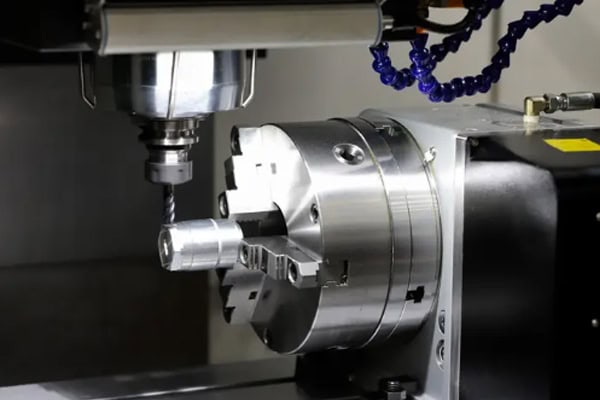
Multi-axis machining reduces machining time
Facing the manufacturing needs of complex parts, multi-axis machining technology shows significant advantages. Compared to traditional machining methods, multi-axis equipment can complete more machining tasks in a shorter time.
Reduce repetitive clamping
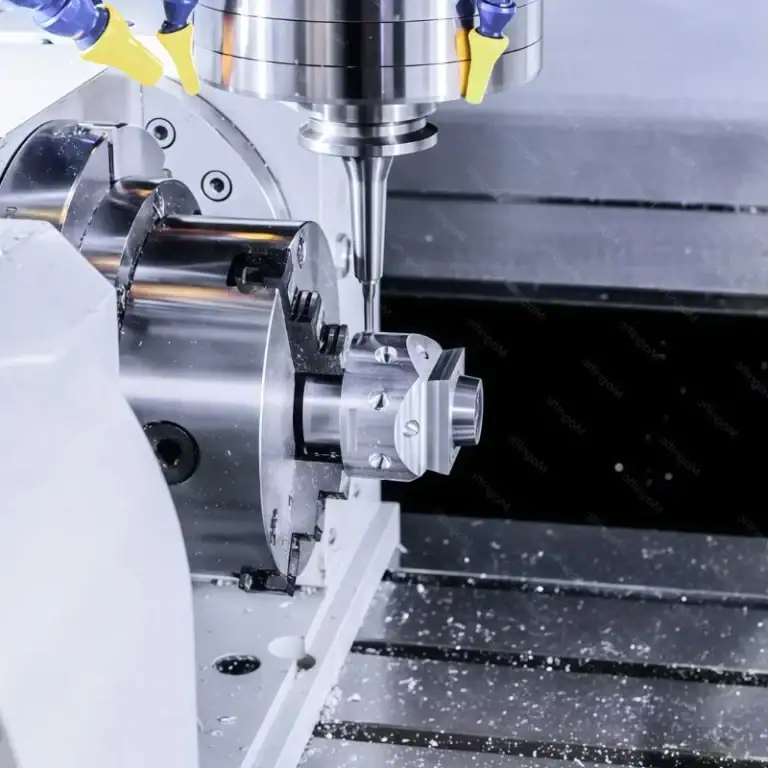
Reducing the number of clamping operations shortens machining time and reduces positioning errors. Using multi-axis CNC milling equipment, multiple processes can be completed in a single clamping, thereby improving production efficiency and machining quality.
- Improve positioning efficiency and reduce the time spent on repeated workpiece alignment and calibration.
- Reduce error generation and avoid dimensional deviations and positional offsets caused by multiple clamping operations.
- Shorten the machining process, enabling multiple machining steps to be completed consecutively in a shorter time.
- Improve machining consistency and ensure more stable dimensional and quality performance of products in the same batch.
- Reduce manual operation time and the extra workload caused by frequent clamping and adjustments.
- Increase production efficiency, allowing equipment to devote more time to actual cutting.
- Reduce the probability of rework and correction, thereby reducing production resource waste and increasing delivery speed.
For batch production projects, reducing the number of clamping operations also reduces the impact of human factors on machining quality, making the production process more stable and reliable. Fewer clamping steps not only improve efficiency but also help ensure machining accuracy.
Complete multi-face machining in one operation
Multi-axis equipment can complete the machining of multiple faces in a single clamping operation, thereby effectively shortening process time, increasing the production capacity of complex parts, improving machining consistency, reducing positioning errors, increasing overall production efficiency, and reducing workpiece handling time. Through integrated machining methods, enterprises can further optimize production processes and achieve higher levels of machining efficiency and quality stability.
Enhancing Machining Capabilities for Complex Structures
Machining complex parts demands high equipment flexibility and stability. Many parts contain deep cavities, complex curved surfaces, and multi-angle structures, requiring equipment with excellent machining capabilities and precise control to ensure machining efficiency and product quality.
- Improving machining efficiency for complex and free-form surfaces to meet the production needs of high-precision parts.
- Adapting to the manufacturing of irregularly shaped, deep-cavity, and multi-angle complex parts.
- Meeting the needs of high-end manufacturing industries such as aerospace, medical devices, and automotive parts.
- Improving machining quality for complex contours and precision structures, reducing dimensional errors.
- Reducing repetitive clamping and auxiliary process time, improving overall production efficiency.
- Enhancing product consistency and market competitiveness, helping companies shorten delivery cycles.
- Enhancing the ability to form complex parts in one go, reducing subsequent finishing and rework costs.
- Improving equipment utilization and machining stability, providing reliable assurance for mass production.
Advanced multi-axis technology can improve the machining efficiency of complex parts and reduce process changeovers and clamping times, shortening production cycles while ensuring machining accuracy. More and more manufacturing companies are using it as an important choice to enhance CNC milling capabilities and market competitiveness.
Conclusion
Improving CNC milling speed is not simply a matter of increasing cutting parameters; it requires a systematic upgrade across multiple aspects, including equipment performance, tool selection, process optimization, automation applications, and multi-axis machining capabilities. By establishing a more efficient, stable, and intelligent machining system, companies can effectively shorten production cycles, reduce manufacturing costs, and continuously improve product quality and market competitiveness. In today’s manufacturing environment, where efficiency and delivery requirements are constantly increasing, suppliers with mature machining experience and advanced equipment support are particularly important. If you are looking for CNC milling services that balance efficiency, precision, and delivery capabilities, TiRapid can provide professional and reliable manufacturing support for complex parts machining projects.