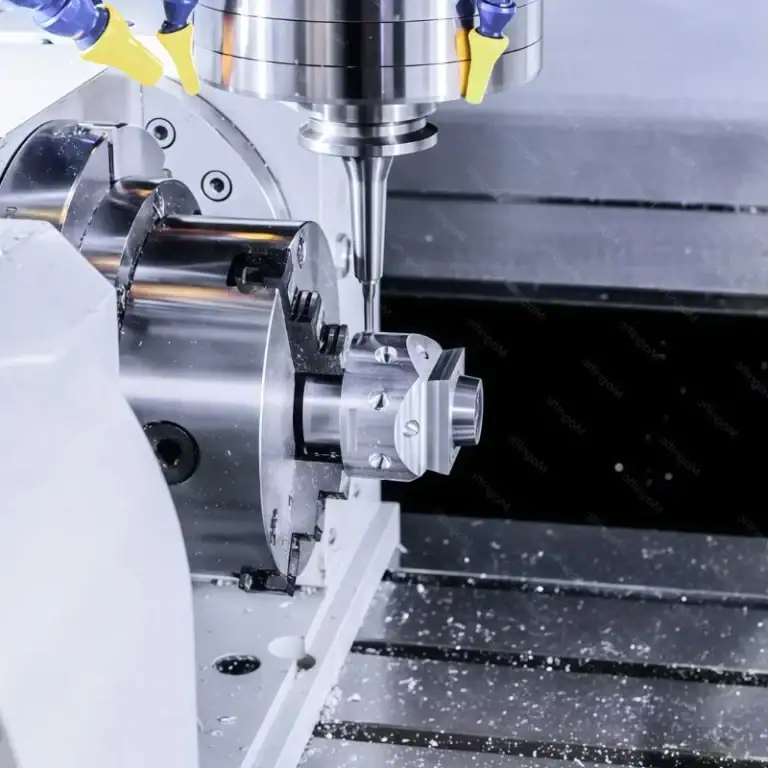
Automated robot equipment consists of mechanical structures, drive mechanisms, control systems, sensors, and execution units. A large number of precision components are responsible for connection, positioning, power transmission, support, and component installation. As smart manufacturing systems continue to develop, robot equipment requires increasingly high standards for dimensional accuracy, mating performance, material strength, and batch consistency. CNC precision machining can manufacture mounting bases, connection components, shafts, transmission parts, guide components, support structures, sensor mounts, and customized mechanical parts according to CAD drawings and 3D models. Through milling, turning, drilling, boring, tapping, and chamfering, combined with appropriate process planning, precision inspection, and surface treatment, CNC machining provides reliable component manufacturing support for automated robot equipment.
Advantages of CNC Manufacturing for Automated Robot Equipment Components
Automated robot equipment components come in many types and have significantly different structures, interfaces, and customization requirements. Different parts may perform functions such as power transmission, equipment positioning, structural connection, or sensor mounting, with different requirements for dimensions and mating relationships. CNC machining uses digitally programmed tool movements to manufacture complex profiles, holes, threads, and precision mating surfaces within a controlled machining system. Machining parameters can also be adjusted according to material and component structure, providing stable manufacturing solutions for robot equipment.
Precision Dimensional Control Improves Component Assembly Quality
Automated robot equipment contains many mechanical components that need to work together, including motor mounting bases, reducer connection seats, bearing housings, guide rail mounts, and locating plates. The hole spacing, hole diameter, flatness, and positional accuracy of these components can directly affect final assembly. CNC machining can use consistent machining references for critical features, while coordinate measuring machines, vision inspection equipment, and precision measuring tools can be used to verify key dimensions.
For robot modules that require repeated installation and replacement, stable dimensions can reduce adjustment time during assembly. In automated production lines that operate continuously or require modular maintenance, dimensional consistency also makes replacement parts easier to install.
Material Selection and CNC Processes Improve Component Performance
Materials for automated robot equipment components should be selected according to load, movement speed, operating temperature, wear resistance, and weight requirements. Aluminum alloys are suitable for lightweight mounting bases, support components, housings, and connection plates. Stainless steel is suitable for humid or corrosive environments and applications requiring improved durability. Alloy steel is commonly used for shafts, transmission components, and high-load connection structures.
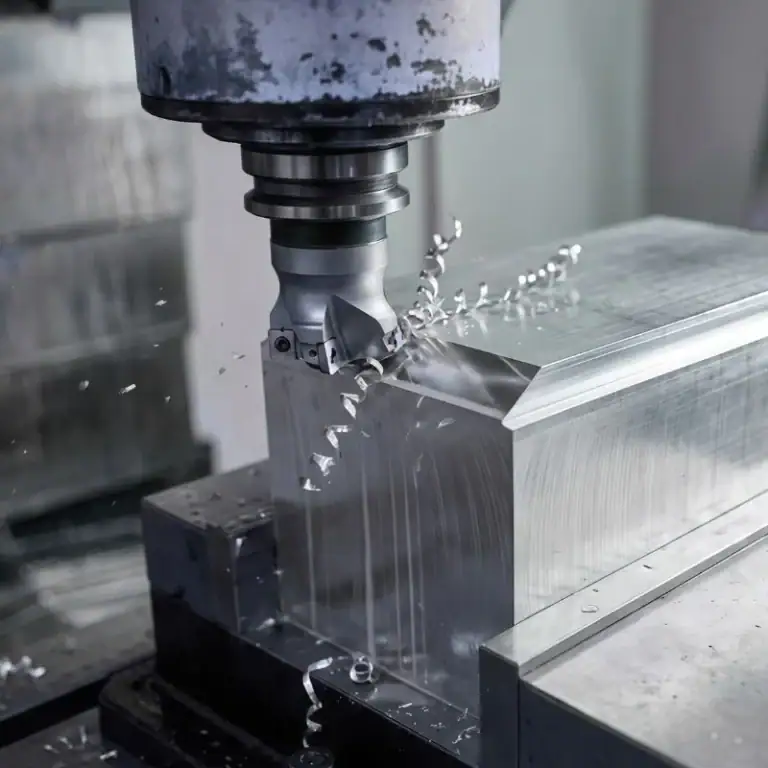
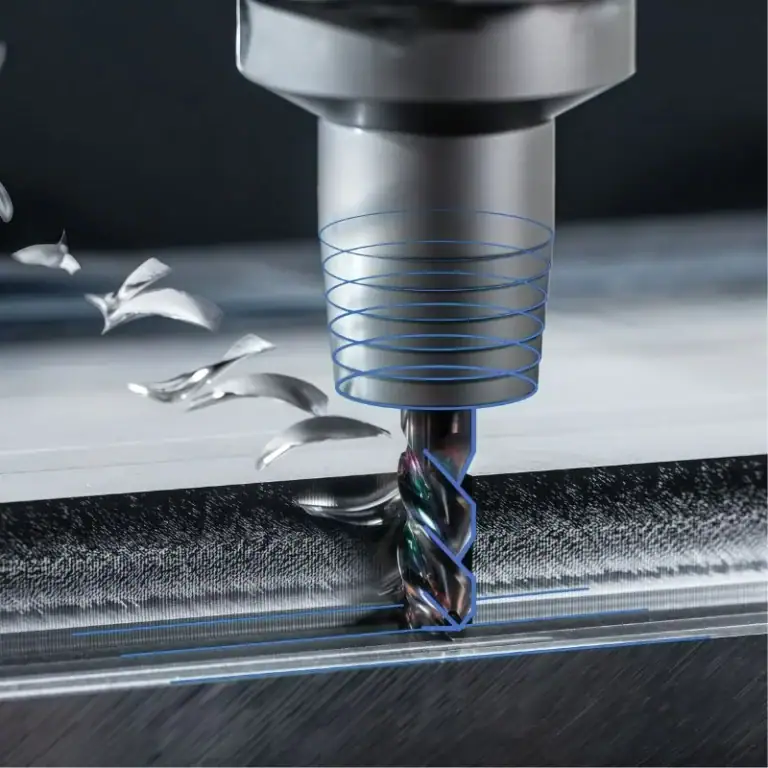
During CNC machining, cutting tools can be selected according to material hardness, while spindle speed, feed rate, and cutting depth can also be adjusted. Stable cutting strategies can be used for harder materials, while easily machinable aluminum alloys can be processed efficiently while maintaining the required surface quality.
Customized Manufacturing Supports Robot Equipment Requirements
Robot equipment is often customized according to specific production processes. Different production lines may use different robot models, fixture interfaces, sensor locations, and mechanical layouts. Standard components may not fully satisfy these installation requirements, creating demand for customized mechanical parts.
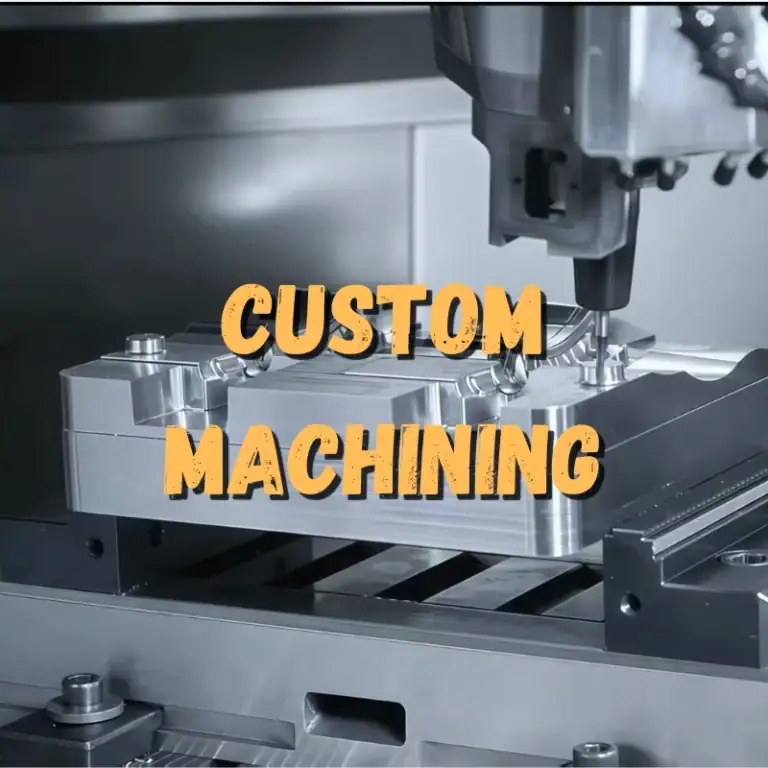
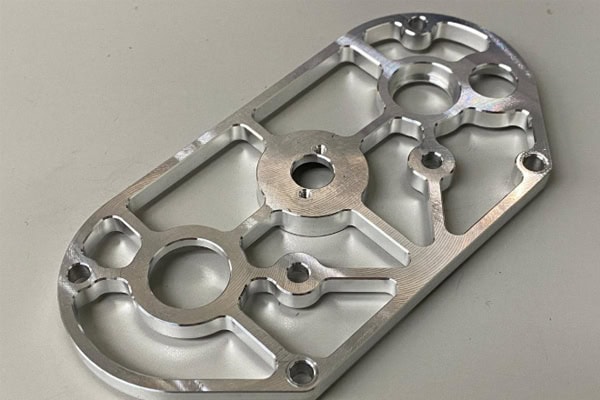
CNC machining can generate machining programs from 2D engineering drawings or 3D models and is suitable for prototype validation, small-batch production, and repeat orders. Complex brackets, multi-hole connection plates, irregular mounting bases, and curved structural components can be manufactured through multi-axis machining, multiple setups, and precision milling.
Machining Methods and Application Scenarios for Automated Robot Equipment Components
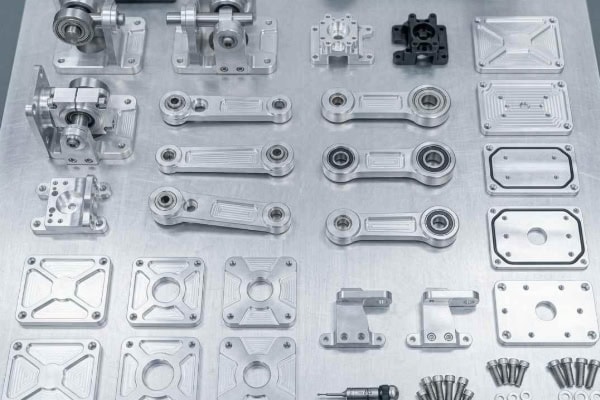
The machining process for robot equipment components needs to be developed according to their actual structure and functional requirements. Mounting bases generally require accurate relationships between mounting surfaces and holes, transmission shafts require control of shaft diameter and concentricity, guide components require stable mating clearances, and sensor brackets need accurate and stable mounting positions. CNC machining can select turning, milling, drilling, boring, and tapping according to the component design, providing suitable mechanical parts for complex automated robot systems.
CNC Manufacturing Process for Automated Robot Equipment Components
A stable manufacturing process can reduce differences caused by manual operations and help maintain dimensional consistency during batch production. A typical CNC manufacturing workflow includes:
- Engineering data confirmation: Check CAD drawings, 3D models, material grades, dimensional tolerances, thread specifications, hole positions, and surface treatment requirements.
- Process and reference planning: Select suitable machining references and clamping methods according to component geometry and arrange the machining sequence to reduce positioning errors.
- Blank and material inspection: Verify the specifications, dimensions, and appearance of aluminum alloy, steel, stainless steel, or other materials.
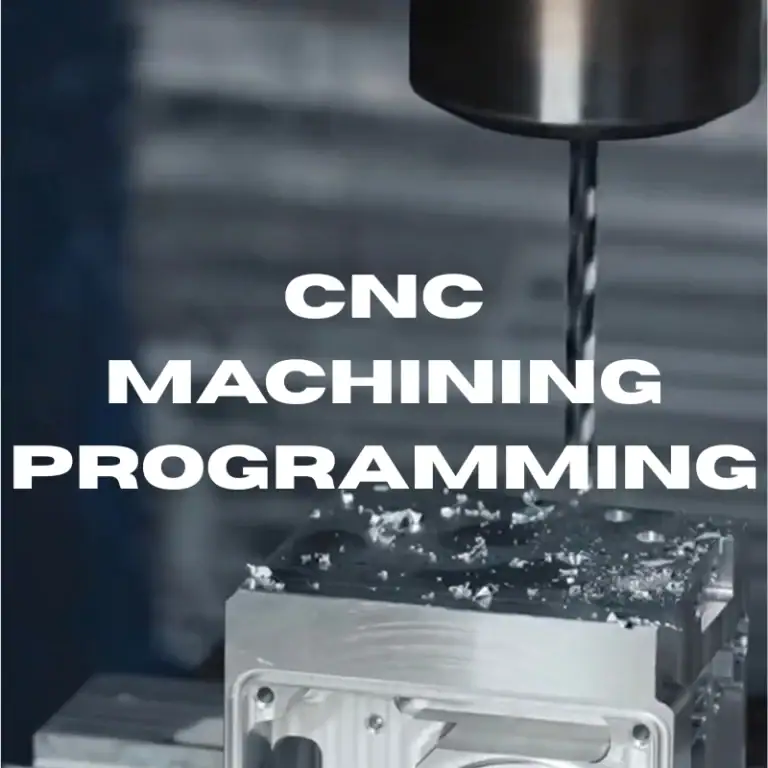
- CNC programming: Develop tool paths according to the component geometry and set spindle speed, feed rate, cutting depth, and cooling conditions.
- Critical feature machining: Process shaft bores, mounting holes, threaded holes, locating grooves, mounting surfaces, and complex profiles.
- First article validation: Inspect the first component, focusing on mating dimensions and critical interfaces, and adjust the machining program when necessary.
- Batch production control: Monitor tool wear, machine condition, and machining dimensions to reduce dimensional fluctuations during continuous production.
- Final inspection and post-processing:Complete deburring, cleaning, dimensional inspection, and surface treatments such as anodizing, blasting, or passivation.
A complete production workflow allows material information, CNC programs, machining parameters, and inspection results to be properly recorded, making future repeat production more consistent.
Applications in Robot Drive and Transmission Components
Drive mechanisms are essential for robot movement. Common supporting components include motor mounting bases, reducer connection components, transmission shafts, couplings, bearing housings, and locating sleeves. These components typically require accurate mating dimensions.
CNC turning is suitable for cylindrical shafts, locating sleeves, and other shaft components, allowing manufacturers to control outer diameters, internal bores, steps, and threads. CNC milling is suitable for transmission components with keyways, mounting holes, and irregular structures. Bearing housings and reducer mounting structures also require careful control of hole diameter, concentricity, and flatness to maintain stable assembly of drive components.
Applications in Robot Workstations and Automated Production Lines
Robot workstations generally consist of robot systems, conveying mechanisms, fixtures, positioning systems, inspection equipment, and safety structures. These systems require many mechanical components for connection and positioning, including tooling mounting plates, sensor brackets, locating blocks, guide rail bases, connection plates, and equipment support components.
In automotive manufacturing, electronics assembly, mechanical processing, and logistics automation, robot workstations continuously perform handling, inspection, assembly, and loading/unloading operations. Supporting components need to withstand continuous vibration and repetitive movement while maintaining stable installation positions. CNC machining can quickly manufacture customized components according to different workstation structures, making it suitable for customized automation projects.
| Automated Robot Component | Common Materials | Main CNC Processes | Key Performance Requirements |
| Motor mounting base | Aluminum alloy, steel | Milling, drilling, tapping | Flatness, hole positioning, rigidity |
| Reducer connection component | Aluminum alloy, alloy steel | Milling, boring, drilling | Concentricity, hole accuracy, strength |
| Transmission shaft | Alloy steel, stainless steel | Turning, milling, grinding | Shaft diameter accuracy, concentricity, wear resistance |
| Bearing housing | Aluminum alloy, steel | Milling, boring, drilling | Bore diameter, flatness, assembly accuracy |
| Sensor bracket | Aluminum alloy, stainless steel | Milling, drilling, tapping | Positioning accuracy, dimensional stability |
| Automated locating block | Steel, aluminum alloy | Precision milling, drilling | Positioning accuracy, durability |
| Guide rail mounting base | Aluminum alloy, steel | Milling, drilling, tapping | Parallelism, mounting accuracy |
| Customized connection plate | Aluminum alloy, stainless steel | Milling, drilling | Hole positioning, structural strength |
Functional and Performance Control of Automated Robot Components
Although robot equipment components are usually individual mechanical parts, their quality can directly affect the operating condition of the entire automation system. Mounting bases must withstand loads generated by drive mechanisms, transmission components must maintain stable power transfer, locating blocks must maintain workpiece positions, and sensor brackets must keep detection devices accurately positioned. During CNC manufacturing, critical dimensions need to be controlled according to the intended function of each component, while material properties, machining processes, and surface treatment also contribute to long-term stability.
Positioning, Connection, and Power Transmission Functions
Many components in automated equipment perform connection and positioning functions. Motor mounting bases secure drive equipment, reducer connection components connect transmission mechanisms, bearing housings support rotating components, and locating blocks help maintain accurate workpiece positions. Stable dimensional relationships between these components are essential for continuous robot operation.
For transmission shafts and couplings, shaft diameter, keyways, and concentricity are critical machining features. CNC turning and milling or multi-process machining can reduce the number of repeated setups and improve positional consistency between different features. For locating and mounting components, hole positioning, flatness, and mating dimensions need to be controlled to reduce equipment assembly errors.
Control of Structural Strength, Wear Resistance, and Long-Term Performance
Automated robot equipment often operates continuously, exposing components to mechanical loads, vibration, friction, and repetitive movement. Steel or alloy steel can be selected for load-bearing structures when higher strength is required. Wear-resistant materials may be used for moving components according to actual friction conditions. Aluminum alloy components are suitable for moving modules where weight reduction is important.
After machining, surface treatments such as anodizing, passivation, blasting, or coatings can be applied according to the component material and operating environment. Proper surface treatment can improve appearance while increasing durability in humid, dusty, or continuous-operation environments.
During batch manufacturing, tool wear can gradually affect hole diameter, groove width, profile dimensions, and surface quality, making a stable inspection system important. For robot equipment components supplied over an extended period, manufacturers can record material batches, machining programs, critical parameters, and inspection results. This helps future orders maintain consistent manufacturing conditions.
CNC manufacturing for automated robot equipment components is suitable for motor mounting bases, reducer connection components, transmission shafts, bearing housings, locating blocks, sensor brackets, guide rail mounts, and customized mechanical parts. Through CNC milling, turning, drilling, boring, and tapping, manufacturers can meet requirements for dimensional accuracy, interface compatibility, structural strength, power transmission, and long-term operation. With flexible customization capabilities, CNC precision machining can support robot equipment development, automated workstation construction, prototype production, small-batch manufacturing, and long-term volume supply, providing reliable component manufacturing support for smart manufacturing equipment.