Tirapid

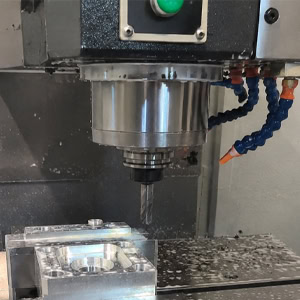
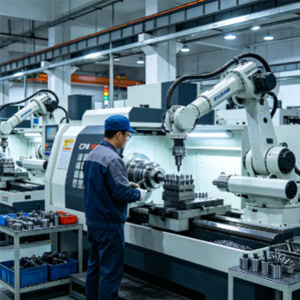
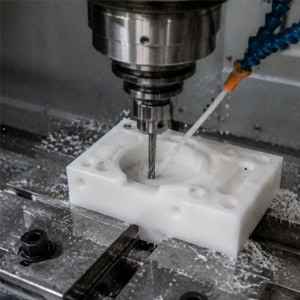
Modern CNC milling machine

List of Common Precision Machining Equipment

In modern precision manufacturing systems, equipment capability directly determines the upper limit of machining accuracy and product quality stability. From complex surface forming to micron-level dimensional control and mass production consistency, different types of equipment play irreplaceable roles throughout the entire manufacturing chain. With increasing demands from industries such as automotive, aerospace, and high-end medical

List of Common Precision Machining Equipment Read More »
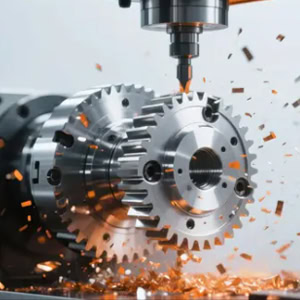
CNC machine tool machining of metal gears

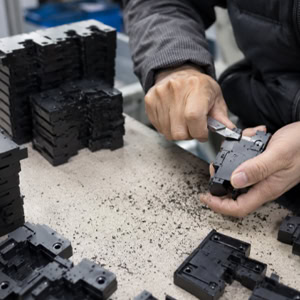
Deburring Methods in Precision Machining Explained

In the continuous development of precision machining toward higher accuracy and consistency, the edge quality of machined parts has become increasingly critical. Processes such as turning, drilling, and milling can form complex geometries, but small burrs, flash, or microscopic metal residues often remain at the edges. Although these defects may appear minor, they can lead

Deburring Methods in Precision Machining Explained Read More »

CNC milling machines in industrial workshops

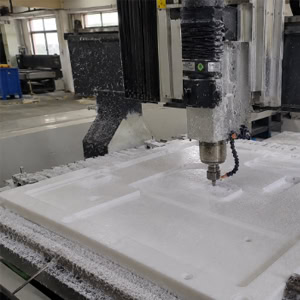
What Equipment Is Required for CNC Machining Plastic Sheets?

CNC machining of plastic sheets has become a very common manufacturing method in modern industry and is widely used in electronic equipment, medical devices, automation equipment, semiconductor equipment, aerospace, and industrial machinery. Whether producing simple plastic brackets and insulation panels or high-precision engineering plastic components, professional equipment is essential. When consulting about plastic sheet machining,

What Equipment Is Required for CNC Machining Plastic Sheets? Read More »

Which Plastics Are Suitable for CNC Turning

Which Plastics Are Suitable for CNC Turning?

As engineering plastics continue to evolve, more industries are replacing certain metal components with plastic parts. Compared with traditional metal materials, plastics offer advantages such as lighter weight, corrosion resistance, electrical insulation, and lower manufacturing costs. Industries including electronics, medical devices, automotive manufacturing, automation equipment, and semiconductors increasingly rely on CNC turning to produce precision

Which Plastics Are Suitable for CNC Turning? Read More »

How to Optimize CNC Turning Processes to Increase Production Capacity

How to Optimize CNC Turning Processes to Increase Production Capacity?

As competition in the manufacturing industry continues to intensify, companies are placing greater emphasis on production efficiency, delivery speed, and cost control. CNC turning is one of the most widely used machining processes, and its efficiency has a direct impact on overall manufacturing performance. While maintaining product quality and dimensional accuracy, manufacturers can increase output

How to Optimize CNC Turning Processes to Increase Production Capacity? Read More »

Factors Affecting CNC Turning Part Quality

Factors Affecting CNC Turning Part Quality

The quality of CNC turning parts directly influences product performance, assembly accuracy, and durability. Many elements in the machining process can affect the final outcome, from machine stability and tool condition to cutting parameters and workpiece properties. Understanding these factors allows manufacturers to optimize production, reduce defects, and achieve consistent high-quality parts. Machine Condition and

Factors Affecting CNC Turning Part Quality Read More »

How to Improve Surface Finish in CNC Turning Parts

How to Improve Surface Finish in CNC Turning Parts?

Surface finish quality is a critical indicator of CNC turning performance, directly influencing part functionality, assembly precision, and long-term durability. Achieving smooth surfaces requires attention to machine condition, tool selection, cutting parameters, and process control. By systematically addressing these factors, manufacturers can enhance surface quality while maintaining efficiency and reducing rework. Machine Tool Condition and

How to Improve Surface Finish in CNC Turning Parts? Read More »

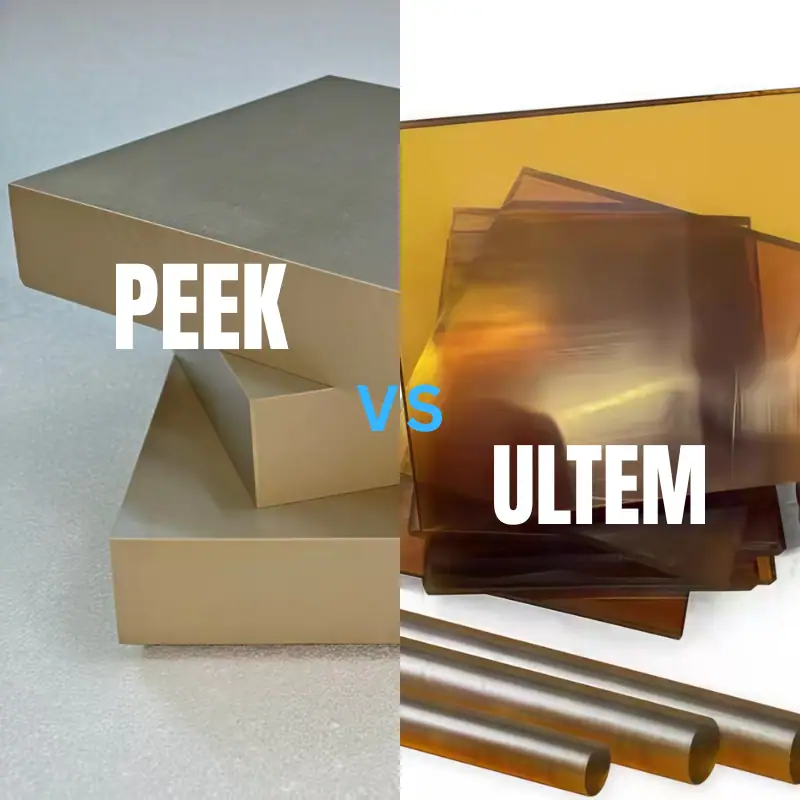
PEEK sheet vs ULTEM sheet comparison for CNC machining high-performance plastic parts

PEEK vs ULTEM: Which Plastic is Best for Your CNC Parts?

Choosing the right material is critical when producing high-performance CNC parts. PEEK and ULTEM are two of the most popular engineering plastics, known for their strength, heat resistance, and chemical stability. Understanding their differences is essential for engineers aiming to optimize performance, durability, and cost. In this article, we’ll compare peek vs ultem across key

PEEK vs ULTEM: Which Plastic is Best for Your CNC Parts? Read More »

ULTEM resin pellets used for high-performance PEI plastic manufacturing, injection molding, and precision engineering components

What Is Ultem? ULTEM Plastic Properties And Uses

In this guide, we’ll explain Ultem plastic properties, common grades, CNC machining performance, advantages, limitations, and industrial applications. You’ll also learn how to choose the right PEI material for precision parts in electronics, aerospace, medical devices, automation, and industrial equipment. What Is Ultem? Ultem is a high-performance engineering plastic known for its heat resistance, strength,

What Is Ultem? ULTEM Plastic Properties And Uses Read More »

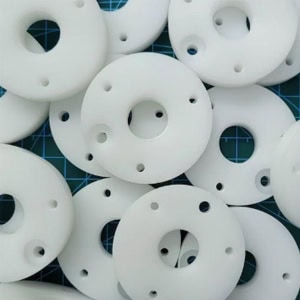
CNC machining scenarios for plastic parts

What Are the CNC Machining Requirements for Plastic Parts in Automation Equipment?

As industrial automation continues to advance, more and more equipment is adopting plastic parts to replace certain metal components. Compared with traditional metal materials, engineering plastics are not only lighter in weight, corrosion-resistant, and electrically insulating, but they also help reduce operational noise and maintenance costs. Consequently, plastic parts are increasingly used in automated production

What Are the CNC Machining Requirements for Plastic Parts in Automation Equipment? Read More »

Scroll to Top
Simplified Table

To ensure successful upload, please compress all files into one .zip or .rar file before uploading.
Upload CAD files (.igs | .x_t | .prt | .sldprt | .CATPart | .stp | .step | .pdf).