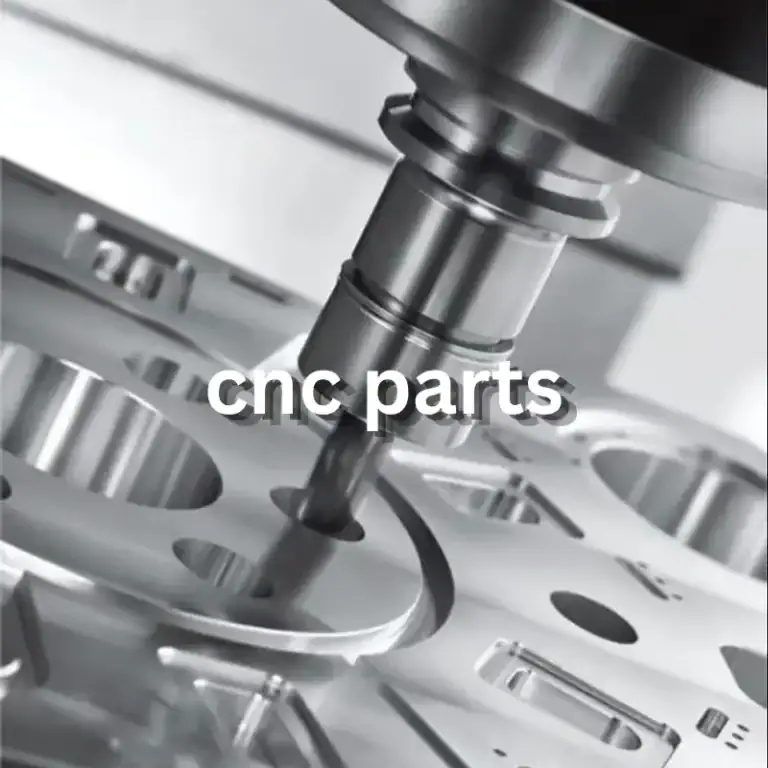
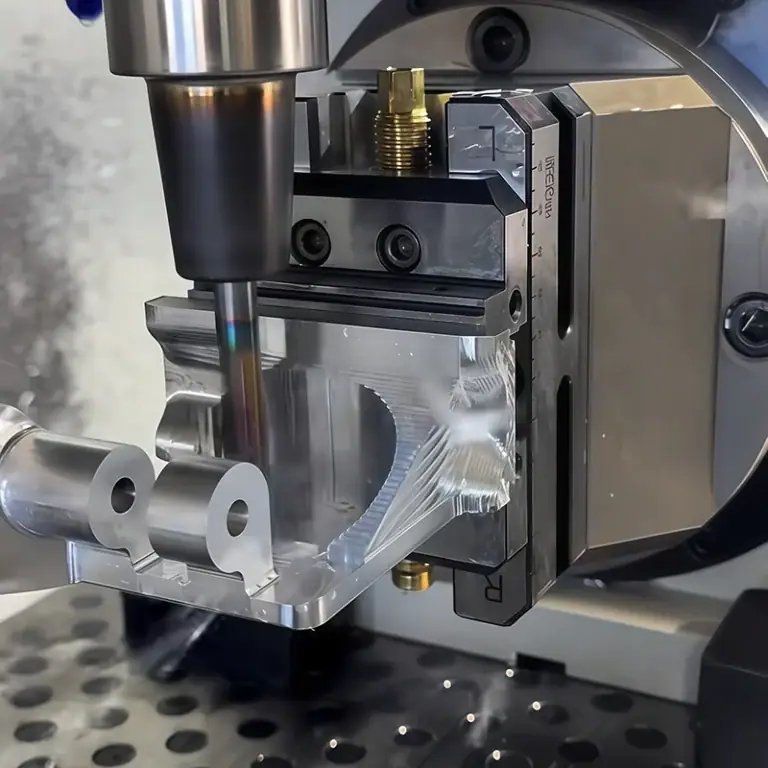
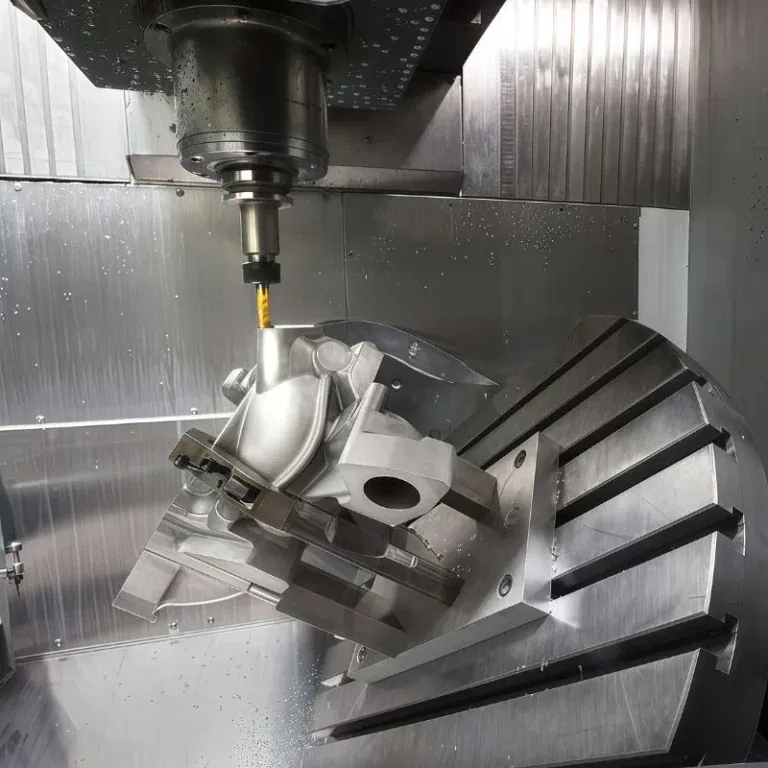
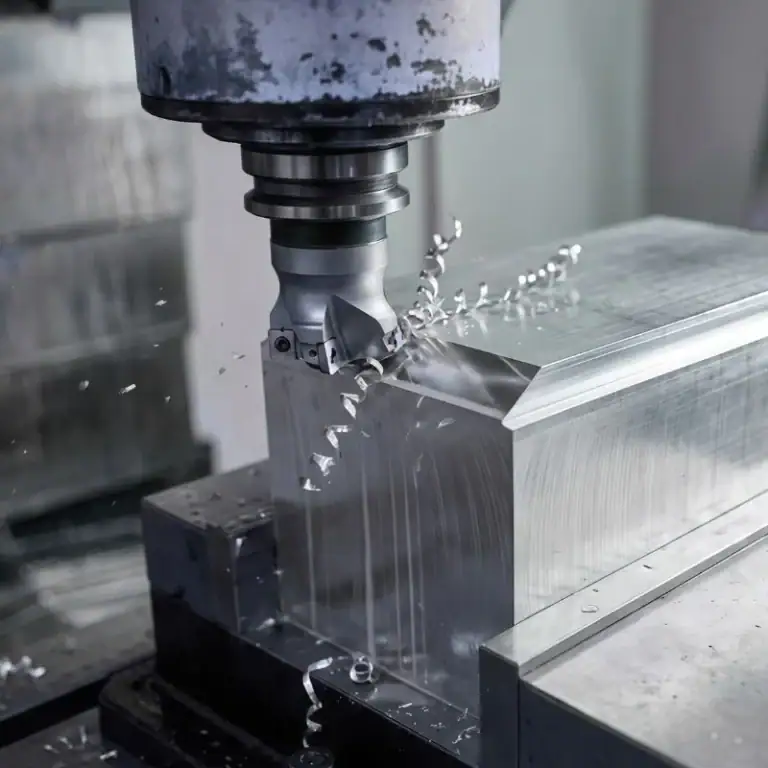
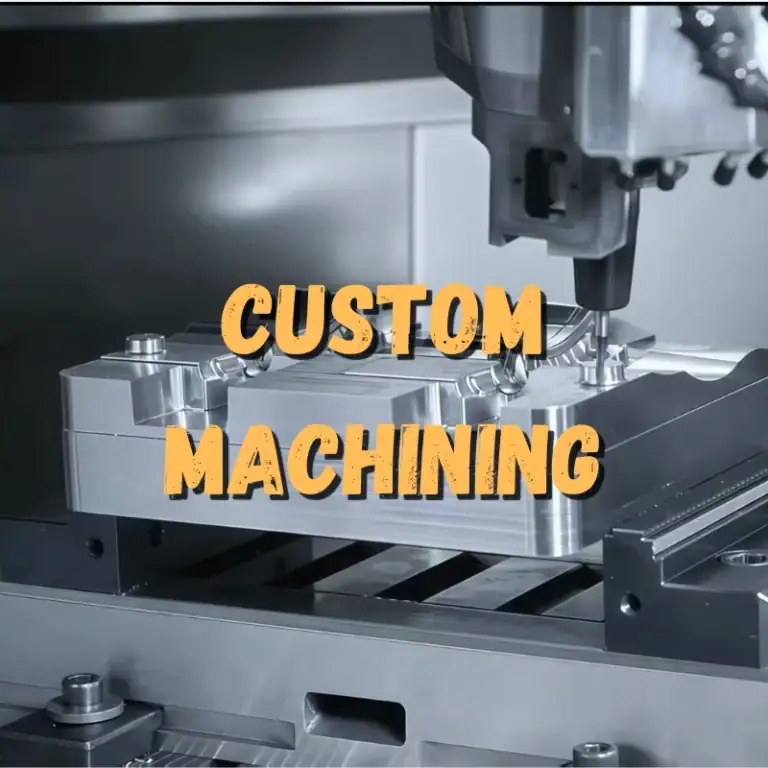
In precision machining, vibration is one of the most common and challenging factors affecting machining quality, especially in high-speed milling, deep cavity machining, and thin-walled part production. Vibration not only reduces surface finish quality but also amplifies dimensional errors and may even lead to tool damage or workpiece rejection. From real manufacturing experience, vibration is rarely caused by a single factor. It is usually the combined result of machine tool rigidity, cutting tool system, cutting parameters, and clamping conditions. A systematic optimization approach is required to maintain stable machining performance under complex working conditions.
Machine Tool Rigidity and Structural Stability Optimization
Machine tool rigidity is the fundamental ability of the entire cutting system to resist external forces. It directly determines whether vibration will be amplified. If the machine structure has slight looseness or insufficient rigidity, even well-optimized cutting parameters may still lead to continuous vibration during machining, affecting surface quality and dimensional consistency. In precision machining, the more stable the structure, the less likely the system will enter resonance zones, resulting in more controllable and predictable machining performance.
Improve Overall Machine Tool Rigidity
Machine structure rigidity determines the stability of cutting force transmission. When rigidity is insufficient, even small force variations can be amplified into noticeable vibration, especially during long-term or heavy-load machining.
- Select high-rigidity gantry or vertical machining centers to improve structural stability
- Regularly inspect guideways, ball screws, and connection clearances
- Ensure a stable and solid machine foundation to avoid resonance
The more compact and rigid the structure, the harder it is for external cutting forces to amplify vibration, resulting in better machining stability.
Optimize Dynamic Stability
Dynamic stability determines vibration resistance during high-speed operation and is closely related to spindle performance and control response.
- Improve spindle dynamic balance grade to reduce high-speed eccentric vibration
- Avoid operating within resonance speed ranges for long periods
- Optimize acceleration and deceleration curves for smoother motion
Better dynamic stability leads to smaller vibration fluctuations during high-speed machining and more consistent surface quality.
Control Thermal Deformation
Temperature changes cause micro-deformation of the machine structure, which indirectly affects vibration behavior, especially during long machining cycles.
- Ensure sufficient warm-up before machining
- Maintain stable workshop temperature conditions
- Improve cooling management of spindle and key components
More stable temperature conditions lead to higher structural consistency and lower vibration levels.
Tool System and Cutting Condition Optimization
The tool system directly interacts with the workpiece, and its length, rigidity, and wear condition significantly affect vibration behavior. When tool rigidity is insufficient or wear is severe, cutting force fluctuations increase, leading to chatter and unstable machining. Therefore, optimizing the tool system is a key strategy for reducing vibration.
Control Tool Overhang Length
Longer tool overhang reduces rigidity and increases the likelihood of vibration during cutting, especially in deep cavity machining.
- Minimize tool extension length to improve rigidity
- Use short tools or anti-vibration tool holders for deep cavities
- Avoid unnecessary tool extension structures
A more compact tool setup provides better stability and reduces vibration during cutting.
Optimize Tool Structure Selection
Different tool geometries have different vibration suppression capabilities.
- Use variable pitch tools to reduce resonance risk
- Apply solid carbide tools for higher rigidity
- Choose coated tools to improve cutting stability
Well-designed tools help distribute cutting forces and reduce vibration formation.
Maintain Sharp Cutting Tools
Tool wear increases cutting resistance and amplifies vibration.
- Replace or regrind tools regularly
- Avoid using tools beyond their service life
- Select dedicated tools based on material type
Sharp tools provide smoother cutting, more stable forces, and lower vibration.
Cutting Parameter and Machining Strategy Optimization
Cutting parameters directly influence vibration behavior. Improper settings may enter resonance zones and significantly amplify vibration, affecting machining quality. Proper parameter matching and machining strategy optimization are required to maintain system stability.
Optimize Spindle Speed to Avoid Resonance Zones
Different machines have specific vibration frequency ranges where resonance occurs. When spindle speed approaches these ranges, vibration is amplified.
- Adjust spindle speed to avoid unstable vibration zones
- Use high-speed stable cutting strategies
- Conduct trial cuts to identify stable parameter ranges
Proper speed selection helps avoid vibration amplification.
Control Feed Rate and Cutting Load
Feed rate and cutting load directly determine cutting impact intensity. Excessive load increases vibration significantly.
- Use small-step, multi-pass cutting strategies
- Avoid sudden heavy cutting engagement
- Maintain smooth and continuous feed motion
Stable load conditions reduce vibration fluctuations.
Layered and Light Cutting Strategy
Proper machining strategy reduces sudden cutting impact and improves stability.
- Use layered rough machining to reduce load
- Reduce depth of cut during finishing
- Avoid single heavy cutting operations
Smoother cutting processes help suppress vibration effectively.
Fixture Design and Workpiece Clamping Optimization
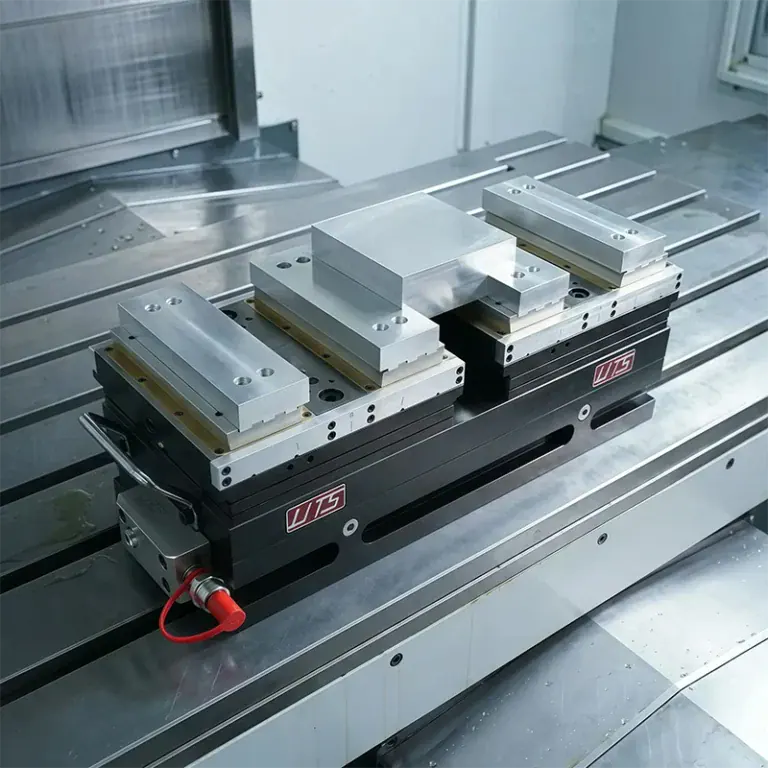
Fixture systems are often underestimated in vibration control, but many vibration issues originate from unstable workpiece clamping. Insufficient fixture rigidity or uneven force distribution can amplify small cutting vibrations and affect machining accuracy.
Improve Fixture Rigidity
Insufficient fixture rigidity causes micro-movement of the workpiece during cutting, which amplifies vibration.
- Use high-rigidity fixture materials
- Increase support points for better stability
- Reduce overhanging or unsupported structures
A more stable fixture reduces workpiece movement and improves vibration control.
Optimize Clamping Force Distribution
Uneven clamping force leads to localized stress concentration and system imbalance.
- Use multi-point uniform clamping methods
- Avoid excessive force on one side
- Add support structures for thin-walled parts
Even force distribution improves overall system stability.
Reduce Workpiece Deformation Space
Greater deformation space increases vibration amplification, especially in thin-walled structures.
- Control clamping force within reasonable limits
- Avoid excessive compression of thin walls
- Use flexible or adaptive fixtures when necessary
Less deformation leads to more stable machining conditions.
In precision machining, vibration control is a systematic engineering challenge requiring coordinated optimization of machine tools, cutting tools, parameters, and fixtures. Only when the entire system is stable can local fluctuations be prevented from being amplified, enabling high precision and consistent machining quality. Tirapid provides professional precision machining solutions to help manufacturers improve stability and production consistency.