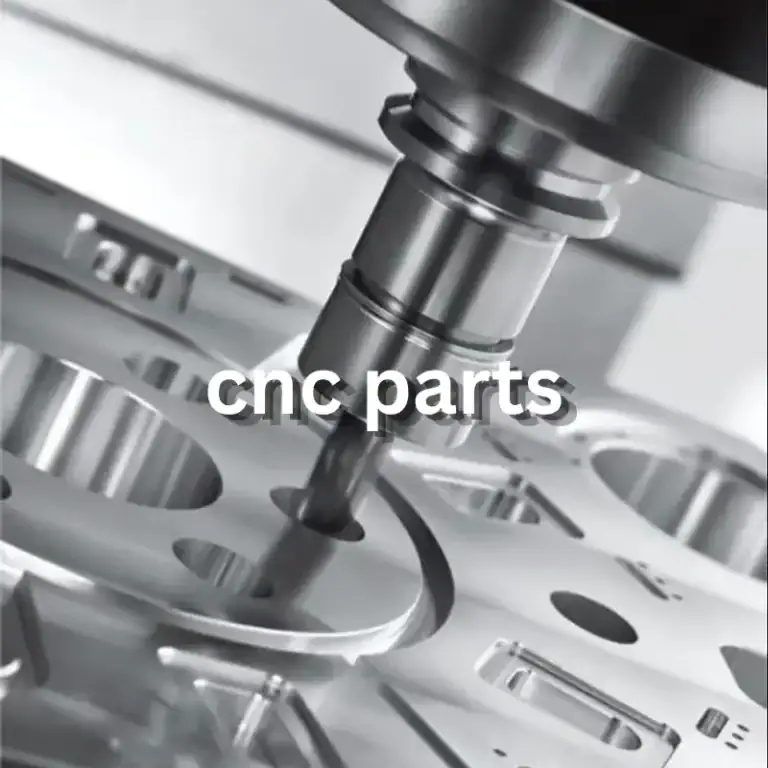
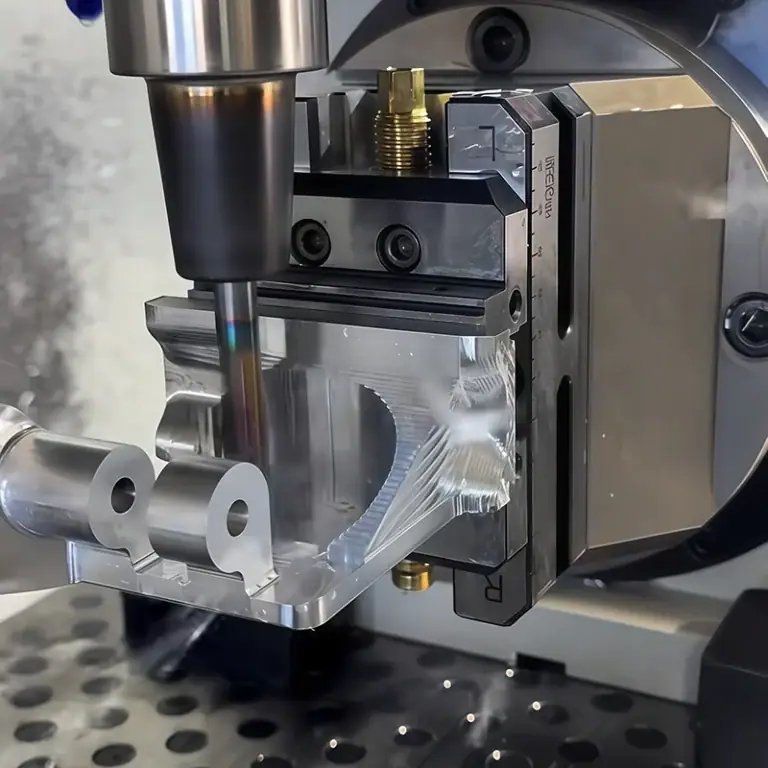
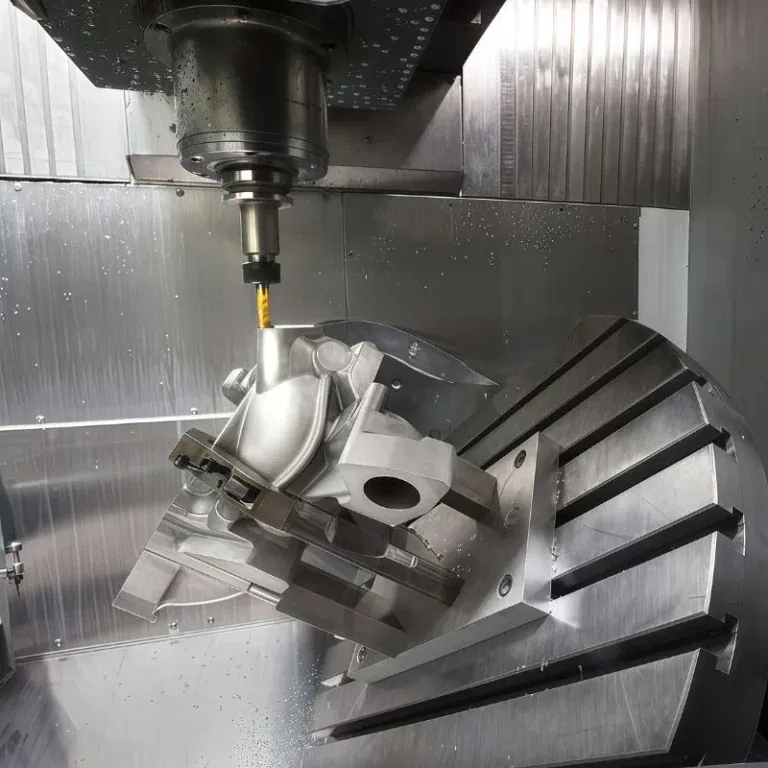
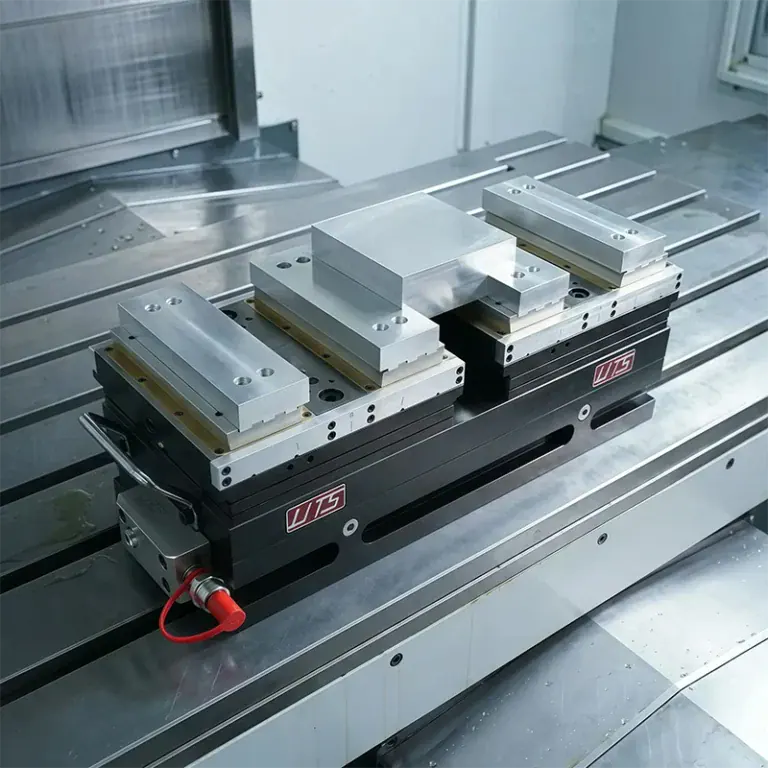
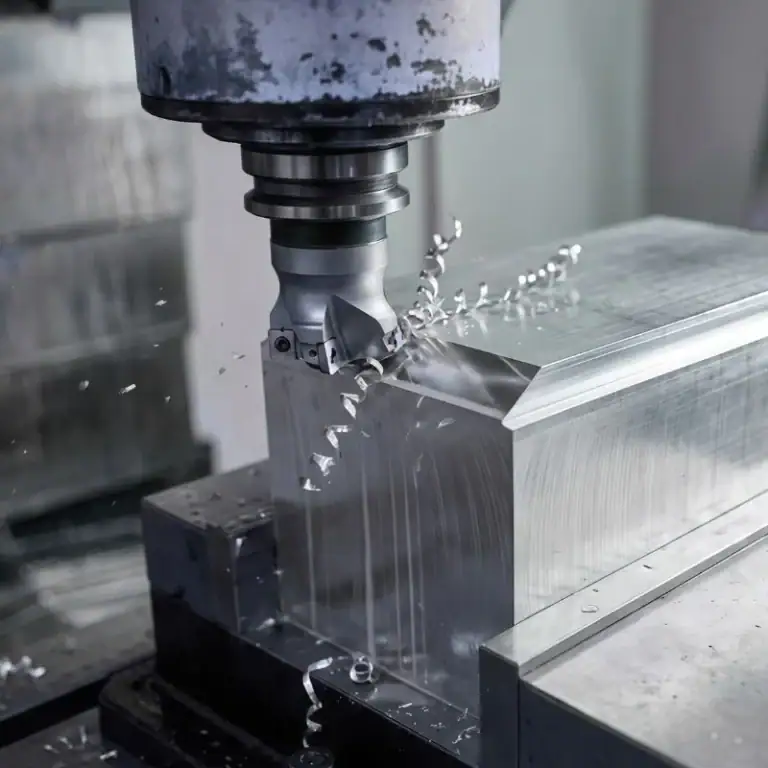
In precision machining production, unstable quality is one of the most common challenges faced by manufacturers. It often appears as dimensional variation, inconsistent surface finish, local deformation, burr formation, and poor batch-to-batch repeatability. These problems are rarely caused by a single factor. Instead, they result from the combined influence of material condition, machine accuracy, tool wear, cutting parameters, clamping methods, and process planning. Improving stability requires a systematic approach that controls every stage of the machining chain rather than relying on isolated adjustments.
Start from Material and Incoming Quality Stability
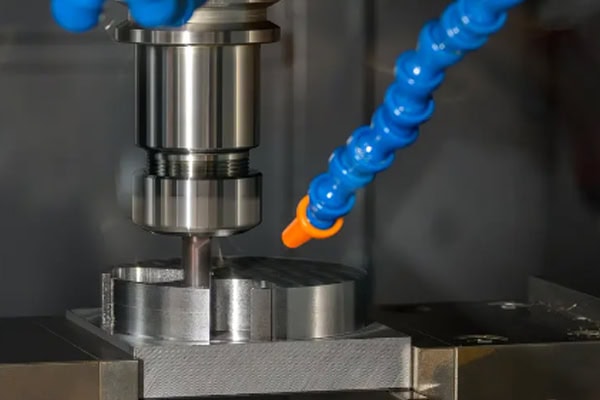
The foundation of machining quality begins with the material itself. If there are variations between batches or instability in internal structure and stress conditions, inconsistent results may still occur even when machining parameters remain unchanged. Therefore, material control is a fundamental factor that determines baseline stability.
Control Material Batch Consistency
Different material batches may show differences in hardness, grain structure, and heat treatment condition. These variations can be amplified during precision machining and affect final accuracy and surface quality.
- Use materials from the same supplier batch whenever possible
- Establish strict incoming inspection and classification standards
- Avoid mixing materials with different heat treatment states
- Track material traceability for critical components
Higher material consistency leads to more predictable machining performance.
Check Internal Stress and Material Structure
Uneven release of internal stress can lead to deformation or dimensional drift during machining, often appearing after several processing steps.
- Use stress-relieved materials whenever possible
- Perform rough machining to release internal stress
- Avoid untreated castings or unstable forged blanks
Stable internal structure reduces unpredictable deformation during machining.
Optimize Storage Conditions and Environment
Storage conditions can also influence material stability, especially for precision components sensitive to environmental changes.
- Maintain stable temperature and humidity in storage areas
- Prevent long-term exposure to moisture or oxidation
- Use proper labeling and classification for different materials
A stable storage environment helps maintain consistent material performance.
Optimize Machine Tool and Equipment Condition
Machine tools are the core execution platform in precision machining. Their rigidity, accuracy, and thermal stability directly determine repeatability. Any mechanical wear or thermal drift can introduce deviations even under identical machining parameters.
Maintain Machine Accuracy and Structural Rigidity
Insufficient rigidity or mechanical backlash can amplify cutting errors and reduce dimensional stability.
- Regularly inspect guideways, ball screws, and mechanical clearances
- Perform periodic geometric accuracy calibration
- Ensure a solid and vibration-free machine foundation
Stable machine structure ensures consistent machining results.
Control Spindle and Motion System Condition
Spindle and servo system performance directly affect cutting stability and are major contributors to variation.
- Check spindle runout and dynamic balance regularly
- Avoid prolonged overload machining conditions
- Maintain consistent servo response behavior
Reliable motion systems improve machining consistency.
Manage Thermal Stability of Equipment
Thermal variation can cause micro-deformation in machine structures, affecting accuracy over time.
- Preheat machines before precision machining operations
- Maintain stable workshop temperature conditions
- Ensure proper cooling of spindle and key components
Better thermal stability improves dimensional consistency significantly.
Stable Control of Tools and Cutting Process
Tool condition and cutting behavior have a direct impact on machining stability. Wear, improper parameters, or unstable cutting conditions can quickly amplify quality variations.
Maintain Sharp and Consistent Tools
Tool wear changes cutting forces and leads to unstable machining results, especially in batch production.
- Replace or regrind tools regularly
- Avoid exceeding tool service life
- Use consistent tool standards within the same production batch
- Monitor tool wear conditions during production
Consistent tool condition ensures stable cutting behavior.
Optimize Cutting Parameter Matching
Improper cutting parameters can cause load fluctuations and unstable machining behavior.
- Avoid mismatched feed rate and spindle speed
- Use stepwise cutting strategies for heavy material removal
- Build standardized parameter libraries for different materials
Well-matched parameters ensure smoother machining processes.
Control Toolpath Stability
Unstable toolpaths may cause sudden cutting direction changes, affecting surface quality and dimensional accuracy.
- Optimize toolpaths to reduce sharp turns and abrupt transitions
- Avoid frequent start-stop cutting actions
- Use continuous and smooth machining strategies
- Reduce unnecessary tool re-entry points
Stable toolpaths improve surface consistency.
Fixture Design and Process Optimization
Fixtures and process planning are often overlooked factors that significantly influence machining consistency. Poor clamping or improper process sequencing can introduce variation even under stable machine and tool conditions.
Improve Fixture Rigidity and Repeatability
Unstable fixtures lead to inconsistent positioning, directly affecting repeat machining accuracy.
- Use high-rigidity fixture structures
- Improve datum repeatability and positioning accuracy
- Reduce assembly and human-induced variations
- Strengthen fixture base stability
Better fixtures ensure higher repeatability.
Control Clamping Force and Workpiece Deformation
Improper clamping can deform workpieces and cause dimensional recovery errors after machining.
- Avoid over-clamping thin-walled parts
- Use multi-point uniform clamping methods
- Adjust clamping force based on material properties
- Add auxiliary supports when necessary
Deformation control directly improves dimensional stability.
Optimize Process Sequence
Incorrect process order can amplify internal stress release and lead to unstable finishing results.
- Perform rough machining first to release internal stress
- Follow with precision finishing operations
- Plan machining sequence logically and consistently
- Avoid unnecessary intermediate handling steps
A well-structured process improves overall stability.
In precision machining, unstable quality is rarely caused by a single factor. It is usually the result of multiple system-level deviations combined. Only through comprehensive optimization of materials, equipment, tools, parameters, and process planning can long-term stable production be achieved. Tirapid provides professional precision machining solutions to help manufacturers improve stability and consistency in production.