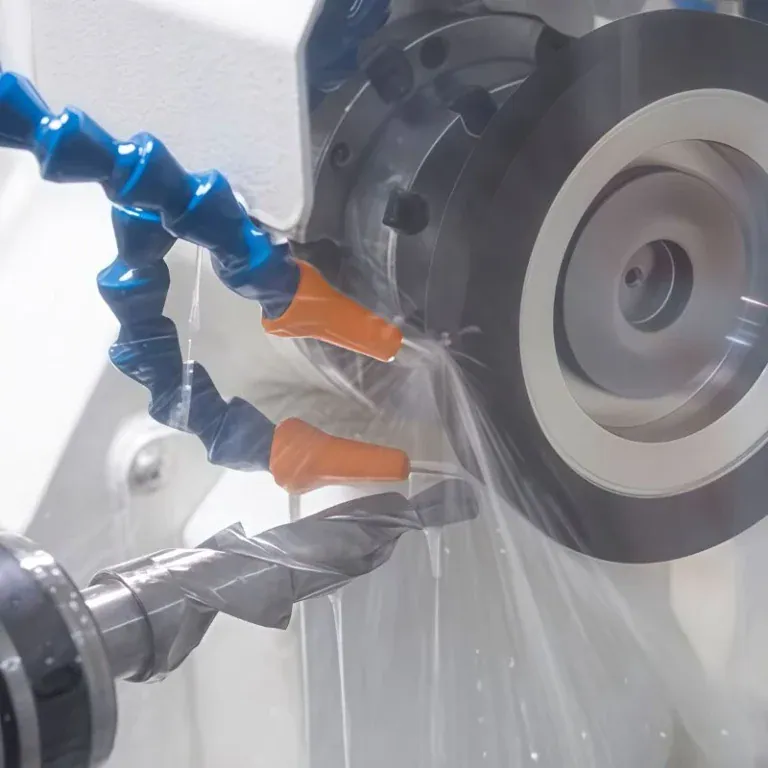
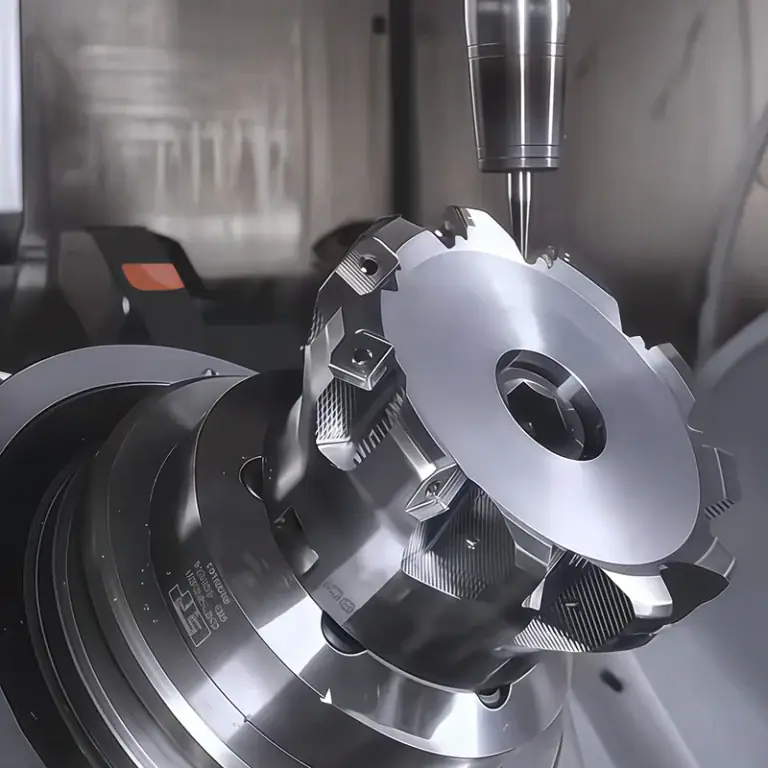
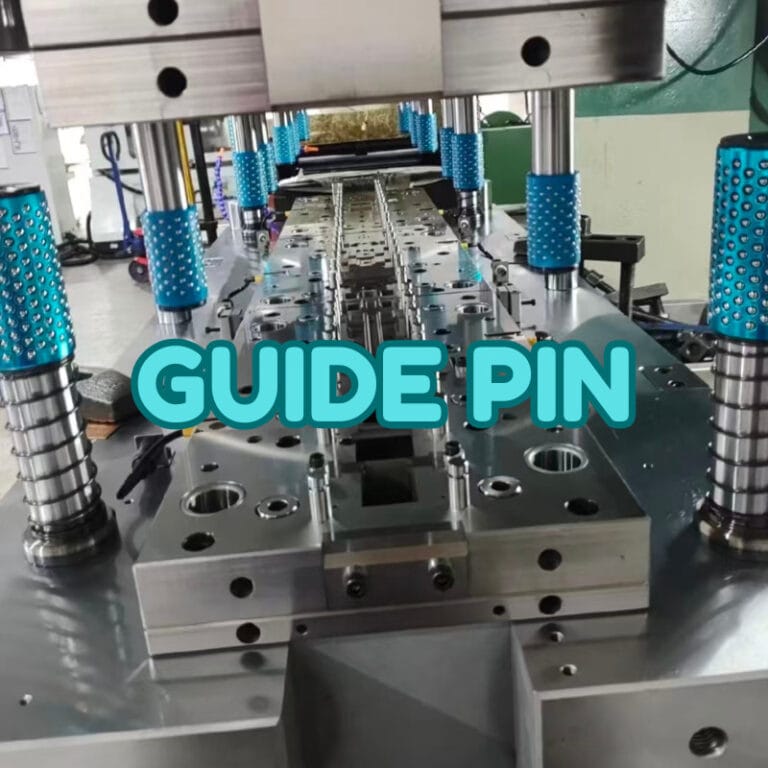
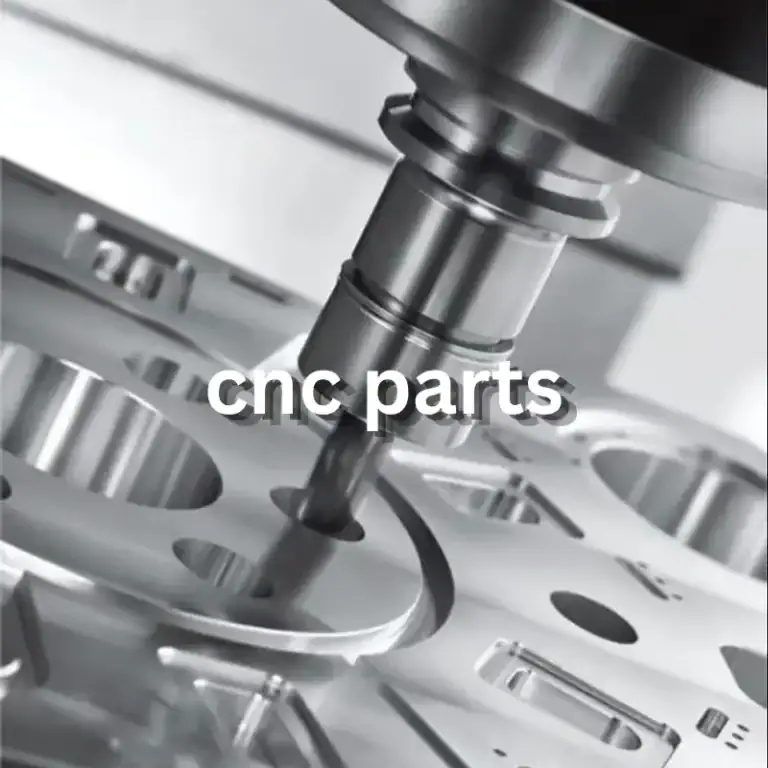
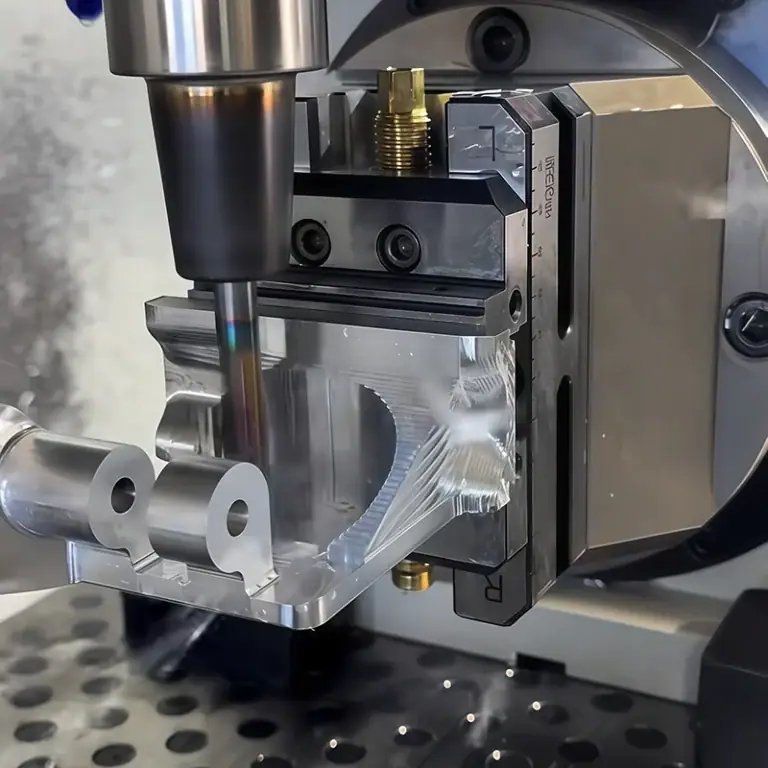
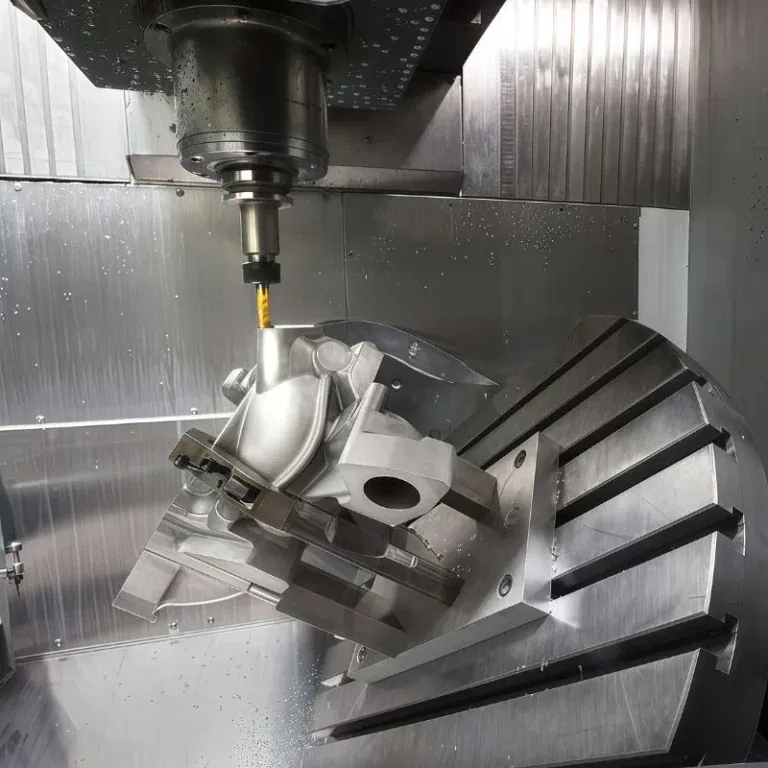
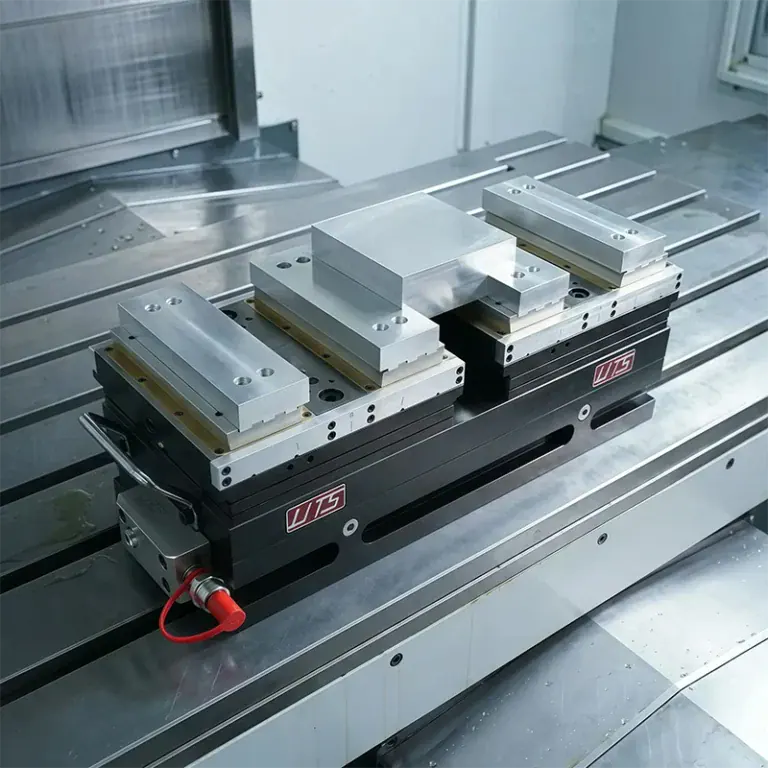
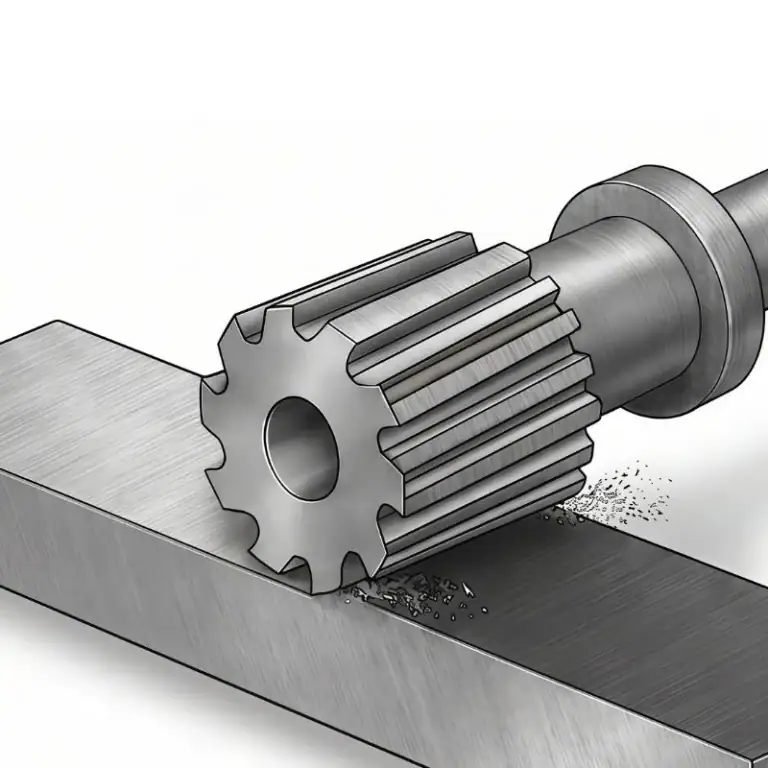
In modern manufacturing, CNC turning and casting are two widely used production processes for mechanical components. Both methods are extensively applied in machinery manufacturing, automotive production, aerospace engineering, energy equipment, and automation industries. Casting is suitable for producing large and complex parts, while CNC turning has become a preferred solution for precision components due to its high accuracy, efficiency, and consistent machining quality. As product quality requirements continue to increase, many manufacturers are replacing certain traditional casting processes with CNC turning. Understanding the differences between these two manufacturing methods helps companies select the most suitable production solution, improve efficiency, and reduce overall manufacturing costs.
CNC Turning Delivers Higher Machining Accuracy
For mechanical components, dimensional accuracy and geometric precision directly affect product performance. Many industrial systems require tight tolerances to ensure proper operation and assembly. CNC turning uses computerized numerical control systems to achieve highly repeatable and accurate machining results. Compared with conventional casting processes, CNC turning significantly reduces dimensional deviations and improves product consistency.
CNC Systems Ensure Consistent Dimensions
CNC turning machines operate according to digital programs, with every machining step controlled by predefined parameters. Even during high-volume production runs, component dimensions remain highly consistent. This level of stability is especially valuable for manufacturers that require long-term and continuous product supply.
- Minimal machining errors
- High product consistency
- Stable repeatability
- Reduced human influence
- Improved production reliability
- Suitable for precision assemblies
Stable dimensional control reduces rework and scrap rates while improving product quality and manufacturing efficiency.
Easier Achievement of Tight Tolerances
Many advanced industrial components require extremely tight dimensional tolerances. CNC turning can achieve micron-level precision through high-performance cutting tools and precise program control. Cast parts often require additional machining operations before they can meet similar accuracy requirements.
- Strong tolerance control capability
- Higher dimensional precision
- Suitable for complex assemblies
- Ideal for precision equipment
- Reduced secondary machining
- Improved product performance
This capability gives CNC turning a significant advantage in precision manufacturing applications.
More Stable Geometric Accuracy
Geometric characteristics such as roundness, concentricity, and perpendicularity have a major impact on component performance. CNC turning provides stable and repeatable control of these critical features.
- Excellent roundness control
- Stable concentricity
- Precise perpendicularity
- Reduced assembly errors
- Improved operational stability
- Enhanced product reliability
Superior geometric accuracy contributes to better machine performance and longer service life.
CNC Turning Produces Better Surface Quality
Surface quality influences not only appearance but also friction behavior, sealing performance, and wear resistance. Compared with cast components, which may contain porosity, sand holes, or rough textures, CNC turning can directly achieve high-quality surface finishes.
Higher Surface Finish Quality
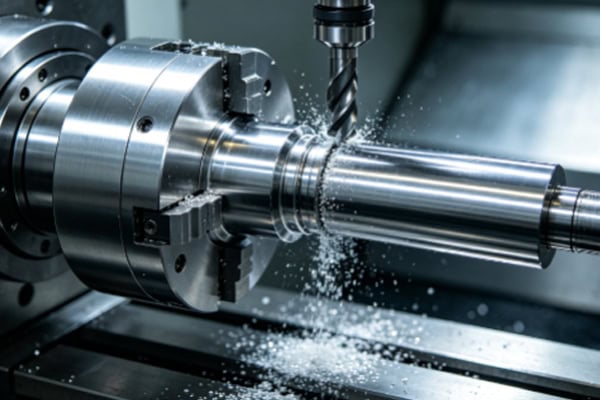
During turning operations, cutting tools follow a controlled path and continuously remove material, creating smooth and uniform surface textures.
- Lower surface roughness
- Excellent appearance quality
- Reduced finishing operations
- Improved product value
- Better fitting accuracy
- Enhanced functional performance
High-quality surfaces minimize polishing and finishing costs while improving overall product quality.
Reduced Risk of Surface Defects
Casting processes may generate shrinkage cavities, porosity, and inclusions. CNC turning uses solid raw materials, greatly reducing the likelihood of such defects.
- Reduced porosity issues
- Lower shrinkage risks
- Improved material integrity
- Better product reliability
- Extended service life
- Reduced quality concerns
A more uniform material structure improves overall component performance and durability.
Better for Precision Mating Components
For shafts, bushings, seals, and other precision mating components, surface quality directly affects functionality, reliability, operational efficiency, and long-term performance.
- Improved sealing performance
- Reduced friction
- Enhanced wear resistance
- Better assembly quality
- Improved operating efficiency
- Longer component lifespan
Superior surface conditions allow CNC-turned parts to meet demanding industrial requirements.
CNC Turning Offers Greater Production Flexibility
As market demands change rapidly, manufacturers increasingly value production flexibility and shorter delivery times. Compared with casting, which typically requires dedicated mold development, CNC turning provides greater adaptability during product development and manufacturing.
No Complex Mold Manufacturing Required
Casting generally requires specialized mold design and production before manufacturing can begin. CNC turning only requires programming and machine setup.
- Shorter preparation time
- Lower development costs
- Improved manufacturing efficiency
- Faster production startup
- Reduced initial investment
- Quicker project response
The elimination of mold requirements makes CNC turning ideal for projects with tight schedules.
Ideal for Low-Volume Production
Small-batch production is common during product development, prototype validation, and market testing stages. Unlike casting, which requires significant investment in molds, CNC turning can begin production immediately using CNC programs. Manufacturers can adjust production volumes according to demand without incurring high tooling expenses.
- Flexible production planning
- Reduced inventory pressure
- Shorter lead times
- Faster customer response
- Support for custom manufacturing
- Lower prototype costs
This flexibility helps businesses adapt more effectively to changing market conditions.
Easier Design Modifications
Design changes are common during product development. CNC turning allows manufacturers to implement modifications quickly by updating machining programs.
- Fast adjustments
- Lower modification costs
- Improved development efficiency
- Shorter product iteration cycles
- Reduced resource waste
- Increased competitiveness
Rapid adaptation capabilities help accelerate product development and market introduction.
CNC Turning Provides Better Material Utilization
Material expenses often account for a large percentage of total manufacturing costs, especially when producing precision components or using high-value metals and engineering materials. By optimizing raw material usage and minimizing unnecessary waste during production, manufacturers can effectively lower operating expenses, improve profitability, and achieve greater efficiency throughout the entire manufacturing process while maintaining consistent product quality and performance standards.
Reduced Scrap Generation
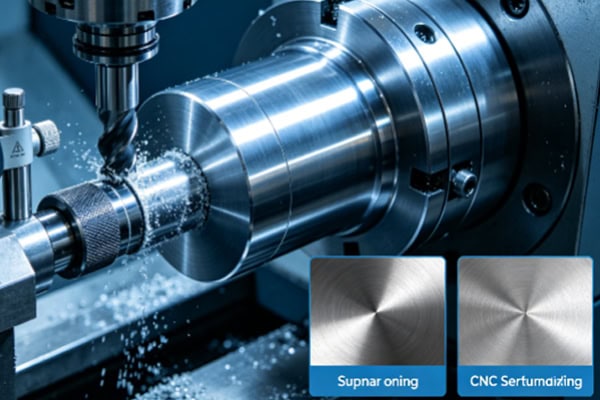
The stability and controllability of CNC machining help reduce defects caused by process variation, ensuring consistent quality, minimizing production errors, improving manufacturing efficiency, and reducing material waste during large-scale production.
- Higher production yields
- Less rework
- Lower scrap costs
- Improved resource utilization
- Greater production stability
- Better cost control
Higher yields contribute directly to increased profitability and manufacturing efficiency.
More Stable Material Properties
CNC turning commonly utilizes bar stock or forged materials, which typically possess more uniform internal structures than castings, resulting in improved consistency, reliability, mechanical strength, and overall machining performance.
- Stable material structure
- Excellent strength
- Fewer internal defects
- Improved reliability
- Longer service life
- Suitable for high-performance applications
Consistent material quality supports superior product performance and reliability.
Ideal for High-Value Materials
For expensive materials such as titanium alloys, stainless steel, and heat-resistant alloys, CNC turning provides better quality control and material efficiency.
- Reduced material waste
- Improved utilization rates
- Consistent machining quality
- Better cost management
- Suitable for advanced manufacturing
- Increased product value
Efficient processing of costly materials helps maximize economic returns.
CNC Turning Better Supports Smart Manufacturing
With the growth of digital factories and automated production systems, manufacturers are placing greater emphasis on intelligent manufacturing solutions. CNC turning naturally integrates with modern automation and digital management technologies.
Supports Automated Production
CNC equipment can seamlessly integrate with robotic systems, automated loading and unloading devices, and smart control technologies to support continuous production, improve efficiency, reduce labor requirements, and enhance overall manufacturing consistency and reliability.
- Higher production efficiency
- Reduced labor costs
- Lower human error rates
- Continuous production capability
- Improved machine utilization
- Support for large-scale manufacturing
Automation enhances productivity while strengthening manufacturing competitiveness.
Easier Digital Management
Production data can be recorded and analyzed in real time, providing valuable information for process optimization and quality control.
- Real-time monitoring
- Improved management efficiency
- Quality traceability
- Optimized workflows
- Better decision-making
- Enhanced operational performance
Digital management systems help manufacturers establish more efficient and transparent production environments.
Meets High-End Manufacturing Requirements
Industries such as aerospace, medical devices, and renewable energy require increasingly sophisticated precision components. CNC turning is well suited to meet these demanding standards.
- High machining accuracy
- Consistent product quality
- Capability for complex components
- Compliance with industry standards
- Improved competitiveness
- Support for industrial advancement
As manufacturing technology continues to evolve, CNC turning will play an increasingly important role in advanced industrial applications.