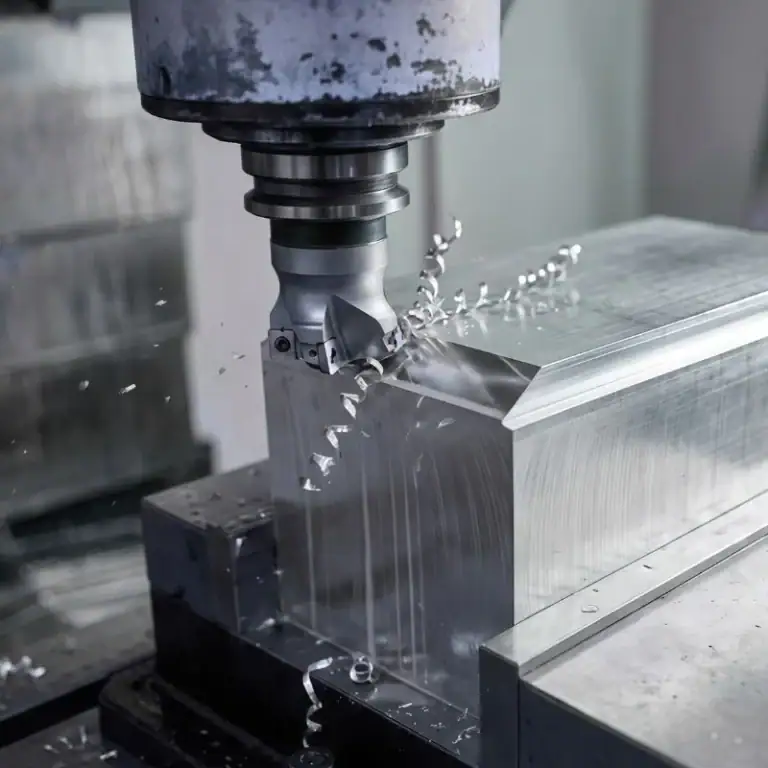
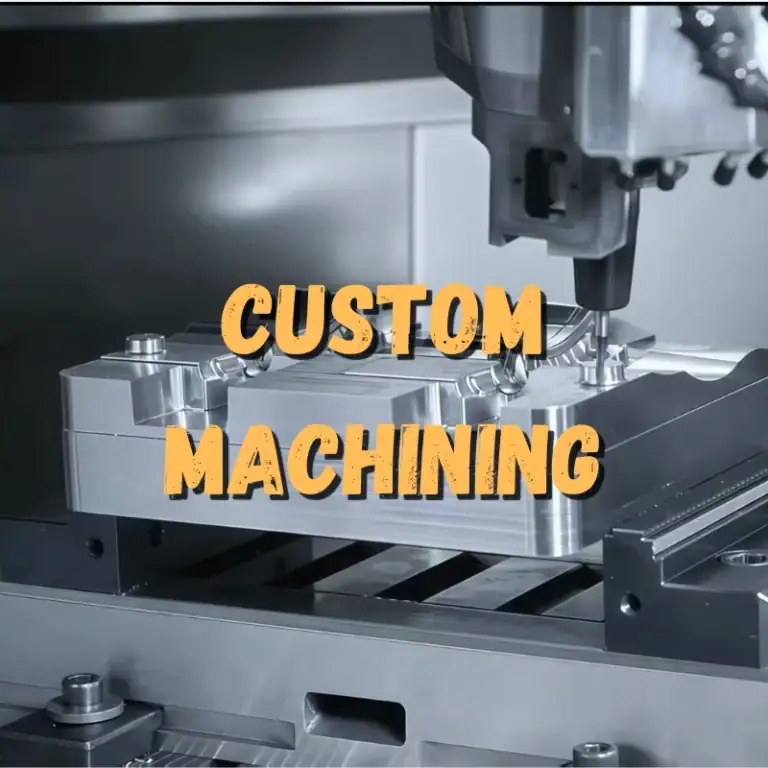
Aluminum is one of the most widely used metal materials in modern manufacturing. It is commonly found in aerospace, automotive manufacturing, electronics, automation equipment, medical devices, and new energy industries. Due to its lightweight properties, high strength-to-weight ratio, corrosion resistance, and excellent machinability, aluminum has become one of the most important materials for CNC turning operations. Compared with many hard metals, aluminum generates lower cutting resistance, allows faster machining speeds, and produces excellent surface finishes while maintaining high dimensional accuracy. For manufacturers seeking a balance between productivity, quality, and cost efficiency, aluminum is often an ideal material choice.
Aluminum Offers Excellent Machining Performance
The machinability of a material directly affects production efficiency, tool life, and final product quality. Aluminum is widely preferred in CNC turning because of its moderate hardness, good ductility, and stable cutting behavior. These characteristics allow manufacturers to achieve efficient production while maintaining consistent machining results.
Low Cutting Resistance
Aluminum is significantly softer than most steels and high-temperature alloys, resulting in lower cutting forces during machining. Reduced cutting resistance allows machines to operate at higher speeds while maintaining stability. Lower cutting loads also reduce the risk of workpiece deformation and help maintain dimensional accuracy throughout the machining process. This advantage is particularly valuable in high-volume manufacturing environments where productivity and consistency are critical.
- Lower machining loads
- Smoother spindle operation
- Higher machining efficiency
- Reduced workpiece deformation
- Less machine wear
- Increased production capacity
Lower cutting resistance helps manufacturers improve productivity while reducing stress on machining equipment.
Excellent Chip Removal Performance
Efficient chip evacuation is essential for maintaining machining quality and process stability. Aluminum typically produces continuous chips that are easy to remove when proper cutting parameters are applied. Effective chip control reduces the risk of chip accumulation, prevents secondary cutting, and helps protect cutting tools from damage. Clean chip evacuation also contributes to improved surface quality and uninterrupted production.
- Smooth chip evacuation
- Reduced built-up edge formation
- Less chip entanglement
- Improved process continuity
- Better surface finish
- Enhanced production stability
Reliable chip control supports long production runs and maximizes machine utilization.
Suitable for High-Speed Machining
Because aluminum has excellent thermal conductivity and relatively low cutting resistance, it is highly suitable for high-speed machining operations. Modern CNC lathes can take full advantage of these characteristics to achieve exceptional productivity.
- Ideal for high-speed cutting
- Shorter machining cycles
- Increased production output
- Improved machine utilization
- Lower cost per part
- Greater manufacturing efficiency
High-speed machining capability is one of the key reasons aluminum remains a popular material for CNC turning.
Aluminum Can Achieve Excellent Surface Quality
Surface quality affects not only the appearance of a product but also assembly performance, functionality, and subsequent finishing operations. Aluminum can achieve superior surface finishes when processed under optimized CNC turning conditions.
Outstanding Surface Finish
Aluminum’s uniform material structure and stable cutting characteristics make it possible to achieve smooth and consistent surface textures. With the correct tooling and cutting parameters, manufacturers can produce components with very low surface roughness values.
- High surface smoothness
- Low roughness values
- Excellent appearance quality
- Easier post-processing
- Enhanced product value
- Suitable for precision applications
High-quality surfaces reduce the need for additional finishing operations and improve overall product quality.
Ideal for Anodizing
Many aluminum components undergo anodizing to improve corrosion resistance, wear resistance, and appearance. A well-machined surface provides an excellent foundation for achieving uniform anodized coatings.
- Uniform anodized layers
- Improved corrosion resistance
- Enhanced wear resistance
- Better appearance
- Increased product value
- Longer service life
The better the machining quality, the more effective the anodizing process will be.
Suitable for Precision Appearance Components
Consumer electronics and high-end industrial products often require exceptional visual quality. Aluminum is capable of meeting these demanding appearance standards while maintaining precise dimensional control.
- Consistent appearance
- Excellent detail quality
- Premium product aesthetics
- Stable machining accuracy
- Suitable for complex designs
- Meets market expectations
Its attractive appearance makes aluminum a preferred material for premium products.
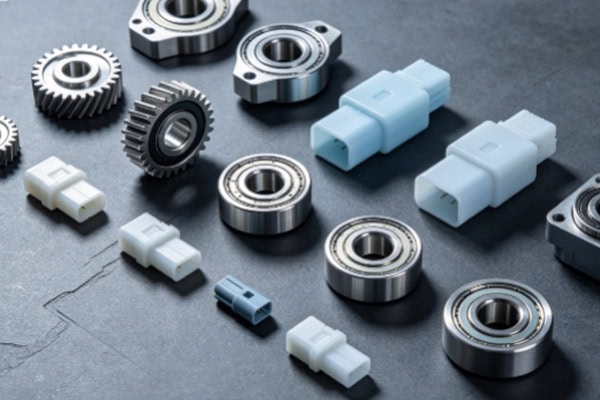
Aluminum Helps Improve Production Efficiency
Production efficiency remains a key concern for manufacturers. Since aluminum is relatively easy to machine, it enables shorter machining cycles and higher output levels compared with many other metals.
Shorter Machining Cycles
Aluminum supports higher cutting speeds and feed rates, significantly reducing the time required to manufacture each component. This advantage becomes increasingly important in large-scale production environments.
- Higher cutting speeds
- Reduced machining time
- Increased daily output
- Better machine efficiency
- Shorter lead times
- Improved customer satisfaction
Shorter production cycles allow manufacturers to process more orders and increase capacity.
Extended Tool Life
Because aluminum is softer than many engineering metals, it causes less wear on cutting tools. As a result, tools can maintain their cutting performance for longer periods.
- Reduced tool consumption
- Fewer tool changes
- Improved production continuity
- Lower operating costs
- Higher machine uptime
- Consistent product quality
Longer tool life contributes to better productivity and reduced manufacturing expenses.
Reduced Machine Load
Machining aluminum places less stress on machine spindles and mechanical systems. This contributes to smoother operation and improved equipment longevity.
- Reduced spindle load
- Less mechanical wear
- Improved operational stability
- Longer machine life
- Lower maintenance costs
- Greater production reliability
Reduced machine stress helps preserve equipment accuracy and performance over time.
Common Aluminum Alloys Are Well Suited for CNC Turning
Various aluminum alloy grades are available to meet different application requirements. Manufacturers can choose the most suitable alloy according to strength, corrosion resistance, and performance needs.
6061 Aluminum Alloy Is Widely Used
6061 aluminum offers an excellent balance of strength, corrosion resistance, and machinability. It is one of the most commonly used aluminum grades across multiple industries.
- Excellent machinability
- Good strength
- Strong corrosion resistance
- Cost-effective
- Wide application range
- Easy material availability
Its balanced properties make it suitable for a broad range of industrial components.
7075 Aluminum Alloy for High-Strength Components
7075 aluminum is known for its exceptional strength and is frequently used in aerospace and high-performance industrial applications.
- Outstanding strength
- Lightweight properties
- Good fatigue resistance
- Suitable for heavy loads
- Stable dimensional accuracy
- High reliability
It is an important material choice for demanding engineering applications.
2024 Aluminum Alloy for Structural Components
2024 aluminum provides excellent mechanical properties and is commonly used in aerospace and structural applications requiring high strength.
- High strength
- Stable machining performance
- Reliable structural integrity
- Suitable for precision components
- Meets industrial requirements
- Proven performance history
Different aluminum alloys provide solutions for a wide variety of manufacturing needs.
Aluminum Is Widely Used in CNC-Turned Products
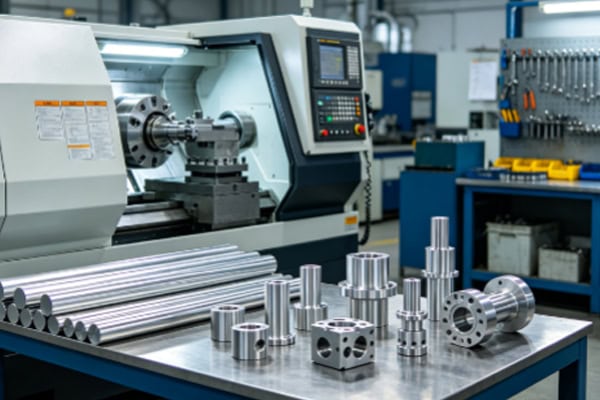
Due to its excellent overall properties, aluminum has become one of the most important raw materials in CNC turning. Numerous industries rely on aluminum components to improve product performance while reducing weight.
Automation Equipment Components
Automation systems often require lightweight and precise components. Aluminum effectively meets these requirements.
- Mechanical connectors
- Guide structures
- Transmission components
- Support brackets
- Positioning parts
- Automation modules
Its lightweight nature helps improve equipment efficiency and performance.
Electronic Product Components
The electronics industry extensively uses aluminum for structural and housing components.
- Smartphone housings
- Heat sink assemblies
- Instrument enclosures
- Communication equipment parts
- Precision brackets
- Electronic structural components
Its appearance and thermal conductivity make aluminum highly attractive for electronic applications.
Aerospace and Automotive Components
The demand for lightweight materials continues to grow in both aerospace and automotive industries, making aluminum a preferred choice.
- Engine accessories
- Aircraft structural components
- Automotive connectors
- Transmission parts
- Support assemblies
- Functional structures
As lightweight manufacturing continues to expand, aluminum will remain a key material in CNC turning applications across many industries.