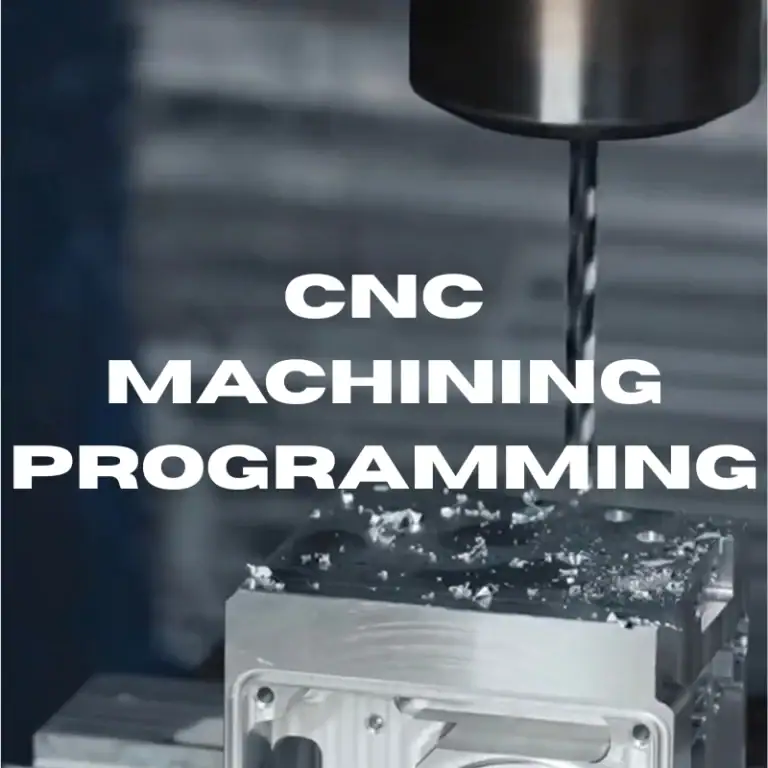
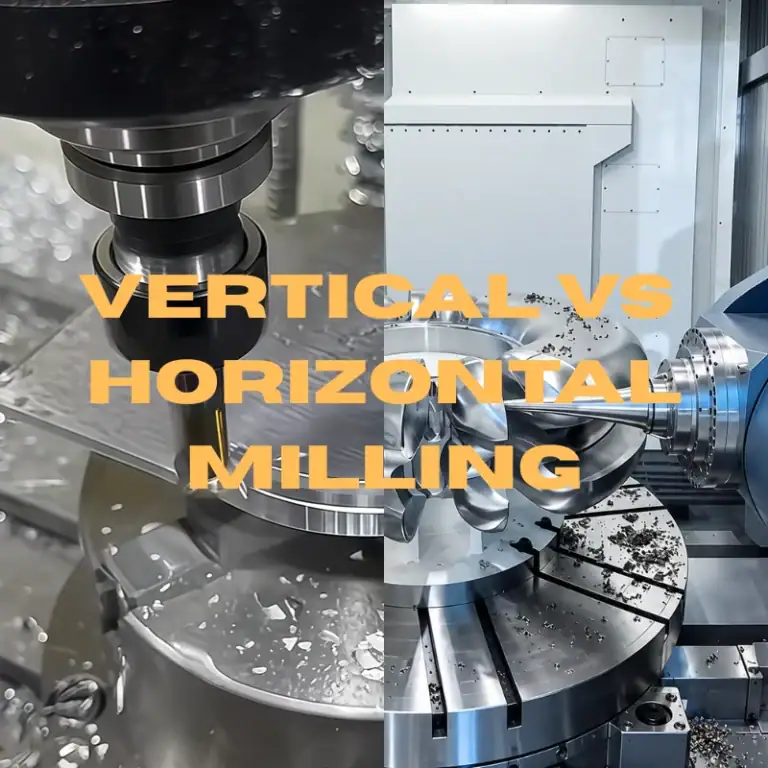
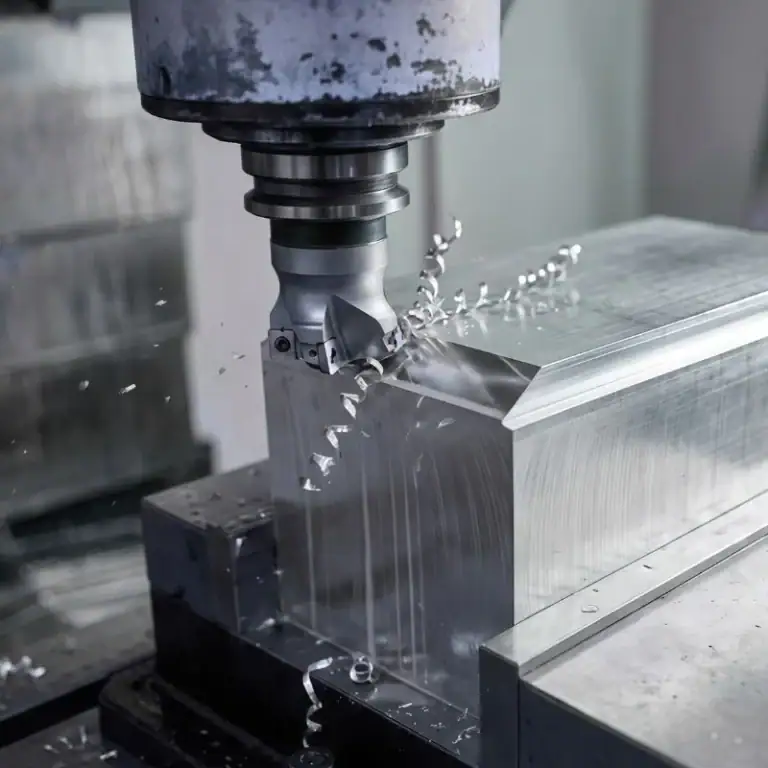
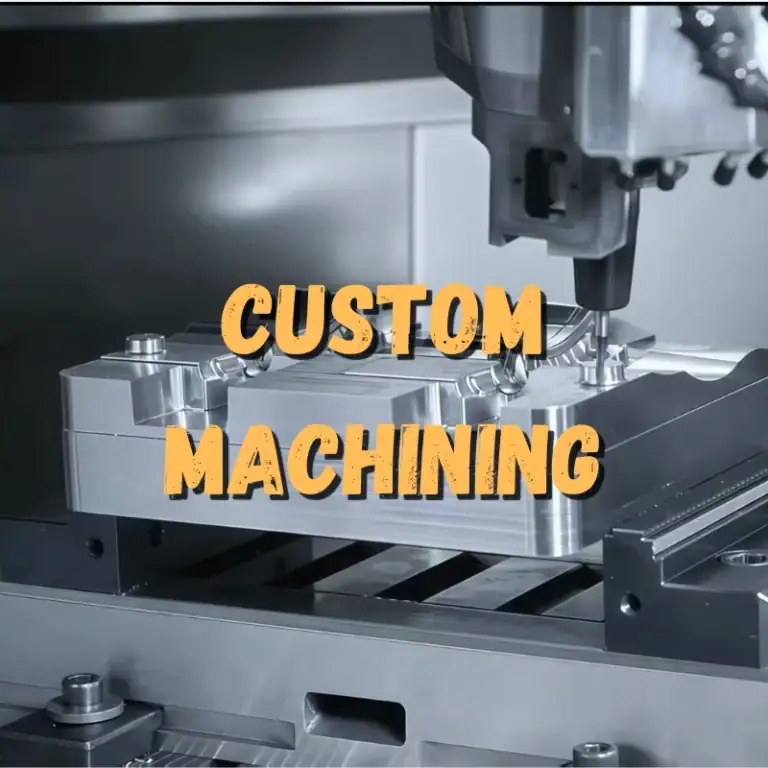
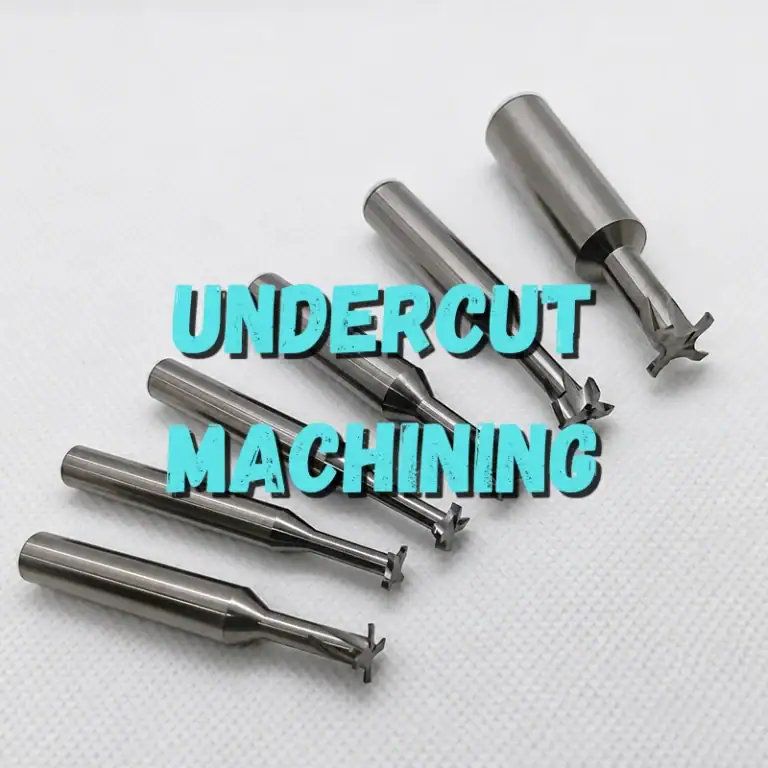
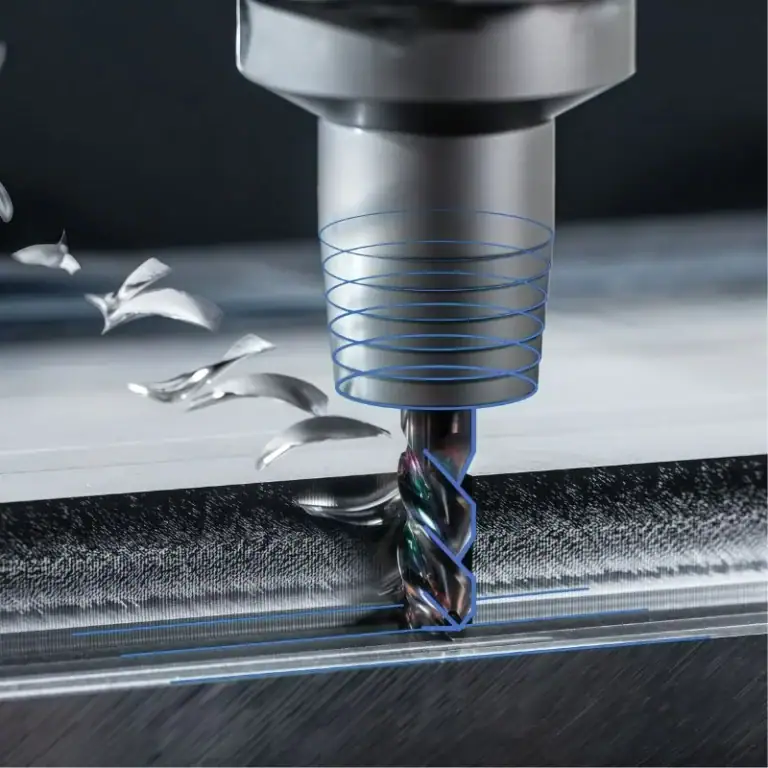
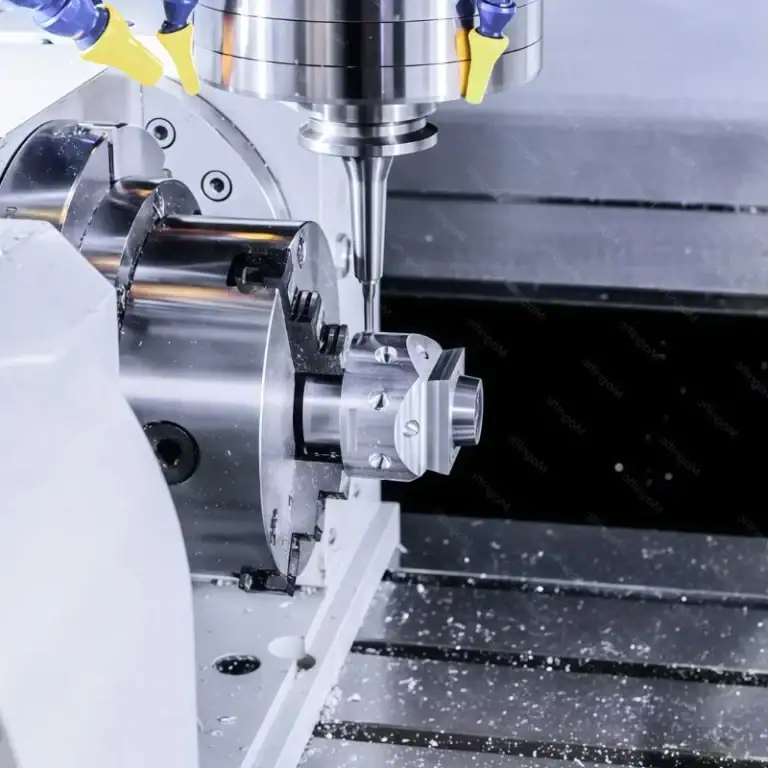
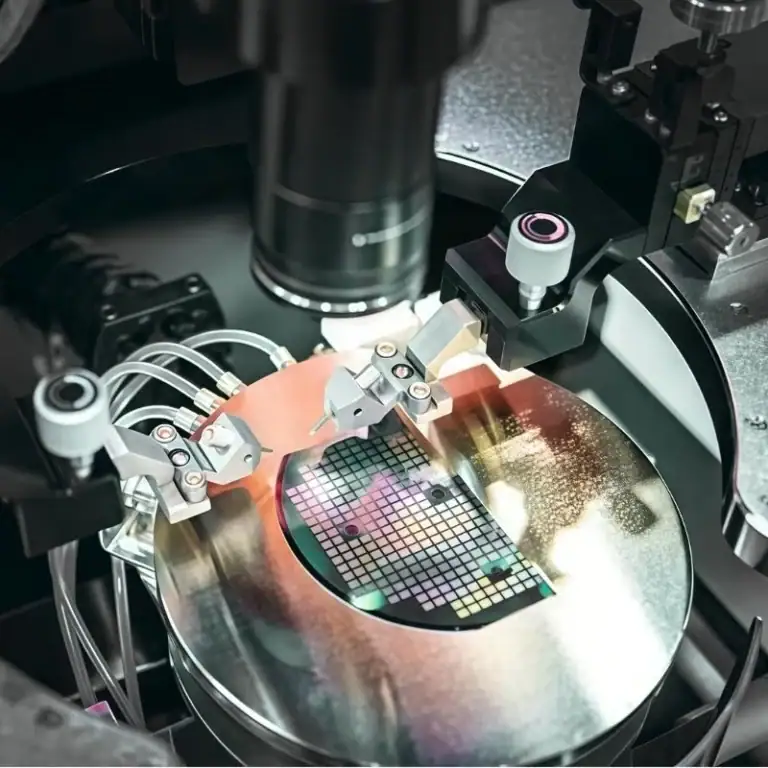
In modern high-end manufacturing systems, milling is one of the most fundamental and critical processes in precision machining, widely used in mold making, automotive components, aerospace structures, and medical devices. As product geometries become increasingly complex, requirements for dimensional accuracy, surface quality, and batch consistency continue to rise. Milling is not just a simple material removal process—it is a system-level interaction of tool condition, cutting parameters, machining paths, and machine rigidity. Any small deviation can directly affect final stability and part quality.
Tool Selection and Optimization Techniques
In milling, the cutting tool is the core element directly involved in machining. Its performance, structure, and compatibility with materials directly affect efficiency, surface quality, and tool life. Improper tool selection can easily lead to chatter, tool breakage, built-up edge, and dimensional deviation. Therefore, tool selection must be systematically optimized based on material properties, machining stage, and part geometry rather than relying on experience alone.
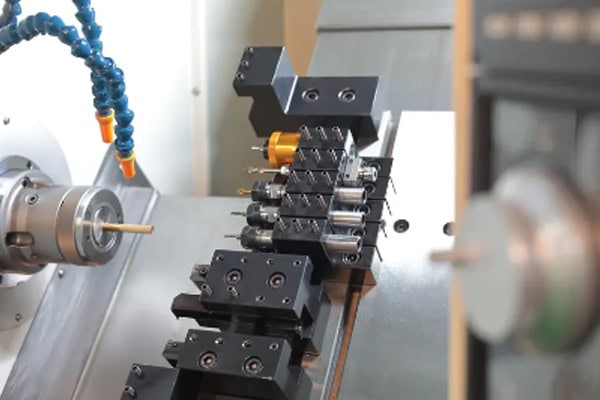
Tool Selection Based on Material
Different materials show significant differences in hardness, toughness, and thermal behavior during cutting, so tools must be matched accordingly.
- Aluminum alloys suit high-helix sharp tools for efficient chip removal
- Stainless steel requires wear-resistant coated tools to reduce built-up edge
- Hardened steel requires solid carbide tools for rigidity
Tool Geometry Optimization
Tool geometry directly affects cutting force distribution, chip evacuation, and vibration control, making it essential for machining stability.
- Rake angle affects cutting force and material deformation
- Relief angle influences friction and tool wear rate
- Helix angle affects cutting continuity and stability
- Edge treatment impacts surface finish quality
Tool Wear Management
During long machining cycles, tool condition gradually changes. Without proper control, it will affect consistency and dimensional accuracy.
- Regularly inspect edge wear conditions
- Control tool life to avoid overload use
- Adjust replacement cycles based on material
Tool selection is essentially a balance between material properties, machining goals, and process conditions. In precision machining, it directly determines stability and final product quality.
Cutting Parameter Control Techniques
Cutting parameters are one of the most critical control systems in milling, including spindle speed, feed rate, cutting depth, and cutting width. These parameters are interdependent. Improper settings may cause vibration, tool wear, or dimensional instability. Therefore, dynamic optimization based on material, tool performance, and machine rigidity is essential.
Spindle Speed Control
Spindle speed determines cutting velocity and heat distribution, which significantly affects machining quality.
- Too low speed may cause unstable cutting and vibration
- Too high speed increases tool wear
- Different materials require different stable ranges
Feed Rate Adjustment
Feed rate affects cutting load per unit time, influencing both surface quality and efficiency.
- Too fast feed causes rough surfaces
- Too slow feed reduces efficiency
- Must maintain stable feed in multi-axis machining
Cutting Depth and Width Control
These parameters determine machine load and stability, separating roughing and finishing stages.
- Roughing uses larger cutting depth for material removal
- Finishing uses smaller cuts for accuracy
- Layered cutting improves stability
Cutting parameter control is a dynamic balancing process rather than fixed rules.
Tool Path and Stability Control Techniques
Tool path planning plays a crucial role in milling, affecting efficiency, tool load variation, vibration control, and surface quality. Proper path design reduces impact loads, improves continuity, and minimizes accumulated errors, thereby improving overall stability.
Path Optimization
Proper tool paths improve efficiency and reduce unnecessary movements.
- Optimize cutting sequence to reduce idle travel
- Avoid sharp turns to reduce impact loads
- Prioritize reference surfaces for accuracy
Layered and Zoned Machining
Complex parts benefit from layered or zoned strategies for stability.
- Rough machining removes material in layers
- Finishing uses separate controlled paths
- Different regions use different strategies
Vibration and Deformation Control
High-speed milling requires strict vibration control to ensure accuracy.
- Increase fixture rigidity
- Reduce tool overhang
- Avoid excessive cutting loads
Key Factors for Improving Precision Milling Quality
The goal of milling is not only shaping parts but achieving stable dimensional accuracy and high-quality surfaces. Optimization of tools, parameters, and tool paths significantly improves machining performance.
Surface Quality Improvement
- Use sharp tools to reduce burrs
- Optimize feed rate to reduce vibration marks
- Reduce cutting load during finishing
Dimensional Accuracy Control
- Multi-step finishing for correction
- Proper fixture alignment
- Thermal deformation control
Stability Improvement
- Improve machine rigidity
- Optimize fixture design
- Maintain stable machining environment
Milling is a systematic engineering process requiring coordinated optimization of equipment, tools, and processes.
As manufacturing continues to evolve, milling plays an increasingly important role in precision machining. Higher standards demand tighter control over every detail. Tirapid provides professional precision machining and milling solutions to help manufacturers achieve higher accuracy and more stable production performance.