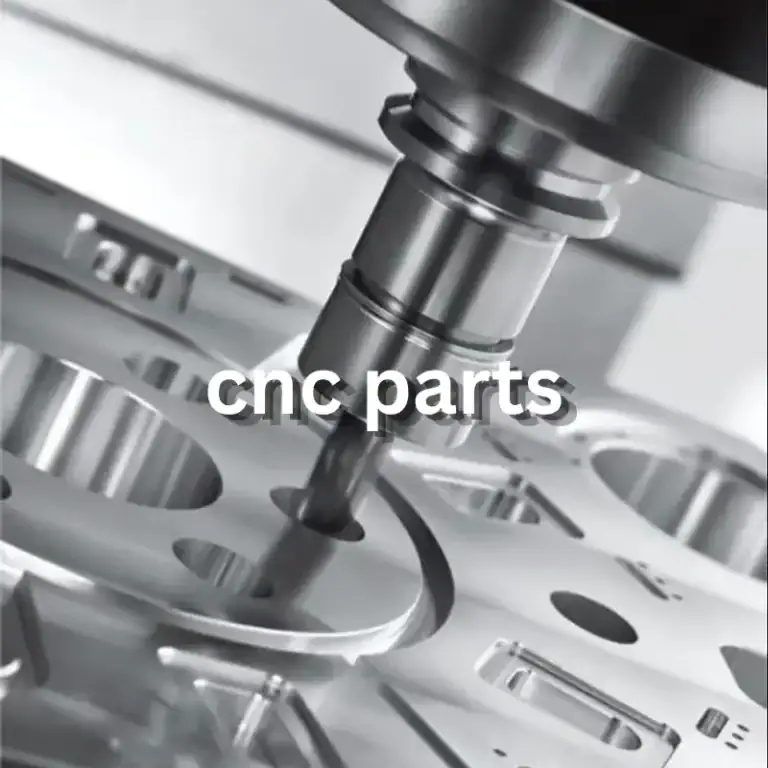
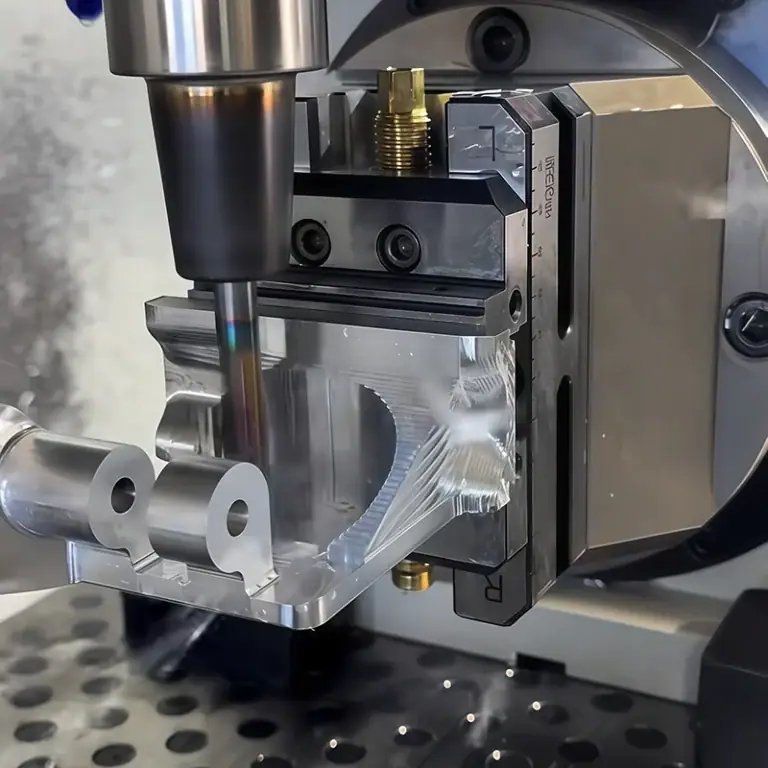
In modern manufacturing, deep cavity components are becoming increasingly common, including molds, aerospace parts, medical device components, and various precision mechanical structures. These products typically feature narrow internal spaces, significant machining depths, and strict accuracy requirements, placing higher demands on machining processes. Traditional machining methods often encounter issues such as tool vibration, poor chip evacuation, and dimensional inaccuracies when dealing with deep cavity structures. CNC milling, with its high-precision control and flexible machining capabilities, has become an essential technology for manufacturing deep cavity parts. For manufacturers, improving deep cavity machining capability not only enhances product quality but also increases production efficiency and competitiveness in the market for complex components.
Selecting the Right Cutting Tools to Improve Deep Cavity Machining Stability
During deep cavity machining, tool performance directly affects the final machining results. Choosing the right cutting tools can not only improve machining efficiency but also reduce processing risks, providing reliable support for manufacturing complex structures.
Use High-Rigidity Cutting Tools
High-rigidity cutting tools can effectively reduce tool deflection during long-reach machining operations.
- Improve cutting stability and ensure smooth tool operation during deep cavity machining.
- Reduce machining vibration and minimize surface defects and accuracy deviations caused by tool movement.
- Lower dimensional errors, allowing deep cavity structures to better meet design tolerance requirements.
- Enhance workpiece surface quality and reduce subsequent polishing and finishing operations.
- Increase process reliability and improve first-pass yield rates for complex parts.
Improved tool rigidity provides a more stable foundation for deep cavity machining while also helping increase overall production efficiency.
Optimize Tool Length-to-Diameter Ratio
The greater the tool overhang, the higher the risk of vibration.
- Minimize tool overhang to reduce deflection during machining.
- Increase overall machining rigidity and maintain stable cutting conditions in deep cavities.
- Enhance cutting reliability and reduce dimensional deviations and machining defects caused by vibration.
- Improve workpiece surface quality and reduce the occurrence of tool marks and chatter patterns.
- Increase machining accuracy and repeatability to ensure consistency in complex deep cavity structures.
- Extend tool life and reduce production costs and downtime associated with frequent tool changes.
Proper control of tool length helps maintain machining accuracy in deep cavities while balancing efficiency and cost control.
Select Tool Coatings Suitable for the Material
Different materials vary significantly in hardness, toughness, thermal conductivity, and cutting characteristics. During deep cavity machining, selecting the appropriate tool type, tool material, and coating based on the specific material is essential for achieving stable machining performance and higher productivity.
Improve tool wear resistance and reduce wear caused by high-speed cutting
- Lower cutting temperatures and minimize heat accumulation.
- Extend tool life and reduce tooling procurement costs.
- Increase cutting efficiency and material removal rates.
- Reduce built-up edge formation and improve surface quality.
- Enhance machining stability and reduce process fluctuations.
- Adapt to machining requirements for aluminum alloys, stainless steel, titanium alloys, and other materials.
Proper tool configuration improves overall machining efficiency and helps manufacturers achieve more stable machining results. Appropriate tool selection is also a critical prerequisite for improving deep cavity machining capability, and the combination of these factors provides more reliable support for deep cavity part production.
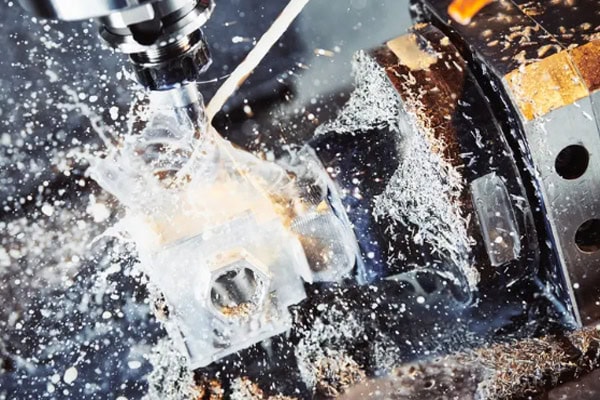
Optimize Tool Paths to Reduce Machining Risks
Scientific tool path planning can effectively improve machining quality. A well-designed machining strategy not only reduces tool loads but also enhances the efficiency of deep cavity machining.
Reduce Sharp Tool Movements
Complex tool paths can cause sudden load changes during deep cavity machining, especially in corners, narrow slots, or areas with significant contour variations, leading to localized impacts and vibration that affect machining stability and part accuracy.
- Maintain smooth cutting and reduce machining fluctuations.
- Lower instantaneous loads and prevent excessive tool stress.
- Reduce tool wear and improve tool utilization.
- Minimize machine vibration and improve machining stability.
- Enhance workpiece surface quality and reduce machining marks.
- Improve accuracy when machining complex contours.
- Reduce the risk of tool breakage.
Smooth tool paths improve deep cavity machining stability and help manufacturers achieve higher-quality machining results.
Adopt Layer-by-Layer Machining
Deep cavity structures are generally unsuitable for large-depth cuts in a single pass. Excessive cutting loads can quickly increase, causing tool vibration and deflection while reducing dimensional accuracy, surface quality, and tool life.
- Control cutting loads and prevent machine overload.
- Improve dimensional accuracy and reduce cumulative errors.
- Lower vibration risks and enhance machining stability.
- Improve chip evacuation and reduce chip accumulation.
- Extend tool life and reduce tooling consumption.
- Minimize heat concentration and reduce thermal deformation risks.
- Improve reliability when machining complex structures.
Layered cutting improves overall machining quality and effectively reduces the difficulty of deep cavity machining.
Use CAM Software to Optimize Tool Paths
Modern programming software can automatically generate efficient machining paths.
- Reduce machining time and improve productivity.
- Increase tool utilization and lower machining costs.
- Minimize non-cutting movements and improve machine efficiency.
- Automatically optimize cutting parameters and improve machining quality.
- Reduce the risk of human programming errors.
- Enhance complex surface machining capability.
- Improve process repeatability.
Intelligent tool path planning is improving deep cavity machining efficiency and driving manufacturing toward digitalization. Effective machining strategies help manufacturers achieve more stable machining results.
Improve Chip Evacuation and Cooling Conditions
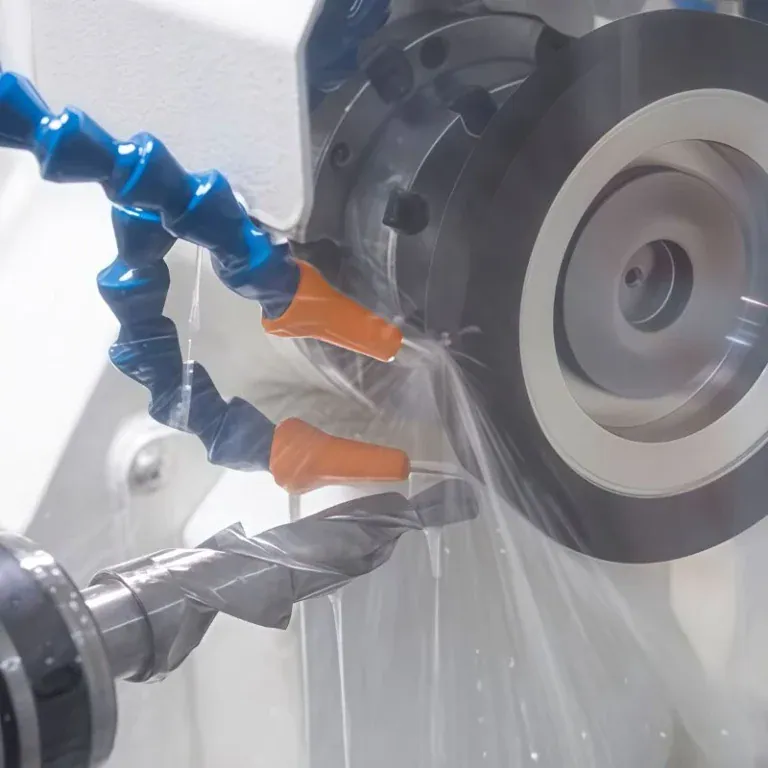
During deep cavity machining, chip evacuation capability often determines machining quality. Effective cooling and chip removal systems help prevent machining defects and improve production stability.
Improve Coolant Delivery Efficiency
Due to limited space within deep cavities, heat generated during cutting cannot dissipate quickly. If temperatures continue to rise, tool life may be reduced, and thermal deformation of the workpiece may occur, affecting dimensional accuracy and surface quality.
- Reduce cutting temperatures and minimize heat buildup.
- Reduce thermal deformation and improve dimensional stability.
- Extend tool life and reduce tool wear rates.
- Improve the cutting environment and machining quality.
- Lower the risk of surface burning on workpieces.
- Enhance high-speed machining capability.
- Improve process stability.
Stable cooling helps maintain machining accuracy and improves the reliability of machining complex components.
Remove Chips Promptly
Chip accumulation directly affects the machining quality of deep cavity structures. If chips are not removed promptly, repeated contact between chips and the cutting tool can occur, leading to surface scratches, dimensional deviations, and abnormal tool wear.
- Prevent surface damage caused by secondary cutting:Prompt chip removal prevents chips from repeatedly participating in the cutting process and reduces surface defects.
- Reduce the risk of surface scratching:Chip buildup can rub against the workpiece surface, while effective chip evacuation helps maintain surface integrity.
- Improve machining stability:Smooth chip evacuation reduces fluctuations in cutting resistance and ensures a more stable process.
- Enhance workpiece surface finish:Reduced chip interference allows the tool to follow the programmed path more accurately, resulting in better surface quality.
- Minimize abnormal tool wear:Prompt chip removal reduces unnecessary friction between chips and the cutting tool, extending tool life.
- Improve dimensional control:Stable cutting conditions help reduce machining errors and improve dimensional accuracy.
- Lower the occurrence of machining defects:Efficient chip evacuation reduces common issues such as built-up edges and tool marks, improving product quality.
- Increase overall productivity:Reduced downtime for cleaning and rework leads to a more efficient process and shorter production cycles.
A good chip evacuation environment reduces machining defects and ensures the internal quality of deep cavity structures.
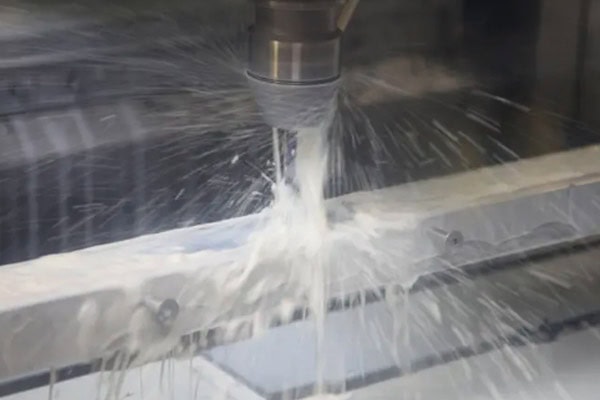
Use High-Pressure Coolant Systems
During complex deep cavity machining, cutting tools operate for extended periods in confined spaces where heat and chips are difficult to remove, creating higher demands on cooling systems.
- Improve chip evacuation capability and quickly remove chips.
- Enhance cutting stability and reduce vibration effects.
- Increase machining efficiency and shorten production cycles.
- Improve tool cooling performance.
- Enhance machining quality inside deep cavities.
- Reduce tool wear rates.
- Support machining of difficult materials.
Efficient cooling systems optimize the overall machining environment and improve the success rate of machining complex components. Effective cooling and chip evacuation systems are essential for ensuring deep cavity machining quality.
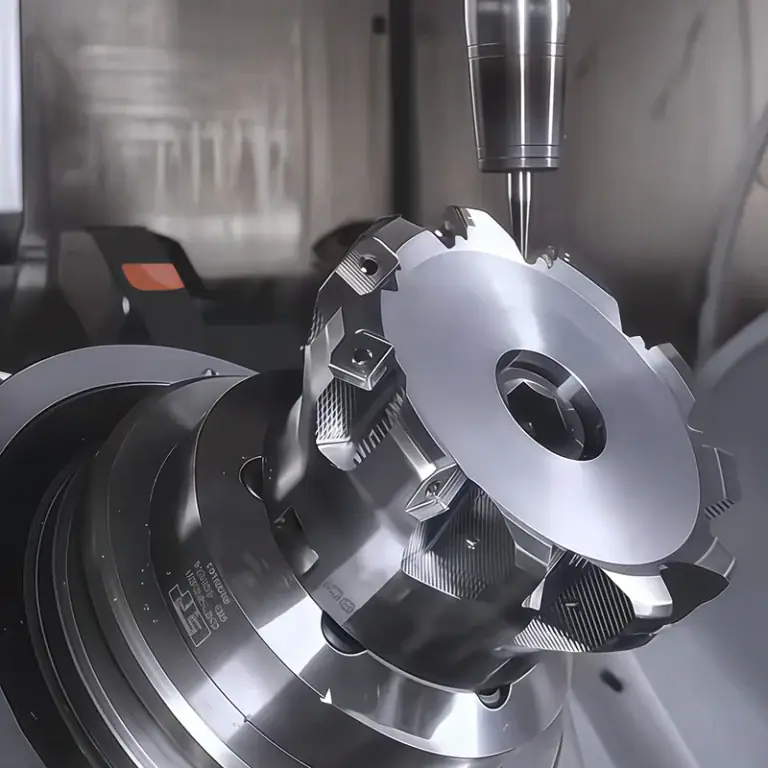
Use Multi-Axis CNC Milling to Improve Complex Structure Machining Capability
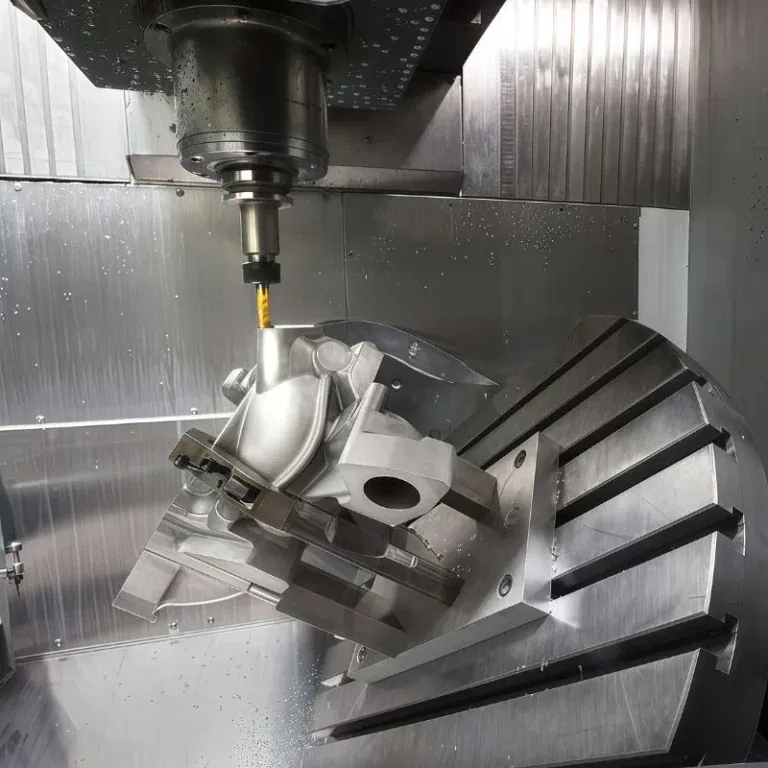
Complex deep cavity parts often require more flexible machining methods. Multi-axis CNC milling technology overcomes the limitations of traditional machining and enhances the manufacturing capability of complex structures.
Reduce Repeated Fixturing
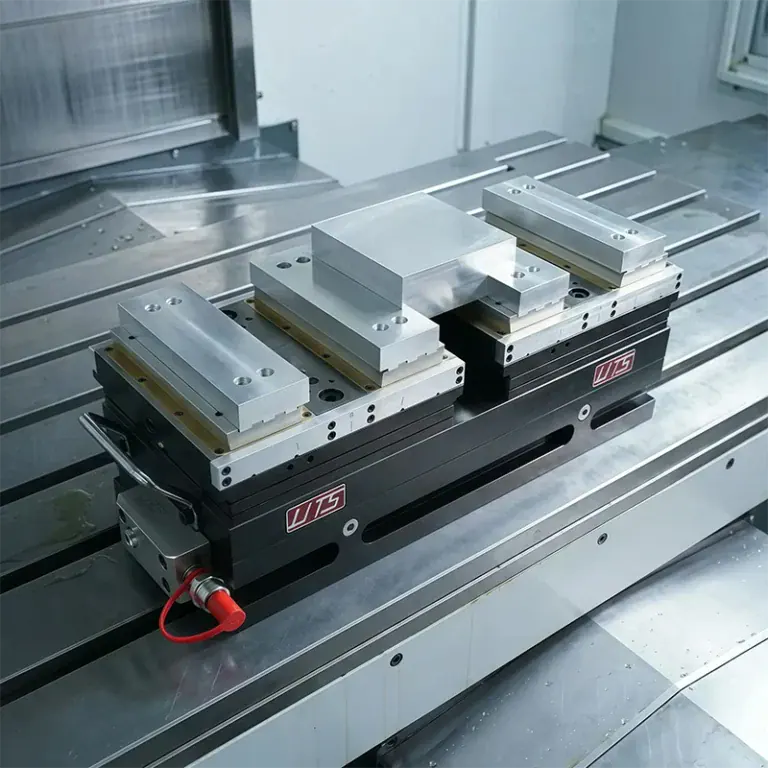
Multiple setups can cause slight changes in reference positions. In high-precision deep cavity machining, these errors accumulate as operations increase, affecting final dimensional accuracy and product consistency. Reducing the number of setups effectively minimizes positioning deviations and improves overall machining stability.
- Improve positioning accuracy:Reduce datum shifts caused by repeated setups and maintain accurate workpiece positioning throughout machining.
- Shorten production cycles:Reduce setup and alignment time, making the machining process more efficient.
- Maintain dimensional consistency:Avoid cumulative errors caused by repeated positioning and improve consistency in batch production.
- Reduce human operational errors:Minimize manual intervention and lower the risk of machining deviations caused by improper handling.
- Improve batch production stability:Maintain consistent machining standards throughout continuous production and increase product qualification rates.
- Reduce auxiliary labor time:Lower the time required for setup, measurement, and adjustment, allowing more resources to focus on actual machining.
- Improve overall machining efficiency:Optimize workflows and reduce non-machining time to increase machine utilization and production capacity.
Completing more operations in a single setup improves machining quality and enhances production continuity.
Optimize Tool Cutting Angles
Multi-axis machining technology can automatically adjust tool orientation according to part geometry, ensuring optimal cutting angles while reducing interference and uneven loading. In deep cavities, irregular slots, and complex surface machining, this flexibility significantly improves machining stability and accuracy.
- Improve cutting efficiency:Optimize tool entry angles and cutting paths to increase material removal rates and reduce machining time.
- Reduce tool loading:Proper tool orientation distributes cutting forces more evenly and lowers the risk of localized overload and tool damage.
- Improve deep cavity surface quality:Stable cutting conditions reduce vibration and tool marks, resulting in smoother and more uniform surfaces.
- Minimize machining interference:Multi-angle machining capabilities help avoid collisions between tools, fixtures, and workpieces.
- Improve accessibility to complex areas:Enable flexible tool approaches for deep holes, narrow slots, and irregular cavities, increasing machining coverage.
- Extend tool life:Optimized cutting conditions reduce wear rates and lower tooling costs.
- Enhance machining stability:Maintain smoother cutting conditions throughout the process, improving dimensional accuracy, consistency, and overall quality.
Flexible angle control enhances the machining capability of complex structures and meets higher precision requirements.
Improve Complex Contour Machining Capability
Modern product designs are moving toward greater integration, lightweight construction, and increased functionality. More components now feature deep cavities, irregular contours, and complex surfaces, creating higher demands on machining equipment and processes.
- Adapt to irregular structure machining:Meet the requirements of complex geometries, special contours, and irregularly shaped components.
- Improve surface accuracy:Precisely control tool paths to ensure dimensional accuracy and surface quality on complex contours.
- Meet high-end manufacturing requirements:Suitable for industries such as aerospace, medical devices, and precision electronics that require highly accurate components.
- Improve consistency of complex contours:Maintain stable machining performance during batch production and reduce dimensional variations between parts.
- Reduce secondary finishing operations:Minimize manual polishing and rework, shortening production cycles and reducing costs.
- Improve overall product quality:Enhance dimensional accuracy, surface finish, and assembly performance to increase product reliability.
- Support precision component manufacturing for aerospace and medical industries:Capable of machining highly complex and high-precision critical components that meet industry standards and application requirements.
Multi-axis technology continues to advance deep cavity manufacturing capabilities and helps manufacturers undertake more high-value projects. The combination of advanced equipment and machining processes enables companies to complete more challenging machining tasks.
Conclusion
Deep cavity machining has always been a significant challenge in precision manufacturing. CNC milling, with its high-precision control, flexible tool path planning, multi-axis capabilities, and stable cooling systems, can effectively improve the machining quality and production efficiency of complex deep cavity components. From tool selection and tool path optimization to chip evacuation, cooling management, and multi-axis machining applications, every stage directly influences the final machining results. For manufacturers producing high-precision deep cavity parts, continuously optimizing machining processes can significantly enhance competitiveness and delivery capability. If you are looking for a reliable CNC milling partner, TiRapid offers professional precision machining services and extensive experience in manufacturing complex components.