In precision machining, material cracking is a critical issue that can significantly increase production cost and reduce yield rate, especially when working with high-strength alloys, hardened steels, aluminum alloys, and engineering plastics. Once cracking occurs, it may not only lead to part rejection but also affect batch production stability and delivery schedules. In real machining practice, cracking is rarely caused by a single factor. It is usually the combined result of internal material stress, cutting parameters, clamping methods, tool condition, and machining strategy. Therefore, a systematic approach across the entire machining process is required.
Material Selection and Pre-Treatment Control
Before precision machining begins, the internal condition of the material largely determines the baseline risk of cracking. If the material contains residual stress, inconsistent microstructure, or insufficient heat treatment, cracks may form during cutting due to stress release. Therefore, optimizing material selection and pre-treatment is the first and most fundamental step in reducing cracking risk.
Control Internal Stress in Materials
Residual internal stress is one of the main causes of cracking during machining, especially in forged, cast, or thick-walled parts.
- Use materials that have been fully annealed or stress-relieved
- Avoid untreated cast or forged materials
- Apply pre-machining stress relief processes for critical parts
Proper Material Grade Selection
Different materials vary significantly in toughness and brittleness, and improper selection can greatly increase cracking risk.
- Prefer materials with better toughness and ductility
- Avoid excessively hard but brittle materials
- Balance strength and machinability based on design needs
- Consider manufacturability during the design stage
Pre-Machining Treatment Optimization
Pre-treatment can effectively reduce stress concentration and sudden stress release during machining.
- Perform rough pre-machining to release internal stress
- Control storage temperature and humidity conditions
- Apply aging treatment for high-precision components
Material control defines the baseline stability of the entire process. If this stage is unstable, later optimizations will have limited effectiveness.
Cutting Parameters and Machining Method Optimization
In precision machining, cutting parameters directly affect stress distribution and thermal behavior of the material. Excessive cutting force or rapid temperature rise can lead to micro-cracks that gradually expand into visible fractures. Therefore, proper parameter control is one of the core strategies for preventing material cracking.
Control Cutting Force and Load
Excessive cutting force can cause localized stress concentration, especially in thin-walled structures.
- Avoid excessive material removal per pass
- Use layered machining strategies
- Adjust cutting depth based on material strength
- Maintain stable cutting forces
Optimize Feed Rate and Spindle Speed Matching
Improper matching can cause impact cutting or unstable cutting conditions, increasing cracking risk.
- Too high feed rate causes impact stress
- Too low spindle speed leads to unstable cutting
- Maintain continuous and smooth cutting conditions
- Adjust cutting rhythm based on material type
Control Machining Temperature Rise
Rapid temperature changes can cause thermal stress concentration, a major cause of cracking.
- Use sufficient coolant during machining
- Avoid dry cutting in sensitive operations
- Reduce heat buildup through staged machining
- Control temperature during long machining cycles
The core principle of cutting parameter control is stability. The smoother the machining process, the more evenly stress is released, and the lower the cracking risk.
Clamping Methods and Structural Stress Control
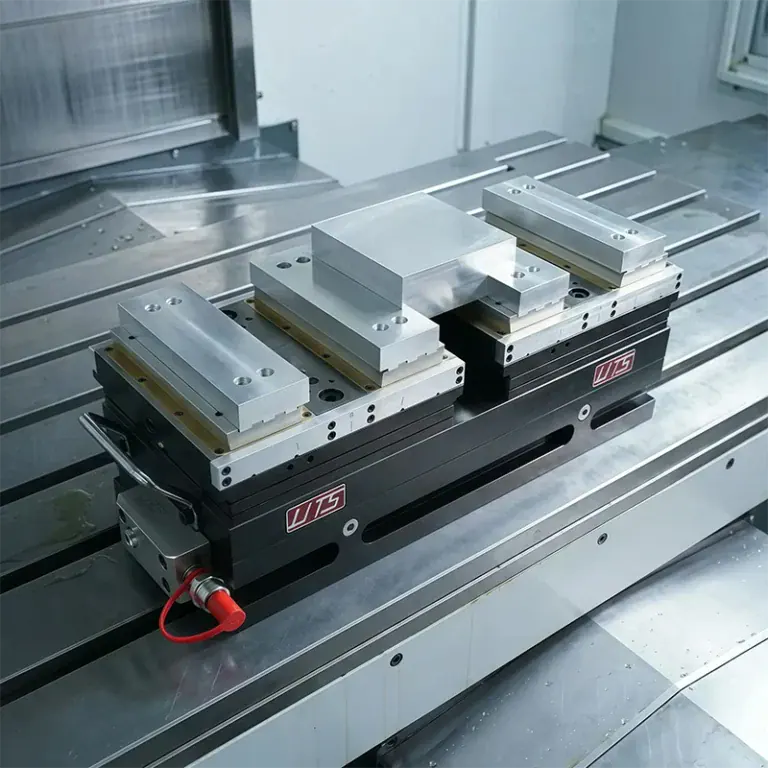
In real production, many cracking issues do not occur during cutting, but during clamping or stress release. Improper fixture design, uneven clamping force, or excessive tightening can introduce additional internal stress, which may later result in cracks during or after machining.
Optimize Fixture Force Distribution
Uneven clamping force can cause localized stress concentration.
- Avoid single-point clamping structures
- Use multi-point uniform clamping systems
- Add support for thin-walled parts
Control Clamping Deformation
Excessive clamping force can cause deformation and later stress release cracking.
- Maintain clamping force within a safe range
- Avoid forced deformation of thin walls
- Use flexible fixtures when necessary
- Protect weak structural areas
Step-by-Step Stress Release Strategy
Proper machining sequences can gradually release internal stress.
- Use roughing followed by finishing strategy
- Avoid removing too much material at once
- Apply symmetric machining where possible
- Release stress in stages by region
The clamping system essentially controls external stress input. Poor control may lead to unpredictable cracking even if cutting parameters are correct.
Tool Condition and Toolpath Optimization
Tool condition and machining path significantly influence cutting stability. Dull tools, unstable toolpaths, or sudden cutting changes can increase force fluctuations and raise cracking risk. Therefore, optimizing both tool maintenance and toolpath design is essential for improving machining safety.
Maintain Sharp Cutting Tools
Dull tools significantly increase cutting force and cracking risk.
- Regular tool replacement or regrinding
- Avoid exceeding tool life limits
- Use materials-specific tool types
Optimize Machining Paths
Poor toolpaths can create localized impact loads.
- Avoid sharp direction changes
- Use smooth and continuous cutting paths
- Reduce unnecessary air cutting and repetition
Reduce Vibration Effects
Vibration amplifies internal stress fluctuations and can trigger micro-cracks.
- Improve machine and fixture rigidity
- Reduce tool overhang length
- Maintain stable cutting parameters
The goal of tool and path optimization is to ensure a smooth and continuous machining process, minimizing impact and fluctuations.
In precision machining, material cracking is rarely caused by a single factor. It is usually the combined result of material condition, cutting parameters, clamping strategy, and machining path design. Only through a systematic and integrated optimization approach can cracking risks be effectively reduced and production yield improved. Tirapid provides professional precision machining solutions to help manufacturers achieve more stable and reliable production quality.