Tirapid

Do Metal Parts Need Multiple Setups

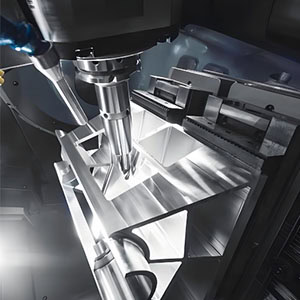
Do Metal Parts Need Multiple Setups? How Does the Number of Setups Affect Machining Accuracy?

In CNC metal machining, workpiece setup is often overlooked, yet it has a direct impact on machining accuracy. For simple components, most machining operations can often be completed in a single setup. However, metal parts with multiple machining surfaces, complex hole patterns, or special geometries may require several setups. More setups do not necessarily mean

Do Metal Parts Need Multiple Setups? How Does the Number of Setups Affect Machining Accuracy? Read More »

What Is the Difference Between CNC Turning and CNC Milling for Metal Parts

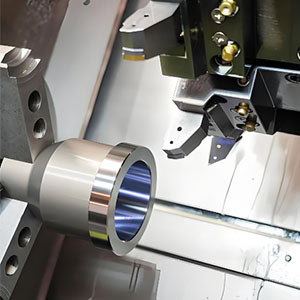
What Is the Difference Between CNC Turning and CNC Milling for Metal Parts?

In CNC metal machining, CNC turning and CNC milling are two of the most widely used manufacturing processes. Both rely on computer-controlled machine tools to produce metal components with high precision. However, they differ significantly in terms of tool movement, workpiece movement, machining principles, and suitable part geometries. Understanding the difference between CNC turning and

What Is the Difference Between CNC Turning and CNC Milling for Metal Parts? Read More »

How to Choose Metal Machining Cutting Tools1

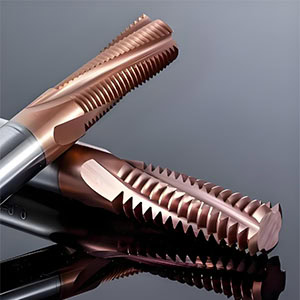
How to Choose Metal Machining Cutting Tools? A Guide to Tool Selection for Different Materials

Cutting tools may be small components in metal machining, but they have a direct impact on machining efficiency, dimensional accuracy, surface quality, and production costs. Different metals vary significantly in hardness, toughness, thermal conductivity, and machinability. Choosing the wrong cutting tool can lead to rapid tool wear, built-up edge, workpiece deformation, poor surface finish, or

How to Choose Metal Machining Cutting Tools? A Guide to Tool Selection for Different Materials Read More »

How to Choose a CNC Machining Manufacturer for Plastic Parts

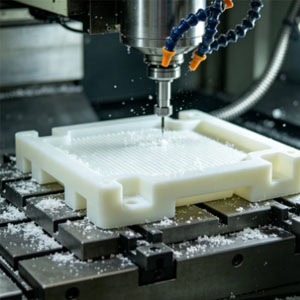
How to Choose a CNC Machining Manufacturer for Plastic Parts?

CNC machining of plastic parts involves multiple stages, including material selection, machining accuracy, equipment capabilities, and production experience. Different manufacturers vary in machining quality, process control, inspection methods, and service capabilities. Even when the same drawing is provided to different suppliers, the final product results may be significantly different. Therefore, when selecting a CNC machining

How to Choose a CNC Machining Manufacturer for Plastic Parts? Read More »

CNC milling machine milling.

Can the Shortest Toolpath Strategy Cause Unnecessary Tool Wear?

In CNC milling, shortening the tool travel distance is generally regarded as a direct way to improve machining efficiency. A shorter toolpath can reduce machine operating time and some air-cutting time, but simply pursuing the shortest path does not necessarily mean achieving the lowest machining cost. If the toolpath contains frequent sharp turns, improper tool

Can the Shortest Toolpath Strategy Cause Unnecessary Tool Wear? Read More »

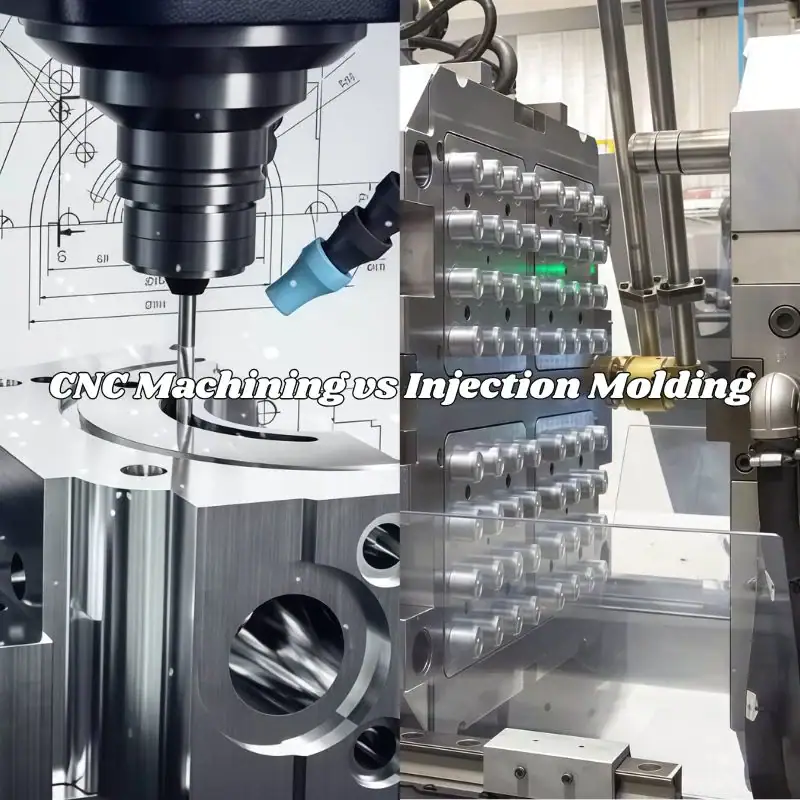
Cover image for processing comparison of aerospace parts between CNC machining and injection molding

CNC Machining vs Injection Molding: Cost, Speed, and Uses

CNC machining vs injection molding compares two fundamentally different ways to manufacture parts. CNC machining removes material from solid stock with computer-controlled cutting tools, while injection molding melts plastic and forces it into a mold cavity. CNC machining is generally better for prototypes, low-volume production, tight tolerances, fast design changes, and broad material selection, injection

CNC Machining vs Injection Molding: Cost, Speed, and Uses Read More »

Precision CNC Turning Process Guide

Precision CNC Turning Process Guide: Optimization and Cost Reduction

As a cornerstone of precision machinery manufacturing, CNC turning uses computer numerical control to guide cutting tools against rotating workpieces. From aerospace shafts to miniature threads for medical devices, turning technology underpins critical component production. Mastering machining details and parameter adjustments is essential for boosting pass rates and cutting unit costs. Key Factors Governing Dimensional

Precision CNC Turning Process Guide: Optimization and Cost Reduction Read More »

Boring of brass parts on a CNC milling machine

What tolerance can precision machining achieve?

When customers request precision machining services, one of the first things they usually check is the tolerance requirement on the drawing. A tolerance of ±0.01mm and ±0.005mm may look like a small difference, but in actual manufacturing, those extra decimal places can determine whether a part can be assembled correctly and whether equipment can operate

What tolerance can precision machining achieve? Read More »

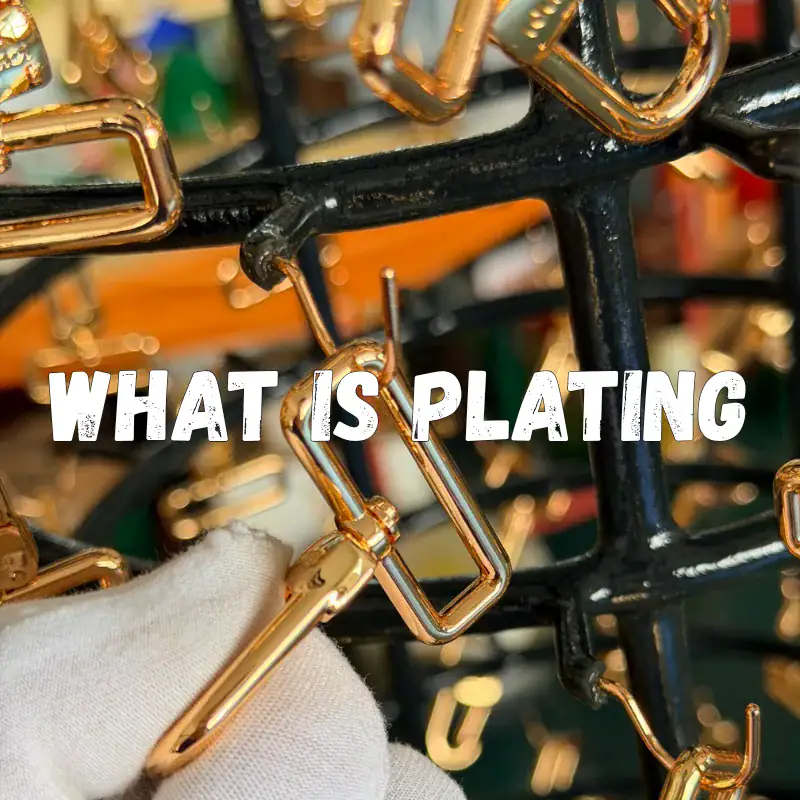
What is plating cover showing metal parts with a decorative plated finish

What Is Plating?Types, Processes & Applications

What Is Plating? Types, Processes & Applications Plating is a surface-finishing process that deposits a thin layer of metal onto a substrate. It is commonly used to improve corrosion resistance, wear resistance, electrical performance, solderability, or appearance without manufacturing the entire component from the coating material. This guide explains what plating is, how the plating

What Is Plating?Types, Processes & Applications Read More »

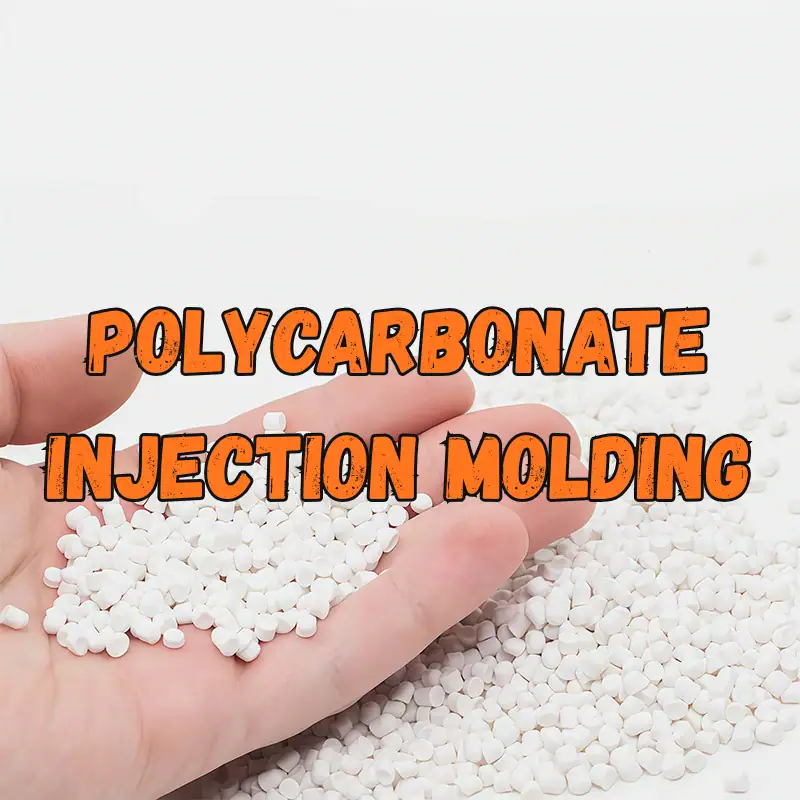
Polycarbonate injection molding with plastic resin pellets

Polycarbonate Injection Molding: Process, Benefits & Uses

Polycarbonate injection molding is a manufacturing process used to produce strong, lightweight, and dimensionally stable plastic parts. Polycarbonate, often shortened to PC, combines high impact resistance with good heat resistance and, in clear grades, excellent transparency. This balance makes it suitable for products ranging from protective housings and electronic enclosures to lighting components and transparent

Polycarbonate Injection Molding: Process, Benefits & Uses Read More »

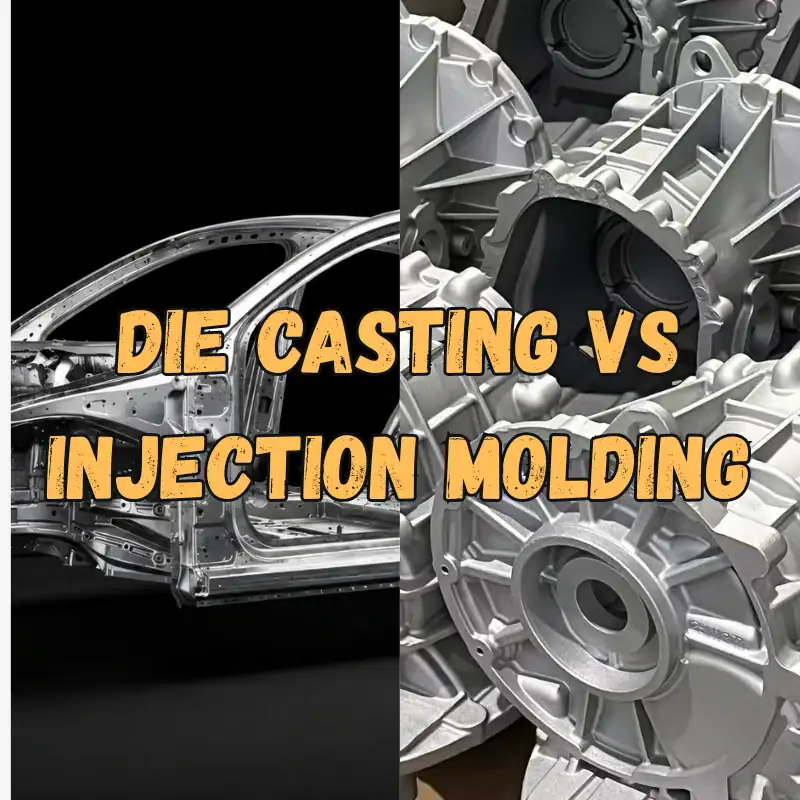
Die casting vs injection molding comparison for metal and plastic parts

Die Casting vs Injection Molding: Key Differences

Die casting and injection molding may look similar because both use a mold to form repeatable parts from a material in a flowable state. The key difference is the material: die casting primarily produces metal components, while conventional injection molding is used for plastics. This distinction affects part strength, weight, temperature performance, tooling, cost, and

Die Casting vs Injection Molding: Key Differences Read More »

Scroll to Top
Simplified Table

To ensure successful upload, please compress all files into one .zip or .rar file before uploading.
Upload CAD files (.igs | .x_t | .prt | .sldprt | .CATPart | .stp | .step | .pdf).