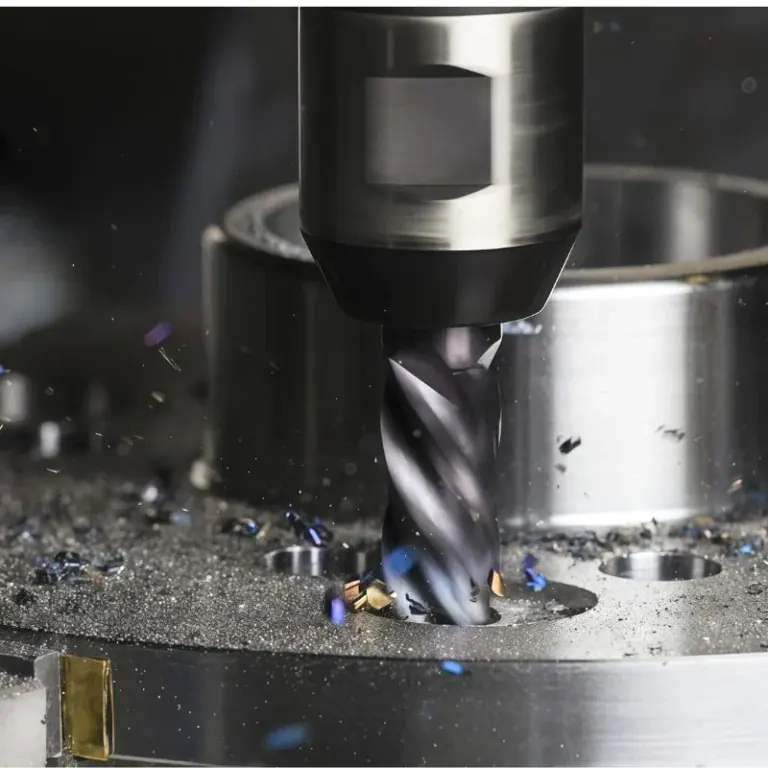
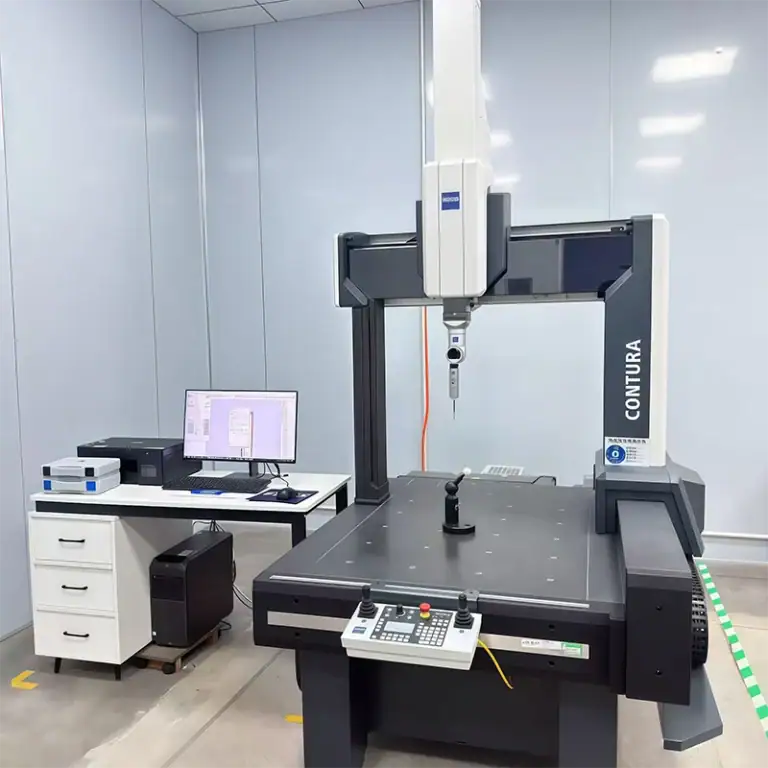
Automation equipment relies on a large number of precision components to support the operation of robotic arms, fixtures, conveyor mechanisms, positioning systems, and inspection modules. For equipment manufacturers, machining accuracy is only one part of the purchasing decision. Material selection, structural manufacturability, surface finishing, assembly performance, and lead time can also affect the progress of the entire machine project. CNC machining can manufacture metal and engineering plastic parts with different structures based on 3D models and engineering drawings, making it suitable for multiple stages of automation equipment development, from prototype validation to batch production.
Which Automation Equipment Parts Are Suitable for CNC Machining?
Automation equipment contains components with different sizes and structures, and many parts need to be customized according to equipment space and functional requirements. During procurement, the following types of components deserve particular attention.
Robotic Arm and Motion Mechanism Components
Robotic arms and motion mechanisms require high precision in connections, structural strength, and mating dimensions.
- Robotic arm connectors: Installation hole positions and connection dimensions need to be controlled.
- Joint structural components: Shaft holes, mounting surfaces, and mating relationships need to be maintained accurately.
- Motor mounting brackets: Mounting positions need to remain accurate to reduce operating deviations.
Stable machining of motion components helps improve the consistency of equipment operation.
Fixtures and Positioning Components
Automated production lines often use customized fixtures for gripping, positioning, and securing workpieces. These components usually need to be adjusted according to product dimensions.
- Tooling fixtures need to maintain accurate positioning surfaces and mounting hole dimensions.
- Gripper assemblies need to control contact positions according to the workpiece shape.
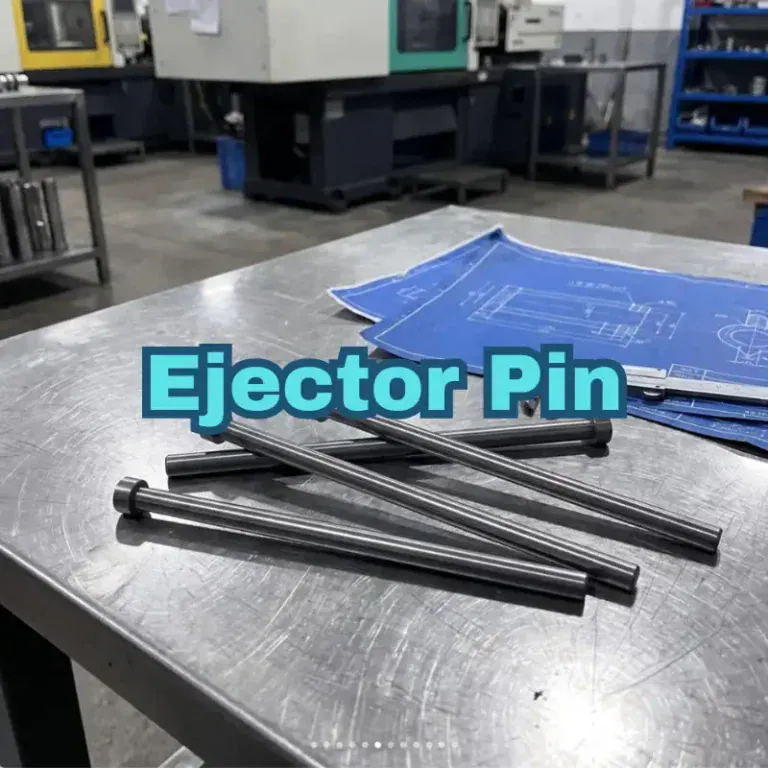
- Locating pins and blocks need to control mating clearances and reduce repeated positioning errors.
Proper fixture design can improve changeover efficiency and reduce repeated adjustments during production.
Conveyor and Inspection Mechanism Components
Conveyor and inspection modules also require multiple precision components to work together. Common types and machining requirements include:
| Component Type | Common Materials | Key Machining Requirements |
| Motor mounting bracket | Aluminum alloy, steel | Hole position, flatness |
| Robotic arm connector | Aluminum alloy, steel | Concentricity, mounting accuracy |
| Tooling fixture | Aluminum alloy, stainless steel, POM | Positioning dimensions, mating clearance |
| Guide component | Steel, stainless steel, POM | Wear resistance, dimensional stability |
| Sensor bracket | Aluminum alloy, stainless steel | Hole position, structural dimensions |
| Conveyor mechanism component | Aluminum alloy, steel, engineering plastics | Flatness, mounting accuracy |
Different components require appropriate materials and machining processes based on load, movement characteristics, and operating environment.
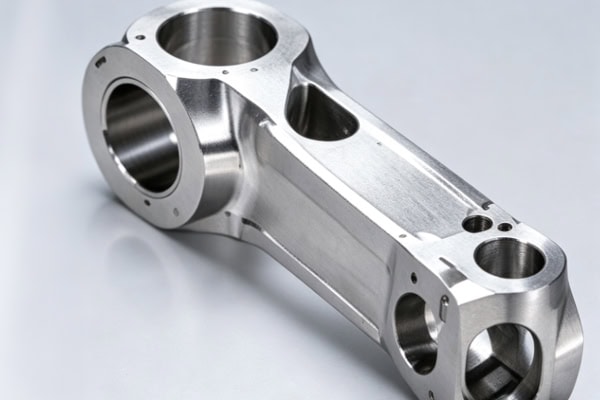
How Can CNC Machining Accuracy Be Controlled in the Automation Industry?
Automation equipment relies on multiple mechanisms working together. Deviations in critical dimensions may affect robotic arm movement, fixture positioning, or product conveying. Accuracy control can be addressed through the following stages.
Perform Drawing and DFM Analysis Before Machining
Before production, the component structure needs to be checked for manufacturability, while potential issues affecting cost and lead time should be identified in advance.
- Check critical tolerances to clarify dimensions related to assembly and movement.
- Check thin walls, deep cavities, and small holes to avoid excessive machining difficulty.
- Optimize datums and fixturing methods to reduce errors caused by repeated positioning.
Early design optimization can reduce subsequent rework and process adjustments.
Select the Machining Method According to Part Structure
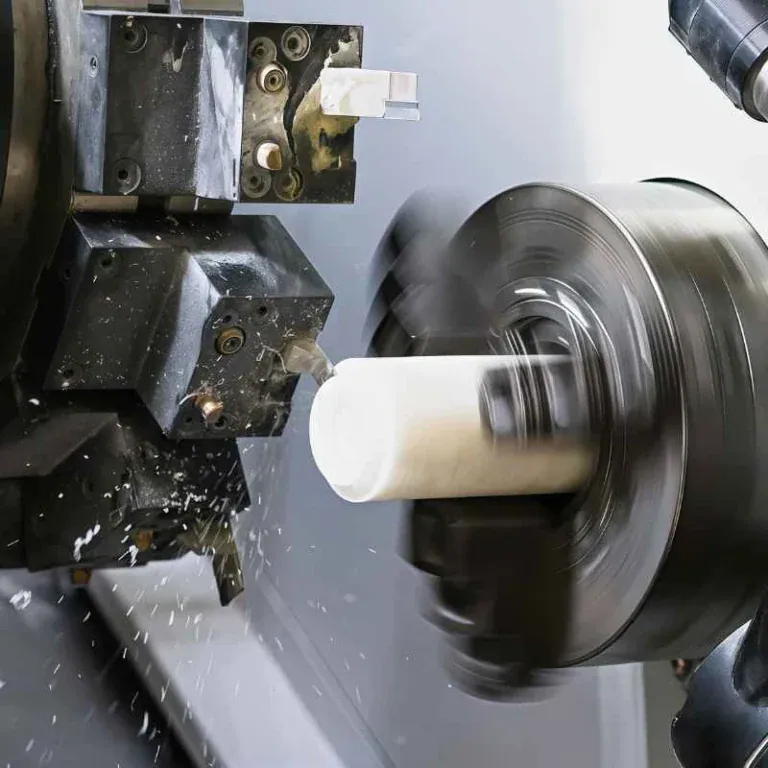
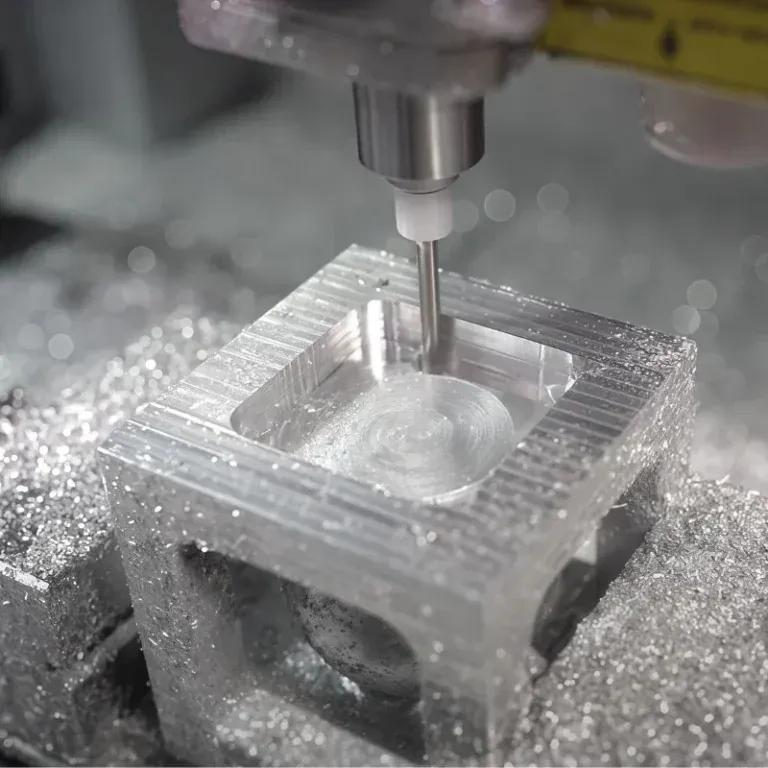
Different automation components require different machining equipment. Simple structures can be processed with 3-axis machining, while complex multi-sided parts can use 4-axis or 5-axis machining. Shaft components can be manufactured with CNC turning. 5-axis machining can reduce repeated fixturing for complex parts, helping control positioning errors during multi-sided machining and making it suitable for complex surfaces and high-precision structural components. Selecting an appropriate machining method can balance accuracy, efficiency, and cost.
Perform Inspection of Critical Dimensions
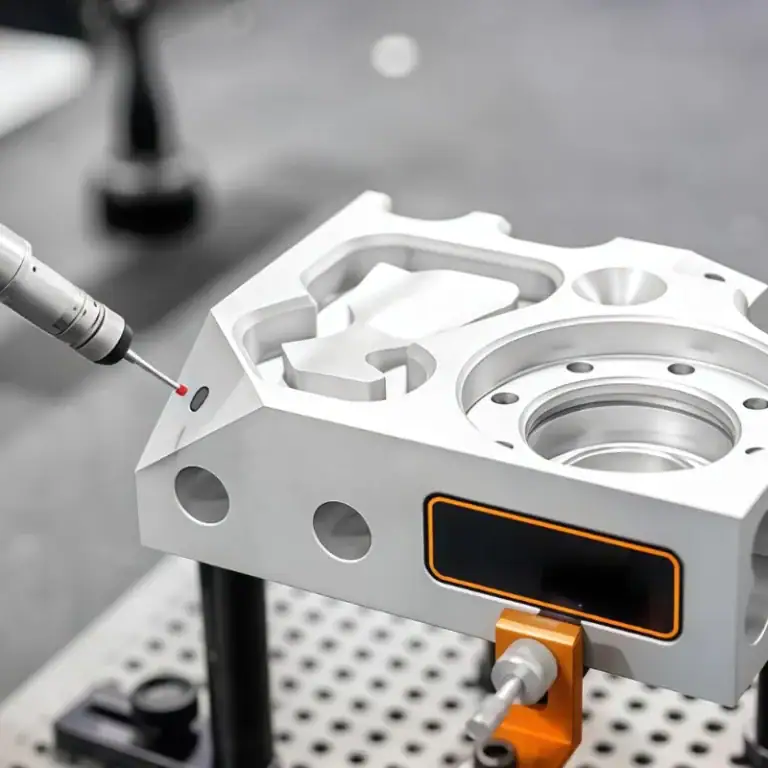
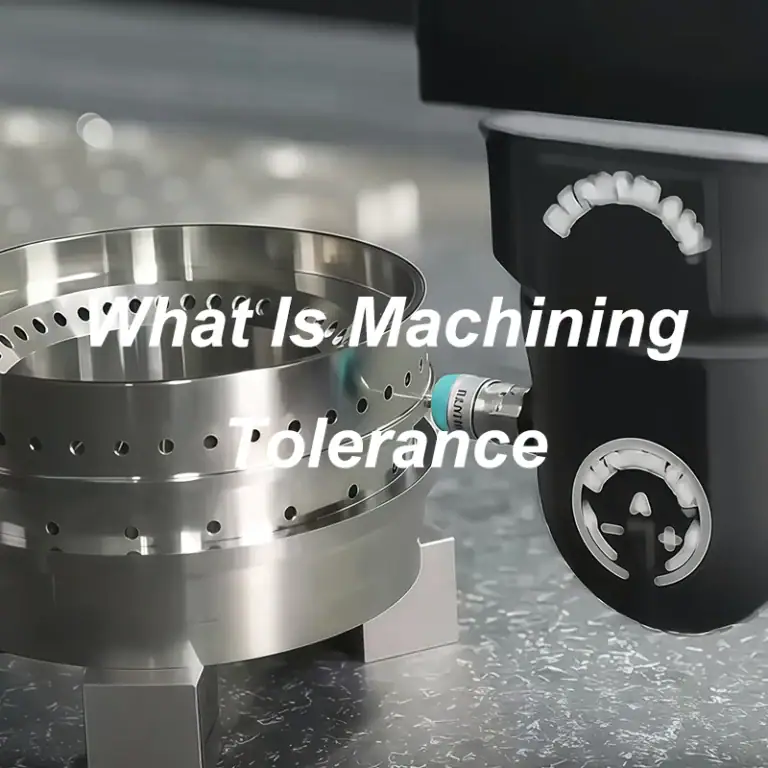
After machining, critical dimensions need to be inspected according to the drawing requirements.
- Check hole diameters and hole spacing to confirm accurate mounting positions.
- Check flatness and perpendicularity to maintain proper assembly relationships.
- Check concentricity and other geometric tolerances to meet motion mechanism requirements.
- Use CMM when necessary to improve inspection capability for precision components.
Once critical dimensions have been verified, adjustment work during final equipment assembly can be reduced.
How Should Materials Be Selected for CNC Machining Automation Equipment?
Material selection directly affects component weight, rigidity, wear resistance, and service life. In practice, materials can be selected according to the specific application of each component.
Aluminum Alloys Are Suitable for Lightweight Structures
Aluminum alloys are commonly used for robotic arm structural components, mounting plates, brackets, and fixture bases.
- Low weight makes them suitable for structures sensitive to motion loads.
- Good machinability makes them suitable for complex contours and multi-hole structures.
For equipment that needs to reduce the load on motion mechanisms, aluminum alloys generally provide good application value.
Steel and Stainless Steel Are Suitable for High-Strength Components
For components subject to high loads or requiring higher wear resistance, steel can be selected according to the working environment. Stainless steel is more suitable for automation components requiring corrosion resistance. Material selection should be based on load, environment, and machining difficulty rather than simply material price.
Engineering Plastics Are Suitable for Special-Function Components
Some guide components, sliding parts, and insulating structures are not suitable for direct use of metal materials. Engineering plastics can be selected according to their functions:
- POM: Suitable for some low-friction and wear-resistant structures.
- PEEK: Suitable for applications requiring higher temperature resistance and wear resistance.
- Insulating engineering plastics: Can be used for certain electrical isolation structures.
Selecting the appropriate plastic type for different operating conditions can help balance component performance and equipment operation requirements.

How to Choose a CNC Machining Supplier for the Automation Industry?
Automation projects usually go through prototype modifications, small-batch production, and volume procurement. The supplier’s machining and supporting capabilities can affect the overall project schedule.
Evaluate Multi-Axis Machining and Material Capabilities
Before procurement, it is important to confirm whether the supplier can cover different component types required for the project.
- 3-axis, 4-axis, and 5-axis machining can accommodate components with different levels of structural complexity.
- Metal and engineering plastic machining capabilities can reduce material limitations.
- Supporting processes such as turning can cover shaft and rotational components.
The broader the machining capabilities, the easier supply chain coordination is usually for complex automation projects.
Evaluate Engineering Communication and Quality Control
Automation components often need to be modified to match the overall equipment structure. The supplier’s engineering communication capabilities can directly affect prototype efficiency:
- Drawing review: Identify dimensional and structural issues in advance.
- DFM analysis: Optimize component designs from a manufacturing perspective.
- Dimensional inspection: Confirm that critical dimensions meet requirements.
- Issue feedback: Address problems that occur during machining in a timely manner.
A complete engineering and quality process can reduce assembly risks after component delivery.
Check Whether the Supplier Can Support Both Prototypes and Production
Automation equipment development usually passes through several production stages, making the supplier’s continuous production capability particularly important:
- Prototype stage: Support design validation and structural adjustments.
- Small-batch stage: Meet equipment assembly trials and functional testing requirements.
- Production stage: Maintain consistent machining standards and delivery schedules.
Maintaining continuous cooperation from prototypes to volume production can reduce the time costs associated with repeated prototyping and quality verification.
For automation projects that require rapid validation and continuous iteration, TiRapid provides precision CNC machining, 3-axis and 5-axis machining, DFM, and manufacturing services from prototypes to production. These capabilities can help companies move automation component projects forward more efficiently. Stable machining processes can reduce adjustment pressure during assembly and help maintain the overall project delivery schedule. For complex structural components and precision motion parts, thorough engineering communication in the early stages can make subsequent production more efficient.