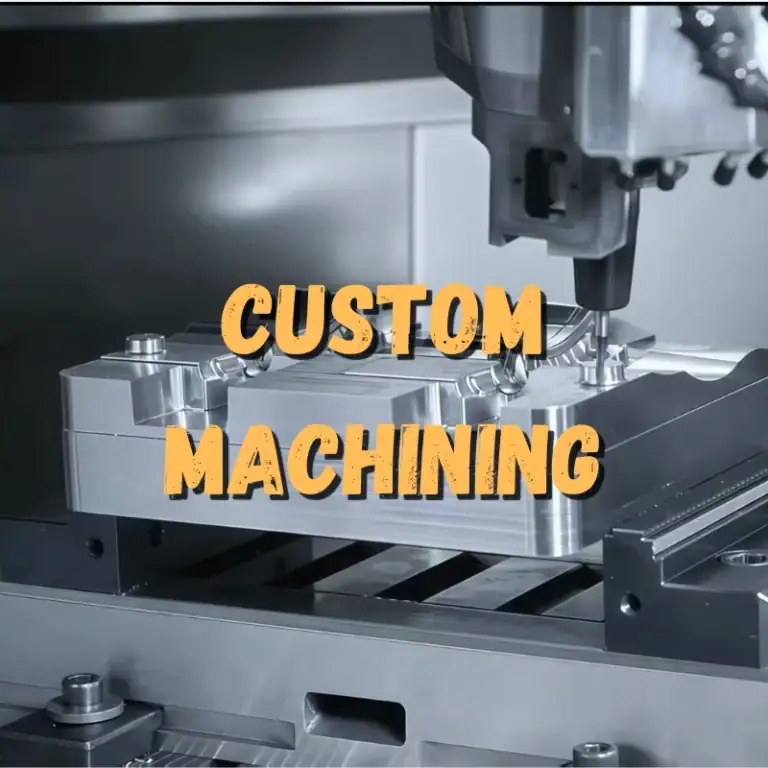
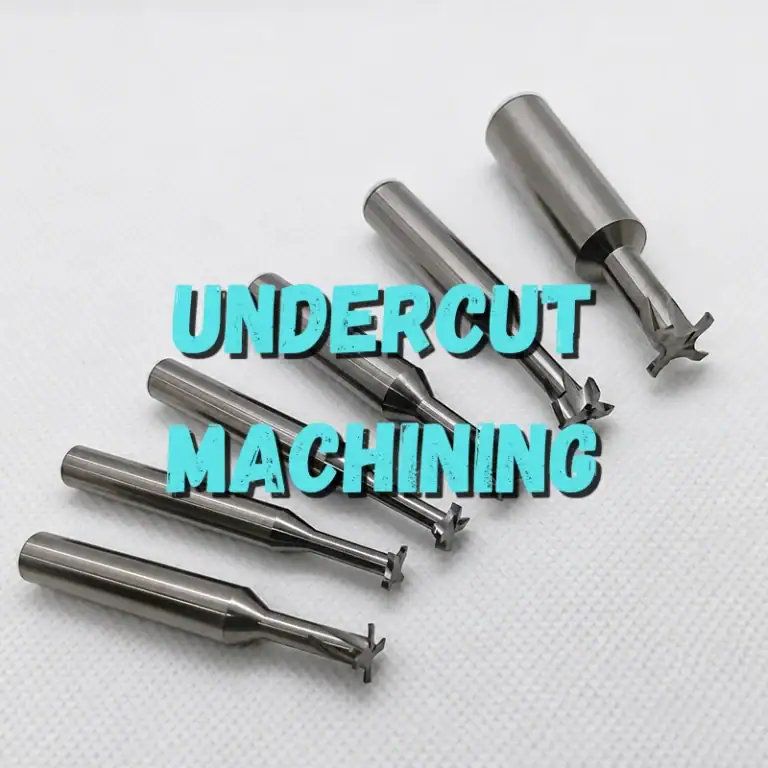
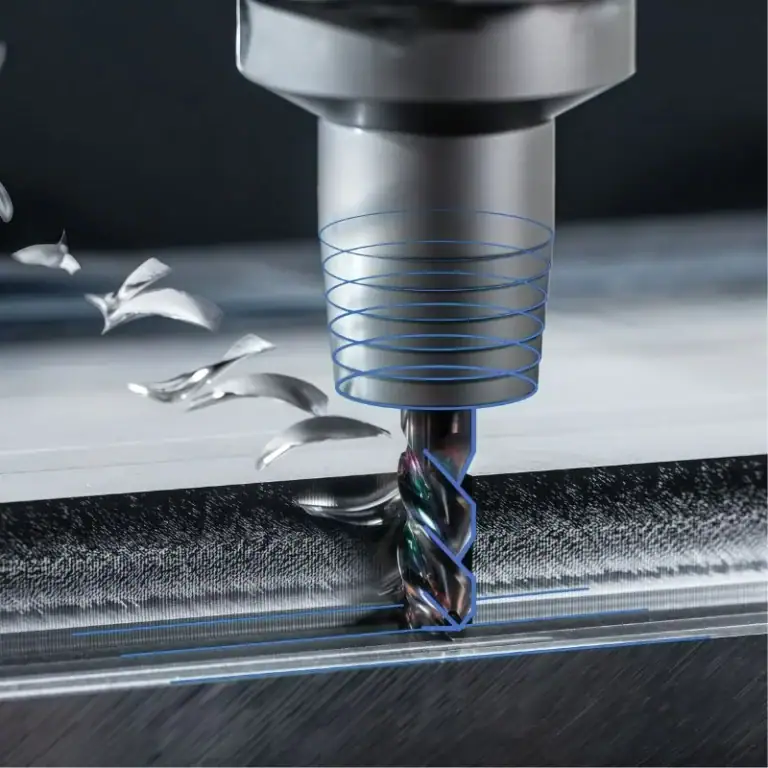
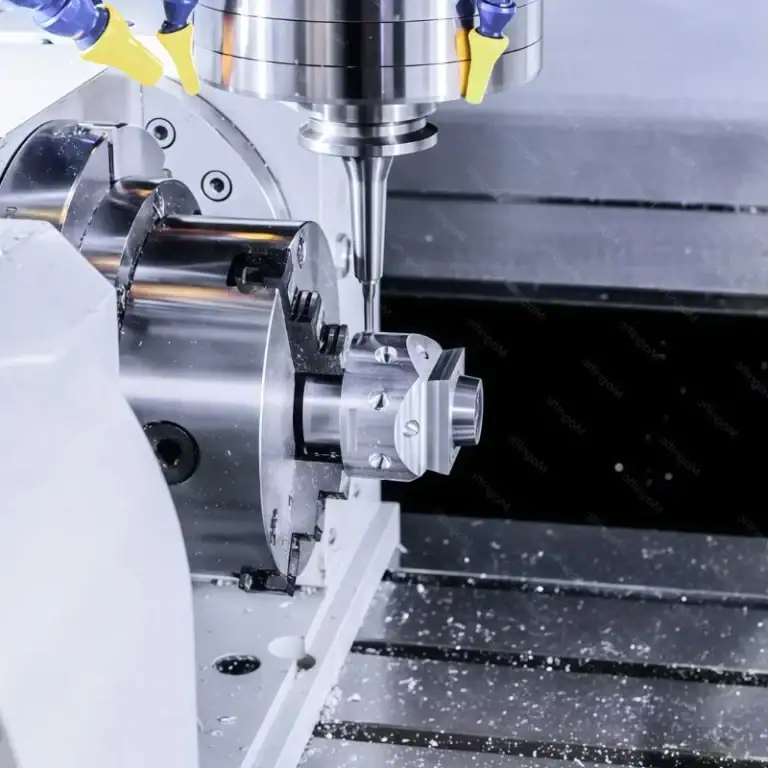
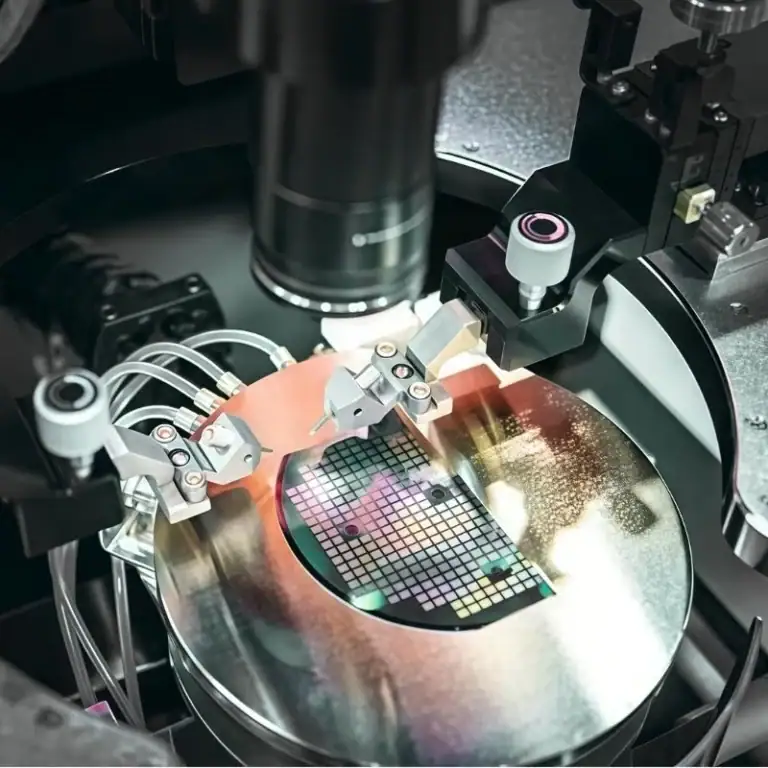
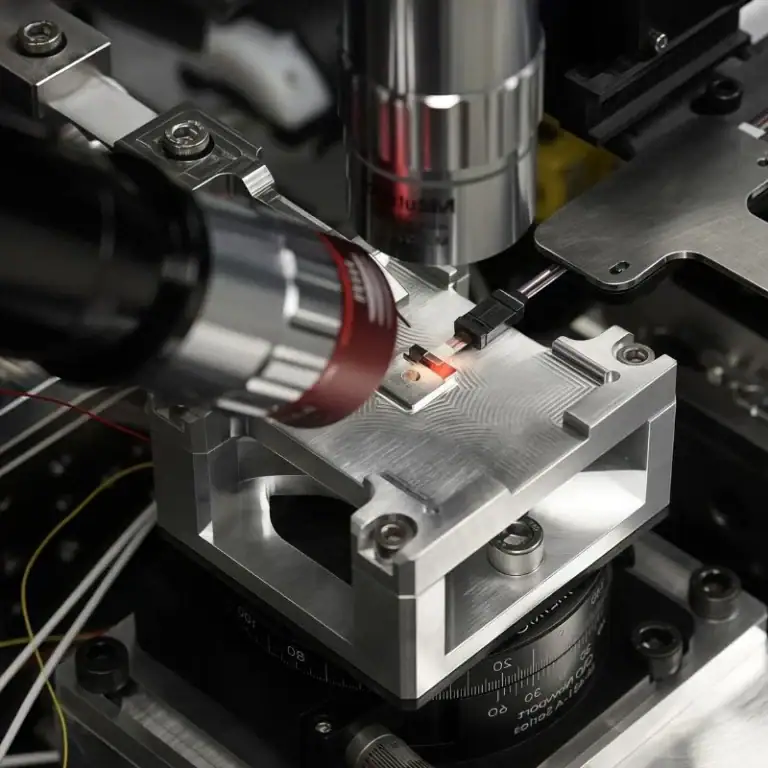
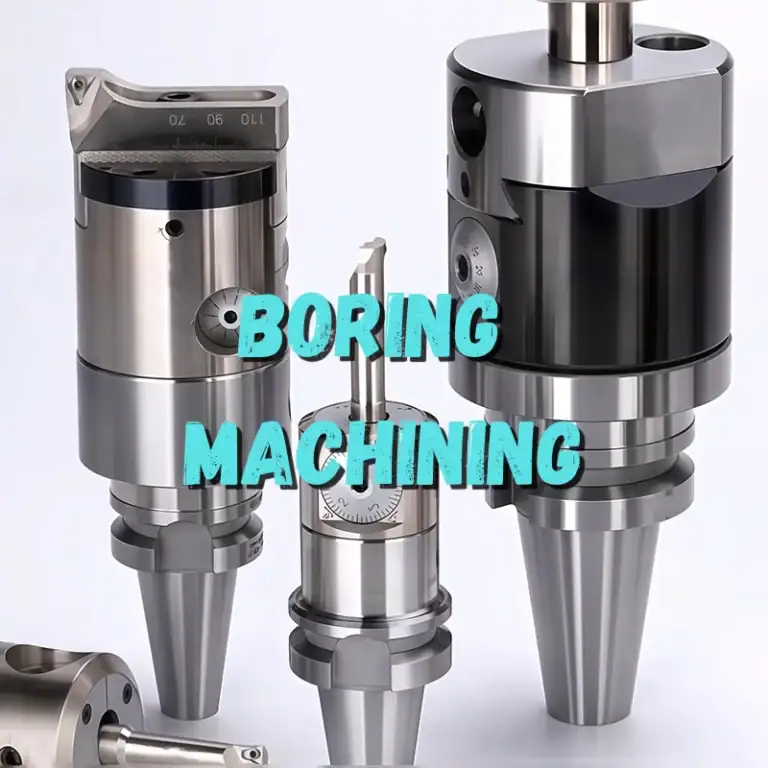
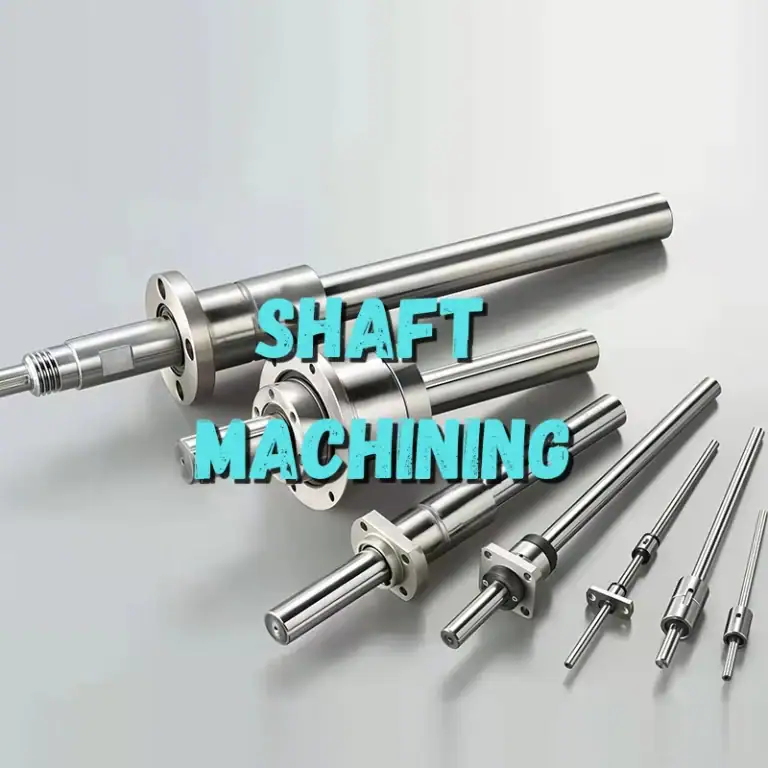
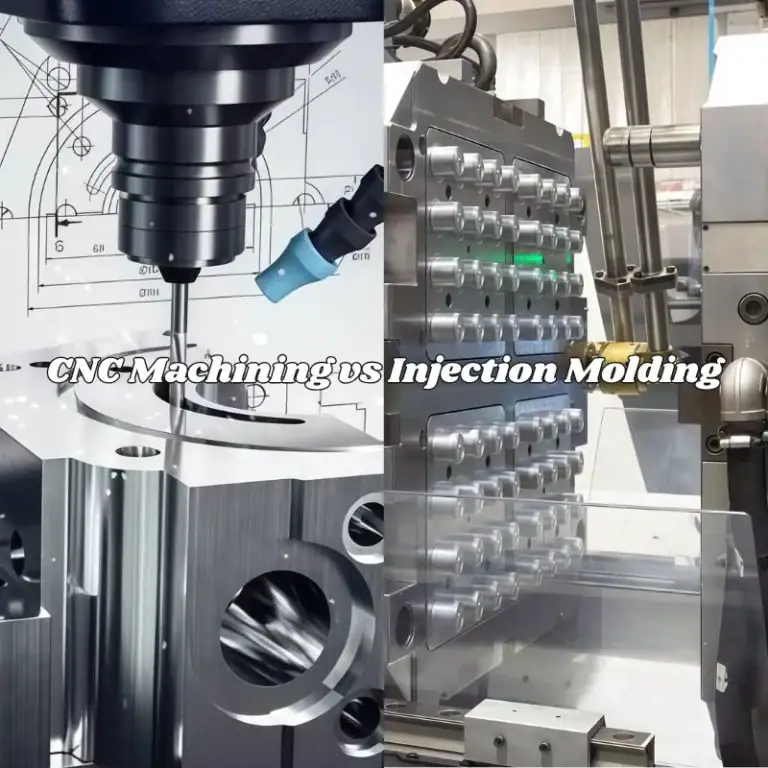
As the modern mechanical manufacturing industry continues to evolve toward high precision, high efficiency, and automation, CNC milling technology has become one of the core manufacturing methods in the industrial processing system. CNC milling not only machines complex structural parts but also maintains consistent accuracy and uniformity in batch production, making it widely used in aerospace, automotive manufacturing, automation equipment, mold manufacturing, and many other fields. Compared with traditional machining methods, CNC milling uses programmed control of tool paths, making the machining process more stable while reducing errors caused by manual operations.
CNC milling is an important machining method in mechanical part manufacturing
In the mechanical manufacturing industry, a large number of structural parts, connectors, and functional components require CNC milling.
Main roles of CNC milling in mechanical part processing
The equipment automatically performs operations such as cutting, slotting, drilling, and contour shaping according to programmed instructions, improving part machining accuracy and batch consistency.
- Improves capability for machining complex structural parts
- Maintains part dimensional consistency and stability
- Shortens production cycles for mechanical parts
- Reduces manual operation errors
- Improves batch processing efficiency and stability
High-precision machining capability drives continuous upgrades in mechanical part manufacturing.
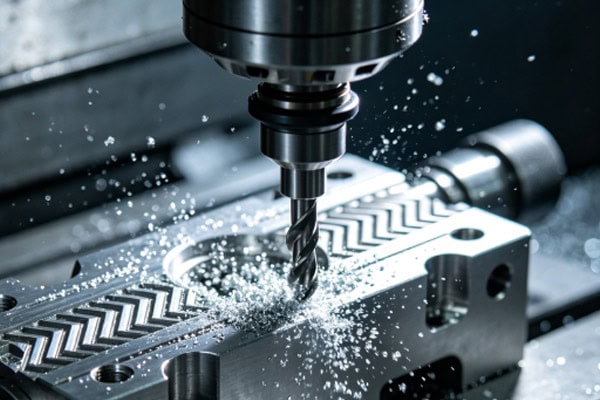
Application of CNC Milling in Mold Manufacturing
Mold manufacturing demands extremely high machining accuracy and surface quality.
Main advantages of CNC milling in mold manufacturing
CNC milling, through multi-axis simultaneous machining, enables the production of complex cavities and fine contours, improving mold machining efficiency and quality stability.
- Improves capability for machining complex cavities
- Enhances mold surface quality
- Reduces subsequent finishing and polishing time
- Improves mold dimensional accuracy and consistency
- Shortens mold development and production cycles
Precision machining technology is driving mold manufacturing to higher levels.
Application of CNC Milling in Automation Equipment Manufacturing
Automation equipment demands high part accuracy and stability.
In the manufacturing of industrial automation equipment, a large number of mechanical structural parts, guide rail components, connecting parts, and transmission structures require high machining accuracy. CNC milling effectively meets the requirements of automation equipment for dimensional consistency and assembly stability. Through programmed control of machining paths, the equipment stably machines complex structural cuts, reduces manual operation errors, and improves the matching accuracy between parts. In automated production lines, robotic equipment, and industrial control systems, many core structural components rely on CNC milling to ensure long-term operational stability and mechanical precision. Furthermore, multi-axis simultaneous machining technology improves the manufacturing capability for complex components, reduces re-clamping and process changeover time, and further enhances the overall production efficiency and machining quality of automation equipment.
Application of CNC Milling in Automotive Manufacturing
The automotive industry has obvious requirements for machining efficiency and part consistency.
Main advantages of CNC milling in automotive manufacturing
CNC milling is widely used in the machining of engine parts, transmission structural components, automotive molds, and new energy vehicle parts, improving batch production efficiency and part stability through automated machining.
- Improves automotive part machining efficiency
- Maintains batch part consistency
- Enhances capability for machining complex structures
- Reduces manual machining errors
- Shortens automotive part production cycles
Automated machining methods are driving continuous improvements in automotive manufacturing efficiency.
Application of CNC Milling in Aerospace Manufacturing
The aerospace industry has extremely high requirements for part accuracy and material performance.
Main roles of CNC milling in aerospace manufacturing
CNC milling enables the machining of complex curved surfaces, high-strength structures, and lightweight parts.
- Improves capability for machining complex curved surfaces
- Meets high-precision structural manufacturing requirements
- Enhances machining results for lightweight parts
- Improves machining stability for high-strength materials
- Increases overall reliability of aerospace parts
High-end precision manufacturing is driving continuous development of aerospace machining technology.
Application of CNC Milling in Electronics Manufacturing
Electronic products have continuously increasing requirements for appearance and precision.
Main advantages of CNC milling in electronics manufacturing
CNC milling enables the production of complex appearances and detailed structures.
- Improves housing machining precision:Maintains dimensional consistency and structural stability for phone, tablet, and laptop housings
- Enhances product surface quality:Improves metal appearance finish and overall visual effect
- Meets complex structural machining needs: Enables machining of special-shaped frames, heat dissipation slots, and precision internal structures
- Improves small part machining stability: Suitable for precision electronic components and micro-structural parts
- Enhances assembly consistency: Improves matching accuracy and installation stability between parts
- Reduces subsequent finishing operations: Decreases polishing and manual trimming time, improving overall production efficiency
- Supports high-end consumer electronics manufacturing: Meets the strict requirements of high-quality electronic products for detailed machining
- Improves batch production capability: Maintains stable machining quality and efficiency in high-volume production
Refined machining technology is raising the level of electronics manufacturing.
Application of CNC Milling in the New Energy Industry
New energy equipment manufacturing is driving increased demand for high-precision machining.
Main roles of CNC milling in new energy manufacturing
CNC milling meets the needs for complex structures and high-precision machining.
- Improves machining efficiency for new energy structural parts
Meets high-volume production demands of new energy equipment.
- Enables lightweight structural manufacturing
Suitable for precision machining of lightweight materials such as aluminum alloys.
- Improves battery module machining accuracy
Maintains dimensional stability and assembly consistency of battery structural parts.
- Enhances machining quality of heat dissipation systems
Enables the production of complex heat dissipation slots and flow channel structures.
- Improves structural stability of energy storage equipment
Enhances long-term operational reliability of equipment.
- Improves batch machining capability for complex parts
Maintains machining consistency across multiple production batches.
- Shortens production cycles for new energy parts
Improves overall manufacturing efficiency and production rhythm.
- Supports technological upgrading of the new energy industry
Drives new energy equipment toward high performance and high precision.
The growth of the new energy industry is expanding the application scope of CNC milling.
Conclusion
CNC milling technology has become an indispensable and important machining method in the modern mechanical manufacturing industry. This technology not only meets the manufacturing needs of traditional mechanical parts but also adapts to the requirements of aerospace, automotive manufacturing, automation equipment, and the new energy industry for high-precision, complex structural machining. Through automated control and multi-axis simultaneous technology, CNC milling is continuously raising the overall machining level and production efficiency of the modern manufacturing industry.