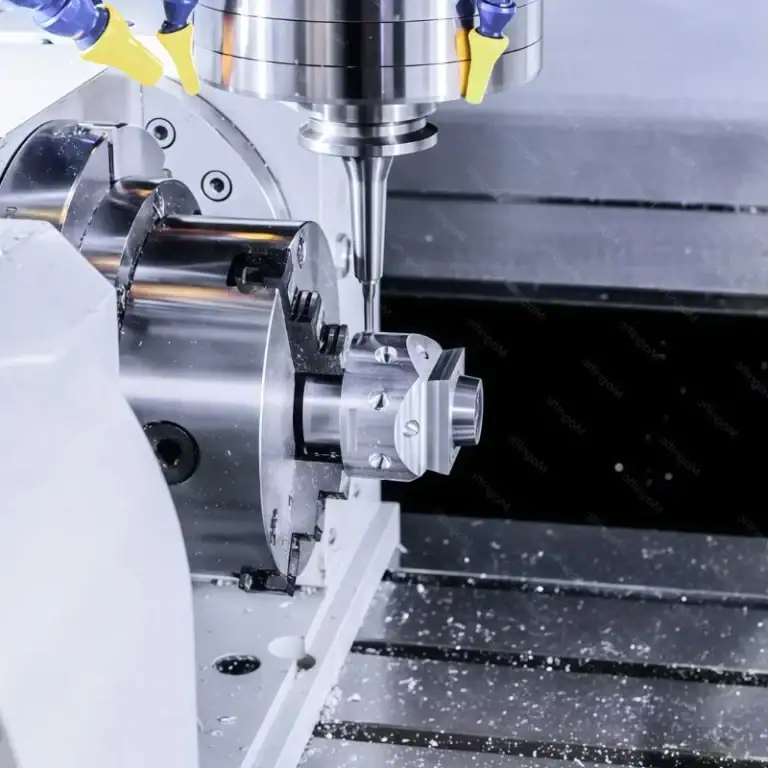
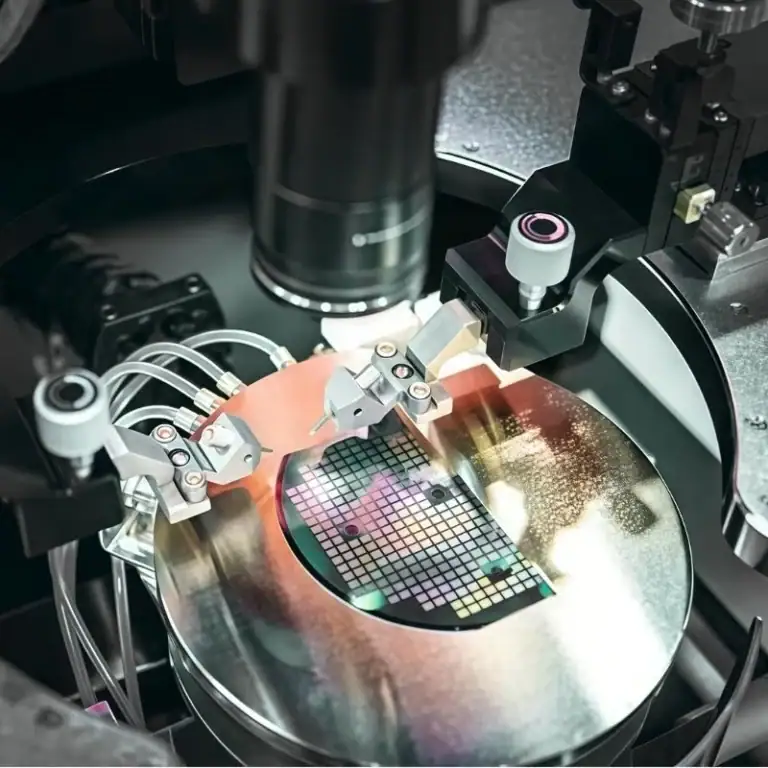
As the modern manufacturing industry continues to evolve toward high precision, high efficiency, and intelligence, CNC milling machines have become one of the key pieces of equipment in the field of precision machining. Different types of CNC milling machines exhibit significant differences in structural design, machining capabilities, and applicable scenarios, and these differences directly affect machining efficiency, machining accuracy, and production stability. For industries such as aerospace, automotive manufacturing, mold processing, and electronic equipment, selecting the appropriate type of CNC milling machine not only improves machining quality but also further optimizes the overall manufacturing process.
Vertical CNC Milling Machines
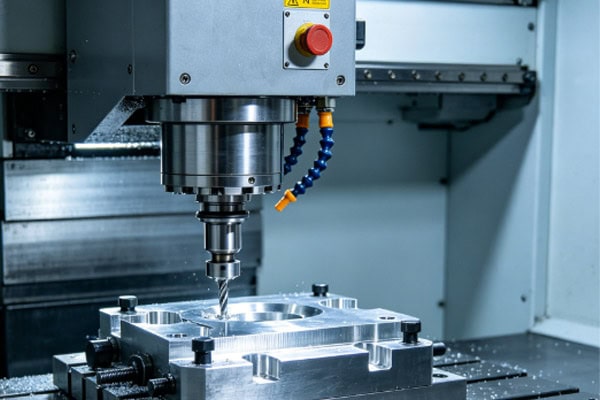
Vertical CNC milling machines are among the most widely used pieces of equipment in modern manufacturing.
The spindle of a vertical CNC milling machine is mounted vertically, with the tool cutting the workpiece from above. This type of equipment has a relatively compact structure and is easy to operate, making it suitable for small to medium-sized parts and high-precision structural machining. It is widely used in mold manufacturing, electronic components, and mechanical structural parts processing.
Main features of vertical CNC milling machines
Vertical equipment is not only suitable for machining small to medium-sized parts but also capable of meeting the demands of high-precision complex structure manufacturing.
- Vertically oriented spindle for easier observation and operation
- Suitable for flat surface machining, slotting, and complex contour machining
- High machining accuracy, suitable for precision part manufacturing
- Compact equipment structure, occupying less floor space
- Better suited for batch processing of small to medium-sized parts
Vertical structure meets most precision machining requirements.
Horizontal CNC Milling Machine
Horizontal CNC milling machines are more suitable for large parts and heavy-duty cutting.
The spindle of a horizontal CNC milling machine is mounted horizontally, allowing chips to fall away more naturally during the machining process, making it suitable for large workpieces and high-load continuous machining environments. Compared with vertical equipment, horizontal machines offer greater stability for heavy cutting and batch production.
Main features of horizontal CNC milling machines
It is widely used in automotive manufacturing, industrial equipment, and the machining of large mechanical components.
- Horizontally oriented spindle for better chip evacuation
- More suitable for large parts and heavy-duty cutting
- Higher stability during long-duration continuous machining
- Improves batch production efficiency
- Suitable for automotive and industrial equipment parts manufacturing
Stable heavy-load machining capability is an important advantage of horizontal equipment.
3-Axis CNC Milling Machine
3-axis CNC milling machines are basic CNC machining equipment.
3-axis CNC milling machines can perform cutting operations in the X, Y, and Z directions and are currently one of the most widely used types of CNC equipment. These machines have a relatively simple structure and lower difficulty in operation and programming, making them widely used in machining mechanical parts, electronic structural components, and general industrial products.
Main features of 3-axis CNC milling machines
For flat surface machining, hole positioning, and basic contour cutting, 3-axis equipment maintains stable machining efficiency and dimensional accuracy.
- Simple and stable structure
Relatively easy equipment maintenance, suitable for long-term stable production.
- Lower machining costs
More economical equipment investment and operating costs.
- Suitable for basic part machining
Commonly used for flat surface machining, slotting, and general contour structure manufacturing.
- Lower difficulty in programming and operation
More suitable for basic CNC machining and batch production.
- Stable machining efficiency
Offers high cost-effectiveness in general part production.
- Wide range of applications
Widely used in mechanical processing, electronic equipment, and mold industries.
Basic and stable machining capability gives 3-axis equipment a very wide range of applications.
4-Axis CNC Milling Machine
4-axis CNC milling machines offer greater flexibility for machining complex structures.
A 4-axis CNC milling machine adds a rotary axis to the traditional 3-axis configuration, allowing the workpiece to be cut from multiple angles. This structure reduces the number of times the workpiece needs to be re-clamped, improves machining efficiency for complex structures, and enhances consistency and stability for multi-face machining.
Main features of 4-axis CNC milling machines
For products requiring machining of special-shaped structural parts, cylindrical parts, and multi-angle machining, 4-axis equipment provides a more flexible machining approach.
- Adds rotary machining capability
Enables multi-angle and side-surface machining.
- Reduces re-clamping time
Improves overall production rhythm and machining efficiency.
- Enhances capability for machining complex structures
Better suited for special-shaped parts and complex contour machining.
- Improves machining consistency
Reduces errors caused by multiple positioning operations.
- Increases level of automated machining
Reduces frequency of manual adjustments.
- Suitable for manufacturing medium to high complexity parts
Widely used in automotive, machinery, and industrial equipment processing.
More flexible machining methods improve production efficiency for complex parts.
5-Axis CNC Milling Machine
5-axis CNC milling machines represent an important direction for high-end precision machining.
5-axis CNC milling machines can perform simultaneous machining in multiple directions, completing the manufacturing of complex curved surfaces, deep cavity structures, and high-precision special-shaped parts in a single setup. This type of equipment is typically used in high-precision manufacturing fields such as aerospace, medical devices, and high-end molds.
Main features of 5-axis CNC milling machines
Compared with traditional equipment, 5-axis machining not only reduces process changes but also improves machining accuracy and surface quality for complex structures.
- Enables simultaneous multi-directional machining
Better suited for manufacturing complex curved surfaces and free-form parts.
- Reduces re-positioning errors
Improves machining stability for high-precision structures.
- Shortens overall machining cycle
Completes more machining steps in a single setup.
- Improves surface machining quality
Enhances surface finish of complex structures.
- Increases flexibility of tool cutting angles
Reduces localized cutting pressure and tool wear.
- Suitable for high-end precision manufacturing industries
Widely used in aerospace, medical, and precision mold machining.
Multi-axis simultaneous technology is driving continuous upgrades in modern precision manufacturing.
High-Speed CNC Milling Machine
High-speed CNC milling machines place greater emphasis on machining efficiency and surface quality.
High-speed CNC milling machines are typically equipped with high-speed spindles, high-response servo systems, and more stable control systems, allowing them to complete a large number of cutting tasks in a shorter time. These machines maintain a stable cutting state during high-speed machining, thereby improving material removal efficiency and overall production rhythm. For machining aluminum alloys, copper alloys, and some precision structural parts, high-speed milling not only shortens the machining cycle but also improves workpiece surface finish and dimensional consistency. At the same time, high-speed machining reduces the need for subsequent polishing and finishing operations for some complex parts, improving overall manufacturing efficiency. In modern precision manufacturing, high-speed CNC milling machines have been widely used in industries such as electronic products, precision molds, automotive parts, and aerospace structural components, and have gradually become an important equipment type for improving machining efficiency.
Gantry CNC Milling Machine
Gantry CNC milling machines are suitable for machining large workpieces.
The gantry structure offers high overall rigidity, making it capable of machining large plates, heavy molds, and large industrial structural parts. It is widely used in heavy industry and large equipment manufacturing.
Main features of gantry CNC milling machines
Gantry-type machine tools can maintain higher stability during the machining of large parts and are well-suited for high-load, continuous machining environments.
- High equipment rigidity
- Suitable for machining large workpieces
- Strong stability and load-carrying capacity
- Suitable for heavy-duty continuous cutting
- Widely used in large mold manufacturing
Large-structure machining capability is an important advantage of gantry equipment.
Conclusion
Different types of CNC milling machines undertake various machining tasks in the modern manufacturing industry. When selecting equipment, companies need to consider not only machining accuracy and production efficiency but also conduct a comprehensive evaluation based on part structure, material characteristics, and batch requirements. For modern manufacturing enterprises, gaining an in-depth understanding of the features and application scenarios of different types of CNC milling machines helps build a more efficient and stable modern manufacturing system.