CNC turning machining accuracy plays a critical role in part fit quality, assembly performance, and overall manufacturing consistency. Dimensional errors often come from insufficient machine rigidity, tool wear, improper cutting parameters, thermal deformation, and unstable process control. During continuous production, these factors gradually accumulate and affect final precision and surface quality. To achieve stable and high machining accuracy, it is necessary to continuously optimize machine condition, tool system, machining parameters, toolpath strategy, and environmental conditions, combined with data-driven production management.
Influence of Machine Tool Stability on Machining Accuracy
Machine tool stability is the foundation of machining accuracy. Structural rigidity, dynamic stability, and long-term precision retention directly determine machining limits. Even if tools and programs are well optimized, unstable machine conditions will still introduce errors.
Spindle Precision Stability Control
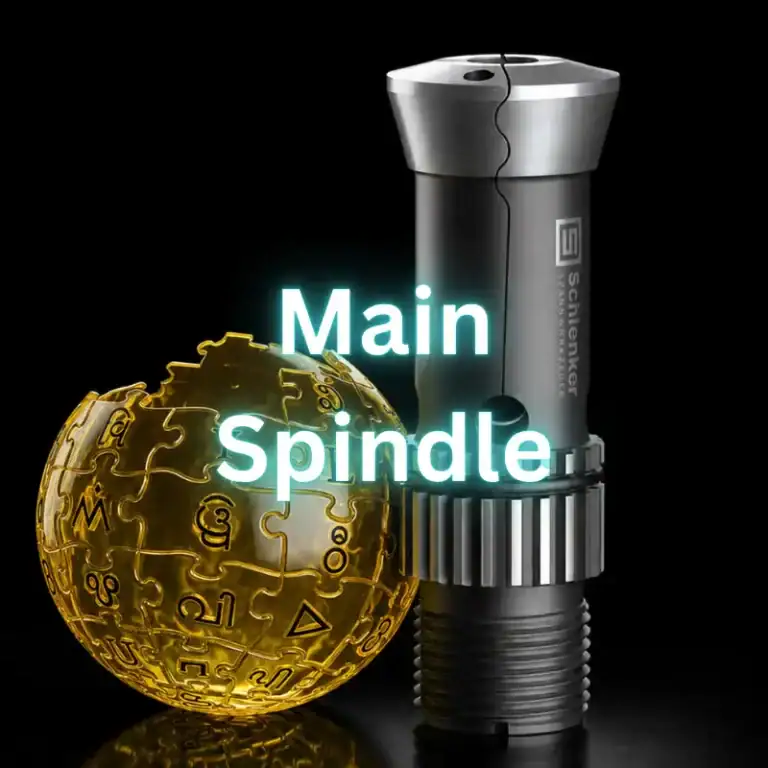
The spindle is the rotational reference of the machining process. Its condition directly affects roundness, concentricity, and surface quality.
- Regularly measure spindle radial and axial runout
- Control bearing temperature rise to avoid thermal expansion deviation
- Maintain continuous and stable lubrication supply
- Avoid long-term high-load operation
- Monitor high-speed vibration trends
- Perform periodic dynamic balancing and calibration
Stable spindle operation significantly reduces dimensional deviation and improves machining consistency.
Guideway and Ball Screw Accuracy Management
Guideways and ball screws control machine motion accuracy. Wear or backlash directly affects positioning precision and repeatability.
- Inspect guideway wear conditions regularly
- Maintain continuous lubrication supply
- Control ball screw backlash variation
- Remove chips and contaminants to avoid jamming
- Check servo response and tracking accuracy
- Calibrate linear motion accuracy periodically
Stable motion systems improve repeat positioning accuracy and batch consistency.
Vibration Suppression Optimization
Vibration during cutting amplifies machining errors and reduces surface quality. Severe vibration may also cause tool instability and dimensional drift.
- Improve overall machine structural rigidity
- Optimize workpiece clamping stability
- Reduce tool overhang length
- Control cutting force fluctuation
- Verify machine foundation stability
- Avoid resonance frequency conditions
Once vibration is controlled, both surface finish and dimensional stability improve significantly.
Tool Selection and Usage Optimization
Tool condition directly determines cutting stability. Wear, improper geometry, or incorrect installation will gradually lead to dimensional drift and surface quality degradation.
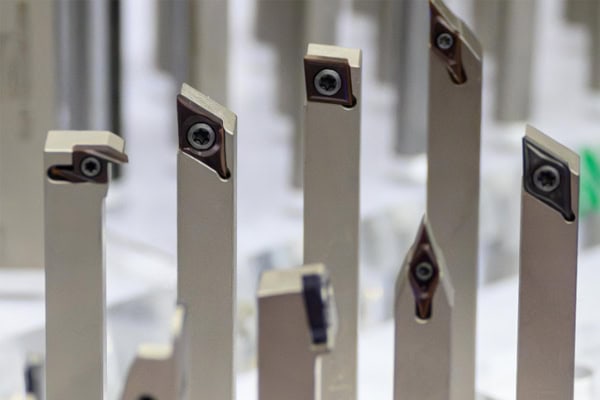
Tool Material Matching Selection
Different workpiece materials require different tool properties. Proper matching ensures stable cutting performance and reduces wear rate.
- Carbide tools for general precision turning
- CBN tools for high-hardness materials
- Coated tools for improved wear and heat resistance
- Ceramic tools for high-speed continuous cutting
- Select tool grade based on material hardness and toughness
- Control thermal load impact on tool life
Proper tool matching improves cutting stability significantly.
Tool Wear Monitoring
Tool wear is one of the main causes of dimensional drift during machining.
- Regularly inspect tool tip wear and chipping
- Monitor changes in cutting sound and vibration
- Record dimensional deviation trends
- Track cutting force variations
- Control tool life cycle strictly
- Replace tools before reaching critical wear
Stable tool condition reduces cumulative machining errors.
Tool Installation Accuracy Control
Improper tool installation directly affects cutting center position and machining accuracy.
- Ensure rigid tool clamping
- Control tool overhang length
- Adjust tool center height precisely
- Check tool holder contact condition
- Prevent loosening during operation
- Improve installation repeatability
Stable installation improves machining consistency.
Cutting Parameter Optimization Methods
Cutting parameters determine cutting force, temperature distribution, and tool load. Improper settings can cause instability in both dimensions and surface finish.
Cutting Speed Control Strategy
Cutting speed affects heat generation and tool life while influencing machining stability.
- Control cutting temperature rise rate
- Avoid overheating during high-speed machining
- Maintain stable cutting conditions
- Reduce thermal deformation effects
- Optimize machining rhythm continuity
- Avoid frequent parameter fluctuations
Stable cutting speed improves dimensional consistency.
Feed Rate and Depth of Cut Optimization
Feed and depth of cut directly affect cutting force and machining stability.
- Control peak cutting load
- Avoid sudden impact forces
- Use staged roughing and finishing
- Optimize cutting path distribution
- Improve surface stability
- Reduce tool overload risk
Proper parameter combination reduces machining variation.
Thermal Deformation Control
Heat accumulation causes both machine and workpiece expansion errors.
- Use stable cooling systems
- Control continuous machining time
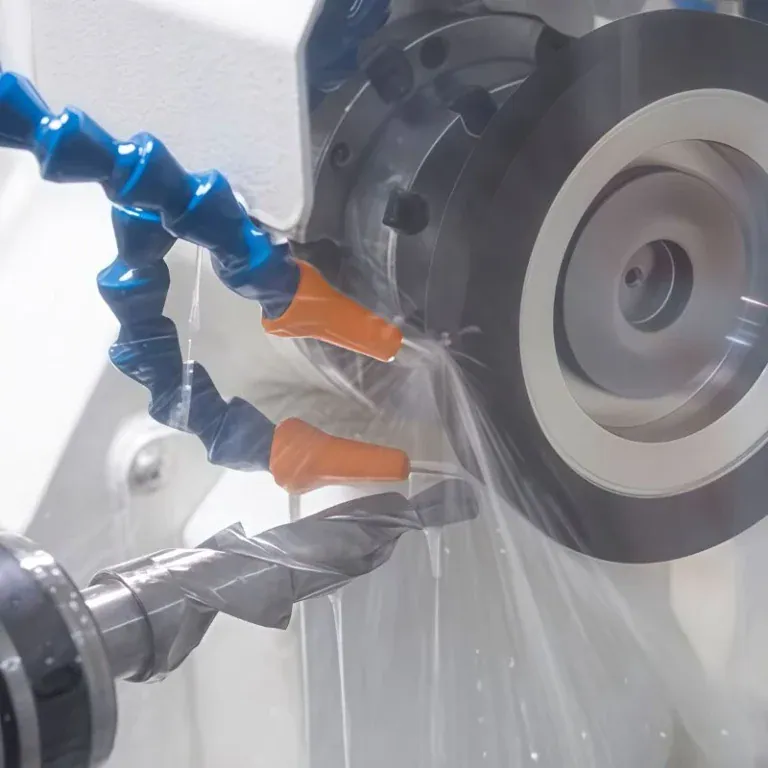
- Improve coolant coverage
- Reduce localized heat concentration
- Stabilize workshop temperature
- Minimize thermal expansion effects
Thermal stability improves dimensional consistency.
Programming and Toolpath Optimization
Toolpath and program logic determine motion smoothness and cutting stability.
Toolpath Optimization Design
Optimized toolpaths reduce impact and improve motion continuity.
- Reduce sudden stop-and-go movements
- Optimize tool entry and exit paths
- Minimize unnecessary air cutting
- Improve motion smoothness
- Ensure continuous cutting flow
- Control load variation during cutting
Optimized paths reduce machining deviation.
Program Accuracy Verification
Programming errors directly affect batch consistency.
- Verify coordinate settings
- Check tool compensation values
- Simulate machining process
- Validate tool parameters
- Avoid logic conflicts
- Confirm stable cycle execution
Accurate programs ensure reliable machining.
Automatic Compensation Systems
Automatic compensation reduces human error and improves long-term stability.
- Correct tool wear deviations
- Compensate thermal deformation
- Control dimensional drift
- Improve batch consistency
- Reduce manual adjustments
- Enhance automation level
Compensation systems improve sustained machining accuracy.
Processing Environment and Quality Inspection Management
Environmental conditions and inspection systems also affect final machining accuracy stability.
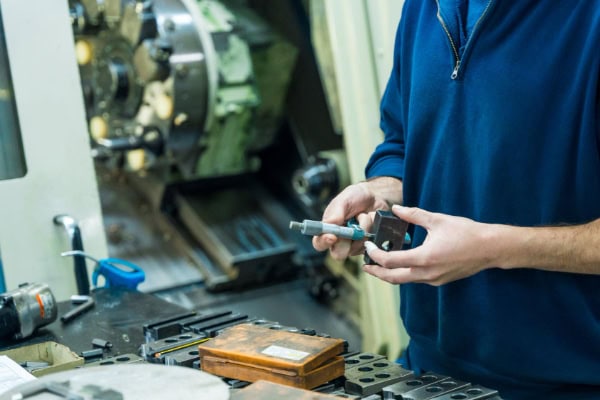
Temperature Environment Control
Temperature changes cause thermal expansion differences in both machine and workpiece.
- Maintain stable workshop temperature
- Reduce day-night temperature variation
- Avoid external heat source interference
- Improve air circulation uniformity
- Control localized heat accumulation
- Reduce thermal drift impact
Stable environment improves dimensional consistency.
Workpiece Inspection Control
Inspection determines whether errors are detected in time.
- Use high-precision measuring instruments
- Calibrate inspection equipment regularly
- Focus on key dimensional areas
- Maintain stable inspection conditions
- Record dimensional variation trends
- Increase sampling frequency
Reliable inspection reduces quality fluctuation.
Data-Driven Quality Management
Data management improves process controllability and traceability.
- Record machining dimensional data
- Analyze error trend patterns
- Monitor machine operating conditions
- Track tool life and wear data
- Optimize process parameter settings
- Improve quality traceability
Data-driven systems ensure long-term machining stability.