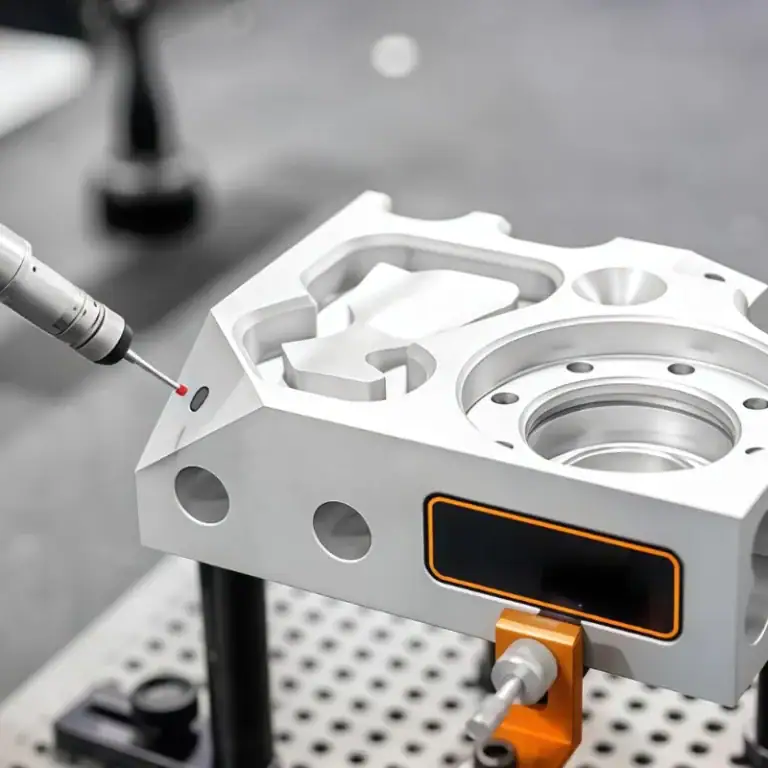
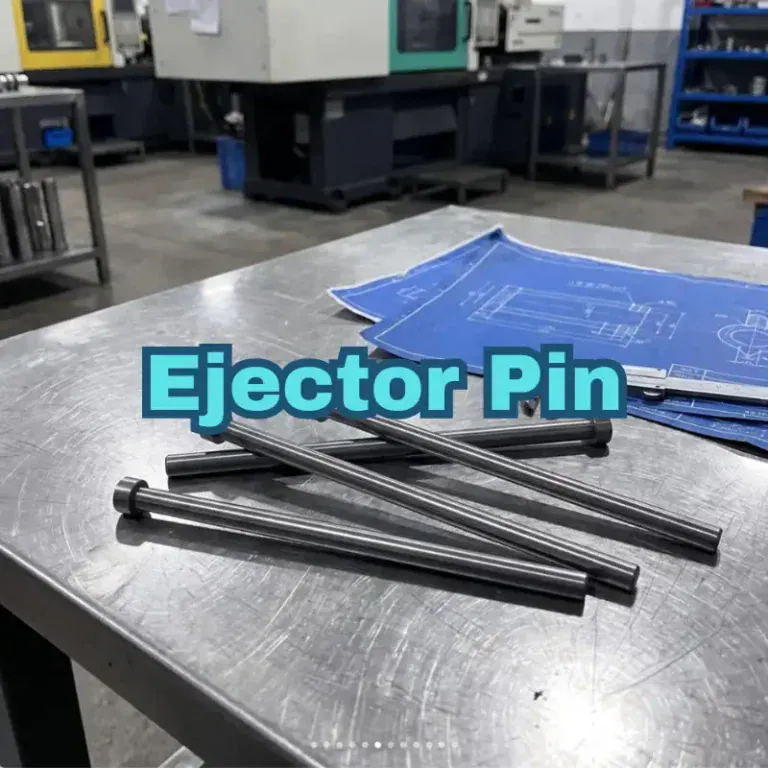
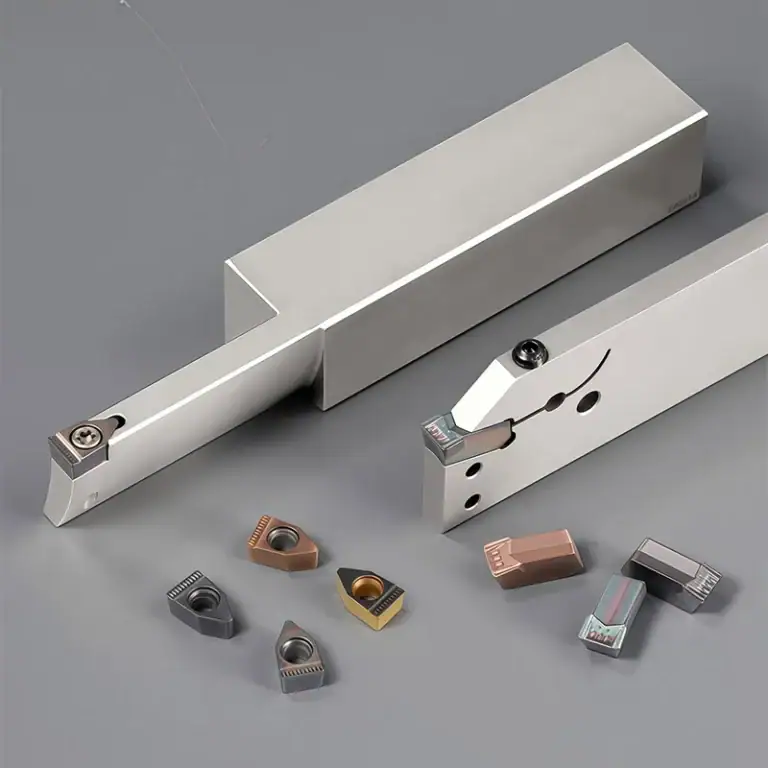
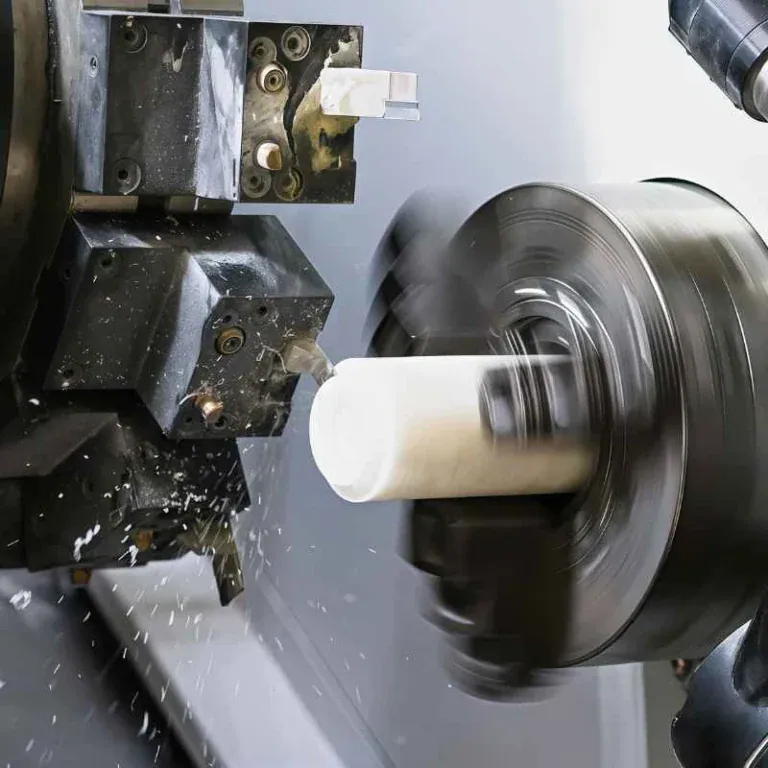
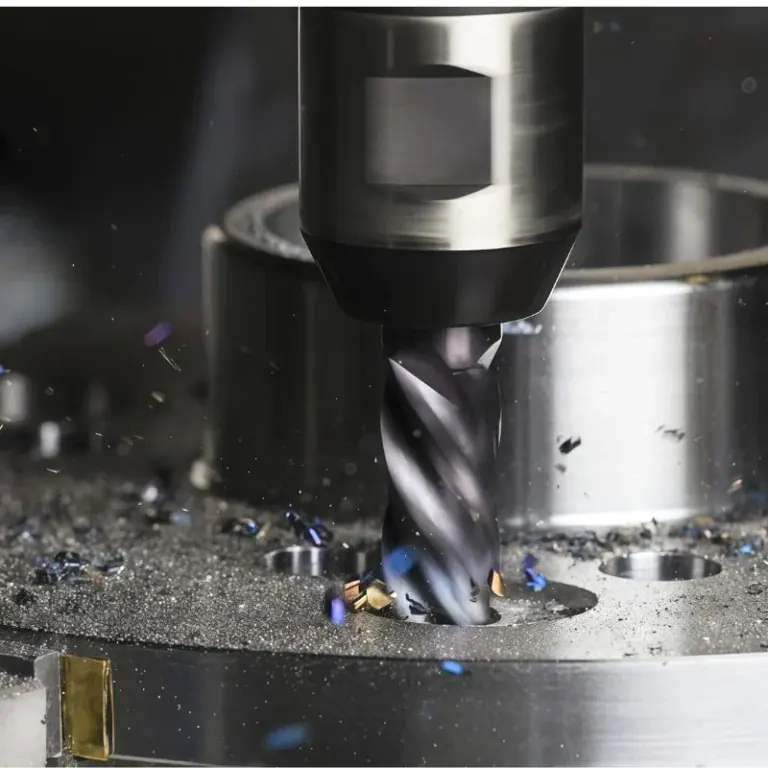
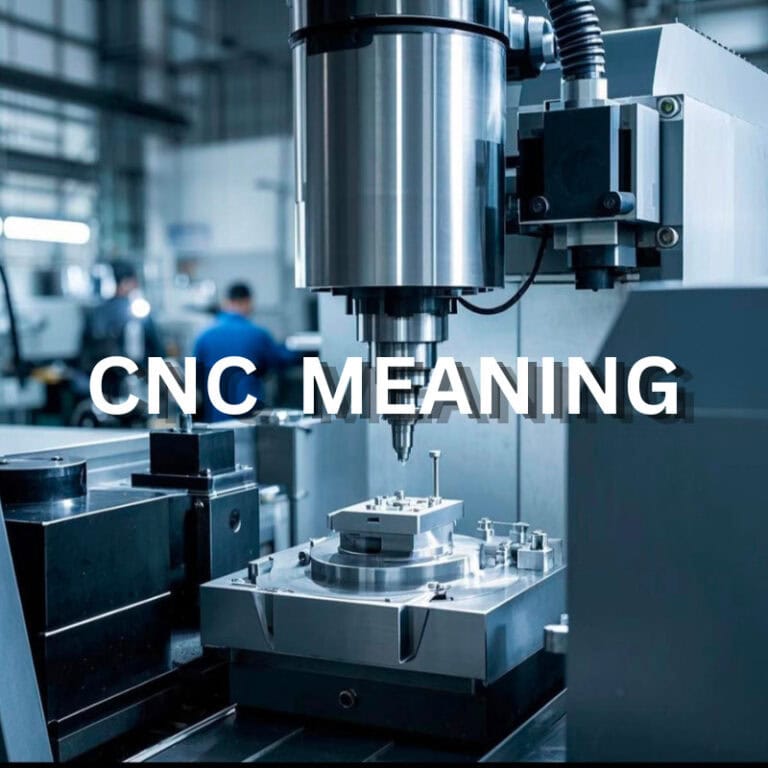
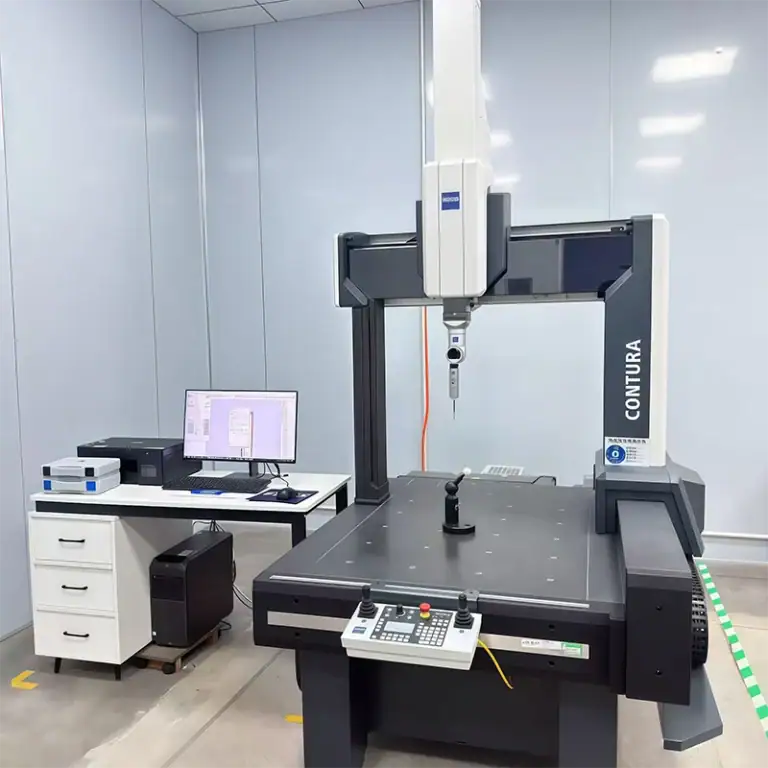
Why are semiconductor equipment systems so valuable? In addition to complex control systems and advanced technologies, countless precision components inside the equipment also play a critical role. Many of these parts may look small and insignificant, but they directly affect whether the equipment can operate reliably for a long time. During chip manufacturing, processes such as wafer handling, inspection, and transportation require equipment to maintain extremely precise performance. If component manufacturing is not accurate enough, it may reduce production efficiency and even affect chip yield. As the semiconductor industry continues to develop, the requirements for component manufacturing are becoming increasingly strict, making precision machining an essential foundation for advanced equipment production.
What Special Requirements Do Semiconductor Equipment Components Have?
The biggest difference between semiconductor equipment and ordinary industrial equipment is that semiconductor systems operate under much stricter conditions. These machines must perform complex operations while maintaining precise performance over long periods. A typical mechanical component may only need to meet basic installation requirements, but semiconductor equipment components must also handle clean environments, temperature changes, and continuous operation. Therefore, manufacturing these parts requires more than just meeting dimensional requirements; their actual performance in demanding conditions must also be considered.
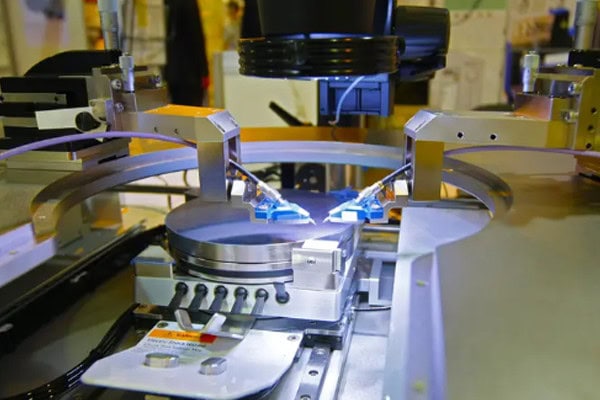
Components Need to Maintain Long-Term Stability
Semiconductor production lines usually operate continuously, and equipment is expected to complete large numbers of manufacturing tasks without frequent interruptions. As a result, internal components must withstand long-term use.
- Reducing performance changes during extended operation to minimize frequent equipment adjustments.
- Lowering the impact of component wear and helping equipment maintain normal operation.
- Adapting to continuous production environments and reducing downtime caused by component issues.
When selecting semiconductor components, many customers do not only focus on machining costs but also pay more attention to long-term performance. High-quality precision machining processes can help components remain reliable during extended operation.
Components Must Meet Strict Cleanliness Requirements
Semiconductor manufacturing has extremely strict environmental requirements, and equipment interiors must avoid unnecessary contamination sources. Therefore, machined components must also meet cleanliness standards.
- Controlling surface conditions to reduce particle residue.
- Optimizing machining details to prevent burrs from affecting equipment operation.
- Selecting suitable materials based on operating environments.
- Developing machining processes according to post-processing requirements.
This is one of the biggest differences between semiconductor component machining and ordinary mechanical machining. Components must not only be accurate but also meet the special requirements of semiconductor production environments.
Components Require Precise Assembly Compatibility
Semiconductor equipment contains many integrated structures, and different components must work together accurately. Poor compatibility between parts can affect overall equipment performance.
- Ensuring accurate installation positions.
- Reducing equipment adjustment time.
- Improving overall assembly efficiency.
Precision machining helps components achieve better fitting performance and allows equipment to operate more smoothly.
What Makes Semiconductor Equipment Component Machining Difficult?
Many people think semiconductor component machining is difficult only because the parts are small and require high accuracy. In reality, the biggest challenges also come from materials, structures, and manufacturing process control. Some components may not look complicated on drawings, but actual production involves many technical challenges, which is why ordinary machining methods often cannot meet the requirements.
Special Materials Increase Machining Difficulty
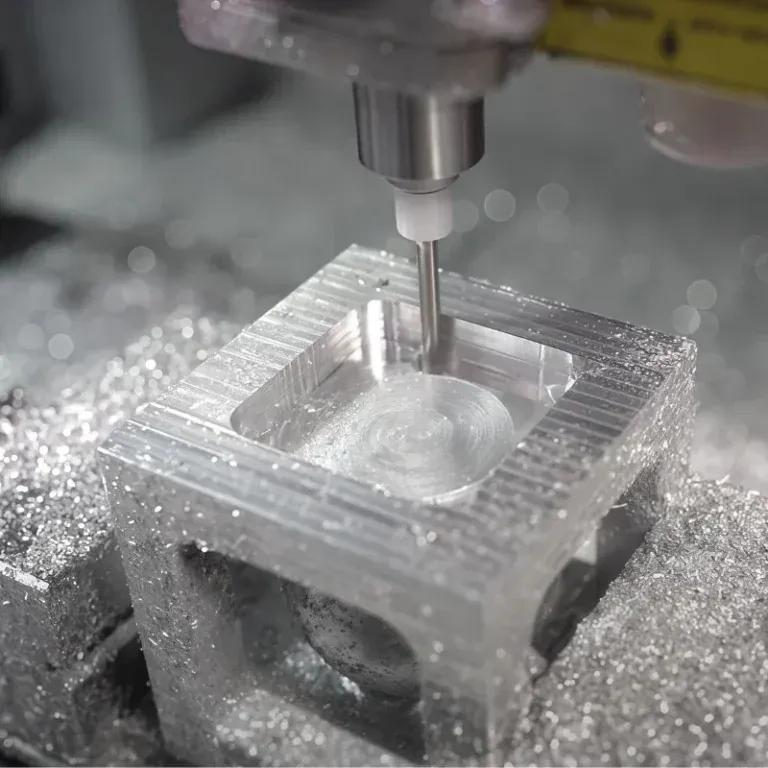
Semiconductor equipment often uses materials with special properties, such as aluminum alloys, stainless steel, ceramics, and other high-performance materials. Although these materials provide advantages during equipment operation, they can be challenging to machine.
- Some materials have high hardness, which can affect tool life.
- Certain materials are prone to deformation, requiring more careful processing.
- Different materials require different machining strategies, rather than directly applying standard methods.
When machining semiconductor components, manufacturers need to develop processes based on material characteristics instead of simply focusing on machining speed.
Complex Structures Test Manufacturing Capability
To achieve better equipment performance, many semiconductor components now feature increasingly complex designs. Precision holes, special grooves, and multi-surface structures all increase manufacturing difficulty.
- Complex structures require proper machining sequence planning.
- Small feature areas require higher machining control capability.
- Multi-step machining requires fewer repeated adjustments.
For these components, machining experience is extremely important. Proper process planning can reduce problems and avoid repeated modifications during production.
Detailed Process Control Is Essential
Manufacturing semiconductor components does not end after machining is completed. Many details throughout the process can affect the final result.
- Tool conditions need to be managed regularly.
- Machining parameters need to be adjusted according to actual conditions.
- Inspection needs to be carried out throughout the production process.
Only by controlling every stage carefully can components truly meet semiconductor equipment requirements.
How Does Precision Machining Improve Semiconductor Equipment Manufacturing?
As chip manufacturing technology continues to advance, semiconductor equipment structures are becoming more complex. Traditional machining methods often face limitations when producing highly demanding components. Precision machining combined with CNC technology helps manufacturers solve complex manufacturing challenges and turn advanced designs into practical components.
Making Complex Component Designs Possible
Modern semiconductor equipment includes many specially designed components that are not simple mechanical structures.
- Supporting complex shape manufacturing.
- Meeting special structural machining requirements.
- Helping achieve more advanced equipment designs.
Precision machining gives engineers greater design freedom and reduces manufacturing limitations.
Accelerating Equipment Development and Testing
The semiconductor industry changes rapidly, and equipment manufacturers often need to develop and test new component solutions.
- Quickly producing prototype parts.
- Allowing design adjustments based on testing results.
- Supporting small-batch production at different development stages.
Flexible machining methods help shorten development cycles and allow new equipment designs to enter testing faster.
Improving Component Manufacturing Efficiency
For semiconductor equipment manufacturers, delivery speed is also important in addition to quality requirements.
- Reducing repeated operations during machining processes.
- Improving production planning control.
- Making future mass production transitions easier.
Precision machining helps companies achieve a better balance between quality and manufacturing efficiency.
Why Is the Semiconductor Industry Paying More Attention to Component Manufacturing Capability?
As semiconductor applications continue expanding, competition in semiconductor equipment is becoming increasingly intense. Equipment manufacturers need not only advanced technologies but also reliable manufacturing capabilities as support. In many cases, improvements in equipment performance come not only from system upgrades but also from better component manufacturing.
Supporting Development of More Advanced Equipment
Future semiconductor equipment will continue moving toward higher performance, creating greater demands on component manufacturing.
- Meeting requirements for more complex equipment structures.
- Supporting advanced manufacturing processes.
- Helping equipment achieve better performance.
Component manufacturing capability will directly influence the speed of equipment development.
Reducing Maintenance Pressure During Equipment Operation
High-quality components affect not only initial equipment performance but also long-term operating costs.
- Reducing frequent component replacement.
- Lowering equipment maintenance frequency.
- Improving long-term usage value.
For companies, reliable components can reduce additional costs during production.
Driving Semiconductor Manufacturing Upgrades
The development of the semiconductor industry depends on equipment advancement, while equipment advancement relies on manufacturing technology.
- Improving overall equipment competitiveness.
- Helping companies meet higher manufacturing requirements.
- Supporting continuous industry development.
In the future, precision machining will play an increasingly important role in semiconductor equipment manufacturing.
Semiconductor equipment requires high-precision components because chip manufacturing demands strict control over equipment operation environments, component compatibility, and long-term reliability. Only through suitable manufacturing processes and precision machining technologies can equipment achieve better performance. Tirapid specializes in precision machining services, providing semiconductor equipment component machining solutions to help companies achieve high-quality customized component manufacturing.